(7% discount is applied at checkout)
Cart is empty
Your go-to destination for cutting-edge server products
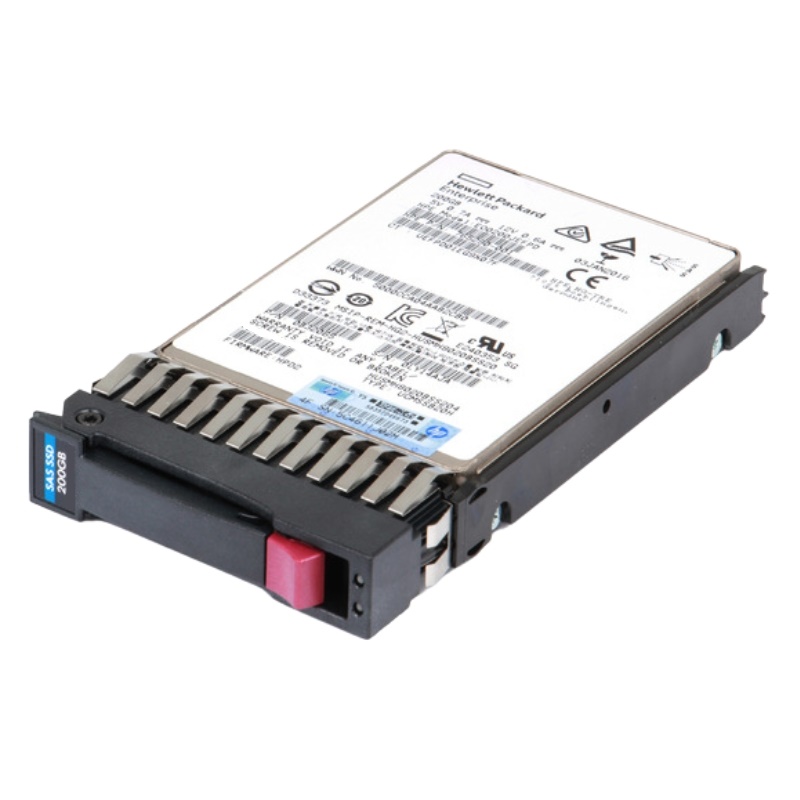


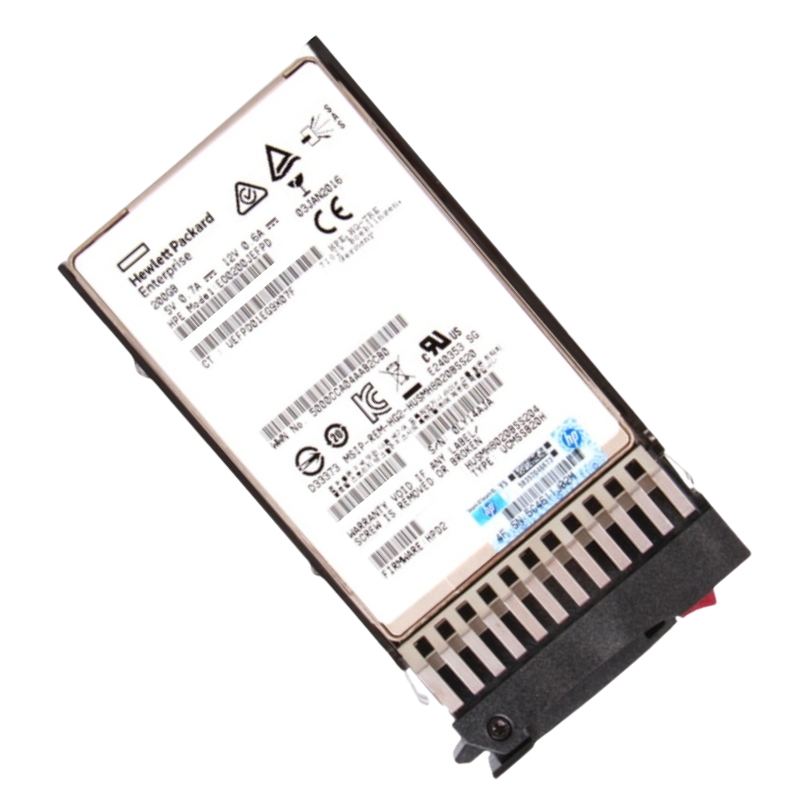
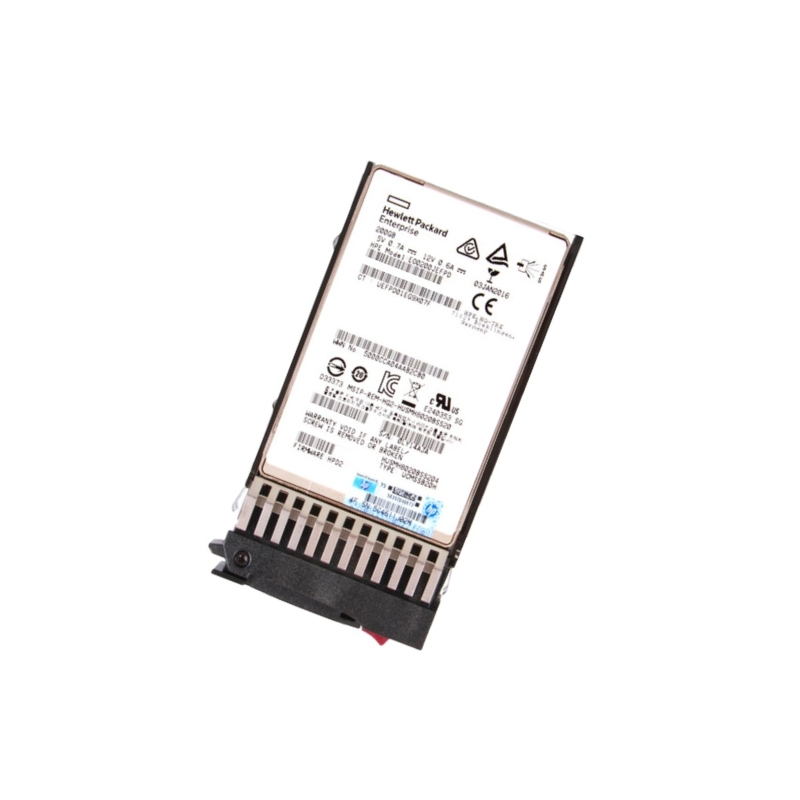
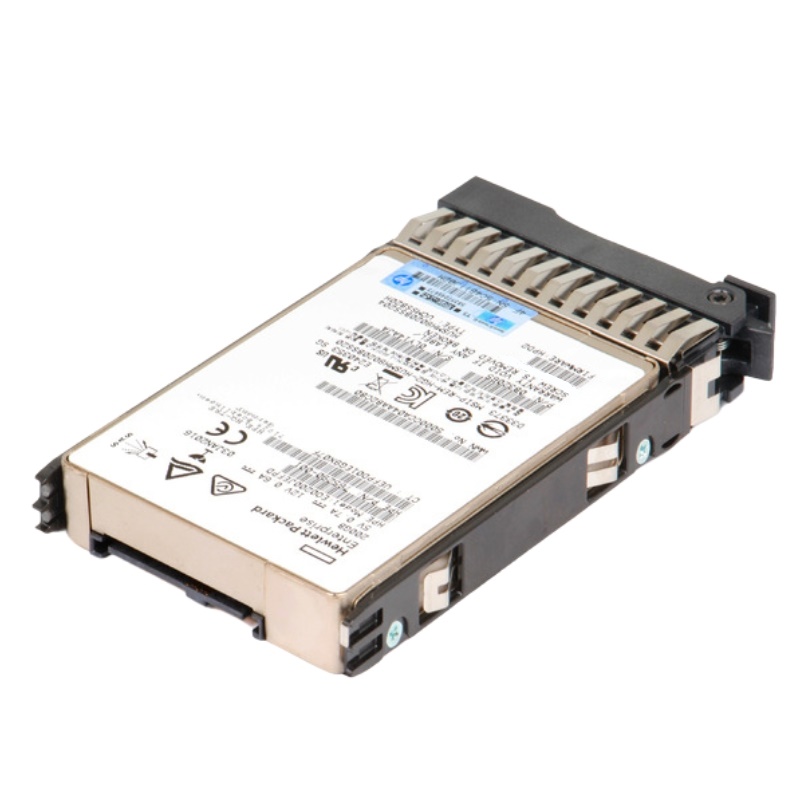
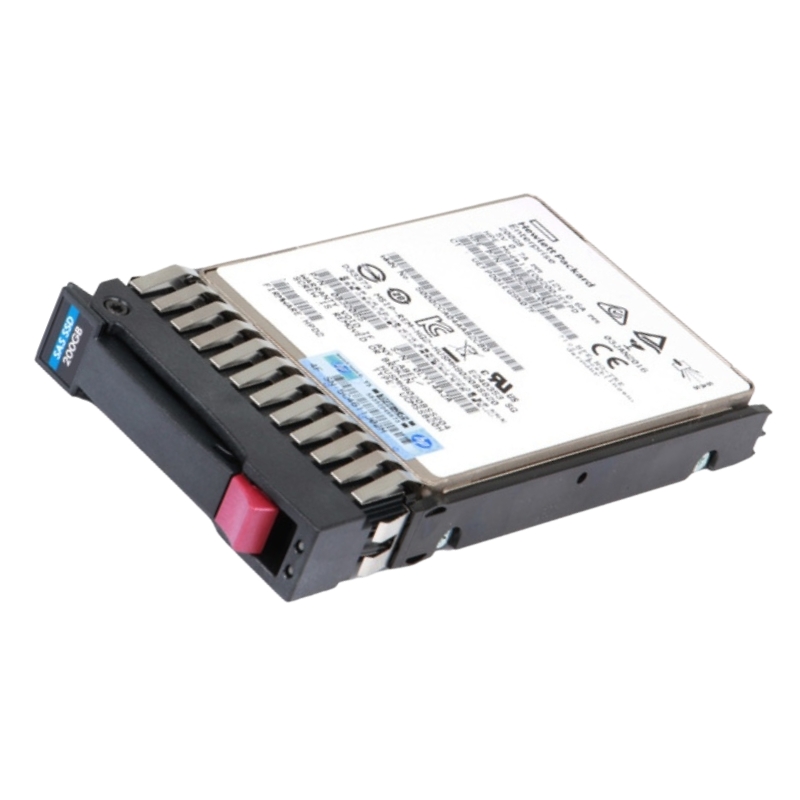
HPE 779162-B21 200GB MLC SAS-12GBPS Mainstream Endurance 2.5-Inch Internal with Smart Carrier SSD. Excellent Refurbished with 1 year replacement warranty
The HPE 779162-B21 200GB MLC SAS 12Gbps Mainstream Endurance 2.5-inch Internal SSD category encompasses enterprise-grade 2.5-inch solid-state drives designed for business-critical servers, storage arrays, and high-availability systems. These SSDs combine the performance advantages of solid-state media with the compatibility and manageability required by enterprise storage environments. Typical characteristics of this category include a SAS 12Gb/s interface, multi-level cell (MLC) NAND flash optimized for mainstream endurance, and form-factor compatibility with standard 2.5-inch drive bays used in HPE servers and generic enterprise chassis.
Drives in this category are engineered to provide a balance of performance, endurance, and total cost of ownership (TCO). Key attributes include:
Interface: SAS 12Gb/s (Serial Attached SCSI) for high-throughput, enterprise-class connectivity and dual-port options on some models for redundancy and multipath I/O.
NAND Type: MLC (Multi-Level Cell) flash configured for mainstream endurance—optimizing write endurance and cost per GB compared to high-endurance SLC or eMLC and lower-cost TLC/QLC consumer drives.
Form Factor: 2.5-inch (commonly 15mm or 7mm caddies depending on server); compatible with HPE drives caddies and many universal 2.5" sleds.
Capacity Class: 200GB class — often used for caching tiers, metadata stores, boot volumes, or latency-sensitive workloads with moderate write intensity.
Endurance Rating: Mainstream Endurance — suitable for a wide range of enterprise workloads where balanced endurance and cost are needed (virtualization, database acceleration, read-mostly OLTP, web front ends).
Power and Thermal: Enterprise drives include power-loss protection mechanisms and thermal throttling behavior that integrates with server management to protect data integrity and maintain uptime.
The SAS 12Gb/s interface (often marketed as 12Gb/s SAS) provides enterprise-grade connectivity with features designed for data center resilience. SAS supports full-duplex communication, enterprise-level command queuing, and advanced error recovery mechanisms. Compared to SATA, SAS drives typically offer:
Better command queuing and command prioritization for heavy multi-threaded workloads.
Dual-port capability on some enterprise drives for redundancy and multipath configurations (important for SAN and server-storage interconnects).
Stronger compatibility with enterprise RAID controllers and HBA cards common in HPE ProLiant servers and storage enclosures.
The category uses MLC NAND, which stores two bits per cell. MLC offers a middle ground between cost and endurance: more durable than TLC/QLC in write-intensive applications, but less expensive than single-level cell (SLC) or enterprise eMLC options. “Mainstream Endurance” indicates that the drive is rated to handle regular enterprise workloads but is not targeted at the highest possible write-cycles use cases (e.g., heavy logging or write-intensive caching where eMLC/SLC is preferred).
Drive Writes Per Day (DWPD): How many full-drive writes are permissible each day during the warranty period.
Total Terabytes Written (TBW): Cumulative endurance limit over the drive lifetime.
MTBF (Mean Time Between Failures): A statistical reliability indicator used by procurement teams.
This category adheres to the 2.5-inch form factor used in modern server trays. When planning procurement or upgrades, confirm the following:
Physical height (7mm vs 15mm) to ensure sled/caddy compatibility.
SAS connector pinout and backplane compatibility (12Gb/s capable backplanes are required to achieve full throughput).
HPE-specific firmware and drive SKU match for integrated systems to avoid support surprises.
In typical enterprise practice, a 12Gbps SAS interface offers higher headroom than 6Gbps SATA drives. The practical, sustained throughput depends on controller overhead, queue depth, workload characteristics (random vs sequential I/O), and mixed read/write ratios. Expect dramatic latency improvements versus nearline HDDs; consistent sub-millisecond read latencies and low single-digit millisecond write latencies are achievable under normal operating conditions.
These 200GB MLC SAS SSDs excel at:
High-random-read workloads (web servers, boot images, VM OS disks).
Mixed read/write OLTP workloads when augmented by RAID and write-back cache strategies.
Metadata or caching tiers in hybrid arrays where small capacity but high-performance SSDs accelerate larger HDD pools.
Enable appropriate RAID levels (RAID 10 for write-heavy workloads to balance redundancy and performance; RAID 1 for small installations).
Use controller write-back caching with battery or capacitor-backed cache enabled to maximize write throughput while retaining data protection.
Monitor drive temperature; thermal throttling can reduce sustained performance in densely packed enclosures.
Keep firmware up to date to take advantage of performance and reliability improvements released by the drive vendor or HPE OEM firmware builds.
Enterprise SAS SSDs often include onboard power-loss protection (PLP) circuitry—supercapacitors or similar mechanisms—that flush in-flight data from volatile DRAM caches to NAND if an unexpected power interruption occurs. This protects metadata and ensures filesystem integrity when paired with compatible server power systems.
HPE-compatible drives typically offer firmware versions tuned for HPE controllers and management stacks. Use vendor-recommended firmware to ensure:
Accurate S.M.A.R.T. reporting and secure erase capabilities.
Compatibility with HPE iLO, array management tools, and storage controller utilities.
Predictable behavior under RAID rebuilds and background garbage collection.
Enterprises should collect S.M.A.R.T. metrics and health telemetry to anticipate drive wear-out and schedule replacements before failures occur. Integration with HPE management tools simplifies large-scale monitoring and predictive maintenance.
Before deploying drives from this category into production, verify compatibility across:
Server model and firmware revisions (ProLiant generations may have different validated lists).
Storage array enclosure backplane capabilities (12Gb/s support).
RAID controller firmware and driver support in the host OS.
Physically seat the drive into the HPE caddy and ensure the drive is secured in the server sled to avoid vibration-related issues.
Update HPE server firmware and firmware for RAID controllers before drive-level firmware updates to prevent incompatibilities.
Run a quick self-test or surface scan after initial installation to detect early manufacturing defects or shipping damage.
Set up monitoring and alerting for temperature, SMART thresholds, and predictive failure signals.
Choosing the right RAID level depends on availability vs performance needs:
RAID 10 — Recommended for mixed read/write workloads and environments prioritizing both performance and redundancy.
RAID 5/6 — Use with caution for SSDs of this class; rebuild times are shorter than HDDs but still significant during heavy write loads. Ensure RAID controller and firmware support SSD-friendly rebuild algorithms.
RAID 1 — Suitable for small-capacity boot volumes or critical system partitions that require mirroring.
NVMe drives deliver lower latency and higher parallelism through PCIe, but SAS 12Gbps SSDs remain relevant when:
The existing infrastructure relies on SAS backplanes and HPE validated components.
Compatibility with legacy RAID controllers or SAN architectures is required.
Cost per usable GB and predictable enterprise management are prioritized over absolute peak IOPS.
SAS SSDs commonly outperform SATA in multi-initiator environments and provide stronger enterprise features (dual-port capability, clearer vendor support for RAID controllers). When full SAS backplane integration is available, SAS SSDs are the natural fit.
MLC remains a good compromise: more write endurance than TLC/QLC for enterprise uses, and lower cost than SLC/eMLC. For write-heavy logging workloads, consider higher endurance variants; for read-mostly acceleration tasks, MLC mainstream endurance is typically cost-effective.


 Contact Us
 Information
 Catalog
 Solid State Drives (SSD)
 Network Switches
 Hard Disk Drives
 HBA & Controllers
 PC & Servers
 PC & Server Memory
 CPU & Processors
 Network Routers
 Power Supplies
 Tape Drives & Libraries
 Network Devices
 Computer & Network Cables