(7% discount is applied at checkout)
Cart is empty
Your go-to destination for cutting-edge server products
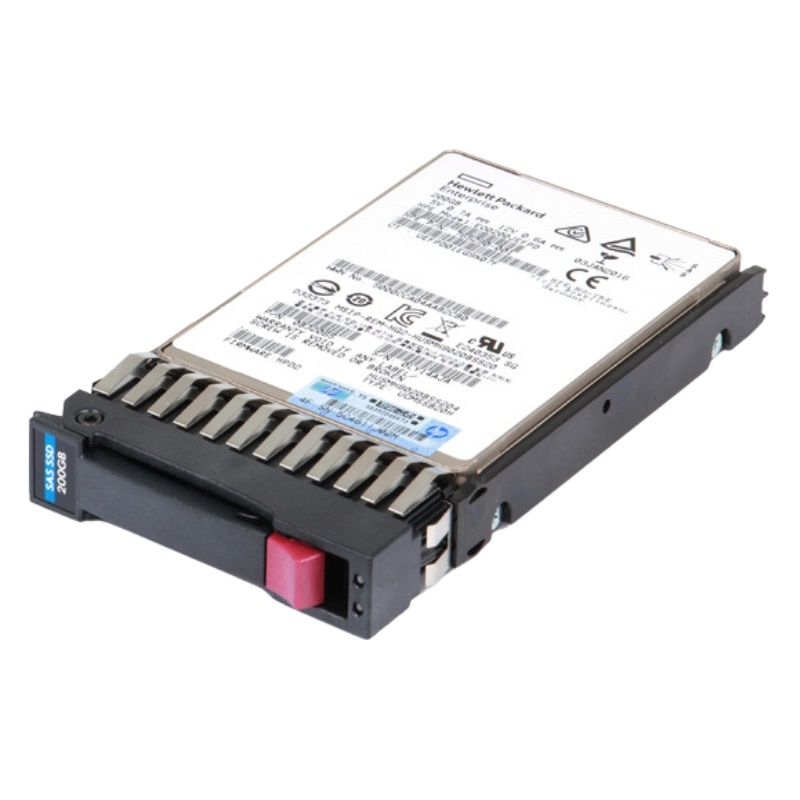


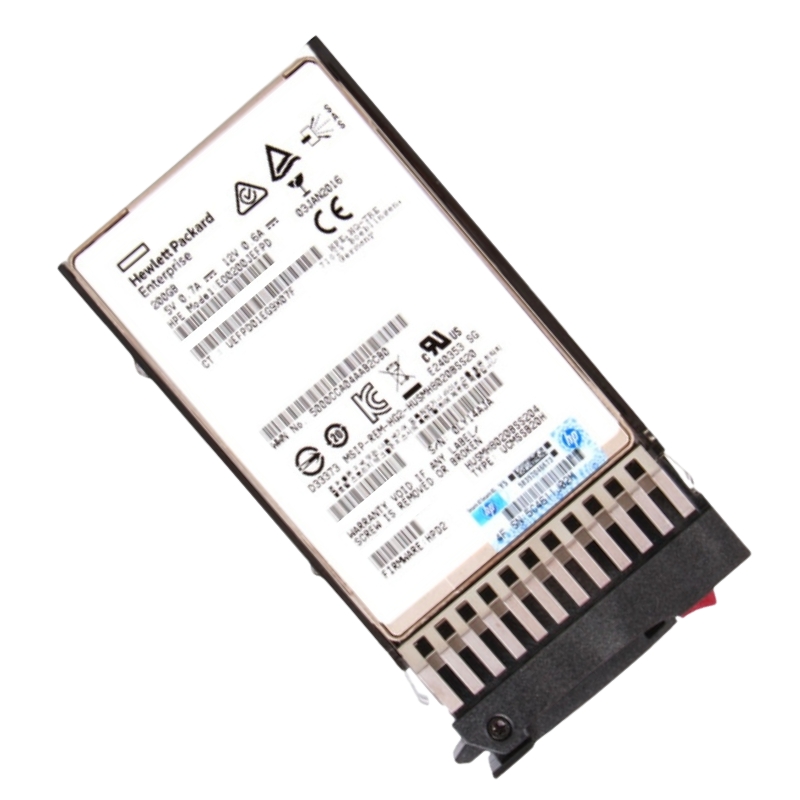
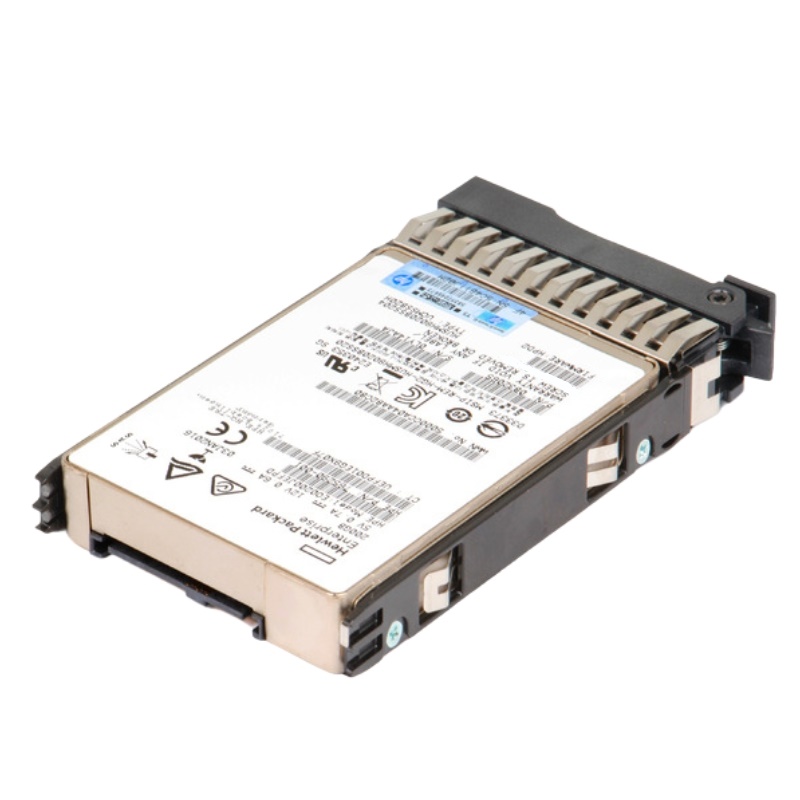
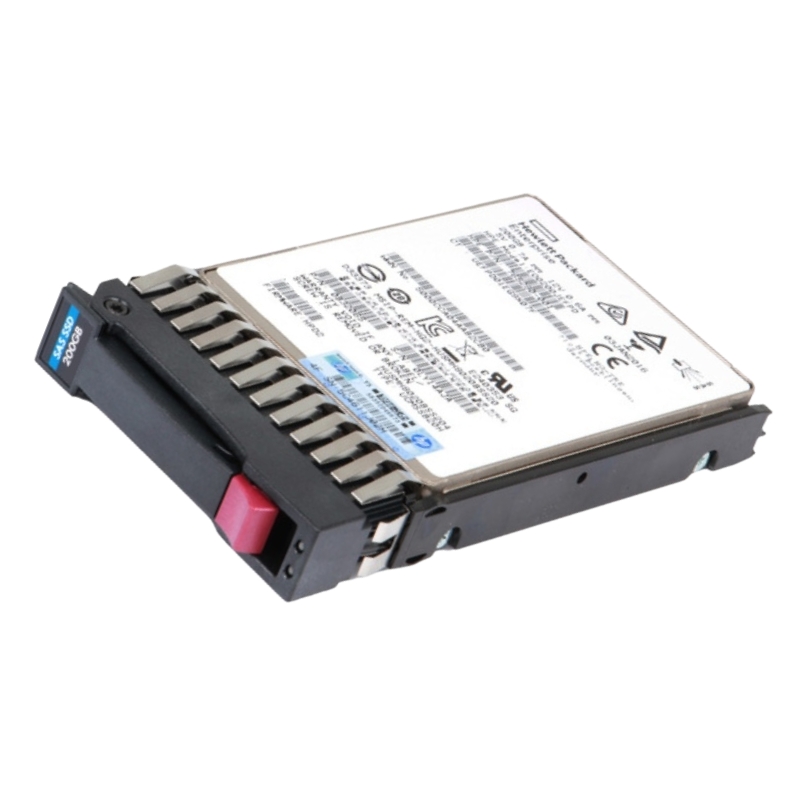
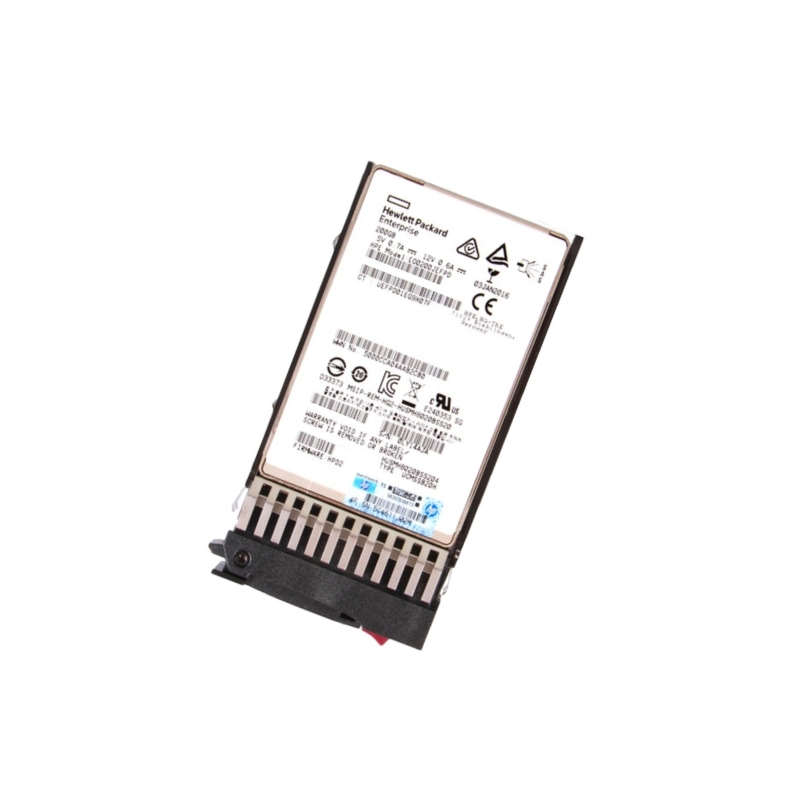
HPE 780429-001 200GB MLC SAS 12Gbps Mainstream Endurance 2.5-inch Internal Solid State Drive for ProLiant DL360 Gen9. Excellent Refurbished with 1 year replacement warranty
The HPE 780429-001 is a high-performance internal solid-state drive engineered for enterprise-grade reliability and speed. Designed specifically for ProLiant DL360 Gen9 servers, this 2.5-inch MLC SAS SSD delivers robust mainstream endurance and blazing-fast 12Gbps data transfer rates.
Drives in this category are defined by a set of key hardware and firmware features: MLC NAND flash media, SAS 12Gbps interface (serial-attached SCSI), 2.5-inch physical form factor, and firmware tuned for enterprise workloads. The 200GB capacity point makes these SSDs ideal for system volumes, cache layers, and small-to-medium database segments. MLC (multi-level cell) NAND provides a compromise of cost-per-GB and write endurance, delivering greater durability than consumer TLC in most mixed workload scenarios while remaining less expensive than SLC or eMLC options. The SAS 12Gbps interface supports high throughput and low latency in server backplanes and RAID controllers commonly used with HPE ProLiant DL360 Gen9 servers.
The 2.5-inch form factor conforms to standard server drive bays used in 1U and 2U systems, maximizing front-panel density for blade-like server chassis such as the DL360 Gen9. The SAS 12Gbps interface ensures compatibility with enterprise-class HPE RAID controllers and HBAs that support SAS lanes, dual-port redundancy, and multipath configurations. For environments that require hot-swapping, these drives are designed to be inserted and removed while the server remains running, provided the server's chassis and backplane support hot-swap operations.
MLC NAND in a mainstream endurance classification is tuned to balance write durability and cost. 'Mainstream endurance' indicates the drive is rated for typical enterprise write workloads — not the sustained heavy write cycles of write-intensive analytics or logging appliances, but solid for virtualization hosts, transactional web servers, and general-purpose database systems. This class of drives enables organizations to provision performance and capacity without the premium associated with extreme endurance drives, while still benefiting from enterprise features such as power-loss protection and robust error correction.
When deploying HPE 780429-001 SSDs, ensure controller, firmware, and chassis compatibility with HPE ProLiant DL360 Gen9 servers. These drives are engineered to function with HPE-certified RAID controllers and Smart Array firmware levels that understand SAS 12Gbps signaling and support SSD-specific command sets (like TRIM and UNMAP equivalents in enterprise SAS implementations). Using vendor-certified drive firmware and HPE support matrices reduces potential compatibility issues and enables firmware-level features such as drive health reporting, predictive failure analytics, and integration with HPE iLO and OneView management platforms.
The physical slot and backplane on the DL360 Gen9 are designed for hot-pluggable 2.5-inch SAS drives. Confirm that the server's backplane supports 12Gbps operation and that any interposing expanders or backplane firmware are up to date. In configurations where mixed drive speeds exist (e.g., mixing 6Gbps and 12Gbps drives), performance may be negotiated down to the lower link speed so for mission-critical performance, standardize on 12Gbps-rated components where possible.
Performance in this category centers on consistent IOPS delivery, low latency, and predictable throughput under mixed read/write loads. The SAS 12Gbps interface ensures headroom for sustained I/O bursts, while enterprise SSD firmware optimizes garbage collection and wear leveling to minimize latency spikes. Administrators can tune performance through RAID selection, write-back cache settings, queue depth adjustments, and proper alignment of volumes and file systems.
Choosing the right RAID level has a major impact on usable capacity, performance, and fault tolerance. RAID 1 and RAID 10 deliver strong random I/O performance and fast rebuild times at the cost of reduced usable capacity. RAID 5 and RAID 6 increase usable capacity but introduce parity calculation overhead and longer rebuild times, which can affect write performance. For SSD arrays used as primary storage or datastore for virtual machines, RAID 10 often provides the best balance of performance and resilience with mainstream endurance SSDs.
Keep SSD and controller firmware current to benefit from reliability and performance updates. Configure write cache policies after verifying power-loss protection; if the controller supports battery- or capacitor-backed write cache, enabling write-back caching can dramatically improve write performance. Without adequate power-loss protection, write-back caching carries data risk; consult HPE guidance for recommended settings for ProLiant DL360 Gen9.
Enterprise SDS (solid-state drive) categories like the HPE 780429-001 include features for predictable reliability: robust ECC algorithms, wear-leveling, bad-block management, and SMART-like attributes exposed via SAS protocols. Integrate drive health monitoring with HPE iLO, OneView, or your enterprise monitoring stack to proactively track metrics such as media wear percentage, power-on hours, temperature, error counts, and predicted remaining life. Plan for lifecycle replacement before drives reach their end-of-life thresholds to avoid unexpected failures in production systems.
Ensure monitoring systems poll drive SMART values and vendor-specific attributes. Set alerts for accelerating reallocated sector counts, rising uncorrectable error counters, or abrupt changes in media wear. Predictive failure notifications should trigger a pre-emptive replacement workflow that preserves uptime by using hot-spare drives and maintaining RAID redundancy during replacement.
Proper installation procedures improve reliability and reduce human error. Use static-safe handling practices, confirm part numbers and firmware compatibility before insertion, and follow HPE mechanical insertion guides for the DL360 Gen9 chassis. Label drives and log serial numbers and firmware levels to maintain traceability. When inserting into populated arrays, allow time for the controller to perform a full re-scan and rebuild where applicable.
Keep at least one or more compatible hot-spare drives in the chassis or rack to ensure immediate replacement if a drive fails. For higher resilience, configure global hot-spares or per-array hot-spares depending on RAID controller capabilities and the scale of your deployment.
Firmware management is essential for security, performance, and compatibility. HPE typically validates specific firmware revisions for ProLiant server platforms. Before updating drive firmware, review HPE release notes and compatibility matrices. Test updates in a staging environment and ensure you have machine images and backups in case rollback is necessary. Note that vendor support may require that servers run drives with HPE-supported firmware to maintain warranty and support entitlements.
In storage planning, allocate SSD capacity considering usable space after RAID overhead and operational reserves. For example, in RAID 10, usable capacity is roughly half of raw capacity; in RAID 6 with dual parity, the usable fraction depends on the number of spindles. Include buffer capacity for wear-leveling and over-provisioning which affects performance and lifespan. Consider using SSDs in tiered architectures where hot data is placed on SSDs and colder data resides on high-capacity HDDs or lower-cost SATA SSDs.
Manufacturers often ship drives with factory over-provisioning to balance performance and endurance. In addition to the built-in over-provisioning, administrators can reserve additional space at the RAID or filesystem layer to preserve write performance as drives age. Avoid filling the drive to maximum capacity to prevent performance degradation due to increased garbage-collection activity.
Enterprise SSDs often support security features that matter for regulated environments: secure erase capabilities, support for hardware encryption when paired with compatible controllers, and secure disposal workflows. If regulatory compliance requires encryption-at-rest, combine HPE-certified self-encrypting drives (SEDs) or controller-based encryption to meet your security policy. If the specific model in this category is not SED-capable, use host- or controller-level encryption options.
When decommissioning or repurposing drives, use vendor-approved secure erase tools or HPE utilities that trigger cryptographically secure wipes where supported. Document the wipe operations and maintain chain-of-custody logs for environments with strict data-retention and disposal policies.
Explore resources on RAID best practices, HPE Smart Array configuration, SSD lifecycle management, and ProLiant DL360 Gen9 hardware guides to get the most from your deployment. Cross-reference HPE support matrices and firmware release notes prior to upgrades or large-scale purchases to ensure a smooth operational experience.


 Contact Us
 Information
 Catalog
 Solid State Drives (SSD)
 Network Switches
 Hard Disk Drives
 HBA & Controllers
 PC & Servers
 PC & Server Memory
 CPU & Processors
 Network Routers
 Power Supplies
 Tape Drives & Libraries
 Network Devices
 Computer & Network Cables