Your go-to destination for cutting-edge server products
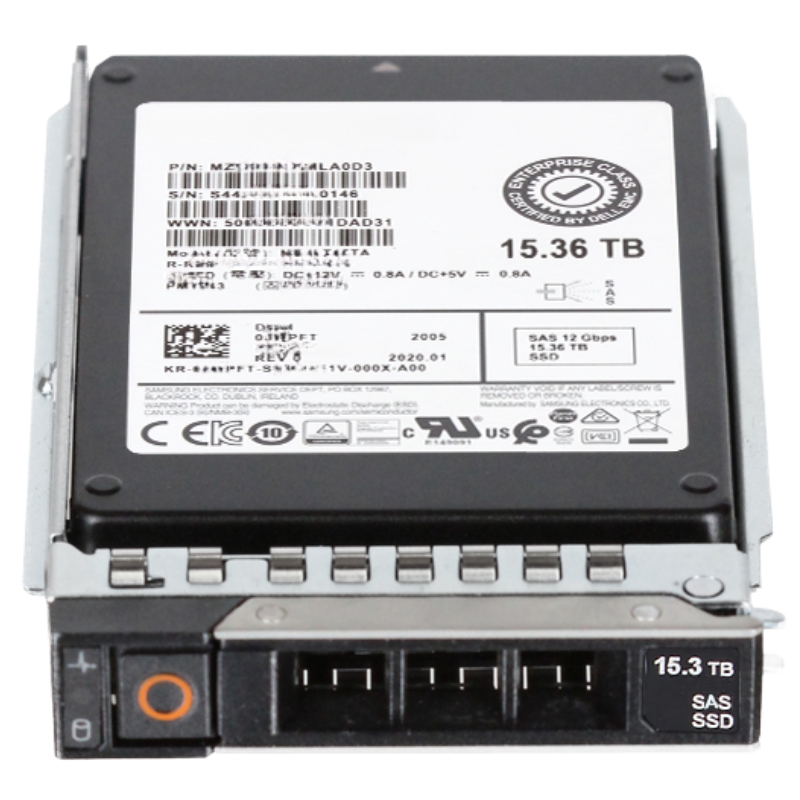
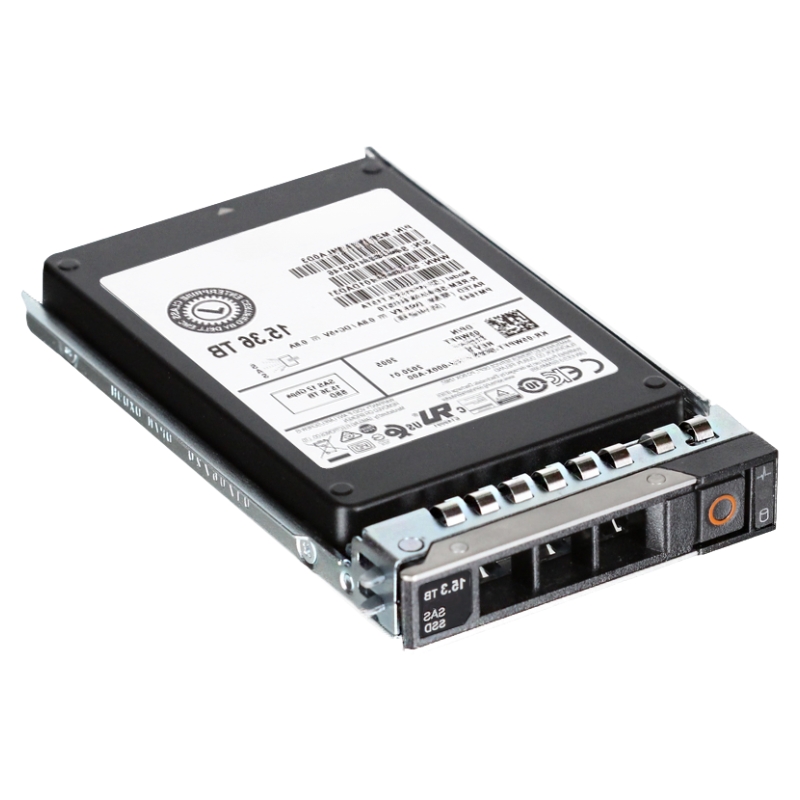
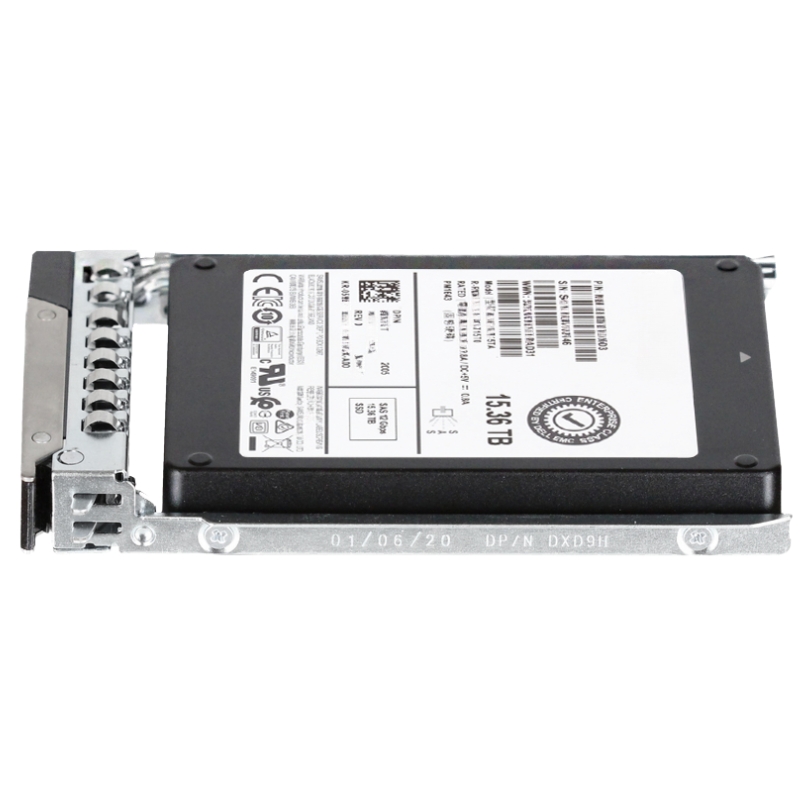
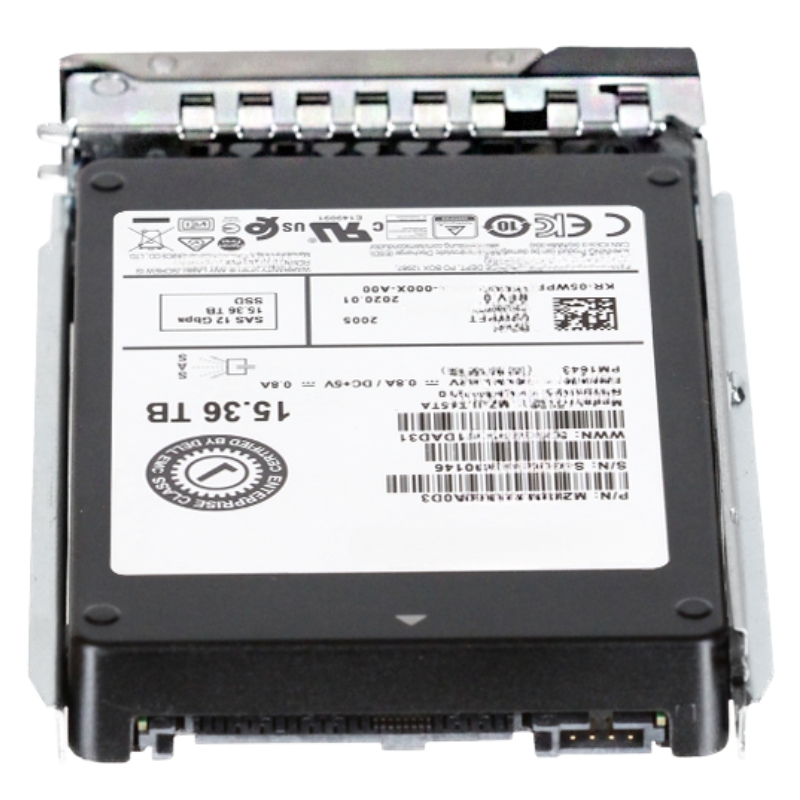
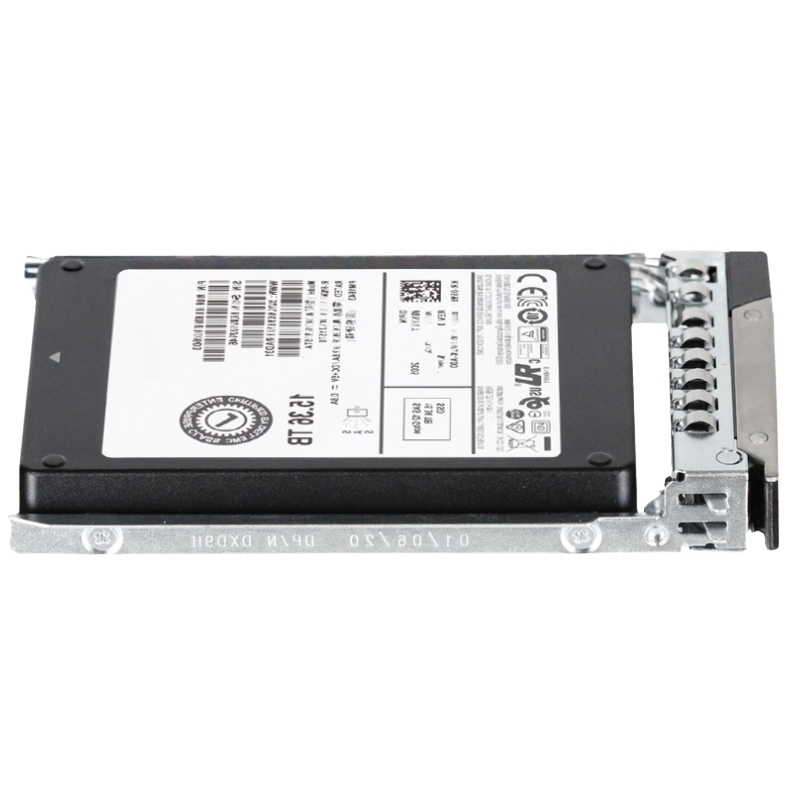
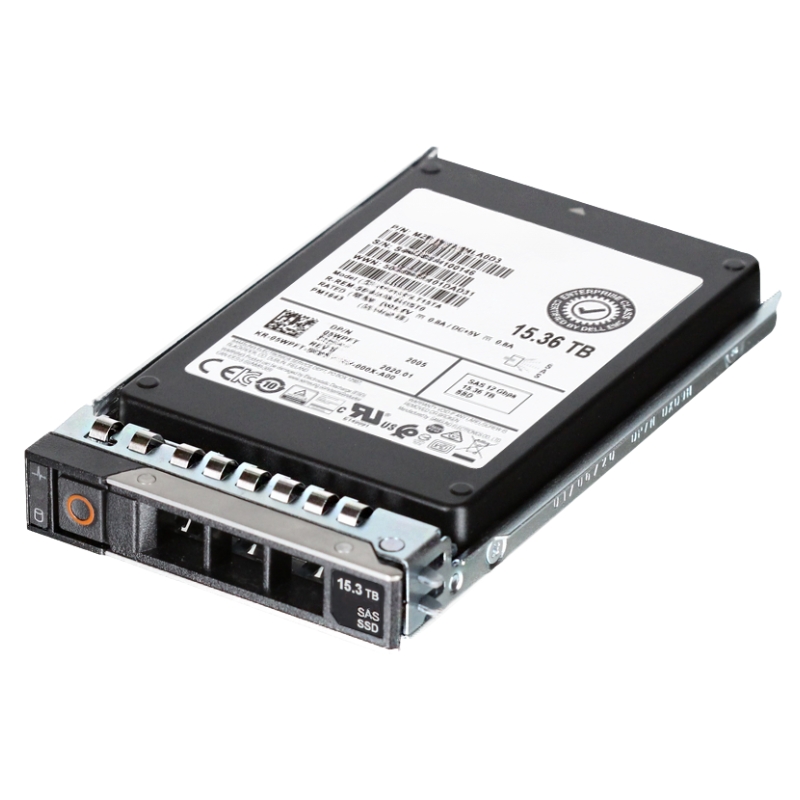
118000865 EMC 15.36TB SAS 12Gbps Pm1643a 2.5inch Enterprise Internal Solid State Drive

118000865
* Product may have slight variations vs. image
Hover on image to enlarge

Brief Overview of 118000865

EMC 118000865 15.36TB SAS 12Gbps Pm1643a 2.5inch Enterprise Internal Solid State Drive. Excellent Refurbished with 1 year replacement warranty

$2,220.75
$1,653.00
You save: $567.75 (26%)
Ask a question
Price in points: 1653 points
+
Quote

Additional 7% discount at checkout

SKU/MPN118000865Availability✅ In StockProcessing TimeUsually ships same day ManufacturerEMC Product/Item ConditionExcellent Refurbished ServerOrbit Replacement Warranty1 Year Warranty
Google Top Quality Store Customer Reviews
Our Advantages
Payment Options
  • — Visa, MasterCard, Discover, and Amex
  • — JCB, Diners Club, UnionPay
  • — PayPal, ACH/Bank Transfer (11% Off)
  • — Apple Pay, Amazon Pay, Google Pay
  • — Buy Now, Pay Later - Affirm, Afterpay
  • — GOV/EDU/Institutions PO's Accepted 
  • — Invoices
Delivery
  • — Deliver Anywhere
  • — Express Delivery in the USA and Worldwide
  • — Ship to -APO -FPO
  • For USA - Free Ground Shipping
  • — Worldwide - from $30
Description

Product Overview of the 15.36TB SAS SSD 

The EMC 118000865 is a high-capacity enterprise-grade solid state drive engineered for demanding workloads. Designed for mission-critical applications, this 15.36TB SAS SSD ensures exceptional performance, durability, and scalability within modern data environments.

Main Specification

  • Brand: EMC
  • Manufacturer Part Number: 118000865
  • Product Family: Enterprise SSD Series
  • Part number / SKU: EMC 118000865

Technical Feature

  • Capacity: 15.36TB (raw)
  • Interface: SAS 12Gbps
  • Form factor: 2.5-inch
  • Endurance: Manufacturer TBW / DWPD rating
  • Power consumption: Active and idle power figures
  • Operating temperature: Specified range for data centers
  • Warranty: Years and service terms

High-Performance

Engineered to meet enterprise requirements, this EMC SSD delivers consistent speed and reliability. With a SAS 12Gbps interface, it enables faster data throughput, ensuring high availability and minimal latency in storage-intensive applications.

Drive Advantages

  • Large 15.36TB storage for massive data handling
  • Compact 2.5-inch form factor for space optimization
  • SAS 12Gbps interface for accelerated transfer speeds
  • Built for enterprise reliability and endurance
  • Suitable for virtualization, cloud storage, and data centers

Use Cases 

The EMC 118000865 SSD supports diverse enterprise workloads requiring high performance and reliability. It is suitable for:

Data-Centric Workloads

  • High-volume transactional databases
  • Big data analytics and data warehousing
  • Business intelligence applications

Virtualization & Cloud Environments

  • VDI solutions with heavy I/O operations
  • Private and hybrid cloud infrastructures
  • High-density server deployments

Enterprise-Grade Reliability

This SSD provides superior endurance and enhanced fault tolerance, making it dependable for organizations requiring uninterrupted operations and maximum uptime.

Capacity planning and density advantages

The 15.36TB capacity point is aimed at organizations seeking to maximize usable capacity per drive bay while retaining the performance benefits of flash. Using high-capacity 2.5-inch SSDs reduces the number of drives per server or shelf, which simplifies cabling, reduces power and cooling overhead per terabyte, and can lower total cost of ownership (TCO) by consolidating storage density.

Space, power, and thermal efficiency

Deploying fewer high-capacity SSDs instead of many smaller drives reduces drive-count overhead in racks. Advantages include:

  • Lower power draw per TB versus legacy HDD-heavy configurations.
  • Reduced cooling requirements in rack environments.
  • Simplified drive management, firmware updates, and spare handling.

Enterprise reliability and durability factors

Reliability is a central consideration for EMC 118000865-class drives. These SSDs are built to survive 24/7 operations and often include enterprise features such as power-loss protection, end-to-end data path protection, advanced error correction, and conservative write amplification strategies.

Endurance metrics (DWPD and TBW)

Manufacturers of enterprise-class drives publish endurance metrics such as Drive Writes Per Day (DWPD) or Terabytes Written (TBW) over warranty life. When evaluating drives in this category, focus on:

  • Guaranteed DWPD for the warranted period — indicates how many full-drive writes per day are supported.
  • TBW rating — cumulative write volume covered by warranty.
  • Workload assumptions behind endurance ratings (random vs sequential, block size, overprovisioning used).

MTBF and data integrity

Mean Time Between Failures (MTBF) and uncorrectable bit error rate (UBER) figures signal expected longevity and data fidelity. Enterprise parts typically specify high MTBF values and implement in-drive technologies to detect and recover from errors before they surface to host systems.

Compatibility 

Because this category uses the SAS 12Gbps interface and 2.5" form factor, compatibility with a wide range of servers, storage arrays, and disk backplanes is generally strong. Nonetheless, always verify firmware compatibility, chassis support for high-capacity drives, and any vendor-specific requirements or interlocks.

Controller and firmware compatibility

Enterprise SSD behavior is heavily influenced by host controllers and firmware. Before purchasing or installing:

  • Confirm SAS controller/HBA drivers support the specific drive model and capacity.
  • Check for BIOS/UEFI and backplane compatibility with 15.36TB devices (some older systems may not recognize extremely large single-drive capacities without updates).
  • Validate firmware versions — some storage vendors issue recommended/required firmware to ensure interoperability with their arrays.

Hot-swap and serviceability

Enterprise internal SSDs are intended for hot-swap service in modern server environments. Ensure that your chassis or sled supports safe removal and insertion, and that your operations playbook includes handling guidance for firmware updates, secure erase, and secure disposal.

Configuration, RAID, and data protection strategies

Incorporating EMC 118000865-class SSDs into RAID sets or erasure-coded pools requires careful planning. The high capacity of each drive affects rebuild durations and the resources consumed during resilvering. Plan for:

  • RAID levels that balance capacity, performance, and redundancy (e.g., RAID-6, RAID-10, erasure coding for object stores).
  • Rebuild time minimization tactics — e.g., increasing parallelism for rebuilds or provisioning spare capacity to reduce stress.
  • Monitoring of drive health to preempt failures and schedule maintenance during low-impact windows.

Rebuild impact and best practices

Large-capacity drives increase the amount of data that must be reconstructed after a failure. Use practices such as:

  • Proactive health monitoring (SMART, telemetry) to retire drives before catastrophic failure.
  • Staggering firmware updates and rebuilds to avoid simultaneous performance dips across the cluster.
  • Testing rebuild scenarios in a lab environment to understand the recovery profile for your specific workload.

Data sanitization best practices

Use vendor-recommended secure erase procedures when decommissioning drives, and consider physical destruction only for the highest sensitivity data. Maintain records of secure-erasure operations to support audit requirements.

Comparisons and alternatives

For buyers deciding between high-capacity SAS SSDs and other options, consider the following comparisons:


High-capacity SAS SSDs vs. smaller NVMe SSDs

  • Capacity per bay: SAS drives excel at maximizing TB per bay; NVMe often emphasizes raw performance per drive.
  • Compatibility: SAS integrates with a wider range of existing enterprise arrays; NVMe may require NVMe-capable backplanes and drivers.
  • Cost profile: NVMe can be costlier per TB for the highest capacities but offers superior latency for select workloads.

High-capacity SAS SSDs vs. HDD-based tiers

  • Performance: SSDs deliver far lower latency and higher IOPS compared to HDDs.
  • Power and cooling: SSDs are more power-efficient on a per-TB basis at scale.
  • Cost per TB: HDDs still generally win for raw cost per TB, but the TCO comparison shifts when accounting for performance benefits and consolidation.
Features
Product/Item Condition:
Excellent Refurbished
ServerOrbit Replacement Warranty:
1 Year Warranty