(7% discount is applied at checkout)
Cart is empty
Your go-to destination for cutting-edge server products
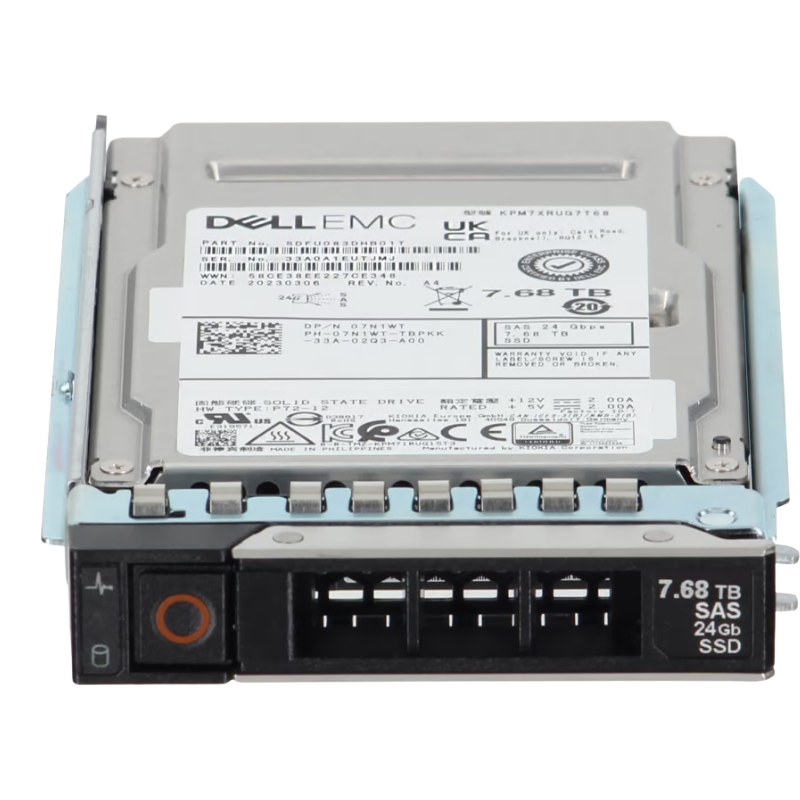


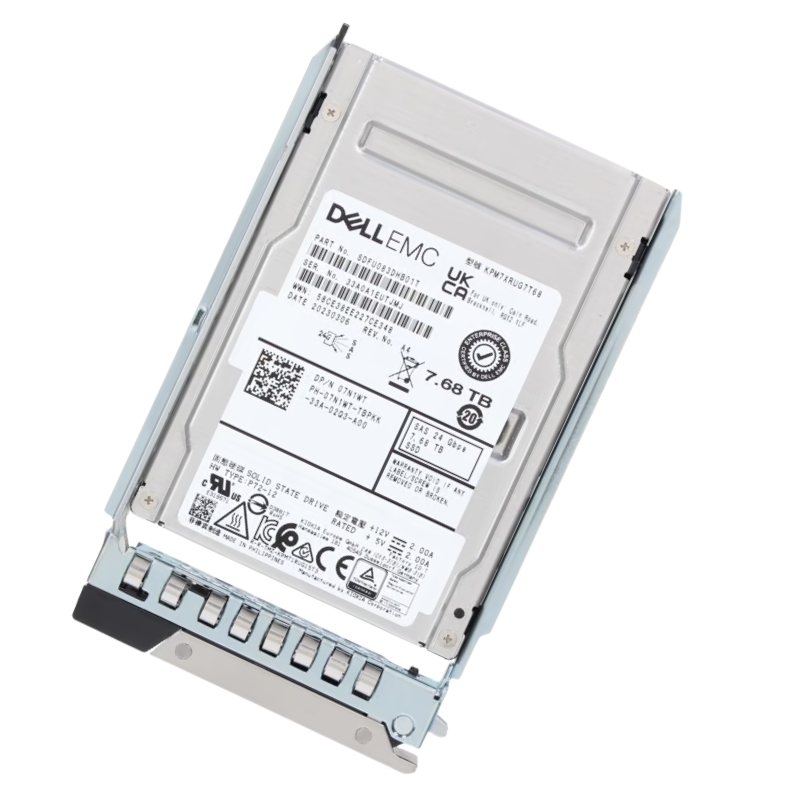
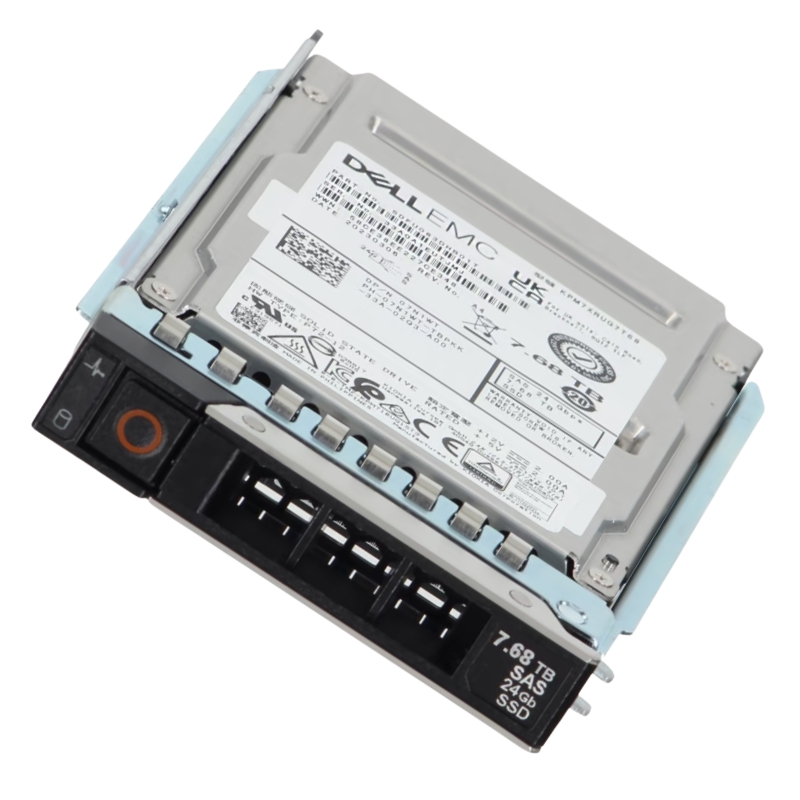
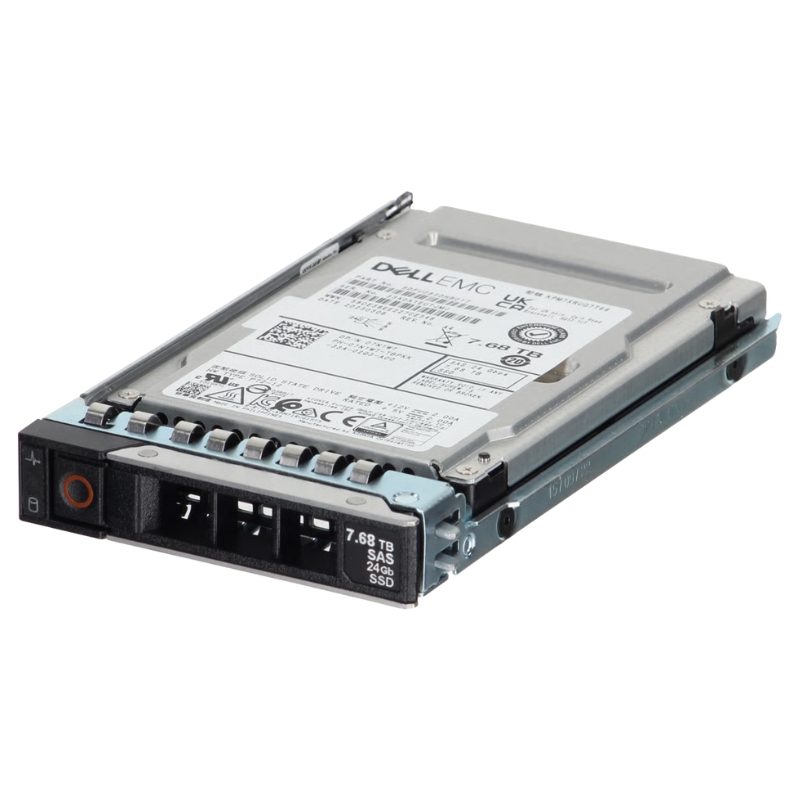
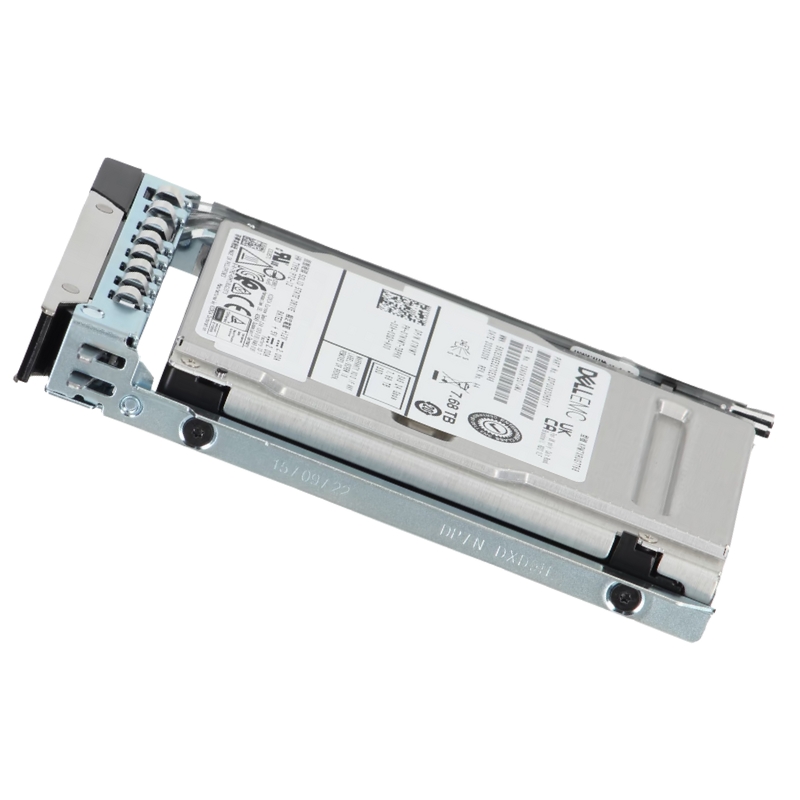
Dell 345-BFDN 7.68TB Self Encrypting Sed SAS 24GBPS Read Intensive 1DWPD TLC 2.5Inch Enterprise Class Solid State Drive. New Sealed in Box (NIB) with 1 year Warranty - Call
The Dell 345-BFDN 7.68TB Self-Encrypting SED SAS 24Gbps Read-Intensive 1DWPD TLC 2.5" SFF Enterprise Solid State Drive represents a purpose-built storage solution for modern data centers that run Dell EMC PowerEdge platforms. Engineered for read-intensive workloads and optimized for consistent low latency, this enterprise-class drive combines high usable capacity, hardware-based AES self-encryption, and the robustness expected from a data center optimized 24Gbps SAS interface. The drive’s 2.5-inch small form factor fits the dense server bays of PowerEdge 14th, 15th and 16th generation systems, providing a balance of performance, security and endurance for applications where read throughput and data protection are priorities.
At the heart of the Dell 345-BFDN is a 7.68TB raw capacity built on triple level cell (TLC) NAND flash with 512e logical sector emulation. The drive supports SAS 24Gbps signaling which, when paired with enterprise SAS backplanes and HBAs, enables efficient high-throughput operations and resilience under mixed I/O. Rated as read-intensive with a 1 drive write per day (1DWPD) endurance class, this SSD is ideal for workloads that demand many reads but comparatively fewer writes across the lifecycle, such as virtual desktop infrastructures, database read replicas, content delivery, web serving and capacity-oriented caching layers.
The "Self-Encrypting Drive" or SED capability is hardware-based and leverages AES encryption engines to secure data at rest with minimal performance overhead. Because encryption is handled within the controller, enterprises avoid the additional processing burden on host CPUs and eliminate complex software-based encryption stacks without sacrificing compliance. In regulated industries where safeguarding data is mandatory, integrated SED features allow administrators to implement cryptographic erase and rapid decommissioning workflows that reduce data remanence risk and accelerate device retirement.
This SSD is tuned for consistent low-latency read operations across a wide queue depth range. In real-world deployments, the 24Gbps SAS link reduces queuing bottlenecks and allows storage controllers to more effectively pipeline commands, improving sustained read throughput on multi-tenant and virtualized hosts. Because the NAND is TLC optimized for enterprise usage, the controller firmware applies sophisticated wear leveling, read disturbance management and overprovisioning strategies to sustain predictable performance over extended service intervals.
Latency under mixed workloads typically remains low due to the drive’s internal parallelism and native SAS features such as NCQ and domain validation. For read-heavy database queries and content serving, users will notice improved response times versus spinning media and even some legacy SSDs designed for mixed use. For throughput-sensitive tasks, pairing these drives in RAID or erasure coding configurations within a Dell EMC array delivers scalable bandwidth while maintaining the inherent benefits of hardware-level encryption and enterprise SLAs.
Although classified as read-intensive at 1DWPD, the underlying enterprise TLC NAND combined with a robust controller and enterprise firmware provides a safety margin that helps absorb write bursts and transient spikes. The drive implements advanced error correction, background data integrity checks, and spare area management to preserve data fidelity across the lifecycle. Mean time between failures (MTBF) metrics and enterprise grade validation testing give procurement teams the confidence needed when deploying at scale.
Moreover, the drive includes power-loss protection mechanisms that protect in-flight data and reduce the risk of media corruption during unexpected outages. For mission-critical workloads where uptime and data integrity are non-negotiable, this combination of endurance, integrity features and proven enterprise validation makes the drive a pragmatic choice for primary read tiers, secondary tiers, and certain archival applications that require both capacity and speed.
Data security is built into the physical layer with the Dell 345-BFDN’s SED functionality. The drive employs AES-256 or AES-128 encryption at the controller level, ensuring all user data written to NAND is encrypted with hardware keys that never leave the device. This removes the need to manage software encryption agents and reduces the attack surface by limiting reliance on host software and OS-level drivers. SEDs also support industry standard management commands for key management and cryptographic erase, enabling secure end-of-life handling and rapid re-provisioning of drives without exposing residual data.
For organizations subject to regulatory frameworks such as GDPR, HIPAA, PCI DSS, or other data protection regimes, hardware encryption combined with controlled key management helps satisfy technical controls related to data at rest. When integrated with Dell EMC server management tools and key management solutions, SED drives can be centrally monitored and policy-driven, simplifying audits and compliance reporting while maintaining high performance.
The physical design and SAS 24Gbps interface of the 345-BFDN ensure direct compatibility with Dell EMC PowerEdge platforms that support 2.5-inch SFF SAS drives. The drive has been validated across multiple PowerEdge generations to ensure it works seamlessly in common RAID configurations, HBA modes, and with Dell’s lifecycle controller for firmware updates. This tight integration means fewer surprises during large rollouts and predictable interoperability when combined with Dell’s storage controllers and chassis backplanes.
Integration extends beyond mechanical fit and electrical signaling; firmware compatibility and Dell’s signed firmware release cycles help maintain system stability across BIOS, firmware, and driver updates. For enterprise administrators managing fleets of servers, this results in smoother maintenance windows and reduced risk during mass firmware upgrades when using vendor-validated SSDs designed for the PowerEdge ecosystem.
Enterprises will find the Dell 345-BFDN particularly compelling in use cases where read throughput, capacity and data security are central. Typical deployments include large scale virtual desktop infrastructure pools where read amplification from boot storms and application loads benefits from low-latency read tiers, content distribution and web cache layers where read density is high, and analytical workloads where distributed read operations dominate. The drive also suits capacity-oriented caching that sits in front of slower tiers to accelerate user experiences and offload hot read operations from primary arrays.
In hybrid architectures, these SSDs can serve as the performance tier within a multi-tier storage design, bridging between NVMe or write-intensive tiers and high-capacity HDD tiers. For organizations leaning on Dell EMC’s server-based storage strategies, populating PowerEdge servers with 345-BFDN drives offers a cost-effective method to deliver secure, high-capacity read tiers without the expense of all-NVMe arrays.
Firmware management is an essential part of maintaining predictable behavior for enterprise SSDs. Dell publishes validated firmware packages and recommends that administrators apply updates through lifecycle management tools to ensure compatibility with server BIOS and RAID controller firmware. Firmware updates for the 345-BFDN may include improvements to performance heuristics, better garbage collection, enhanced wear leveling and fixes for corner case behaviors discovered during fleet operations. Following Dell’s recommended change control processes and testing firmware in staging environments prior to production rollout is a best practice that reduces operational risk.
Proactive reporting and SMART telemetry available through SAS management commands provide early indicators of drive health. Administrators can ingest these metrics into monitoring systems to enable predictive replacement strategies and minimize unscheduled downtime. When drives approach health thresholds, planned replacement and secure cryptographic erase options allow for compliant decommissioning without lengthy data wiping cycles.
The 2.5-inch small form factor of the drive allows high density in server chassis while maintaining sufficient thermal headroom when properly cooled. Enterprise SSDs such as the 345-BFDN are designed to tolerate sustained operating temperatures common in rack deployments, but correct airflow and chassis configuration remain paramount. Dense server configurations or obstructed airflow can lead to elevated drive temperatures, which may trigger thermal throttling or shortened component longevity. For maximum performance consistency, follow Dell’s thermal guidelines for PowerEdge servers, ensure backplane and fan configurations are set correctly and monitor drive temperatures as part of baseline operational telemetry.
Connector integrity and careful handling during hot-swap operations are also critical. The drive’s electrical and mechanical interfaces are robust, but like all enterprise hardware, proper ESD precautions and careful insertion/removal sequences reduce the risk of misalignment and bent pins. Drives intended for service replacement should be staged with the correct caddies and labels to expedite field maintenance and preserve system uptime.
When designing RAID or erasure-coded pools with 7.68TB drives, it is important to account for rebuild times and the impact of a drive failure on array performance. Larger capacity drives store more data per disk, which lengthens rebuild windows and increases exposure during rebuild operations. To mitigate these risks, architects should consider RAID levels that balance redundancy and rebuild performance, implement hot spares, and tune rebuild throttling according to workload priorities. The drive’s SED feature can further simplify replacement workflows: once the replacement drive is inserted and the controller synchronizes data, the failed SED can be cryptographically erased to remove sensitive remnants before disposal, reducing operational overhead in secure environments.
Capacity planning must also consider overprovisioning ratios and the role of the SSD in tiered architectures. The usable capacity after formatting and any reserved overprovisioning will differ from raw capacity; planners should model effective capacity under realistic utilization profiles and growth forecasts to avoid surprises during expansion phases. Effective lifecycle planning paired with telemetry will reduce the total cost of ownership and improve storage predictability across refresh cycles.
Purchasing drives validated for PowerEdge platforms provides a straightforward support path. Dell’s warranty and support bundles often include hardware replacement options and firmware assistance which simplify escalations. When procuring the 345-BFDN, evaluate support tiers that align with your operational needs, whether that is next business day parts replacement or on-site emergency support for 24/7 production systems. Consider stocking a small inventory of spare drives to minimize mean time to repair (MTTR) in distributed environments, and ensure each device’s serial number and firmware version are recorded in asset management systems to simplify vendor interactions.
For large deployments, negotiating volume pricing combined with lifecycle services can reduce overall costs while providing predictable refresh paths. Work with Dell or authorized resellers to ensure that drives include proper labeling, firmware status, and documentation that aligns with organizational procurement and compliance requirements.
Operational excellence when using enterprise SSDs starts with a consistent approach to monitoring, firmware control, and maintenance. Integrate drive SMART metrics into centralized monitoring platforms, set thresholds for critical indicators such as reallocated sector counts, media and data integrity counters, and temperature. Use staged firmware rollouts for large fleets and maintain a rolling test bench where firmware changes are validated against representative workloads. During the planning phase, document expected endurance, allocate spare capacity for overprovisioning needs and build maintenance windows into capacity forecasts.
Workflows for secure disposal are simplified by SEDs, but they must be paired with key management and policy enforcement. Maintain logs of cryptographic erasures and follow documented chain-of-custody procedures for retired drives. For sensitive environments, consider integration with enterprise key management solutions so that key lifecycle events are auditable and recoverable when necessary within the policy framework.
Within Dell’s broad storage ecosystem, the 345-BFDN positions itself as a high-capacity, read-optimized SAS SSD that delivers enterprise security and compatibility without the premium cost of NVMe drives. Compared to NVMe devices, SAS drives may present lower peak IOPS but often deliver favorable cost per usable terabyte and simpler integration into existing SAS backplanes and controllers. Against spinning disks, the SSD massively reduces latency and improves read throughput, enabling workload consolidation and density increases within existing server footprints. Organizations should evaluate where this drive fits in the hierarchy—whether as the primary read tier, a caching layer, or a secure archival tier—based on workload characteristics and economic targets.
Choosing the right drive requires matching workload profiles to drive attributes: if workloads are heavy on random writes or require extremely high IOPS, a write-intensive NVMe or an enterprise NVMe SSD might be preferred. For environments where read throughput, capacity and encryption are the core requirements, the Dell 345-BFDN provides a compelling value proposition.
How does SED change drive lifecycle procedures? Because encryption keys are managed in hardware, secure decommissioning can be achieved through cryptographic erase, drastically reducing time to redeploy or dispose of media. For organizations that previously relied on multi-pass wipes, SED drives materially simplify compliance procedures.
What should be measured to predict drive end of life? Monitor SMART attributes, host reported write amplification, bad block growth, and hours powered on. These metrics, when trended, allow IT teams to predict and replace drives before they affect availability.
Can these drives be mixed with other drive models in a single chassis? While mixing is technically possible, mixing different drive models, capacities and performance classes in a single array may complicate rebuild performance and capacity balancing. Best practice is to use identical drives within RAID groups or to rely on software-defined tiers that isolate different drive classes.


 Contact Us
 Information
 Catalog
 Solid State Drives (SSD)
 Network Switches
 Hard Disk Drives
 HBA & Controllers
 PC & Servers
 PC & Server Memory
 CPU & Processors
 Network Routers
 Power Supplies
 Tape Drives & Libraries
 Network Devices
 Computer & Network Cables