(7% discount is applied at checkout)
Cart is empty
Your go-to destination for cutting-edge server products
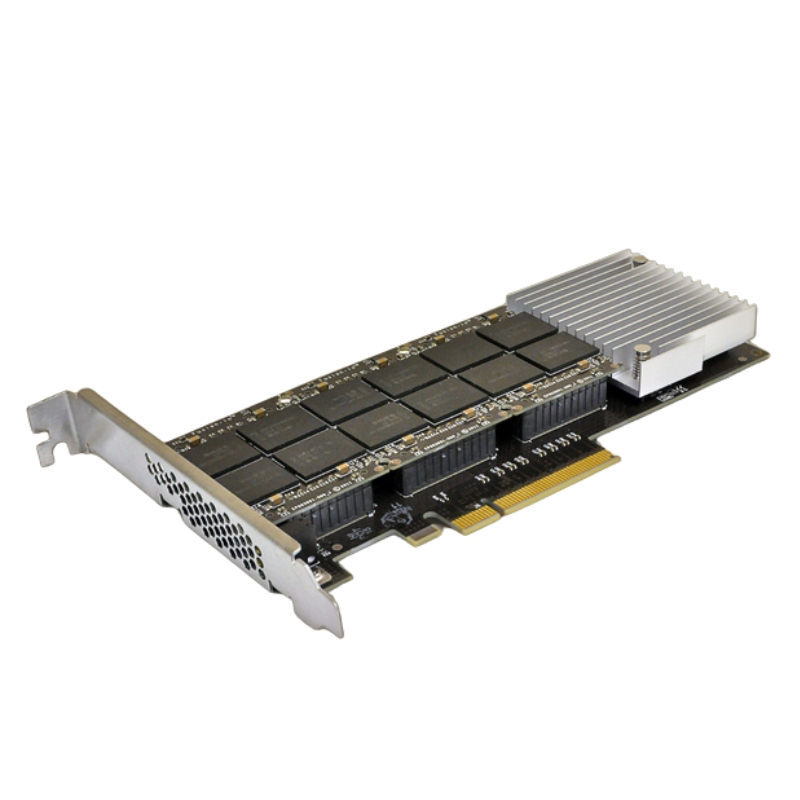


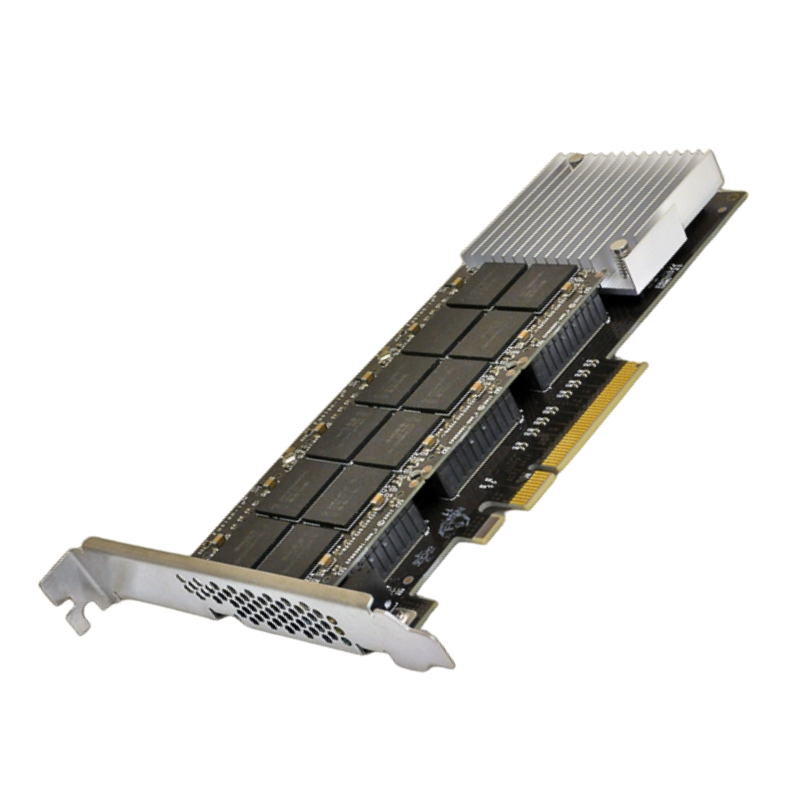
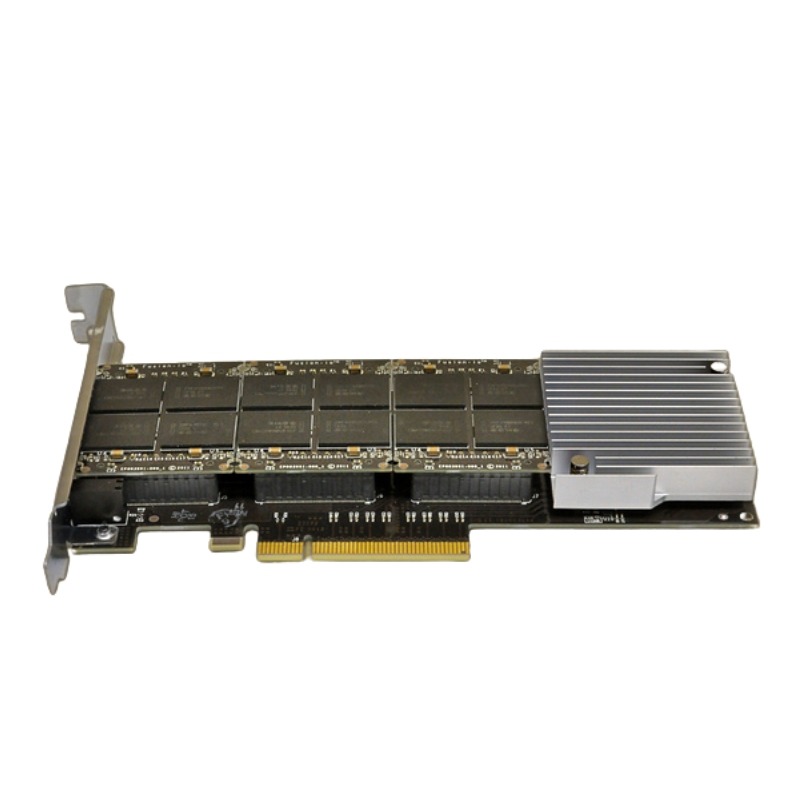
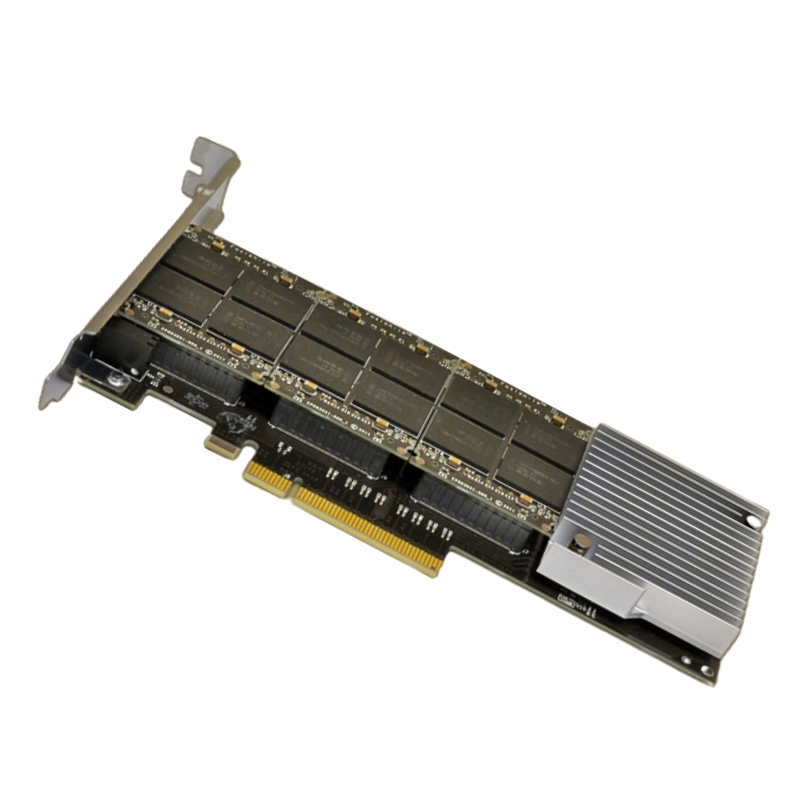
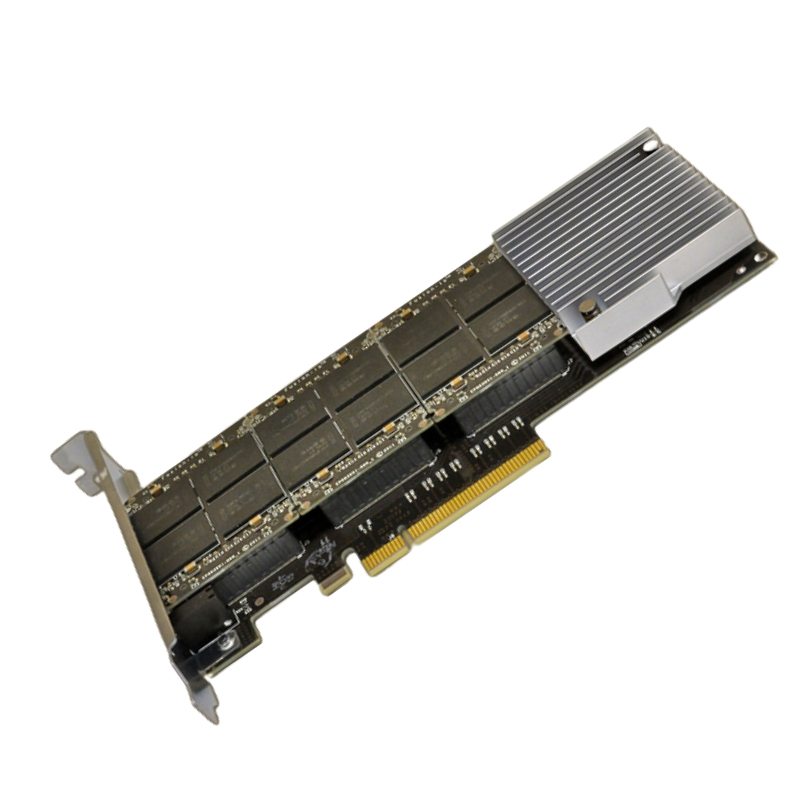
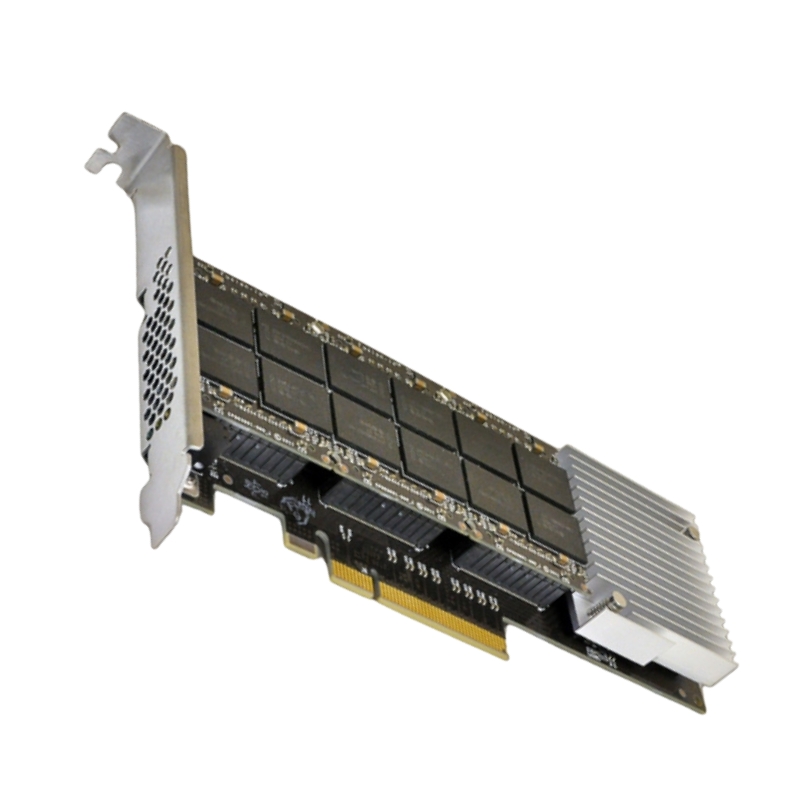
HPE 674327-001 1.2TB PCI-Express Multi Level Cell (MLC) IO Drive SSD. Excellent Refurbished with 1 year Replacement Warranty
HPE 674327-001 1.2TB PCI-Express Multi Level Cell (MLC) IO Drive SSD represents a class of enterprise-grade, high-throughput flash storage designed to accelerate I/O-bound workloads in datacenter and server environments. This category focuses on PCIe-based I/O accelerator cards that integrate Multi Level Cell NAND to deliver higher capacity per card while preserving the low latency and sustained throughput enterprises require for transaction processing, caching, database acceleration, and virtualization hosts. The drives in this category are commonly sold as OEM HP/HPE ioDrive family cards and their successors, and they frequently appear in refurbished and new-old-stock inventories for ProLiant servers and PCIe expansion slots.
The HPE part number 674327-001 typically identifies a 1.2TB (often shown as 1205GB) MLC ioDrive2-class PCIe accelerator card tailored for ProLiant servers. The model sits in a product line engineered to pair NAND flash density with a host-facing PCI-Express interface to bypass traditional SATA/SAS bottlenecks. In practice, this results in a solution that plugs directly into a PCIe slot and presents ultra-low latency block storage to the operating system, making it ideal for workloads that benefit from immediate, predictable storage access rather than spinning media or networked storage. Product listings, vendor descriptions, and legacy datasheets consistently show the 674327-001 as a 1.2TB MLC PCIe ioDrive designed for server acceleration.
Drives in this category are fundamentally PCI-Express devices. Depending on the specific card revision and vendor listing, you will find references to PCIe 2.0 x8 or x4 host interfaces; the design objective is to provide an unobstructed I/O path between server CPU/memory and NAND storage. Many product descriptions for the 674327-001 call out the ioDrive or ioDrive2 family, which historically used a full-height PCIe card form factor with on-board flash and controller components optimized for enterprise workloads. The direct PCIe attachment differentiates this category from traditional 2.5-inch or M.2 SSDs: it removes the RAID/controller layer typical of external arrays and places the flash as a first-class device on the system bus, significantly reducing protocol overhead and queueing delays.
Performance claims for the 674327-001 and similar MLC ioDrive cards emphasize high sequential and random throughput with low, deterministic latency. Vendor listings and refurbished product pages often cite read and write speeds in the neighborhood of 1.5GB/s for reads and writes, and very high random IOPS figures relative to legacy HDDs and many earlier generation SATA SSDs. While real-world numbers depend on the host platform, PCIe lane configuration, and workload mix, the expectation for this category is that it will materially shorten application response time and increase transaction rates for I/O-bound services such as databases, caching layers, and virtual machine swap targets. When planning a deployment, architects should benchmark on their own platform because interface width (x4 vs x8) and system BIOS or driver support can change effective throughput.
This product category is optimized for enterprise workloads that need consistent, high-speed local storage. Typical use cases include accelerating relational database servers and NoSQL engines, providing a low-latency cache tier for content delivery or analytics platforms, offloading hot datasets in virtualization and VDI deployments, and serving as a fast local scratch or staging area for compute-heavy applications. Because the drives are PCIe-based accelerators, they are especially useful when latency and queue depth are the limiting factors. In clustered storage designs, these cards are often used as a local performance tier behind a software-defined storage stack. For customers migrating from spinning disk arrays or older SAS/SATA SSDs, the HPE 674327-001 category offers a way to dramatically reduce IO wait times without re-architecting the entire storage network.
Multi Level Cell (MLC) flash provides a favorable capacity-to-cost balance which is why the 1.2TB point is achievable on a single PCIe card. The tradeoff with MLC compared to Single Level Cell (SLC) or newer TLC/QLC technologies is primarily endurance and write amplification characteristics. That said, enterprise-class MLC deployed in ioDrive products typically incorporates enterprise-grade controllers, firmware optimizations, wear-leveling, and over-provisioning to ensure predictable endurance suitable for mixed-use server workloads. Buyers should evaluate workload write intensity, expected terabytes written per day, and the card’s warranty or replacement policies. Refurbished market and reseller listings often show the 674327-001 packaged with limited replacement warranties and full testing; those options are relevant because used enterprise flash may have resident wear from prior deployments and customers should factor remaining life into purchasing decisions.
Because the 674327-001 is sold as an HPE-branded ioDrive card for ProLiant servers, compatibility notes frequently mention specific ProLiant platforms and firmware/driver requirements. Integration into a server environment requires appropriate BIOS/UEFI and OS-level driver support for the ioDrive family. Most vendors supply drivers and configuration notes for a range of supported operating systems, but when the device is acquired from secondary markets or as refurbished hardware, the buyer must ensure that the host server firmware and operating system will properly enumerate and use the device. Failure to confirm driver compatibility can lead to intermittent performance or devices not presenting as expected to the OS. System administrators should consult HPE support pages or the vendor-supplied documentation for driver packages and recommended firmware revisions specific to their server model.
Because ioDrive-class cards are full-length, full-height PCIe devices in many implementations, system designers must plan for power draw, thermal output, and available slots. These cards are denser and more power-intensive than a typical M.2 SSD and therefore may require ensuring sufficient airflow, verifying chassis slot spacing to avoid blocking adjacent card slots, and confirming power provisioning in high-density server builds. When installing multiple cards per chassis, administrators must validate that the server’s PCIe lane allocation will not undesirably limit aggregate throughput, and that BIOS settings preserve the necessary lane widths. These practical considerations are often overlooked during procurement, leading to underused card bandwidth or thermal throttling if not properly accounted for.
Comparing the 674327-001 to contemporary NVMe/U.2/U.3 SSDs is important for buyers weighing refresh options. Modern NVMe drives communicate over PCIe lanes with lower protocol overhead and broader ecosystem support; many support NVMe namespaces, more efficient command sets, and firmware ecosystems designed around NVMe management. However, the ioDrive architecture predates widespread NVMe adoption and in practical, supported ProLiant configurations may offer equivalent or still-meaningful performance. The main differences center on protocol maturity, driver ecosystems, form factor flexibility, and future-proofing: NVMe drives are generally preferred for new server purchases, while 674327-001 class cards are a pragmatic choice for extending the life or repurposing existing server fleets that were validated with ioDrive cards. Migration plans should consider total cost of ownership, replacement cycles, and any software that assumes specific device semantics.
Because the 674327-001 frequently appears in refurbished marketplaces, lifecycle risk management is essential. Purchasers should request test logs, refurbishment certificates, or health reports when buying used cards. Reliable resellers often offer short-term replacement warranties or graded condition reports; these assurances help mitigate the uncertainty around drive wear and firmware state. For mission-critical production deployments, consider purchasing new or covered-by-manufacturer warranty units where available. If buying refurbished, be prepared to run extended burn-in tests and to monitor SMART-like telemetry exposed by the card’s firmware (where available) to determine remaining write endurance. Documentation from resellers and third-party sellers commonly describes testing and wipe procedures; use those descriptions to evaluate the trustworthiness of the listing.


 Contact Us
 Information
 Catalog
 Solid State Drives (SSD)
 Network Switches
 Hard Disk Drives
 HBA & Controllers
 PC & Servers
 PC & Server Memory
 CPU & Processors
 Network Routers
 Power Supplies
 Tape Drives & Libraries
 Network Devices
 Computer & Network Cables