(7% discount is applied at checkout)
Cart is empty
Your go-to destination for cutting-edge server products
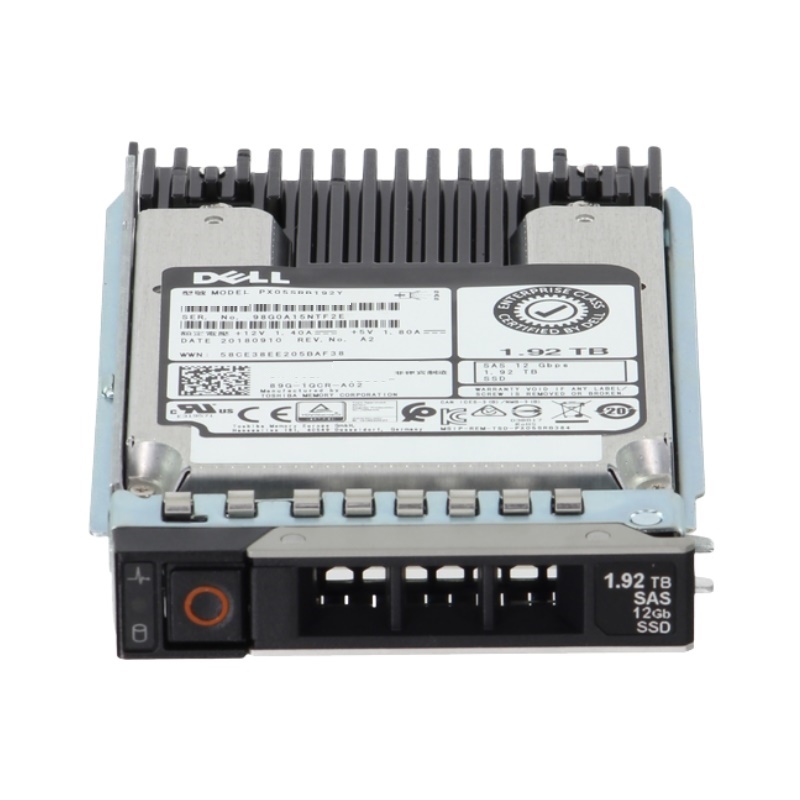


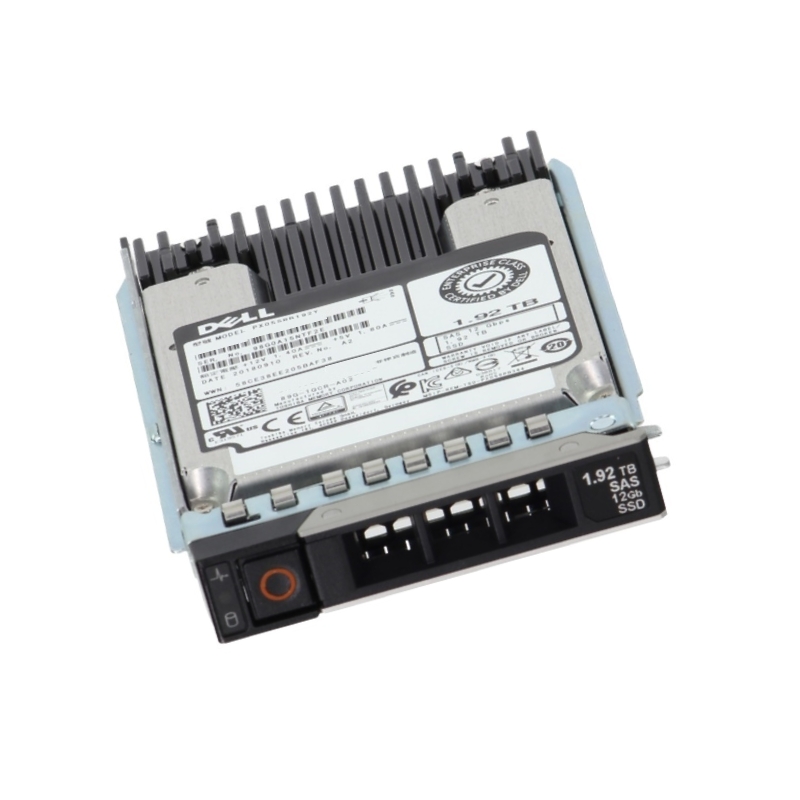
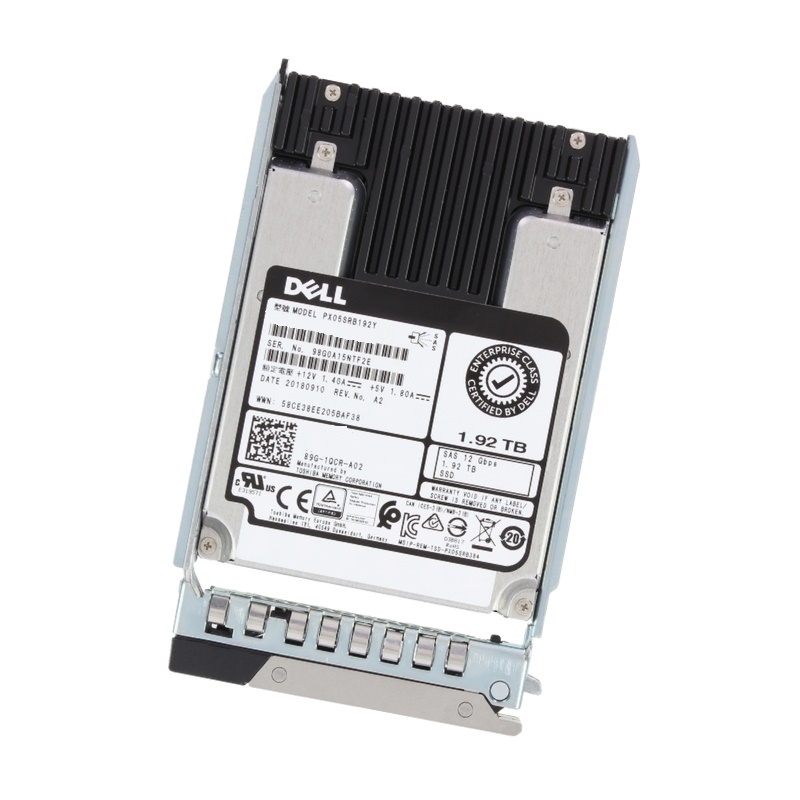
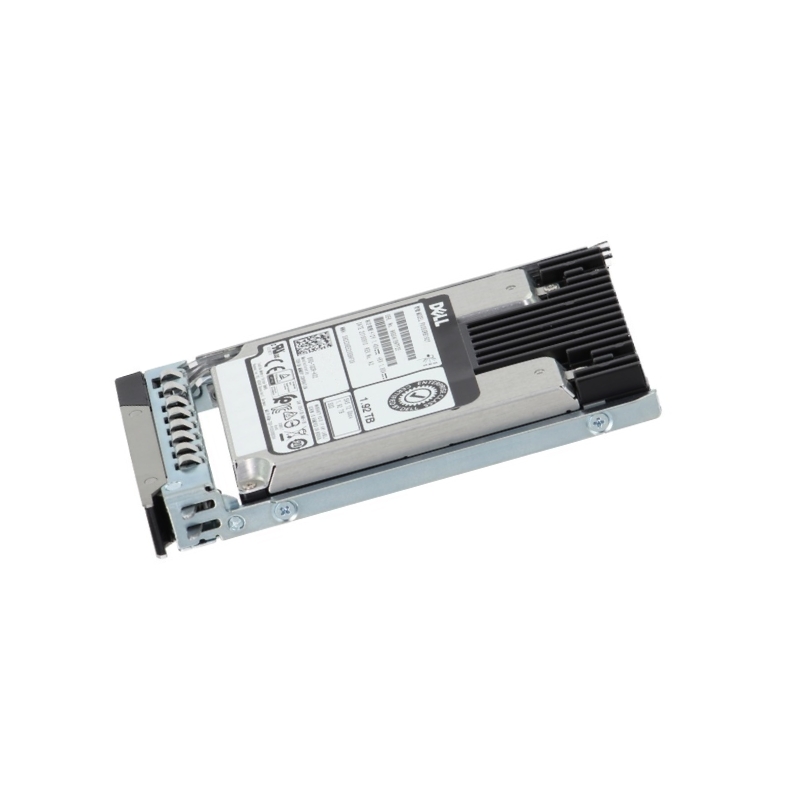
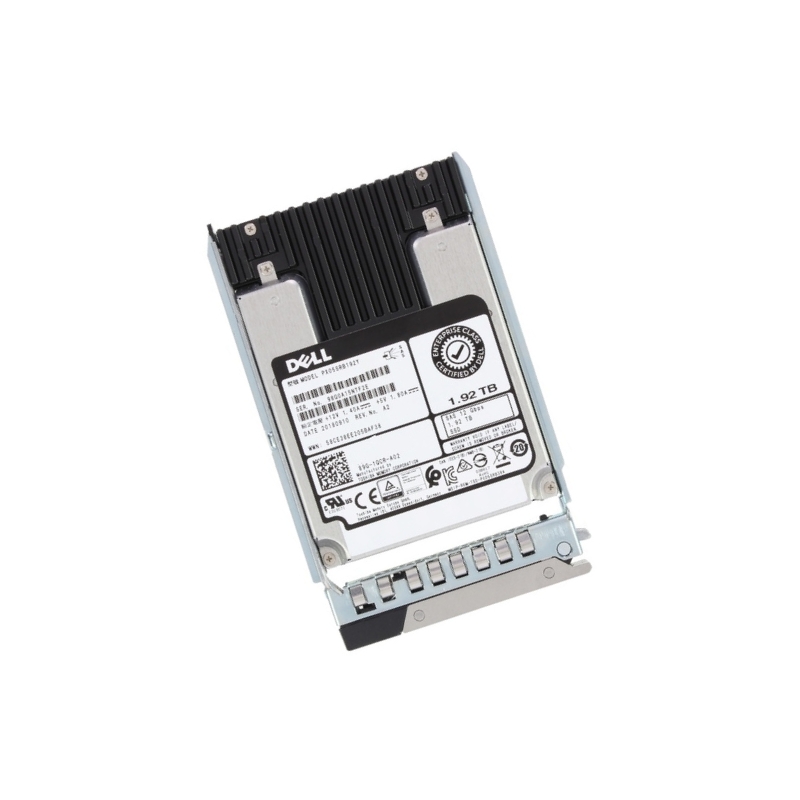
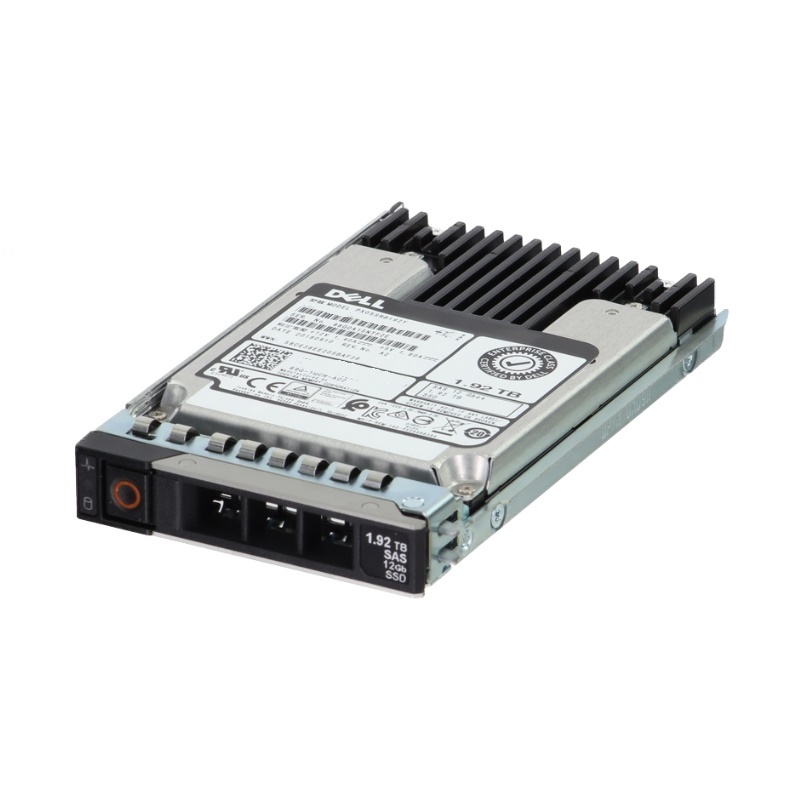
Dell 118001012-02 EMC 1.92TB SAS-12GBPS RI TLC 2.5in Hot-plug SSD. Excellent Refurbished with 1 year replacement warranty
The EMC 118001012-02 1.92TB SAS-12Gbps Read Intensive TLC 2.5-inch Hot-Plug Solid State Drive is engineered for high-performance enterprise workloads. Designed with 3D TLC NAND flash memory and optimized for read-intensive operations, this SSD ensures efficiency, scalability, and dependable storage capacity for data-driven environments.
Adopting Dell 118001012-02-class drives expands the storage tiering strategy by providing a cost-efficient, high-capacity SSD option for read-dominant services. Benefits include:
This SSD category is not ideal for scenarios with sustained heavy writes, such as intensive database transaction logging, high-velocity OLTP primary databases, or write-heavy caching tiers. For those situations, consider write-optimized SSDs (WO) with higher endurance ratings and different flash/firmware optimizations.
The drive is designed for seamless integration with Dell PowerEdge servers and EMC storage arrays; however, compatibility depends on chassis backplanes, controller firmware versions and HBA/RAID card support. Ensure the following:
Firmware revisions matter. Using Dell/EMC-approved firmware for this specific part number avoids interoperability problems and unlocks vendor features such as endurance reporting, SMART telemetry and specific power-loss protection behaviors. Key recommendations:
Dual-port SAS enables multipath configurations. Configure multipath I/O or vendor-specific pathing to maintain redundancy and maximize throughput. Validate multipath timeouts and path failover policies to avoid unintended failovers during heavy I/O.
Before decommissioning or repurposing drives, perform vendor-approved secure erase or cryptographic erase procedures. TLC NAND requires specific erase patterns to guarantee data removal; follow Dell/EMC secure erase recommendations to comply with data protection policies and regulations.
Many enterprise drives or controllers support hardware encryption or TCG Opal features. If using encryption, ensure key management aligns with organizational security policies and that backups include necessary recovery keys without compromising security.
For regulated industries (finance, healthcare, government), document secure erase and chain-of-custody practices for drives removed from production. Retain logs of firmware updates, drive serial numbers and replacement records to meet audit requirements.
Designed for workloads dominated by read operations. Offers higher capacity per dollar with adequate endurance for frequent reads and light-to-moderate writes. Ideal for caching, content serving and read-replica databases.
Targeted at heavy write workloads (logging, OLTP primary databases). WI SSDs typically use MLC/enterprise-grade NAND and deliver higher TBW ratings to withstand sustained writing.
Balanced endurance for environments with both read and write demands—offers a middle ground for general-purpose enterprise tiers.
Scenario: A large enterprise with 2,000 virtual desktops suffering long boot-up times during morning logins. Solution: Deploy a read-optimized SSD tier using 1.92TB SAS RI drives as a boot/store tier and configure storage array caching to redirect read-heavy traffic. Result: Faster login times, reduced IOPS load on spinning disks, and a clear improvement in end-user satisfaction.
Scenario: An organization running nightly BI reports where read latency impacts report generation windows. Solution: Move frequently-accessed tables and read replicas onto the SAS 12Gbps RI SSD tier. Result: Faster query times and shorter reporting windows—enabling more timely decision-making.


 Contact Us
 Information
 Catalog
 Solid State Drives (SSD)
 Network Switches
 Hard Disk Drives
 HBA & Controllers
 PC & Servers
 PC & Server Memory
 CPU & Processors
 Network Routers
 Power Supplies
 Tape Drives & Libraries
 Network Devices
 Computer & Network Cables