(7% discount is applied at checkout)
Cart is empty
Your go-to destination for cutting-edge server products
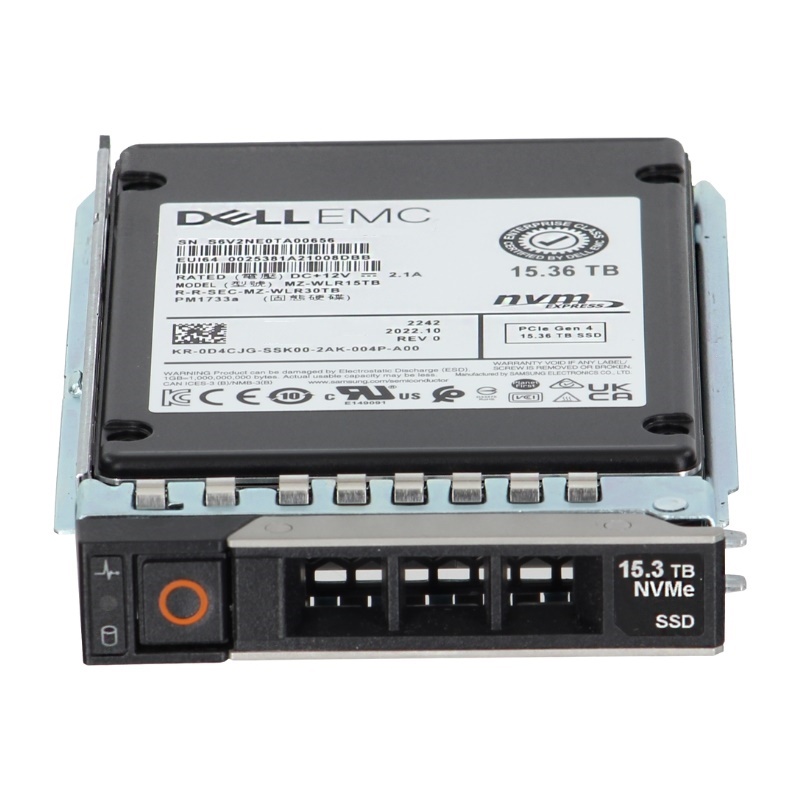


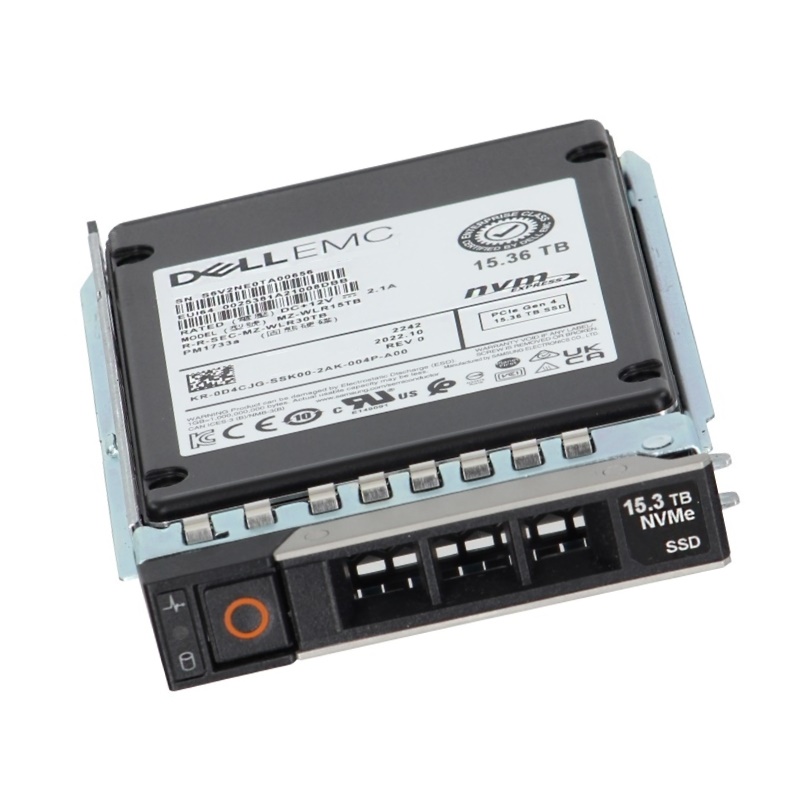
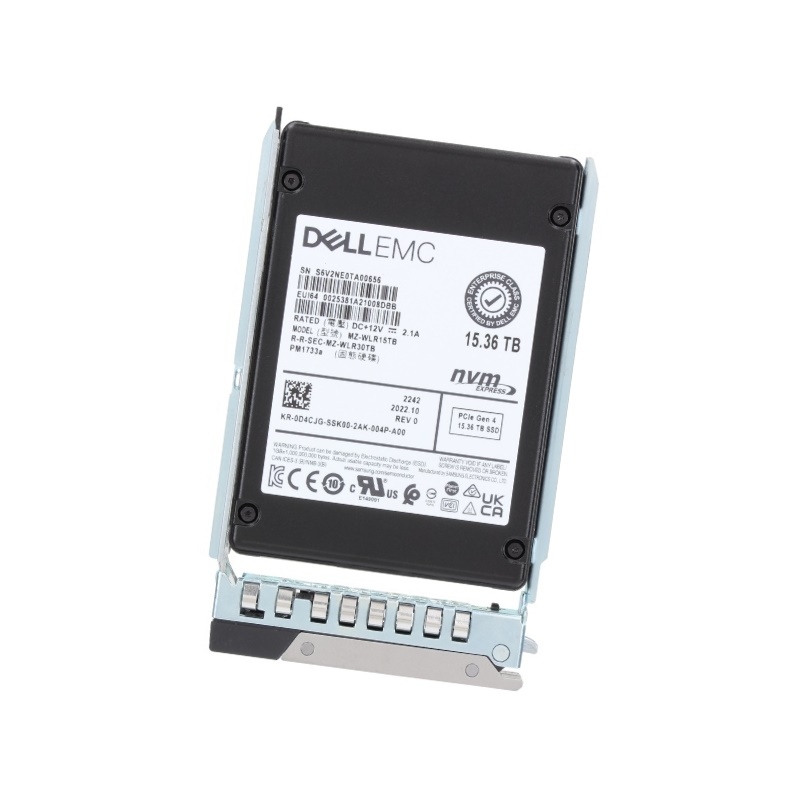
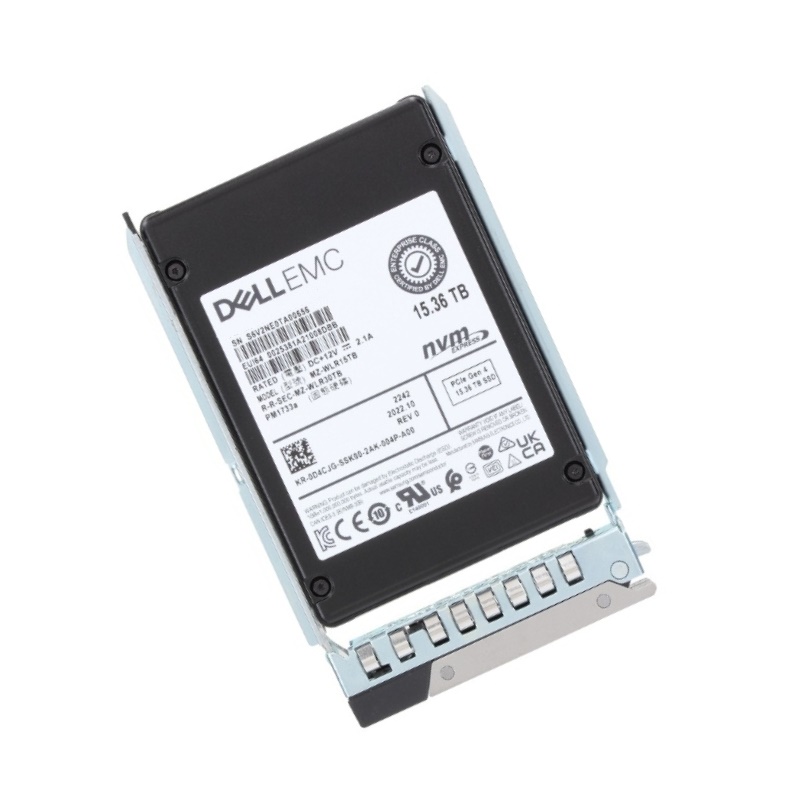
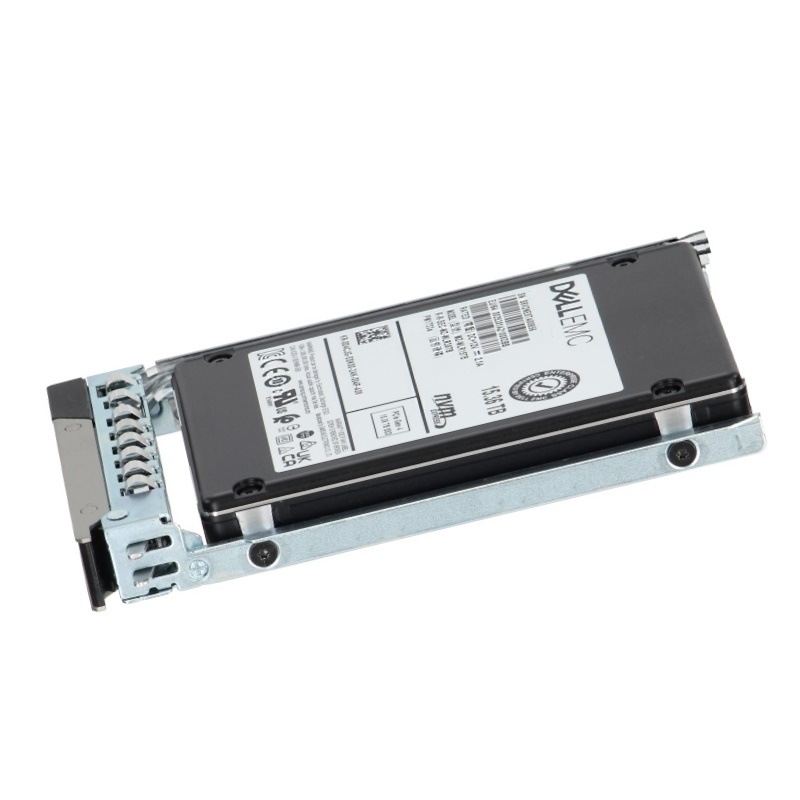
Dell 24RWD 15.36TB PCI-E Gen4 X4 NVMe U.2 2.5 Inch SFF Read Intensive QLC 3D Nand SSD. New Sealed in Box (NIB) with 1 year Replacement Warranty
Dell 24RWD 15.36TB PCI-E Gen4 x4 NVMe U.2 2.5-inch SFF Read Intensive QLC 3D NAND SSDs represent a purpose-built category of high-capacity, cost-optimized solid state drives designed for read-heavy enterprise workloads. These drives combine the physical density of a 2.5-inch small form factor (SFF) U.2 connector with the bandwidth advantages of PCIe Gen4 x4 NVMe, delivering a balanced proposition: very large usable capacity with strong sequential and sustained read performance while keeping acquisition cost and $/GB competitive through QLC 3D NAND.
Read Intensive QLC SSDs in this class excel in scenarios where sequential and random read throughput, low latency, and large capacity outweigh absolute write endurance. Typical deployments include content delivery networks (CDNs), media streaming caches, web servers and object stores, analytics engines performing read scans, big data query layers, and large-scale virtual desktop infrastructure (VDI) read caches. These drives are also attractive as dense capacity tiers in multi-tier storage architectures, where they serve as the fast, read-optimized tier beneath more write-endurance-oriented layers.
Enterprises and hyperscale operators often choose these SSDs to lower overall storage TCO while preserving NVMe performance for read-centric workloads. The 24RWD U.2 2.5-inch SFF form factor enables dense server or storage chassis deployments with hot-swap capabilities, making these drives suitable for dense NVMe arrays and converged infrastructure nodes. The Gen4 x4 interface ensures that, when paired with compatible platforms, the drives can deliver higher throughput than older PCIe generations for single-threaded sequential reads and multi-threaded read concurrency.
PCI-E Gen4 x4 NVMe connectivity brings low queue depth latency benefits and high sequential read throughput to the category. While QLC NAND typically has slower program and write times compared to TLC or SLC, read operations remain fast. Dell’s 24RWD class SSDs are engineered to maintain consistent read latency under typical operating conditions; this yields responsive application performance for read-dominant queries, content retrievals, and large-file streaming.
Random read IOPS for these enterprise QLC drives are optimized through firmware, controller design, and overprovisioning strategies. Sequential throughput commonly scales with PCIe Gen4 bandwidth, making large sequential transfers—such as bulk content delivery and archival streaming—fast and efficient. When designing systems, architects should match drive I/O characteristics to expected workload patterns: massive sequential reads leverage the Gen4 x4 lane capacity while random small-block reads benefit from optimized controller firmware.
QLC 3D NAND reduces cost per bit by storing four bits per cell, but it introduces trade-offs in write performance and endurance compared to TLC and lower density NAND. To mitigate this, drives in this category implement large SLC caching windows, adaptive garbage collection, and advanced wear-leveling algorithms to provide responsive writes for typical enterprise bursts. System designers should be mindful that sustained heavy writes can trigger slower QLC program cycles and may temporarily reduce write throughput as caches flush and background management tasks execute.
Offering 15.36TB within a 2.5-inch U.2 package provides a significant density advantage for rack-mounted servers and storage arrays. This capacity makes it possible to achieve very high usable storage within a single 1U or 2U server or chassis, lowering rack footprint and simplifying cabling and power considerations when deploying bulk read tiers across a fleet.
The 24RWD U.2 interface retains compatibility with enterprise hot-swap trays and backplanes, maintaining serviceability expectations for data centers. Compared with M.2 drives, U.2 in 2.5-inch SFF is easier to handle, offers better cooling possibilities through trays and drive sleds, and fits existing server front bays—facilitating upgrades and replacements without major hardware changes.
High capacity and dense deployments require attention to thermal management. Dell’s enterprise implementations use controller and nand placement, plus firmware throttling behaviors, to maintain reliability under sustained load. Proper rack airflow, drive sled cooling paths, and platform firmware settings can prevent thermal throttling and preserve peak read performance. Mechanical shock and vibration ratings for 2.5-inch enterprise drives also meet data center ruggedness expectations.
These drives are classified as read-intensive, which defines endurance targets typically lower than mixed-use or write-intensive classes. Endurance is expressed as Drive Writes Per Day (DWPD) or Terabytes Written (TBW) over warranty life. For read-mostly workloads, the endurance figures are sufficient, but architects must avoid placing these SSDs in heavy sustained write roles without appropriate assessment and tiering.
Dell’s firmware and controller implementations include enterprise features such as power loss protection mechanisms, end-to-end data path protection, advanced ECC (error-correcting code) tailored for QLC characteristics, and SMART telemetry. These features help ensure data integrity during power anomalies and enable predictive health monitoring to facilitate maintenance and replacement planning before failure impacts workloads.
Ensure that servers and RAID/storage controllers support NVMe over PCIe Gen4 x4 for best performance. Many modern Dell PowerEdge platforms and third-party servers provide Gen4 CPU and chipset lanes that map directly to U.2 backplanes or adapter modules. For systems lacking native Gen4 lanes, the drives will operate at the highest negotiated link rate but will not achieve the full theoretical Gen4 throughput.
Leverage these high-capacity QLC NVMe SSDs as a read-optimized tier in a multi-tier storage strategy. Keep frequently written and transactional datasets on higher-endurance media (TLC or enterprise-grade NVMe), while promoting cold or read-dominant datasets to the QLC tier. This approach reduces cost while retaining NVMe access speeds for reads and enabling predictable lifecycle planning.
Profile workloads to understand read/write ratios, IOPS distribution, and access locality. Tools that simulate production traffic patterns help determine whether the 24RWD series is appropriate for a specific dataset. For workloads with periodic write bursts, ensure sufficient overprovisioning and caching configuration to absorb peaks without impacting long-term endurance.
Allocating spare area and configuring overprovisioning can substantially improve write performance and longevity. Adjusting filesystem allocation sizes, logical volume striping, and object store placement policies helps distribute wear and maintain consistent read performance. In addition, scheduling background maintenance tasks such as TRIM and garbage collection during off-peak windows minimizes user-visible performance impact.
Hardware encryption support is commonly available in enterprise SSDs, including support for TCG Opal or built-in AES engines. Secure erase and crypto-erase capabilities help meet data sanitation requirements during decommissioning. Confirm that encryption features align with organizational compliance needs and that key management practices are secure and auditable.
For industries with strict data governance—such as finance, healthcare, and government—validate that storage deployments leveraging these SSDs adhere to retention, audit, and destruction policies. Combining hardware encryption with policy-driven lifecycle controls and centralized logging creates defensible storage practices for regulatory inspections.
CDN edge nodes equipped with 15.36TB NVMe QLC drives can store larger content sets locally, reducing origin fetches and improving user perceived throughput. The 24RWD Gen4 bandwidth supports high concurrency for reads, and the drive capacity enables multi-tenant caching on a single server node, simplifying fleet management.
In analytics environments where scan-heavy queries access vast datasets, placing read-intensive shards or indexed copies on these SSDs reduces query latency and accelerates result times. Reduced query duration often translates into lower compute time and improved query concurrency depending on the analytics engine’s architecture.
For VDI deployments, read-heavy boot storms and application launches benefit from the low latency and high sequential read throughput. Using QLC NVMe SSDs as a persistent read cache or boot image repository can dramatically shorten boot/recompose cycles and enhance end-user experience, while offloading warmer write operations to higher endurance media.


 Contact Us
 Information
 Catalog
 Solid State Drives (SSD)
 Network Switches
 Hard Disk Drives
 HBA & Controllers
 PC & Servers
 PC & Server Memory
 CPU & Processors
 Network Routers
 Power Supplies
 Tape Drives & Libraries
 Network Devices
 Computer & Network Cables