(7% discount is applied at checkout)
Cart is empty
Your go-to destination for cutting-edge server products
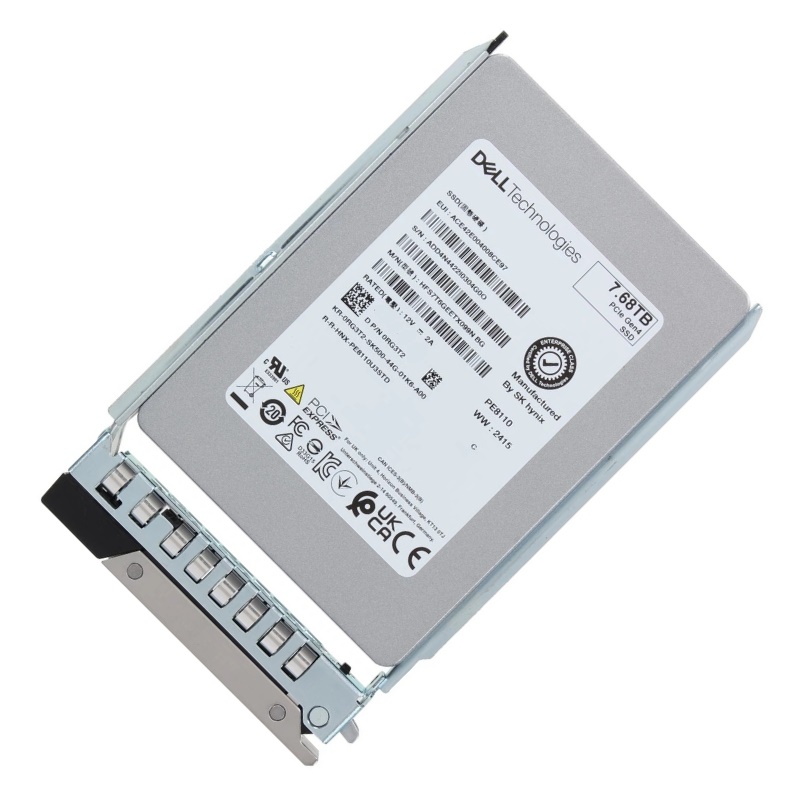


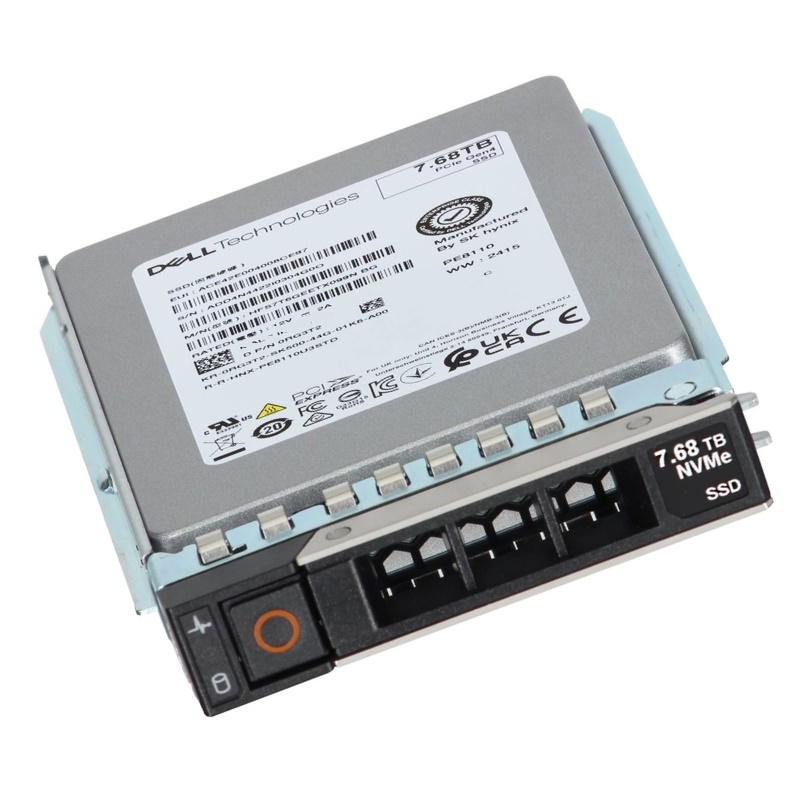
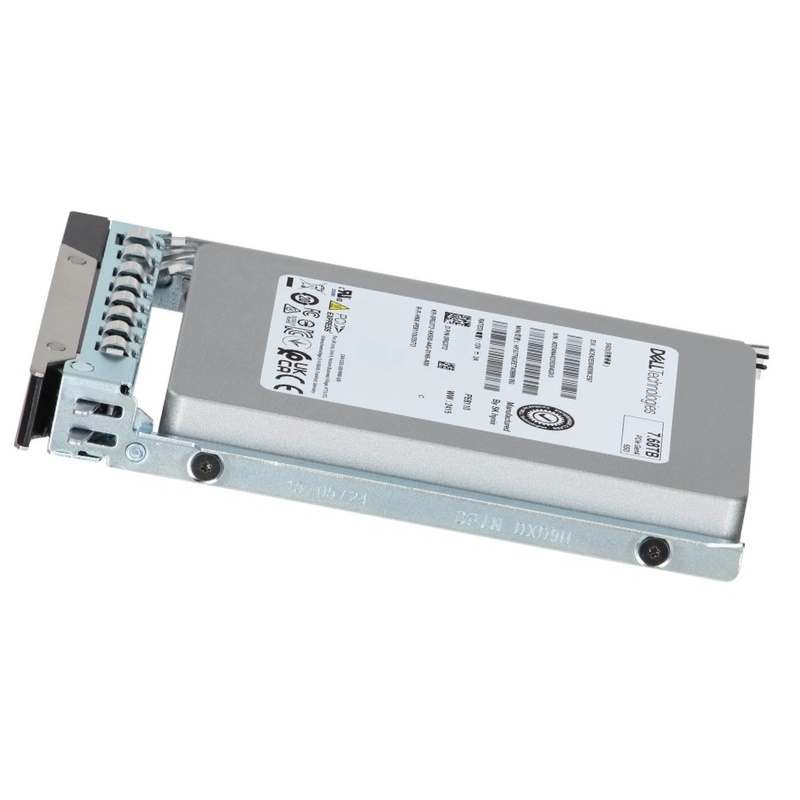
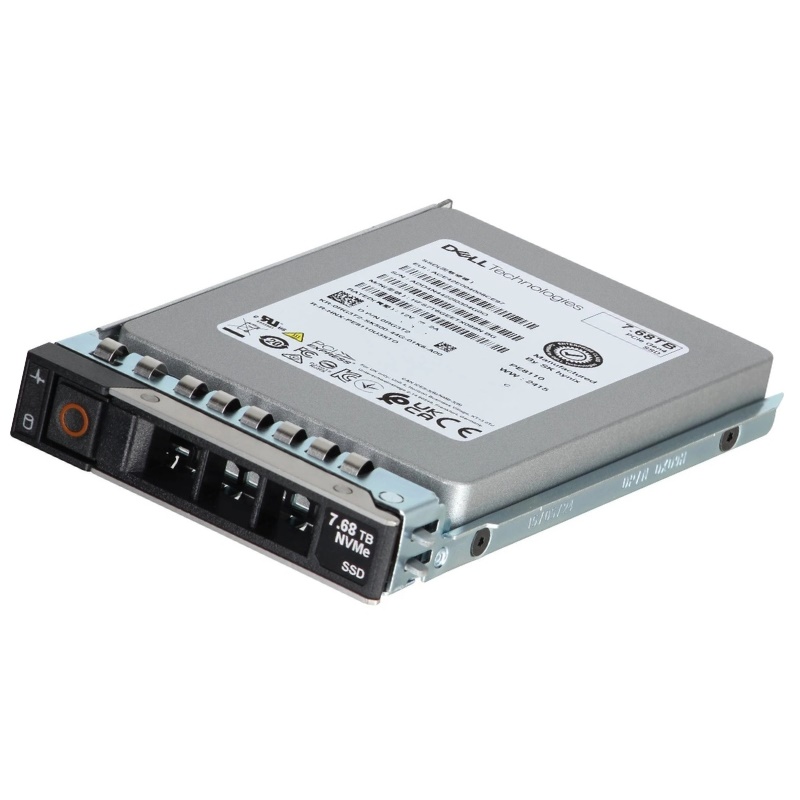
Hynix HFS7T6GEETX099N 7.68Tb PCIe Gen4 NVMe U.2 2.5Inch SSD. Excellent Refurbished with 1 year replacement warranty - Dell Version
Unlock ultra-fast data access and dependable performance with the SK HYNIX HFS7T6GEETX099N solid-state drive. This high-capacity 7.68TB U.2 SSD is tailored for read-intensive workloads and refurbished to Dell OEM standards for enterprise-grade reliability.
The HFS7T6GEETX099N from SK Hynix is a high-capacity enterprise solid-state drive designed for modern data centers, cloud platforms, and high-throughput storage arrays. Built on a PCIe Gen4 NVMe interface and packaged in the U.2 2.5-inch form factor, this model delivers a balance of massive raw capacity and data-center-ready performance characteristics that make it a strong candidate for read-intensive applications such as content delivery, analytics, virtualized desktops, large-scale databases, and cold-tier fast-access storage. The drive’s engineering centers on the needs of enterprise operators: predictable performance, hot-swap capability, compatibility with common server sleds and backplanes, and endurance characteristics tuned for workloads where high read volume is the primary demand.
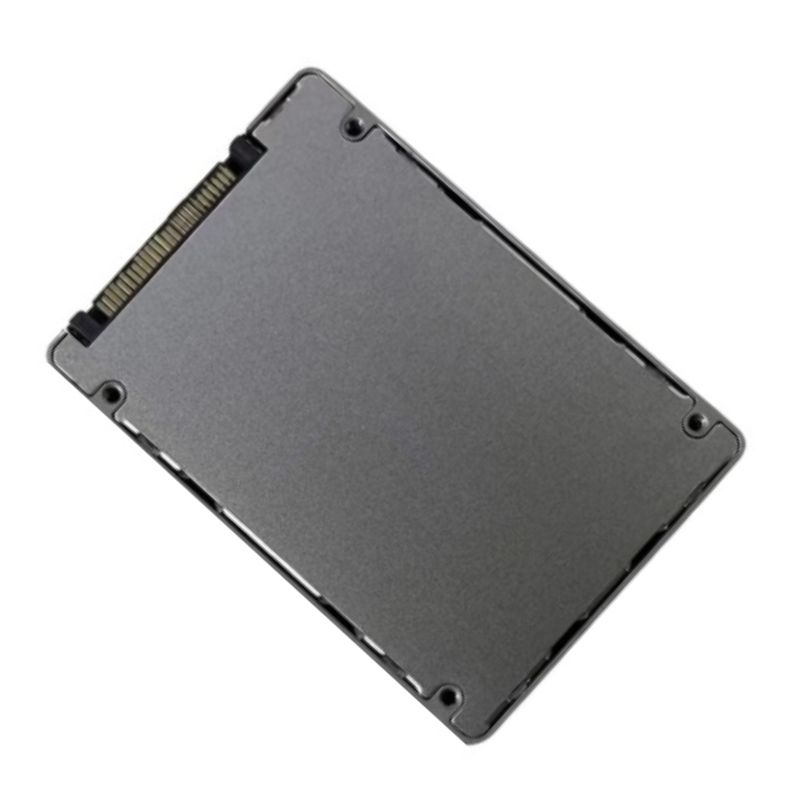
At its core, the HFS7T6GEETX099N offers 7.68 terabytes (TB) of raw user-addressable capacity and communicates over PCIe Gen4 x4 using the NVMe protocol. The U.2 2.5-inch mechanical envelope provides broad compatibility with modern server bays and storage enclosures while preserving enterprise features such as hot-swap removal and standard mounting hardware. Choosing a U.2 2.5-inch NVMe drive like this allows organizations to scale density without sacrificing the mature physical and mechanical integration that 2.5-inch platforms supply. This combination—7.68TB + PCIe Gen4 NVMe + U.2—makes the model an attractive option where density, serviceability, and Gen4 bandwidth are required. :contentReference[oaicite:1]{index=1}
Sequential throughput numbers for the HFS7T6GEETX099N place the drive in a high-performance tier for read operations typical of Gen4 NVMe devices. Reported peak sequential reads are in the multiple gigabytes-per-second range, with sustained sequential reads and writes engineered to remain stable under enterprise queue depths and multi-host access patterns. In read-dominated architectures—such as large object stores, media streaming, or read-heavy database query layers—this drive is capable of delivering both the raw sequential bandwidth and the predictable latency headroom necessary to keep downstream compute and caching layers fed without introducing I/O stalls or large latency spikes. :contentReference[oaicite:2]{index=2}
Random input/output performance (IOPS) is a crucial metric for many enterprise applications, and the HFS7T6GEETX099N is specified to deliver high random read IOPS with competitive random write IOPS for a read-intensive class device. For environments that require fast lookup, index scanning, metadata lookups, or large numbers of small I/O operations per second—such as metadata servers, search indexes, and multi-tenant virtualization platforms—this model’s random I/O profile supports low tail latency and consistent responsiveness. While optimized primarily for read-intensive duty cycles, the drive’s controller firmware and NAND management algorithms help to limit write amplification and to preserve usable performance across long durations of operation. :contentReference[oaicite:3]{index=3}
The HFS7T6GEETX099N uses advanced 3D TLC NAND flash memory, which provides a strong mix of cost per gigabyte and reliable density. Drives built with 3D TLC are frequently chosen for enterprise storage tiers where a balance between economics and performance is required. This drive is positioned as a read-intensive (RI) product, meaning endurance ratings and firmware thresholds are tuned to prioritize read performance and long-term steady state behavior over maximum write endurance. For workloads dominated by reads and occasional writes—content delivery networks, cold object stores, and analytics caches—the tradeoff yields large capacity at a favorable total cost of ownership while still offering enterprise-class reliability and data protection features. :
Like other enterprise drives, the Hynix drive includes a suite of data integrity and reliability features embedded at the controller and firmware level. These typically include end-to-end data path protection, advanced error correction (ECC) tuned for modern 3D NAND, power-loss protection or capacitive buffering strategies appropriate to the U.2 mechanical and electrical design, and background media management routines that maintain long-term reliability. Mean time between failures (MTBF) and device-level telemetry are designed to meet enterprise operational expectations so that drive replacement and predictive maintenance can be integrated into standard datacenter workflows. These mechanisms reduce the risk of silent data corruption and help maintain consistent throughput under sustained operation.
High-capacity NVMe drives running at Gen4 speeds generate measurable thermal load. The U.2 2.5-inch format used by the HFS7T6GEETX099N supports thermal management through server tray design, airflow channels, and optional heat-sink attachments where chassis space permits. System integrators should treat thermal design as a first-order consideration when deploying many Gen4 NVMe drives in dense sleds: ensuring consistent airflow, monitoring drive inlet/outlet temperatures, and leveraging firmware and platform power limits to prevent thermal throttling are standard best practices. Proper thermal integration preserves peak throughput and reduces the risk of long-term performance degradation due to elevated operating temperatures.
Power consumption for enterprise NVMe devices varies by activity: idle, average active, and peak sustained transfer states. The Hynix 7.68TB device is engineered with an energy profile appropriate for datacenter deployments, balancing the need for high throughput during active windows with low idle power draw to reduce steady-state operational costs. For large deployments, the aggregate savings from moderately improved power efficiency translate into meaningful reductions in rack-level cooling and energy budgets, which contributes positively to the total cost of ownership equation for cloud and hyperscale customers.
Because SK Hynix supplies drives both as direct-branded products and as OEM components inside major vendor SKUs, the part number HFS7T6GEETX099N may appear alongside Dell, HPE, or other OEM identifiers in reseller catalogs. System builders should confirm firmware revision compatibility with platform firmware, server RAID/Firmware controllers, and vendor management utilities to ensure full feature interoperability. In many cases, manufacturers supply drive firmware options that are tuned for specific OEM platforms; verifying the correct firmware and compatibility matrix prevents unexpected behavior and enables vendor-supported replacement and warranty pathways.
The HFS7T6GEETX099N is purpose-built for scenarios where read throughput and low-latency access to large datasets are paramount. In a content delivery architecture, these drives can host frequently accessed objects or video segments, reducing the load on backend storage layers and improving end-user delivery latency. In analytics pipelines, placement of hot or frequently scanned partitions on Gen4 NVMe U.2 drives accelerates query response times and shortens batch processing windows. For virtualization hosts, moving read-heavy virtual machine images or immutable base images to these drives reduces boot storms and speeds VM provisioning across large fleets. Each of these deployments benefits from the drive’s combination of capacity, read performance, and enterprise robustness.
Modern storage architectures commonly adopt tiering strategies that match workload characteristics to media types. The Hynix 7.68TB Gen4 NVMe device serves as a high-performance mid-tier or performance tier in such configurations: significantly faster than spinning media and many SATA/SAS SSDs, yet more cost-effective per gigabyte than the highest endurance enterprise NVMe drives. It is particularly effective as a fast layer between compute and bulk cold storage, enabling systems to accelerate working sets and to offload colder data to lower-cost long-term media while maintaining a responsive user experience. Tiering policies based on access frequency and latency sensitivity can automatically populate these drives with content that benefits most from Gen4 throughput.
Enterprise deployments rely on continuous monitoring. The HFS7T6GEETX099N exposes standard NVMe and SMART telemetry that monitoring systems can ingest to track health, temperature, media wear, and other predictive signals. Integrating drive telemetry into infrastructure monitoring and orchestration platforms enables automated alerting, replacement scheduling, and capacity planning. Administrators should establish baseline metrics during initial roll-out to detect drift and to identify when action is required, such as firmware updates or device replacement ahead of failure.
Maintaining up-to-date firmware is an essential part of long-term drive management. Firmware updates often include performance improvements, bug fixes, and compatibility updates for specific server platforms. Customers should consult SK Hynix and their OEM vendors for official firmware releases, compatibility notes, and validated update paths. Performing controlled firmware rollout with canary hosts and staged updates protects production workloads from regressions and ensures vendor-backed support remains intact. When purchasing through OEM channels, teams should confirm whether drives are vendor-specified or generic SK Hynix units and follow the recommended update procedures accordingly.
Comparing the HFS7T6GEETX099N to other SSD classes requires careful consideration of both raw performance metrics and workload fit. Compared to low-end consumer NVMe or SATA SSDs, the enterprise Gen4 device offers substantially higher sustained bandwidth, stronger telemetry, and datacenter-focused firmware. Against ultra-high-end enterprise drives designed for heavy mixed-write workloads, the Hynix read-intensive model trades some write endurance for a lower price per terabyte while maintaining excellent read performance. Procurement teams should map their application I/O profiles—read/write ratio, block size distribution, queue depths, and required tail latency—so that vendor-supplied endurance, performance, and warranty characteristics align with expected production demand.
Working with certified suppliers and authorized resellers reduces procurement risk. Certified partners can provide lifecycle services, bulk pricing, firmware consultation, and cross-reference part numbers for OEM integrations. Before large buys, request compatibility tests, power/thermal guidance, and vendor references to validate that the drives operate as expected in your specific server models and chassis designs. Ensuring that your chosen supplier will support warranty claims, RMA actions, and firmware assistance speeds resolution when issues arise.
Enterprise drives typically support secure erase primitives and may include hardware encryption or TCG Opal features depending on the firmware SKU. When deploying in regulated environments, confirm the availability and certification of hardware encryption, secure erase commands, and support for standardized sanitization procedures. Properly validated sanitization workflows help maintain compliance with data protection regulations and protect sensitive customer or organizational data during decommissioning or device recyclings. If hardware-based encryption is a requirement, verify product documentation or OEM variants for explicit cryptographic feature support.


 Contact Us
 Information
 Catalog
 Solid State Drives (SSD)
 Network Switches
 Hard Disk Drives
 HBA & Controllers
 PC & Servers
 PC & Server Memory
 CPU & Processors
 Network Routers
 Power Supplies
 Tape Drives & Libraries
 Network Devices
 Computer & Network Cables