(7% discount is applied at checkout)
Cart is empty
Your go-to destination for cutting-edge server products


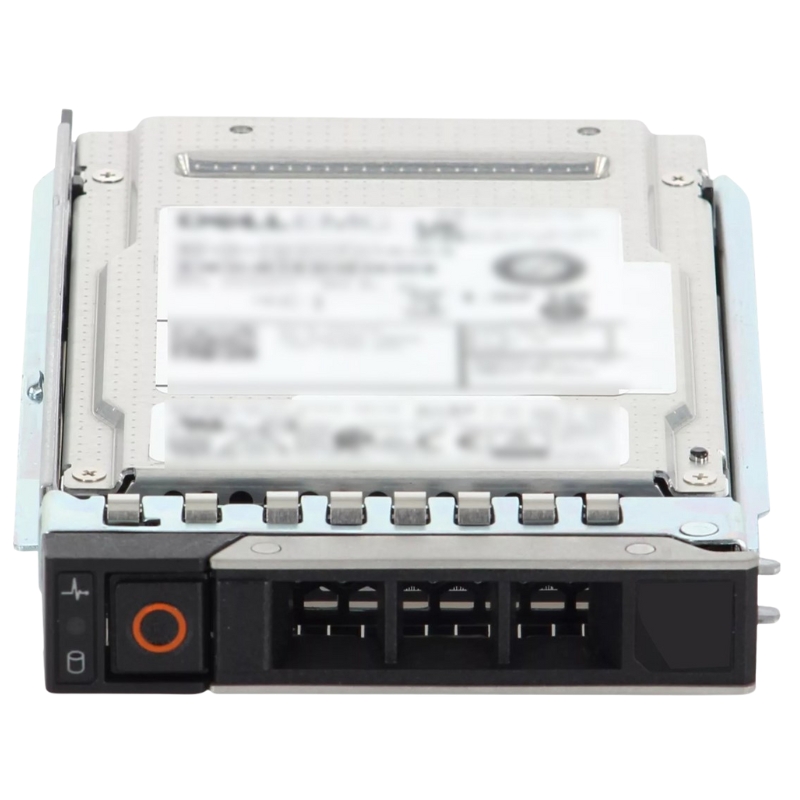
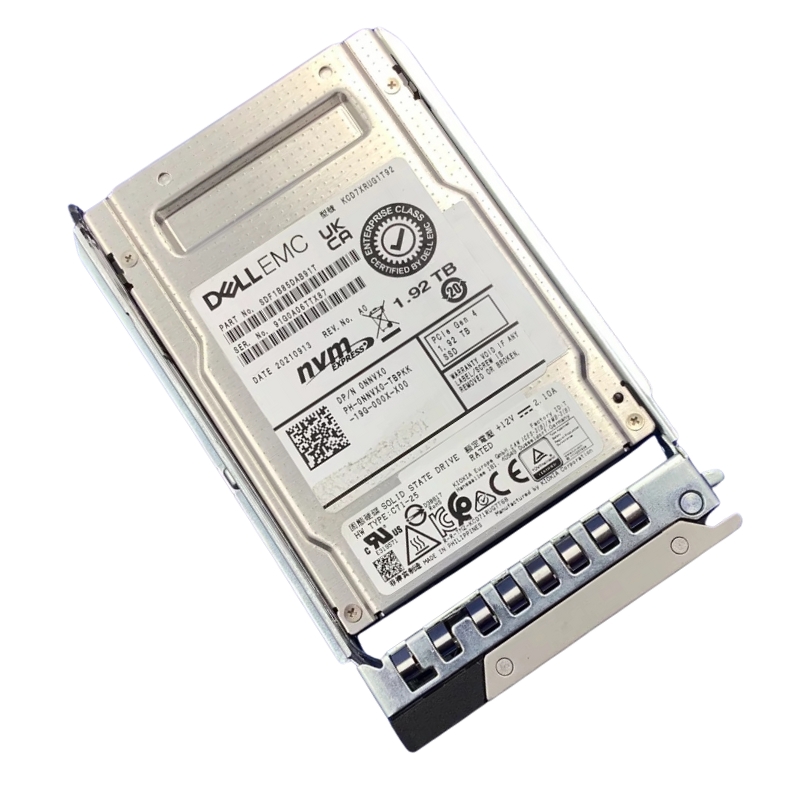
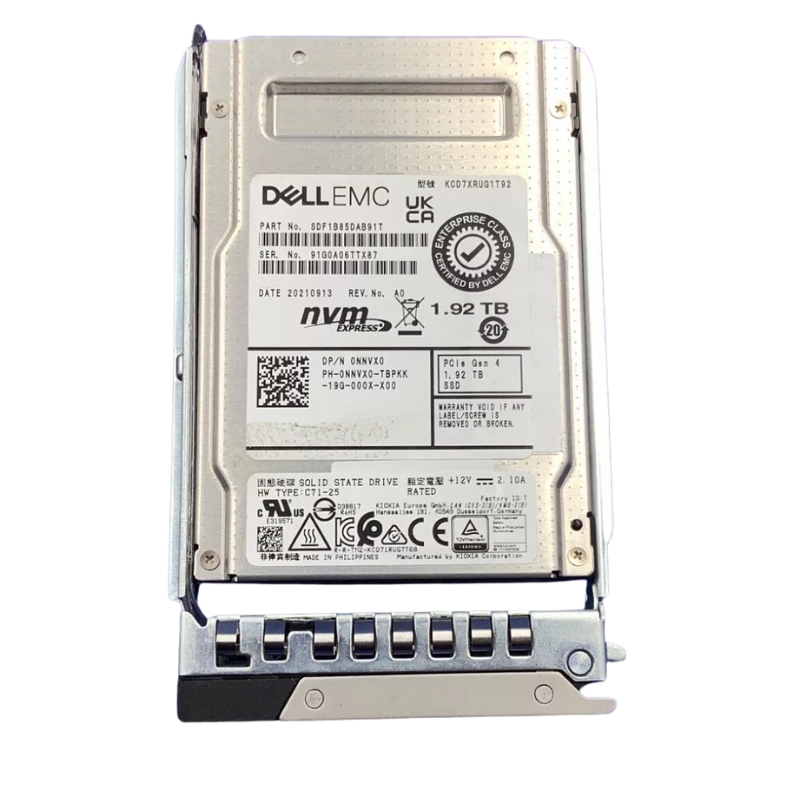
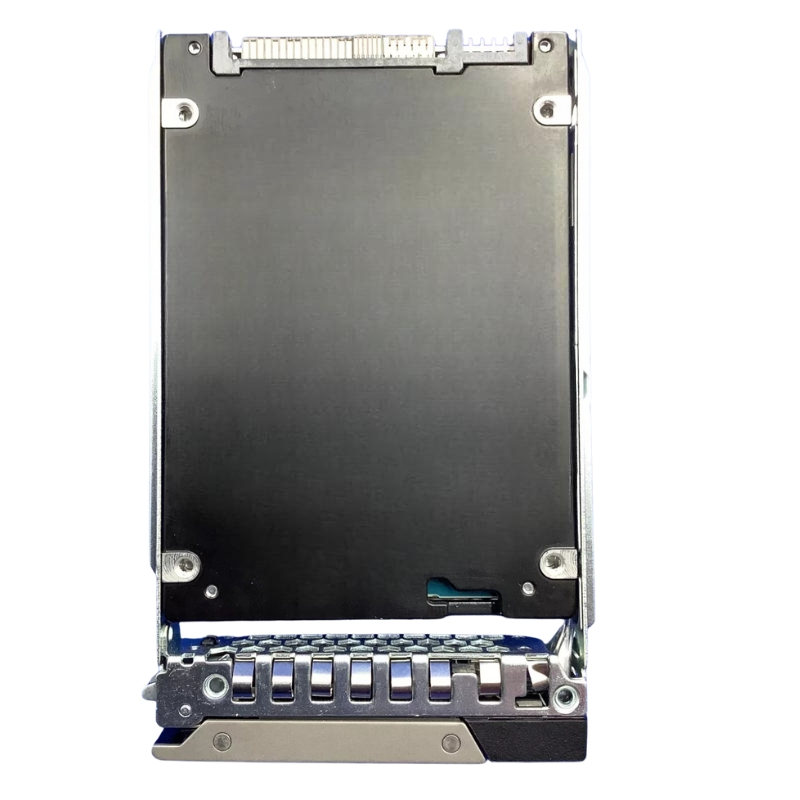
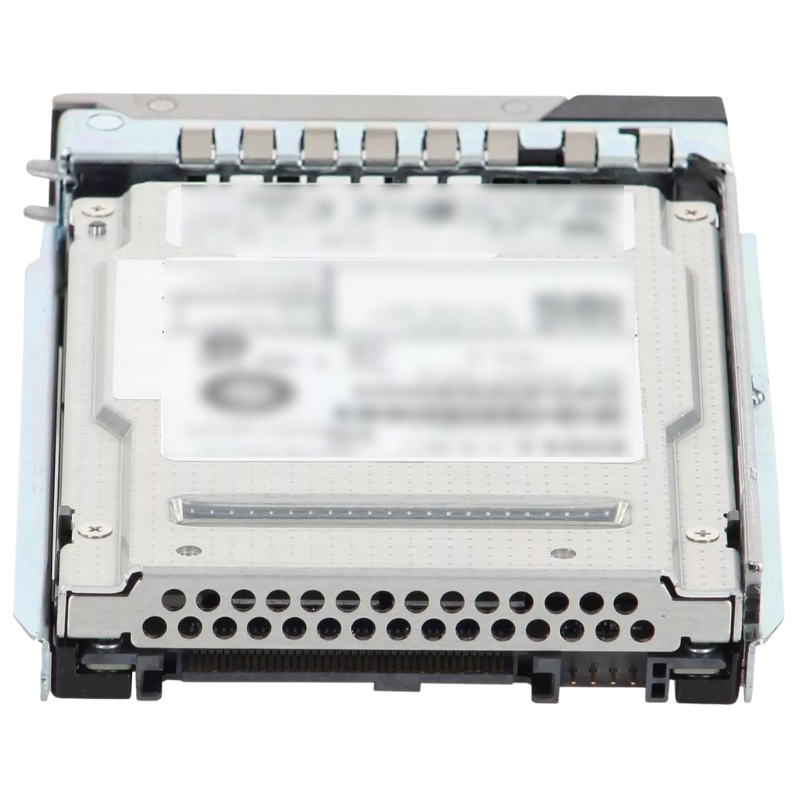
Dell NNVX0 Nvme 1.92TB Pcie Gen4 Read Intensive U.2 2.5inch Ssf Enterprise Solid State Drive Server. Excellent Refurbished with 1 year replacement warranty
Upgrade your data center infrastructure with the DELL 1.92TB NVMe PCIe Gen 4 solid-state drive, expertly crafted to deliver optimal read-centric performance and consistent reliability. Designed for intensive data access environments, this enterprise-grade SSD supports cutting-edge PCIe Gen4 x4 and dual-port x2 interfaces for maximum bandwidth and reduced latency.
This SSD features a 2.5-inch small form factor (SSF), enabling seamless compatibility with Dell PowerEdge servers. The internal flash storage utilizes TLC (Triple-Level Cell) NAND technology, engineered for stable throughput and exceptional endurance under read-heavy conditions.
Optimized for demanding enterprise environments, this NVMe drive delivers exceptional throughput and IOPS, empowering high-speed data operations across virtualized infrastructures, cloud computing nodes, and database servers.
Engineered for predictable reliability, the drive supports 1 DWPD (Drive Write Per Day), making it an ideal choice for read-heavy enterprise use cases such as data analytics, AI inference, content delivery, and VDI deployments.
This SSD is purpose-built for seamless deployment in Dell PowerEdge servers and other compatible enterprise-grade platforms. The dual-port PCIe interface adds failover redundancy and load balancing, enhancing system resilience and availability.
With its high throughput, low latency, and robust endurance profile, this SSD suits a variety of business-critical operations. Ideal for storage arrays requiring fast read speeds and consistent uptime.
Harness the potential of PCIe Gen4 architecture, doubling bandwidth over previous generations. The DELL 1.92TB NVMe drive accelerates I/O pipelines and drastically reduces latency, aligning perfectly with modern server workloads.
The Dell NNVX0 NVMe 1.92TB PCIe Gen4 Read Intensive SSD is engineered for high-demand enterprise environments that require uncompromised speed, reliability, and endurance. As part of Dell’s server-optimized storage solutions, this solid-state drive provides exceptional performance characteristics for data centers and enterprise server deployments. Designed to meet the rigorous demands of business-critical applications, this 2.5-inch U.2 SSD offers scalable storage with enterprise-level endurance, tailored for read-intensive workloads and PowerEdge server compatibility.
The integration of the PCIe Gen4 x4 interface dramatically increases bandwidth over previous generations, offering up to twice the data transfer rate of PCIe Gen3. This facilitates faster access to large datasets and high-throughput processing in virtualized environments, database systems, and VDI deployments. With support for NVMe 1.3 protocol, the Dell NNVX0 SSD ensures low-latency performance and efficient I/O handling for parallel tasks.
With 1.92TB of usable storage space, this drive is ideal for applications that require substantial capacity while maintaining consistent speed and performance. Whether used for boot, cache, or primary storage in RAID configurations, the drive supports large-volume data processing and rapid access to mission-critical files.
Optimized for read-heavy applications, the 1 Drive Write Per Day (1DWPD) endurance rating ensures this SSD is built to handle sustained read operations over its lifecycle. Ideal for workloads such as web servers, analytics, online transaction processing (OLTP), media streaming, and content delivery networks, the Dell NNVX0 minimizes wear and tear while maintaining performance stability.
The use of TLC (Triple-Level Cell) NAND flash provides a balance between cost, capacity, and performance. This NAND configuration enables higher data density, making it ideal for enterprise-grade SSDs that are optimized for long-term use, with error correction algorithms ensuring data integrity in mission-critical applications.
The U.2 2.5-inch small form factor allows for flexible server design and high-density storage configurations. With hot-swap capabilities, IT administrators can easily replace or upgrade drives without interrupting system operations, supporting maximum uptime and serviceability in Dell PowerEdge rack servers.
In virtualized server environments, IOPS performance and low latency are paramount. The Dell NNVX0 SSD delivers consistent throughput under multi-tenant VM loads, ensuring seamless virtualization across hypervisors such as VMware, Hyper-V, and KVM. This enhances the performance of cloud-native applications and facilitates faster provisioning.
Read-intensive SSDs are especially effective in environments where rapid query responses are essential. Database platforms like Microsoft SQL Server, Oracle, and MySQL benefit from the SSD’s high sequential read performance, which significantly reduces transaction time and boosts throughput.
With organizations increasingly relying on real-time analytics, the Dell NNVX0 SSD supports fast ingestion and access to large data sets. This drive is optimized for big data frameworks like Apache Hadoop, Spark, and machine learning platforms where read-heavy processes are central to model training and inferencing.
For services reliant on content access such as streaming video, web content hosting, and e-commerce platforms, the read-optimized nature of the Dell NNVX0 SSD minimizes latency during peak load times. Its consistent throughput ensures uninterrupted user experiences.
Fast page loads and application responsiveness are critical for end users. The Dell NNVX0 NVMe SSD offers fast boot times and rapid file access, making it suitable for web hosting providers, SaaS platforms, and other cloud applications requiring high-speed read access.
This SSD is factory-validated and tested for use with Dell PowerEdge servers. Compatibility spans a range of models including R650, R750, R7525, T550, and more. Integration is seamless with iDRAC and OpenManage utilities, ensuring enterprise-grade manageability.
As part of a RAID 1, RAID 5, or RAID 10 array, the NNVX0 SSD delivers both redundancy and performance, critical for minimizing downtime and safeguarding enterprise data. Dell’s PERC RAID controllers offer full integration with this drive, enhancing data protection.
In modern data centers, performance per watt is essential. The Dell NNVX0 SSD operates with a low power profile, ensuring optimal thermal characteristics and efficient energy usage, supporting sustainable IT operations without compromising speed.
This enterprise SSD includes advanced ECC (Error Correction Code), end-to-end data protection, and power loss protection. These features prevent data corruption during read/write operations and ensure data integrity in the event of power failure.
Integration with Dell’s management suite enables continuous health monitoring through SMART attributes. Predictive failure alerts and wear-level indicators ensure that administrators can replace drives proactively, reducing the risk of unplanned outages.
Firmware integrity is safeguarded through secure boot processes and signed firmware. Optional TCG Opal and AES-256 hardware-based encryption ensure data confidentiality and compliance with industry data protection standards.
Unlike M.2, U.2 drives support hot-plug functionality and higher endurance profiles, making them more suitable for enterprise rack servers. U.2 also provides better thermal control and ease of serviceability. Compared to U.3, U.2 drives offer broad backward compatibility and are ideal for existing Gen4 NVMe backplanes.
The 2.5-inch U.2 form factor is engineered with effective thermal designs, allowing the drive to operate under full load without thermal throttling. This ensures long-term performance even in tightly packed server chassis.
Read-intensive SSDs like the Dell NNVX0 are optimized for scenarios where the ratio of reads to writes is significantly higher. In contrast, mixed-use SSDs are intended for workloads with balanced read/write operations. For applications such as web hosting, OLAP databases, and virtual desktop infrastructure, the read-intensive model offers better longevity and performance per dollar.
TLC strikes a balance between cost and endurance. MLC provides higher durability at a premium, while QLC offers greater density with reduced endurance. The Dell NNVX0’s TLC NAND is ideal for enterprises seeking reliability and value in large-scale deployments.
Designed for 24/7 operation, the NNVX0 is suited to high-scale data center environments, including hybrid cloud, edge computing, and co-location facilities. Its consistent IOPS performance supports simultaneous user loads and large-scale transactions.
The Dell NNVX0 is ideal for deployment in ROBO (Remote Office/Branch Office) environments, offering dependable performance and manageable form factor for limited-space server racks.
Though optimized for reads, the NNVX0 SSD also supports fast data restores, ensuring that systems can be recovered quickly in the event of failure. It integrates easily with backup solutions such as Veeam, Commvault, and Dell EMC Data Domain.
The Dell NNVX0 NVMe SSD integrates smoothly with software-defined storage platforms, including VMware vSAN, Microsoft Storage Spaces Direct (S2D), and Nutanix. These technologies rely on SSDs for high-speed caching and tiered storage structures.
As data centers move toward disaggregated architectures and NVMe-oF deployments, the U.2 NVMe design ensures a clear path to future storage technologies. Compatibility with PCIe Gen4 and NVMe standards allows for forward scalability.
The Dell NNVX0 provides sequential read speeds of up to 6,900 MB/s and write speeds of up to 3,500 MB/s, depending on workload and server configuration. These performance metrics support applications with high throughput demands.
The drive delivers read IOPS of up to 1 million, with sub-millisecond latency for fast access. This is essential in virtualized workloads, high-frequency trading, and large-scale web application platforms.
With a Mean Time Between Failures (MTBF) of over 2 million hours and a Total Bytes Written (TBW) endurance aligned with its 1DWPD rating, the NNVX0 is among the most reliable SSDs available for enterprise use.


 Contact Us
 Information
 Catalog
 Solid State Drives (SSD)
 Network Switches
 Hard Disk Drives
 HBA & Controllers
 PC & Servers
 PC & Server Memory
 CPU & Processors
 Network Routers
 Power Supplies
 Tape Drives & Libraries
 Network Devices
 Computer & Network Cables