(7% discount is applied at checkout)
Cart is empty
Your go-to destination for cutting-edge server products
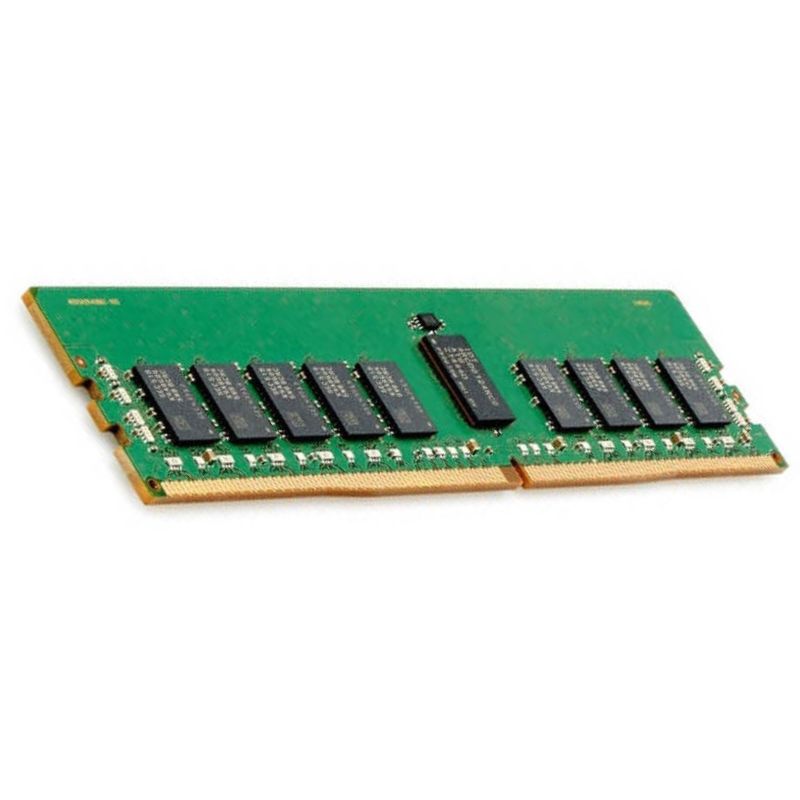


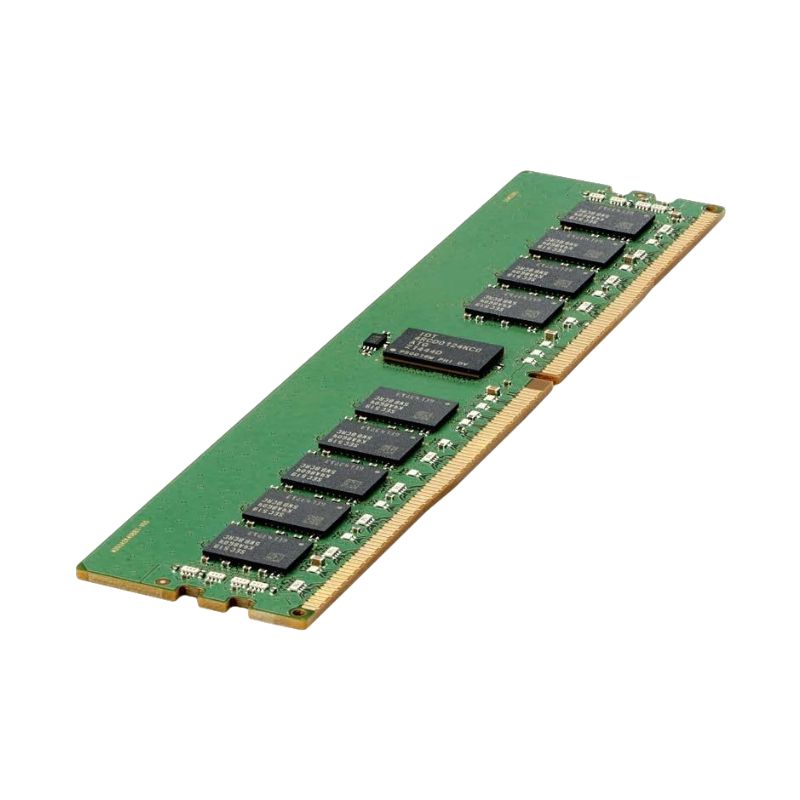
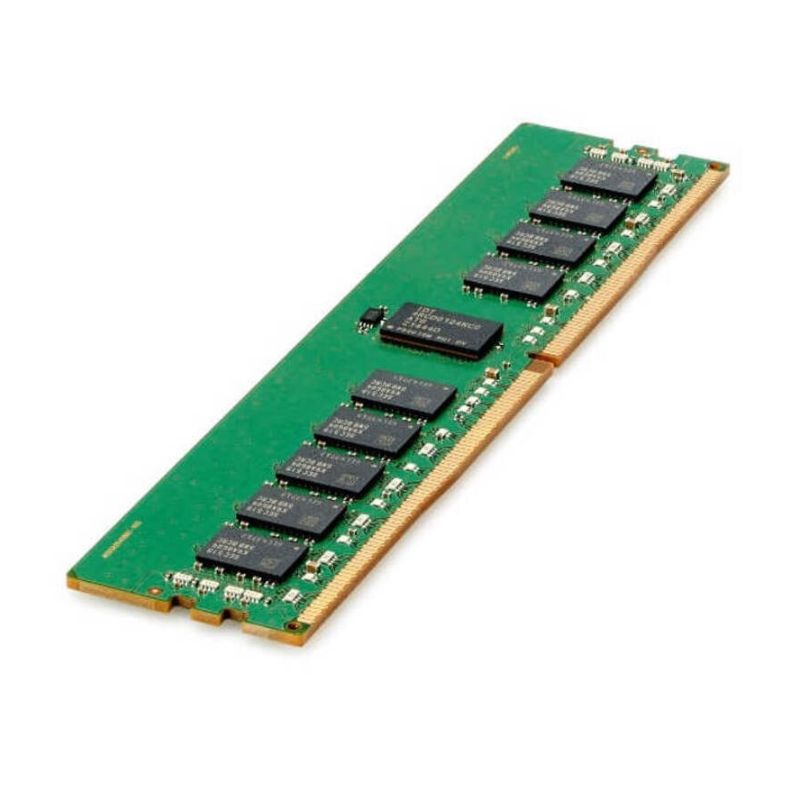
HPE P11448-ZA1 256GB DDR4 PC4-25600 Ddr4 3200 MT/S ECC 288-Pin LRDIMM Memory Module. New (System) Pull with 1 year replacement warranty
The HPE P11448-ZA1 is a high-capacity 256GB DDR4 SDRAM module designed for enterprise-grade performance. This load-reduced 3DS memory ensures stability, efficiency, and reliability for demanding workloads.
The category represented by the HPE P11448-ZA1 256GB (1x256GB) Octal Rank x4 DDR4-3200 CAS-26-22-22 Load Reduced 3DS Memory encompasses high-capacity enterprise memory solutions designed specifically for mission-critical server environments. This category focuses on Load Reduced DIMMs, commonly referred to as LR-DIMMs, which are engineered to deliver exceptional memory density, electrical stability, and performance scalability in modern data center infrastructures. These memory modules are essential components for organizations that rely on high-throughput computing, virtualization, database-intensive workloads, and analytics-driven platforms.
Enterprise memory in this category is not simply defined by capacity but by its ability to maintain signal integrity and power efficiency across densely populated memory channels. The integration of advanced buffering technology and three-dimensional stacked DRAM architectures allows these modules to overcome traditional limitations of standard registered or unbuffered memory. As a result, servers equipped with this class of memory can support significantly larger memory footprints without compromising performance or reliability.
At the architectural level, DDR4-3200 Load Reduced memory represents a mature and highly optimized memory technology. Operating at a data transfer rate of 3200 megatransfers per second, DDR4-3200 provides a balanced combination of bandwidth and latency suitable for enterprise workloads. The Load Reduced design introduces a memory buffer that isolates the electrical load of the DRAM devices from the memory controller, effectively reducing signal loading on the CPU.
This architectural approach allows server platforms to support higher-capacity DIMMs, such as 256GB modules, while maintaining stable operation at high frequencies. The buffer acts as an intermediary, re-driving signals and enabling more ranks per module without exceeding electrical limits. In this category, the use of advanced buffering is critical to supporting octal rank configurations, which would otherwise be impractical with conventional memory designs.
The octal rank x4 configuration found in this memory category refers to the internal organization of DRAM chips on the module. An octal rank design includes eight logical ranks, each composed of x4-wide DRAM devices. This configuration significantly increases memory density while maintaining efficient data access patterns. By distributing memory access across multiple ranks, the module can improve parallelism and optimize bandwidth utilization.
In enterprise server environments, octal rank memory modules are particularly valuable because they enable higher total memory capacity per socket. This is essential for applications that require large in-memory datasets, such as in-memory databases, real-time analytics engines, and large-scale virtualization platforms. The x4 device width further enhances reliability by supporting advanced error correction mechanisms inherent to enterprise-class memory systems.
Three-dimensional stacked DRAM, commonly referred to as 3DS memory, is a defining characteristic of this category. Instead of placing all DRAM dies side by side on a single plane, 3DS technology stacks multiple dies vertically and interconnects them using through-silicon vias. This approach dramatically increases memory density without increasing the physical footprint of the module.
The use of 3DS memory in Load Reduced DIMMs allows manufacturers to produce 256GB modules that conform to standard DIMM form factors. This is particularly important for data centers seeking to maximize memory capacity within existing server chassis and thermal envelopes. The vertical stacking also contributes to improved signal routing and more efficient use of PCB space, enabling advanced buffering and power management components to coexist on the module.
Latency remains a critical consideration in enterprise memory design, and this category addresses it through carefully balanced timing parameters. The CAS latency specification of 26-22-22 reflects the number of clock cycles required for various memory operations, including column access, row-to-column delay, and row precharge. While these values are higher than those found in consumer-grade memory, they are optimized for stability and scalability at high capacities.
In large-memory configurations, absolute latency is often less critical than predictable and consistent performance under heavy load. Load Reduced DIMMs in this category are engineered to deliver deterministic latency behavior, which is essential for enterprise applications that rely on consistent response times. The combination of DDR4-3200 speed and optimized timing ensures that bandwidth-intensive workloads can operate efficiently even with extremely large memory pools.
One of the defining challenges addressed by this memory category is the balance between high bandwidth and electrical stability. As memory speeds increase and module capacities grow, maintaining signal integrity becomes increasingly complex. Load Reduced memory addresses this challenge by reducing the effective load seen by the memory controller, allowing higher frequencies to be sustained across multiple populated slots.
This balance is particularly important in multi-socket server configurations, where each processor may be connected to multiple memory channels populated with high-capacity DIMMs. By ensuring stable operation at DDR4-3200 speeds, this category enables servers to achieve maximum theoretical bandwidth without sacrificing reliability or requiring downclocking due to electrical constraints.
Memory modules in this category are designed to integrate seamlessly with HPE enterprise server platforms, ensuring optimal compatibility and performance. These modules are qualified and tested to meet the stringent requirements of HPE ProLiant and related server families, providing assurance that they will function reliably under sustained workloads. Compatibility extends beyond physical fit, encompassing firmware recognition, thermal management, and power delivery characteristics.
HPE-specific memory modules often include proprietary firmware and identification features that allow system management tools to monitor health, performance, and error rates. This level of integration is essential for enterprise IT environments where proactive maintenance and predictive analytics are key to minimizing downtime and optimizing resource utilization.
The category emphasizes tight integration between memory hardware and server firmware. Advanced system BIOS and management controllers can detect Load Reduced memory configurations and adjust memory training algorithms accordingly. This ensures that timing parameters, voltage levels, and buffering behavior are optimized for the specific characteristics of high-capacity 3DS LR-DIMMs.
Firmware-level optimization also enables advanced features such as memory mirroring, sparing, and patrol scrubbing. These features are critical in enterprise environments where data integrity and system uptime are paramount. By supporting these capabilities, this memory category contributes to the overall resilience of the server platform.
Reliability is a cornerstone of enterprise memory design, and this category incorporates multiple layers of protection to ensure data integrity. Advanced error correction mechanisms, including multi-bit error detection and correction, are supported through the use of x4 DRAM devices and robust buffering architectures. These features help prevent data corruption and system crashes caused by transient or permanent memory faults.
Availability is further enhanced through support for hot-swap and predictive failure analysis in compatible server platforms. By monitoring error rates and thermal conditions, system management tools can alert administrators to potential issues before they result in downtime. This proactive approach is essential for organizations that operate 24/7 services and cannot afford unplanned outages.
High-capacity memory modules generate more heat than their lower-capacity counterparts, making thermal management a critical aspect of this category. Load Reduced DIMMs are designed with efficient power delivery and heat dissipation in mind, often incorporating advanced PCB layouts and thermal sensors. These design elements help maintain safe operating temperatures even under sustained heavy workloads.
Power efficiency is also a key consideration, as large memory configurations can significantly impact overall system power consumption. By optimizing buffering circuits and leveraging DDR4’s lower operating voltage, this memory category helps reduce the total cost of ownership associated with high-density memory deployments.
The demand for 256GB Load Reduced memory modules is driven by a range of enterprise use cases that require massive in-memory capacity. In-memory databases benefit significantly from large memory pools, as they can store entire datasets in RAM, reducing reliance on slower storage tiers and improving query performance. This category enables organizations to scale such databases without increasing the number of servers.
Virtualization and cloud computing platforms also rely heavily on high-capacity memory. By equipping servers with large LR-DIMMs, data centers can host more virtual machines per physical server, improving resource utilization and reducing infrastructure costs. This consolidation capability is a key advantage of the memory solutions represented in this category.
Operational efficiency is a key driver behind the adoption of high-capacity Load Reduced memory. By enabling greater consolidation of workloads onto fewer servers, this category helps reduce physical footprint, power consumption, and cooling requirements in the data center. These efficiencies translate directly into lower operating costs and improved sustainability metrics.
Data center optimization also benefits from simplified memory configurations. With fewer DIMMs required to achieve high total capacity, administrators can reduce complexity and potential points of failure. This streamlined approach aligns with modern data center strategies focused on automation, reliability, and cost control.


 Contact Us
 Information
 Catalog
 Solid State Drives (SSD)
 Network Switches
 Hard Disk Drives
 HBA & Controllers
 PC & Servers
 PC & Server Memory
 CPU & Processors
 Network Routers
 Power Supplies
 Tape Drives & Libraries
 Network Devices
 Computer & Network Cables