(7% discount is applied at checkout)
Cart is empty
Your go-to destination for cutting-edge server products
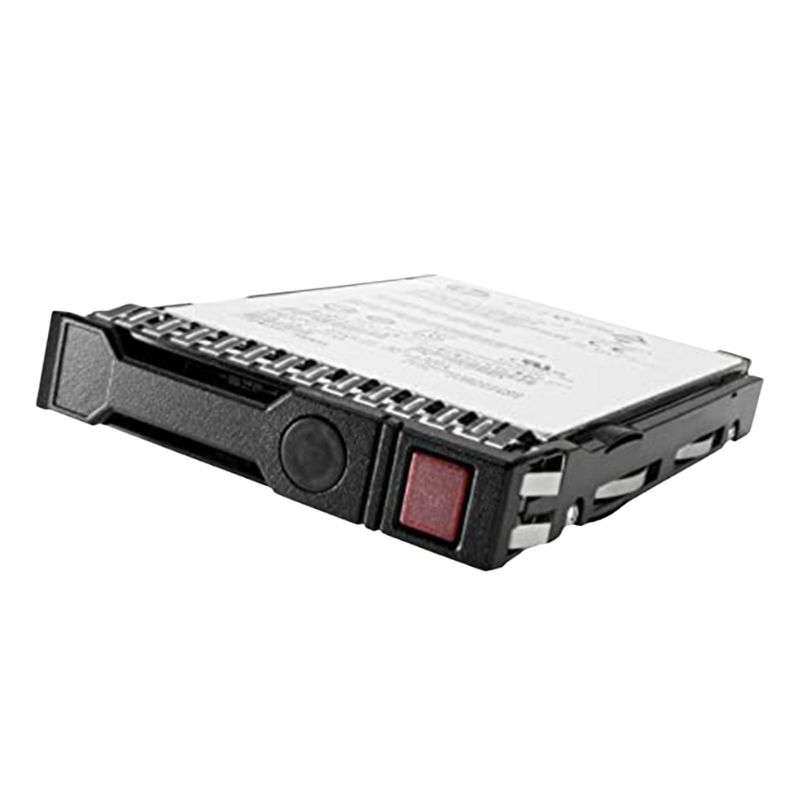


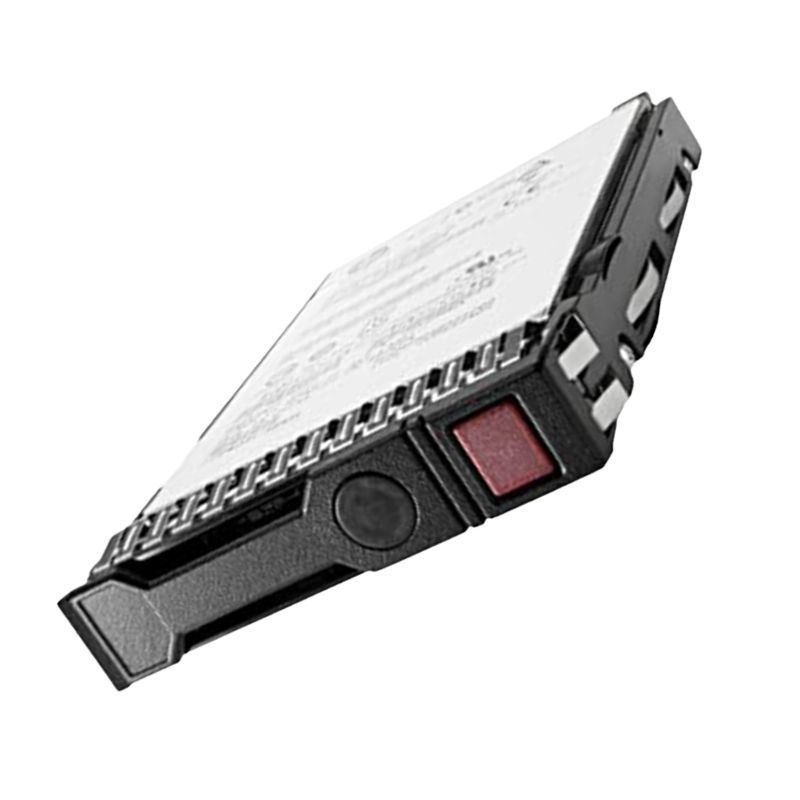
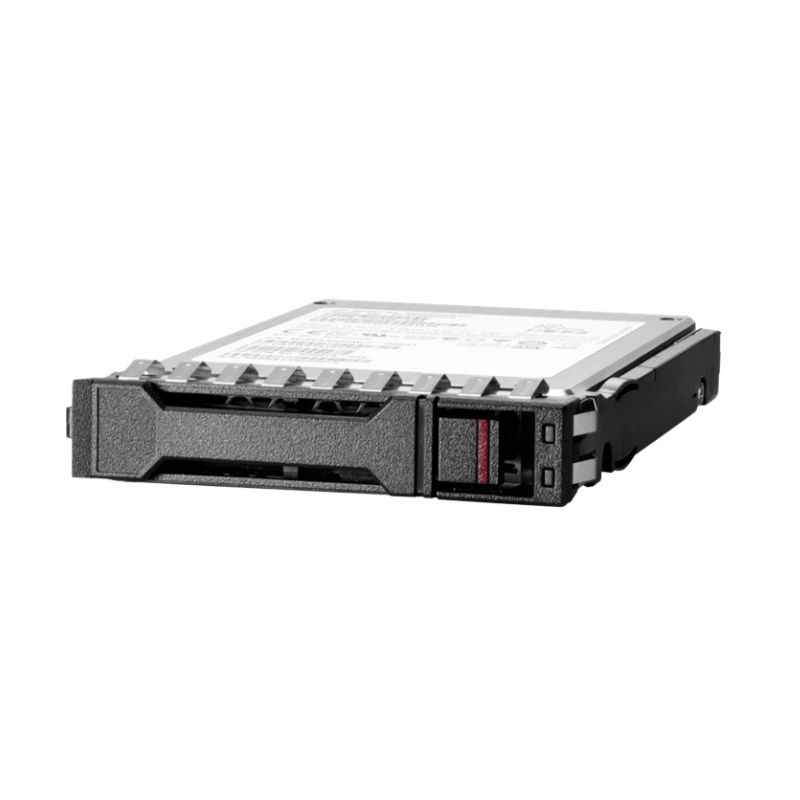
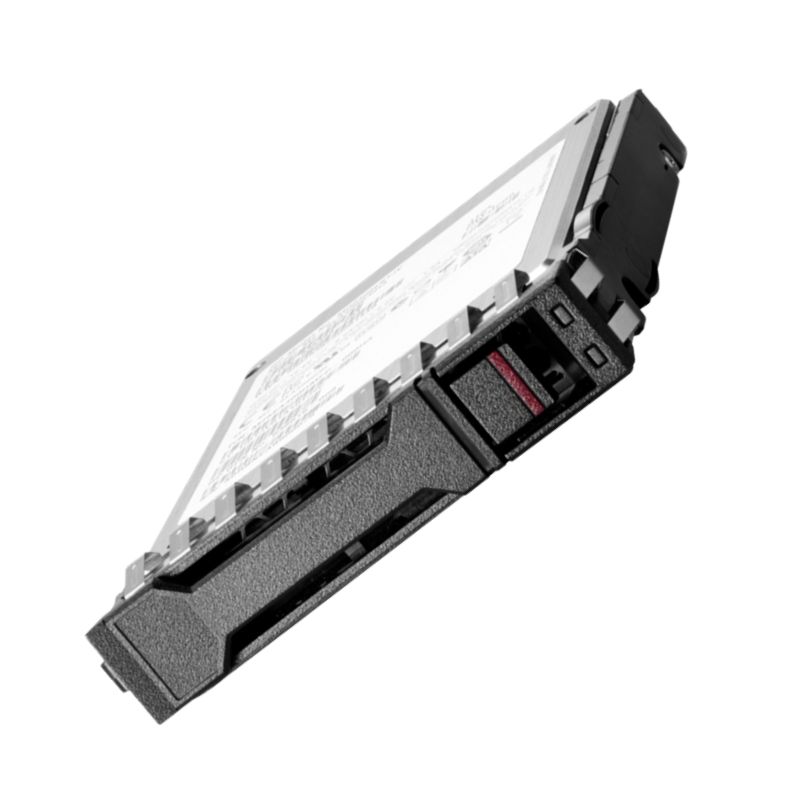
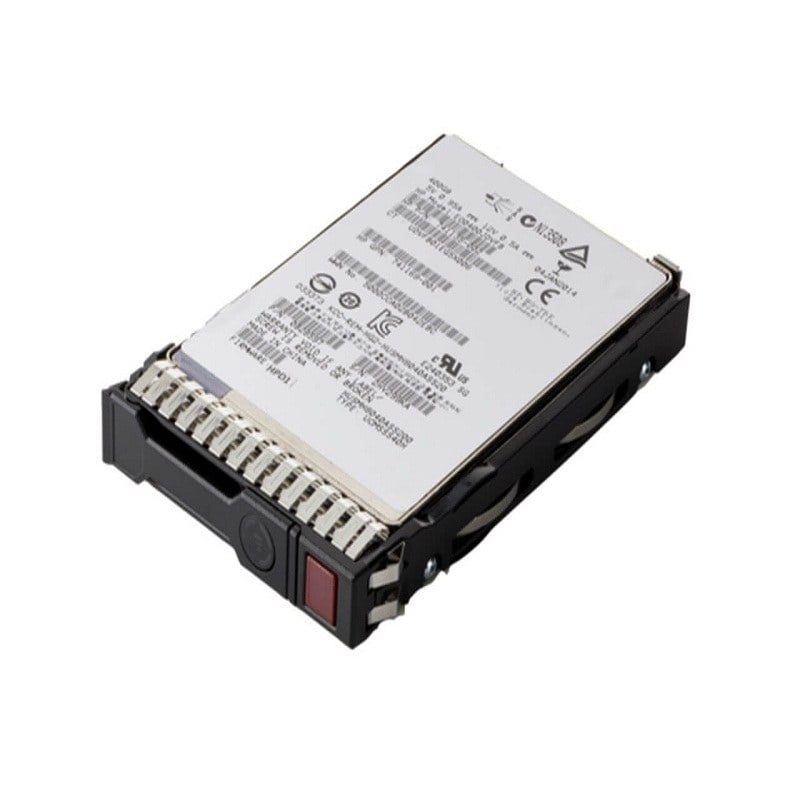
HPE P20195-B21 1.6TB Gen4 Mainstream Performance Mixed Use SFF SC U.3 NVMe SSD. Excellent Refurbished with 1 year replacement warranty
HPE P20195-B21 1.6TB Gen4 Mainstream Performance Mixed Use SFF SC U.3 NVMe SSD represents a modern enterprise storage component designed to deliver a balance of sustained throughput, predictable latency, and acceptable endurance for mixed read/write workloads. Built on PCIe Gen4 NVMe technology, this solid state drive targets mainstream performance tiers where cost-efficiency and consistent I/O behavior matter more than the absolute top-end write endurance of specialized drives. The SFF (small form factor) U.3 interface ensures wide compatibility with modern HPE platforms and other compatible server and storage arrays that accept enterprise U.3 NVMe drives, supporting hot-swap serviceability and maximizing rack-level density.
HPE P20195-B21 is specified at 1.6TB usable capacity and leverages Gen4 x4 NVMe connectivity to provide a substantial increase in bandwidth compared with previous PCIe generations. The drive’s Mainstream Performance classification indicates firmware and flash management tuned to deliver low tail latency and consistent performance across mixed-use patterns common in virtualization, database caching, and general-purpose high-performance computing. The Mixed Use label reflects a design trade-off that favors balanced endurance metrics and sustained throughput, appropriate for workloads that combine reads and writes rather than pure read-intensive or heavy-write scenarios.
The SFF U.3 (also known as 2.5-inch U.3) form factor simplifies integration into dense server chassis and shared storage enclosures. U.3 adds backwards-compatible behavior with U.2 and supports NVMe protocols directly over PCIe lanes, enabling hot-plug capabilities in enterprise environments. Small form factor drives fit common server sleds and caddies while the U.3 connector provides a standard interface for management and data operations across a broad range of HPE ProLiant and Apollo systems. The single connector design reduces installation complexity and standardizes replacement parts across data center inventories.
Performance of the HPE P20195-B21 is calibrated for mainstream data center tasks: it offers high read IOPS while maintaining strong mixed read/write IOPS and throughput at low latency. The Gen4 platform allows increased queue depth handling and higher sequential transfer rates than Gen3 devices. In mixed-use workloads such as virtual desktop infrastructure (VDI), transactional databases, and general application servers, the drive’s firmware optimizations aim to keep 99th-percentile latencies low, improving quality of service for time-sensitive operations.
NVMe architecture enables massively parallel command processing, and the Gen4 implementation amplifies the bandwidth available to each drive. This translates into higher sustained sequential throughput and stronger random I/O handling under concurrent multi-tenant conditions. Tail-latency mitigation techniques in contemporary enterprise SSDs, such as background garbage collection scheduling and efficient write amplification management, are incorporated to reduce variance in response times. Practically, customers should expect the HPE P20195-B21 to deliver predictable response times under consistent queue depths critical to performance-sensitive applications.
Mixed Use SSDs balance flash endurance and performance through wear-leveling, over-provisioning, and adaptive write caching strategies. The P20195-B21’s firmware likely includes mechanisms for smoothing write bursts and handling background housekeeping without negatively impacting foreground I/O. This is particularly valuable in environments running transactional databases with frequent small writes combined with heavy read operations, where drives must recover quickly from write amplification spikes while still servicing read requests efficiently.
Endurance for mixed-use NVMe SSDs is often expressed in drive writes per day (DWPD) or total terabytes written (TBW) over the warranty period. HPE-classified mixed-use drives typically deliver endurance sufficient to handle enterprise workloads while keeping acquisition cost reasonable. Reliability features include advanced error correction codes (ECC), power-loss protection to flush volatile caches to persistent media, and robust bad-block management to maintain long-term data integrity. Persistent monitoring of drive health via SMART attributes and vendor-specific telemetry also aids proactive replacements before failures occur.
Power-loss protection circuitry mitigates the risk of in-flight data loss by preserving pending writes during sudden power events, a critical attribute for enterprise deployments where unpredictable power transients can otherwise corrupt datasets. Additionally, many HPE enterprise SSDs support hardware-based encryption to protect data at rest using self-encrypting drive (SED) capabilities. Integration with HPE management suites ensures encryption keys and drive lock states can be controlled centrally, meeting regulatory and compliance requirements for sensitive workloads.
Virtualized environments benefit from the HPE P20195-B21’s predictable latency and mixed workload tuning, allowing denser consolidation ratios without sacrificing end-user responsiveness. For cloud-native platforms, the drive’s NVMe interface reduces CPU overhead per I/O operation, improving IOPS-per-watt efficiency. Container orchestration systems such as Kubernetes can schedule workloads that require fast local storage on nodes equipped with these drives; persistent volumes backed by NVMe provide lower latency storage for stateful services.
Enterprise SSDs often employ vendor-set over-provisioning to reserve flash capacity for background housekeeping, which reduces write amplification and improves endurance. Administrators can additionally configure storage arrays or operating system layers to leave a free pool of space for dynamic provisioning, further smoothing performance during peak writes. Thoughtful partitioning and file system alignment also contribute to sustained SSD performance over the device’s life.
Data at rest encryption, secure erase commands, and drive-level access control form part of the security toolkit for enterprise SSDs. HPE drives commonly support AES-based hardware encryption and Trusted Computing Group (TCG) standards, enabling integration with enterprise key management systems. For organizations bound by regulatory frameworks—such as GDPR, HIPAA, or PCI-DSS—hardware encryption and verifiable secure erase procedures help maintain compliance during repurposing and decommissioning of drives.
Secure erase functions that meet recognized standards are crucial when decommissioning drives. Properly executed secure erase renders data unrecoverable and minimizes the risk associated with hardware disposal or resale. HPE and ecosystem tools provide methods for authenticated secure erase operations, preserving chain-of-custody records for compliance audits. Administrators should document sanitization procedures and verify outcomes where regulatory requirements demand proof of data destruction.
Self-encrypting drives benefit from integration with centralized key management systems for automated key rotation, policy enforcement, and simplified lifecycle administration. When key management is properly configured, administrators can rapidly disable access to data by invalidating encryption keys in event of device theft or loss, adding an extra layer of data protection beyond physical control measures.
Proper matching requires a careful analysis of I/O patterns: read/write ratio, typical I/O sizes, sequential versus random access, and peak concurrency. For example, write-heavy logging systems or high-frequency database commit workloads might benefit from higher-endurance classes, while large-scale read-dominant caches could opt for read-optimized variants. The P20195-B21 sits in the middle ground—offering adequate endurance for mixed I/O patterns while delivering Gen4 NVMe performance to accelerate a wide range of enterprise services.
NVMe drives operating in dense enclosures can experience higher thermal loads. Adequate airflow planning, chassis-level fans, and thermal throttling awareness are essential to prevent prolonged high-temperature exposure that may accelerate wear or trigger throttling. Monitoring temperature sensors exposed by the drives allows administrators to set thresholds and trigger cooling adjustments before performance degradation occurs.
Even with enterprise-grade reliability, SSDs are physical components that can fail; therefore, data protection strategies such as RAID, synchronous replication, or software-defined redundancy should be implemented according to the criticality of the workload. Snapshotting, regular backups, and replication across physical nodes complement the inherent reliability features of the drives and ensure recovery options in the event of media faults.
HPE P20195-B21 1.6TB Gen4 Mainstream Performance Mixed Use SFF SC U.3 NVMe SSD fits a broad spectrum of enterprise scenarios: accelerating virtual machines, acting as cache or metadata tiers in distributed storage, supporting database logs and index stores, and enabling faster boot and application load times for dense server deployments. Its mixed-use endurance profile, Gen4 bandwidth, and U.3 form factor make it a pragmatic choice where balanced performance, predictable latency, and cost efficiency are primary concerns. When paired with appropriate firmware management, monitoring, and infrastructure planning, these drives deliver measurable improvements in application responsiveness and operational efficiency without incurring the premium costs of more specialized endurance classes.


 Contact Us
 Information
 Catalog
 Solid State Drives (SSD)
 Network Switches
 Hard Disk Drives
 HBA & Controllers
 PC & Servers
 PC & Server Memory
 CPU & Processors
 Network Routers
 Power Supplies
 Tape Drives & Libraries
 Network Devices
 Computer & Network Cables