(7% discount is applied at checkout)
Cart is empty
Your go-to destination for cutting-edge server products


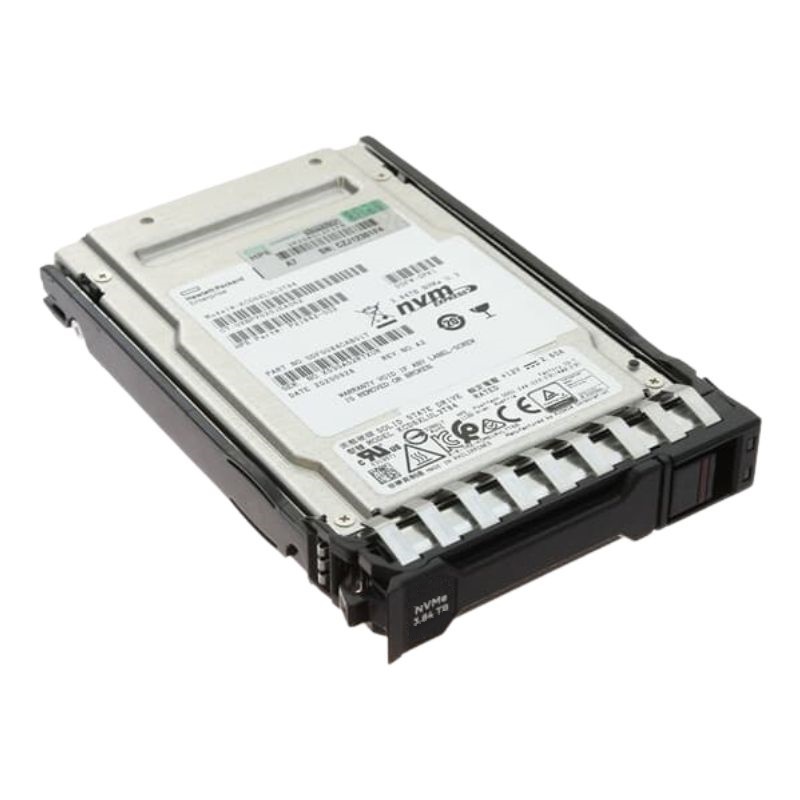
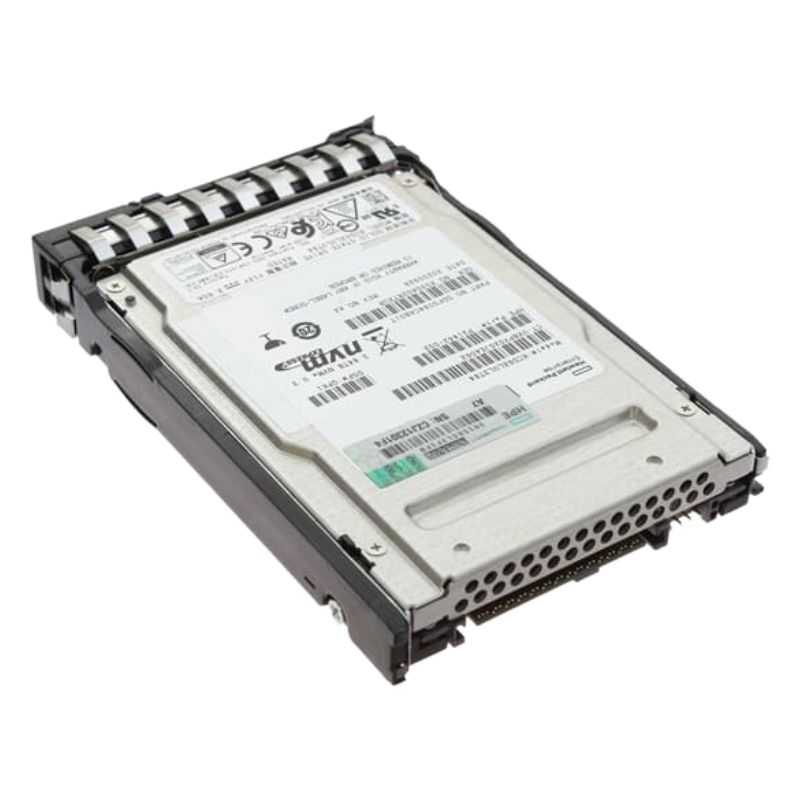
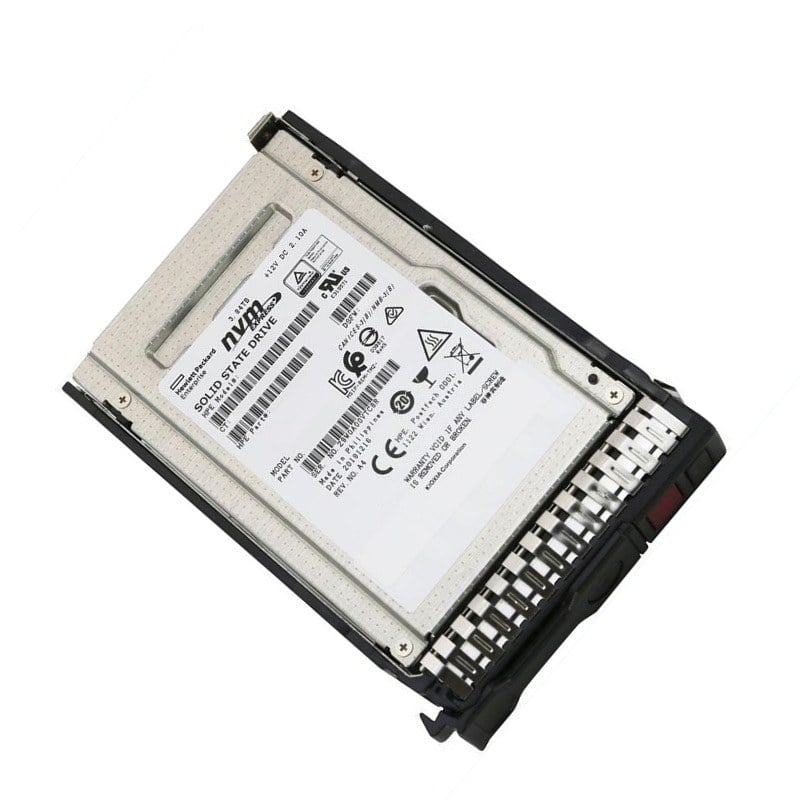
P21842-002 HPE 3.84TB SFF Read Intensive Pci Express 3.0 X4 NVMe Hot Swap SSD. Excellent Refurbished with 1 year replacement warranty
High-performance, enterprise-grade storage engineered for read-intensive workloads: the HPE P21842-002 is a 3.84TB U.2 NVMe solid state drive that combines mainstream performance with data integrity features and hot-swap convenience.
Performance Characteristics
P21842-002 HPE 3.84TB SFF Read-Intensive PCIe 3.0 x4 NVMe Hot-Swap SSD
The P21842-002 HPE 3.84TB SFF Read-Intensive PCIe 3.0 x4 NVMe Hot-Swap SSD category groups enterprise-grade solid state drives engineered for read-heavy workloads in modern data centers, rack servers, and storage arrays. This collection is optimized for applications that demand sustained read throughput, low latency, and the reliability of hot-swappable NVMe architecture. Products in this family are designed to deliver fast data access for virtual desktop infrastructure (VDI), large-scale content delivery, caching layers, database reads, analytics queries, and other read-dominant tasks where consistent, predictable performance matters.
Selecting a read-focused NVMe SSD from this category is an excellent decision when the primary goal is to accelerate read operations with minimal cost per gigabyte compared to higher-end mixed-use or write-intensive parts. These drives balance durable flash media, firmware optimizations, and a cost-efficient endurance profile to serve as read caches, boot drives for hypervisor hosts, and read pools in distributed storage systems.
Drives in this category harness the NVMe protocol and PCIe 3.0 x4 lanes to provide multiple parallel command queues and reduced software overhead. The result is:
Read-intensive SSDs offer a pragmatic cost/GB advantage over higher-endurance variants by using flash media and controller tuning that prioritize read performance over extreme write endurance. For infrastructures where write amplification is limited and write operations are mostly background or batched, read-optimized drives reduce acquisition cost while maintaining enterprise reliability.
The SFF 2.5" mechanical footprint ensures compatibility with dense server and storage chassis. These drives typically present a standard drive tray interface for HPE and other enterprise servers, enabling tool-less hot swap in supported carriers. The compact size reduces space per terabyte while maintaining thermal headroom for high airflow environments.
PCIe 3.0 x4 provides up to four lanes of PCIe connectivity, enabling the NVMe protocol to fully exploit flash parallelism. NVMe reduces command latency by removing legacy storage interface bottlenecks and exposing multiple submission/completion queues to the host OS and hypervisor. This is particularly beneficial for multi-core servers and virtualized environments where I/O concurrency is high.
The 3.84TB nominal capacity often maps to an effective usable capacity slightly lower after metadata, internal spare area, and manufacturer overprovisioning. Overprovisioning helps maintain consistent performance by providing spare blocks for wear leveling and garbage collection. Many enterprise models offer configurable overprovisioning options available through firmware tools.
Many enterprise NVMe drives include power loss protection (PLP) circuitry or capacitive reserves to complete in-flight writes and protect metadata during sudden power events. While read-intensive workloads minimize heavy write activity, PLP remains important to protect host metadata updates, mapping tables, and firmware housekeeping operations that could otherwise corrupt drive state.
When evaluating drives in this category, typical performance metrics of interest include:
This category is ideal for a range of enterprise and service provider applications where read throughput and stability matter:
In VDI and virtualized server farms, many VMs perform numerous small, random reads for OS boot storms and application reads. Read-intensive NVMe SSDs help reduce login times, improve VM responsiveness, and offload read pressure from shared storage pools.
Analytical queries and read-heavy database operations—such as data warehousing and business intelligence—benefit from low-latency read access. When writes are staged or batched elsewhere, read-optimized drives provide cost-efficient acceleration for query results and index access.
For CDN edge nodes, streaming appliances, and media servers that deliver large numbers of read operations for file streaming, the high sequential and random read performance helps maintain consistent throughput to end users.
Within tiered storage architectures, 3.84TB NVMe read-intensive drives are frequently deployed as cache tiers in front of HDD or object storage, storing hot content to dramatically reduce latency for frequent read operations.
Ensuring compatibility is crucial. While the physical and electrical interfaces adhere to standards, vendor ecosystems (HPE in this case) may require matching firmware, backplane connectivity, and server generation support.
Keep firmware current to benefit from controller improvements, security fixes, and endurance enhancements. Use vendor update utilities and validated images to avoid mismatches that can affect drive visibility or stability in enterprise arrays.
Read-optimized NVMe SSDs are efficient compared to rotational media but may draw more power than SATA SSDs during peak activity. Evaluate idle, active, and peak power draw against server PSU capacity to ensure headroom for sustained operations and hot-swap events.
Security features for enterprise SSDs typically include AVS (Authenticated Secure Erase), TCG Opal support on some models, and vendor protocols for sanitization. While read-intensive drives may not be used as primary write targets, secure disposal and sanitization remain mandatory for regulated environments.
Use vendor-provided sanitize commands to clear mapping tables and cryptographic keys. Avoid relying solely on software overwrites for encrypted or enterprise media—adopt certified erase procedures where compliance is required.
Effective lifecycle management reduces downtime and extends the predictable service life of SSDs:
Selecting the right drive requires evaluating acquisition cost, expected lifespan under your workload, operational costs (power and cooling), and replacement frequency. Balancing initial price with the risk of accelerated wear from unexpected write loads is critical.
Choose read-intensive models for cost-effective read acceleration. If your workload includes frequent large writes, log-heavy databases, or high sustained write bursts, consider mixed-use or write-intensive alternatives with higher TBW (Total Bytes Written) ratings and beefier write caching strategies.
Deploying P21842-002 class drives successfully means planning for operational realities and performance tuning:
When using RAID or software-defined storage, ensure your parity calculations and rebuild windows account for NVMe bandwidth characteristics. SSD rebuild times can be faster than HDD but still require careful orchestration to protect against second-drive failures during rebuild windows.
Many modern servers support NVMe boot; however, confirm BIOS/UEFI compatibility and vendor recommendations. Booting from NVMe can dramatically reduce startup time for hypervisors and host operating systems.
Lifespan depends on write volume (TBW), rewrites, and workload profile. Because this category is read-optimized, drives typically provide excellent longevity in scenarios where writes are modest; monitor TBW counters and plan replacements based on vendor endurance specifications and observed usage.
The NVMe protocol and PCIe interface are industry standards; however, carrier trays, LED/status signaling, and vendor firmware features can vary. Non-HPE hosts may require adapter carriers or may not expose certain management features—validate cross-vendor compatibility before large purchases.


 Contact Us
 Information
 Catalog
 Solid State Drives (SSD)
 Network Switches
 Hard Disk Drives
 HBA & Controllers
 PC & Servers
 PC & Server Memory
 CPU & Processors
 Network Routers
 Power Supplies
 Tape Drives & Libraries
 Network Devices
 Computer & Network Cables