(7% discount is applied at checkout)
Cart is empty
Your go-to destination for cutting-edge server products
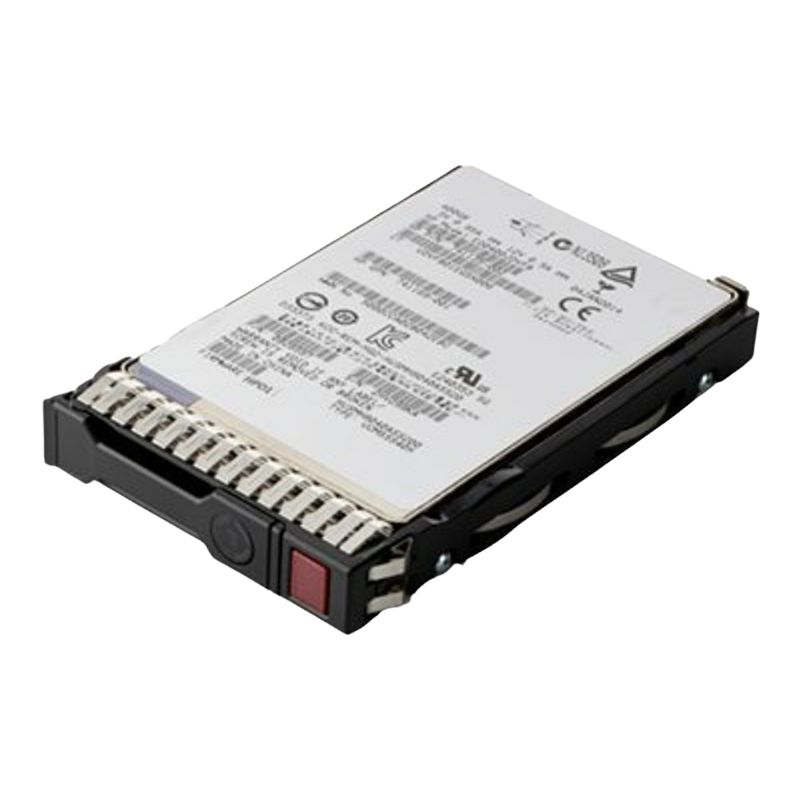


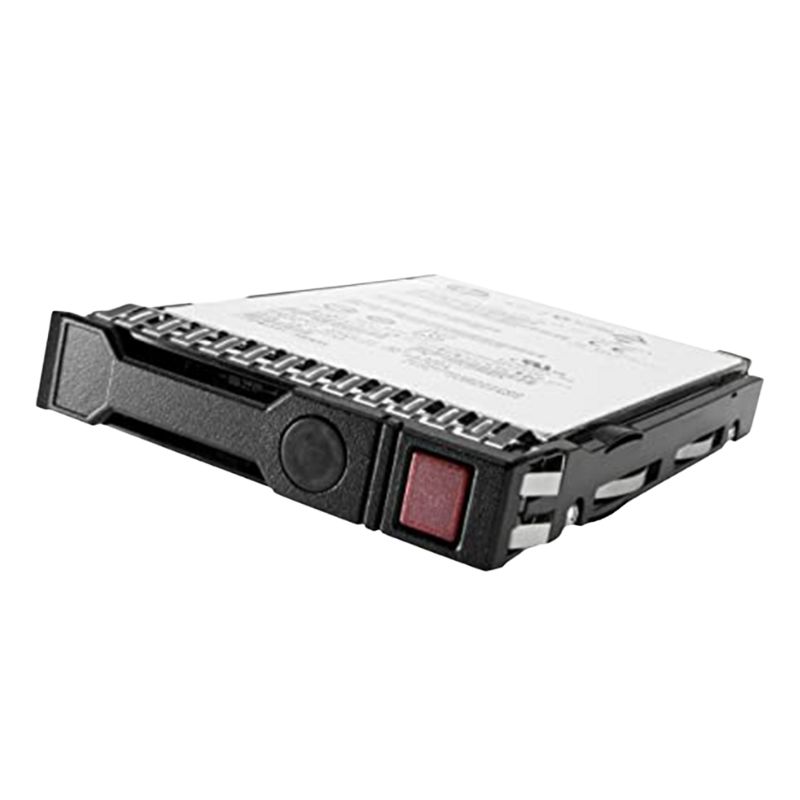
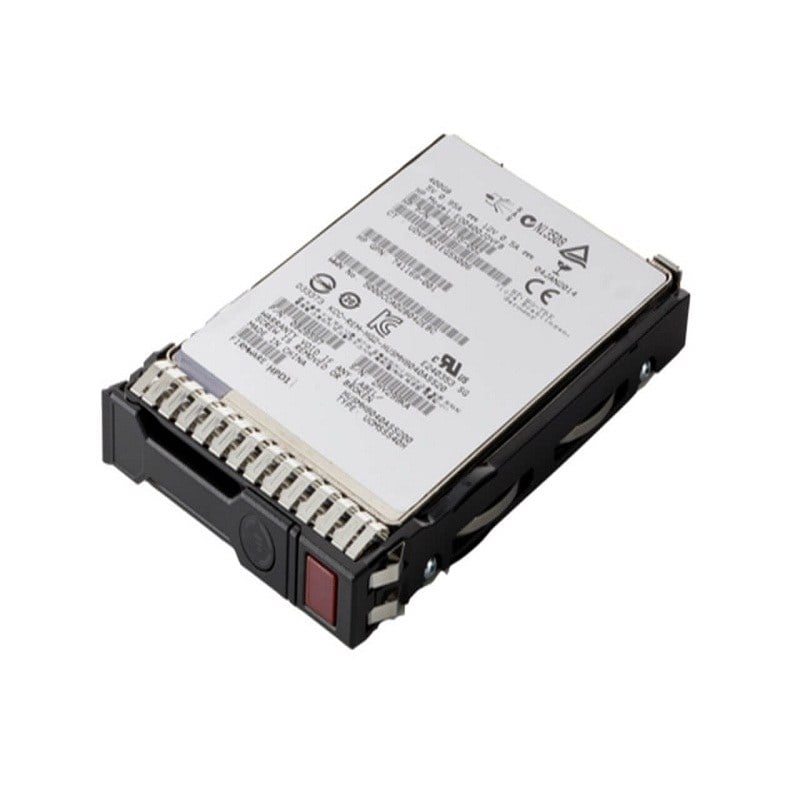
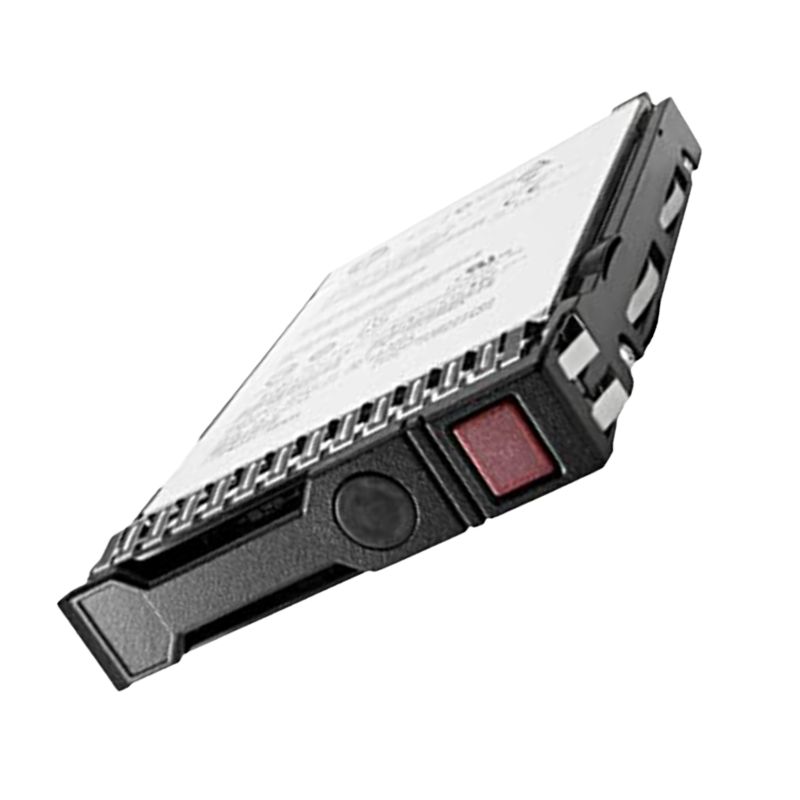
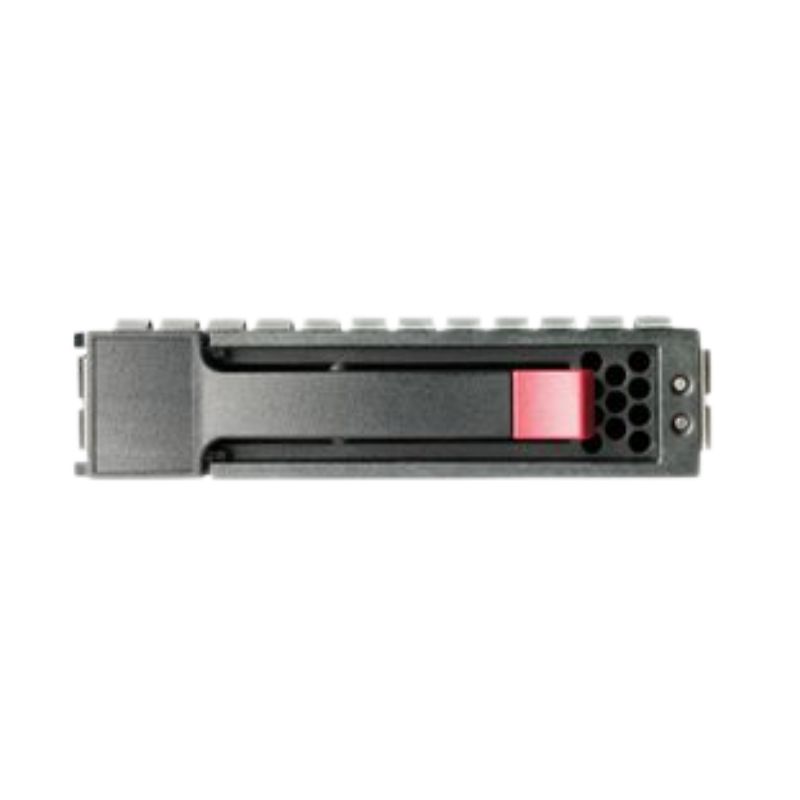
HPE P26129-B21 NVMe 12.8TB High Performance Mixed Use SFF SC U.3 Gen10 SSD. New (System) Pull with 1-Year Replacement Warranty
Built for demanding data centers, the HPE 12.8TB NVMe High-Performance Mixed-Use TLC SFF 2.5" U.3 SSD (P26129-B21) delivers a powerful balance of throughput, I/O operations and endurance. Engineered to slot into HPE Gen10 platforms, this hot-swappable drive is optimized for mixed workload environments where consistent low latency and high reliability are essential.
Overview P26129-B21 HPE NVMe 12.8TB High Performance Mixed Use SFF SC U.3 Gen10 SSD
The P26129-B21 is a high-density NVMe solid-state drive engineered by HPE for demanding enterprise workloads. Marketed as a 12.8TB High Performance Mixed Use NVMe SSD in the SFF U.3 form factor for HPE Gen10 systems, it is optimized for a broad range of data center applications — from virtualization and database acceleration to mixed read/write cloud workloads and AI/ML inference caching. This category emphasizes performance, endurance, and compatibility with HPE ProLiant Gen10 and newer server platforms that support U.3 NVMe drives.
When comparing enterprise NVMe SSDs, technical specifications determine fit for purpose. Below are the critical spec categories that place P26129-B21 within the High Performance Mixed Use bracket.
The 12.8TB capacity point provides large usable storage in a single SFF bay, reducing rack-level drive counts while enabling large working sets to remain on fast NVMe media. This is particularly valuable in environments that benefit from large cache layers or where consolidating many smaller drives into larger ones simplifies system management.
The U.3 (SFF-TA-1001) connector supports NVMe and offers backward compatibility in servers that accept U.3 drives. The compact SFF design enables denser storage configurations, increasing TB-per-rack metrics without sacrificing serviceability: drives are hot-swappable and often managed by front-panel drive carriers in HPE enclosures.
The P26129-B21 uses NVMe over PCIe (typically PCIe Gen3 or Gen4 depending on the server backplane and the specific SKU/firmware). NVMe provides the low-latency, high-concurrency interface needed for modern databases, containerized applications, and virtual desktop infrastructure (VDI).
Performance is often presented as random read/write IOPS and sequential throughput. Drives in this class are engineered to deliver high sustained throughput for large transfers and excellent random performance for transactional workloads. Expect multi-hundred-thousand to >1M IOPS class performance in high-end NVMe architectures when drives are deployed in appropriate host and RAID/NVMe fabrics.
Enterprise NVMe latency for mixed use drives targets single-digit to low double-digit microseconds for read operations under light to moderate queue depths — a critical factor for latency-sensitive applications such as OLTP databases, high-frequency analytics, and real-time caching layers.
Endurance is expressed in Drive Writes Per Day (DWPD), Terabytes Written (TBW) over warranty, or a Mean Time Between Failures (MTBF) rating. Mixed use drives trade off between the high endurance of pure write-optimized drives and the density of read-optimized SSDs; they are commonly specified for multi-year deployments with enterprise-grade wear-leveling and over-provisioning strategies.
Thermal design and power consumption are crucial for rack-scale density planning. High-performance NVMe SSDs include thermal throttling algorithms, optimized idle and active power states, and firmware-level heat mitigation to protect drive longevity while maintaining throughput.
Beyond raw hardware numbers, this category is distinguished by ecosystem features that simplify operations, enhance security, and integrate with HPE management frameworks.
HPE NVMe drives like the P26129-B21 typically ship with HPE-validated firmware and are supported by HPE firmware update tools and enterprise management consoles. Firmware updates are delivered to resolve bugs, improve performance profiles, and add compatibility with evolving server firmware.
Self-Monitoring, Analysis, and Reporting Technology (SMART) attributes and NVMe telemetry are essential for proactive maintenance. Drives in this category expose SMART fields, error counters, temperature sensors, and endurance metrics via NVMe Admin commands, enabling predictive drive replacement workflows in modern DCIM stacks.
Common enterprise SSD features include instantaneous secure erase, TCG Opal or enterprise self-encrypting drive (SED) support, and in-drive cryptographic engines. These capabilities help organizations meet compliance regimes and eliminate data remnants when drives are decommissioned or repurposed.
Look for drives that support hardware-based AES encryption and integrate with key management solutions. Hardware encryption minimizes CPU overhead while delivering FIPS-compliant cryptographic protection in transit and at rest.
A decisive buying factor for enterprise purchasers is vendor validation. The P26129-B21 and similar U.3 NVMe SKUs are validated for use in HPE ProLiant Gen10 servers and tested with HPE Smart Array controllers, HPE firmware stacks, and HPE InfoSight. Compatibility matrices, release notes, and HPE advisory documents should be consulted to select the correct firmware revision for each server generation.
Drives in this category are versatile and well-suited across a spectrum of enterprise tasks. Below are practical deployment scenarios where a 12.8TB high-performance mixed use NVMe provides measurable benefits.
Virtualized infrastructures with many small random I/O patterns benefit from NVMe low latency and high IOPS density. P26129-B21 class drives reduce boot-storm impacts for VDI, improve VM density per host, and accelerate storage-backed snapshots and clones.
Relational and NoSQL databases gain from faster query response times when hot indexes and transaction logs land on NVMe media. Mixed-use endurance supports both frequent reads and writes common in analytics ingestion pipelines.
Web-scale caching layers, content delivery edge nodes, and object-store hot tiers can utilize large-capacity NVMe drives to keep high-demand objects close to compute, reducing origin hits and improving user-perceived latency.
In SDS and HCI architectures, denser NVMe drives simplify cluster topology and minimize the number of nodes required for capacity while providing the IOPS headroom necessary for scale-out performance.
To extract the maximum value from P26129-B21 class drives, follow best practices for host configuration, filesystem selection, and NVMe tuning.
Modern filesystems such as XFS, EXT4 (with tuned mount options), or enterprise filesystems designed for NVMe can lower CPU overhead and improve metadata operations. In latency-sensitive deployments, consider direct NVMe raw device access or optimized block layers that expose NVMe namespaces efficiently.
While NVMe drives can be used in JBOD and NVMe-oF configurations, many enterprises prefer RAID or erasure coding for redundancy. When using RAID, choose controllers and levels that balance rebuild performance with write amplification characteristics inherent to SSDs.
Integrate NVMe SMART attributes and telemetry into centralized dashboards to track end-of-life indicators such as media endurance, uncorrectable error counts, and temperature excursions. Doing so prevents unplanned downtime and enables scheduled replacement windows..
Follow the server vendor guidance on bay placement and airflow pathways. Many HPE enclosures are designed to route cool air from front to rear with dedicated baffles for drive carriers; confirm that drive firmware is reporting normal operating temperatures post-installation.
Enterprises frequently combine NVMe mixed use SSDs with colder capacity tiers to create multi-tier storage architectures. Use policy-based tiering to ensure hot data resides on NVMe while bulk/archive data moves to lower-cost HDD or cloud tiers.
Storage orchestration tools and SDS platforms can automatically migrate data between tiers based on access patterns, ensuring cost-efficiency without manual intervention.
When drives reach end-of-life, use secure erase commands (cryptographic erase for SEDs) to sanitize data before reuse or disposal. Maintain an auditable chain-of-custody for drives removed from service, especially in regulated industries.
Purchasing the right HPE NVMe SKU requires attention to part numbers, firmware revisions, and optional features such as encryption. The P26129-B21 should be matched against server SKU lists and firmware bundles to avoid cross-compatibility issues.
Maintain a small pool of validated spare drives to reduce recovery windows in case of drive failure. Spares should match firmware baseline and ideally be kept in the same environmental conditions to prevent surprises during deployment.
Published specifications provide a controlled view of drive capabilities; however, real-world performance depends heavily on host configuration and workload. Benchmarking in a lab with representative workloads (e.g., FIO, Vdbench, application-level testing) is recommended before large-scale rollouts.
For regulated industries (finance, healthcare, government), validate that the drive's encryption and audit features meet compliance frameworks. Confirm whether FIPS or other certifications apply to the particular SKU and firmware baseline.
Incorporate telemetry into compliance reporting; many enterprise storage managers integrate drive-level metrics into SIEM and audit systems to prove data handling policies are enforced.
Mixed use drives are designed for balanced workloads with frequent reads and writes. For extremely write-heavy workloads (e.g., heavy logging, continuous ingest with sustained large writes), consider a write-optimized drive class with higher DWPD ratings. Conversely, for nearly read-only caches, read-optimized NVMe or QLC-based tiers may be more cost-effective.
U.3 is designed for flexibility, but compatibility depends on the backplane and host firmware. Some mixed backplanes support U.3 and can accept both SAS and NVMe carriers, while older SAS-only backplanes may not. Always consult the hardware compatibility matrix for your specific server chassis.
Establish a firmware update policy that includes pre-update testing on a staging cluster, scheduled maintenance windows, and a rollback plan. Use HPE's firmware tools to apply vendor-validated updates, and ensure support coverage during the update lifecycle.
The P26129-B21 class of HPE NVMe 12.8TB Mixed Use SFF U.3 SSDs offers a robust balance of performance, capacity density, and enterprise-class features. They reduce rack footprint, increase application responsiveness, and integrate tightly with HPE management and support ecosystems — making them a compelling option for IT teams modernizing server storage tiers.


 Contact Us
 Information
 Catalog
 Solid State Drives (SSD)
 Network Switches
 Hard Disk Drives
 HBA & Controllers
 PC & Servers
 PC & Server Memory
 CPU & Processors
 Network Routers
 Power Supplies
 Tape Drives & Libraries
 Network Devices
 Computer & Network Cables