(7% discount is applied at checkout)
Cart is empty
Your go-to destination for cutting-edge server products
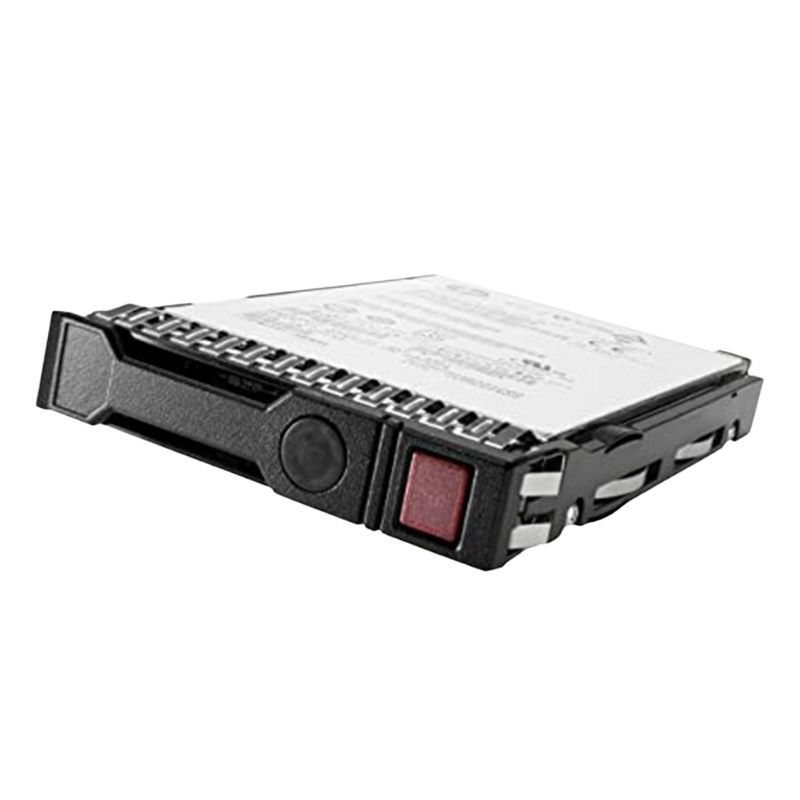


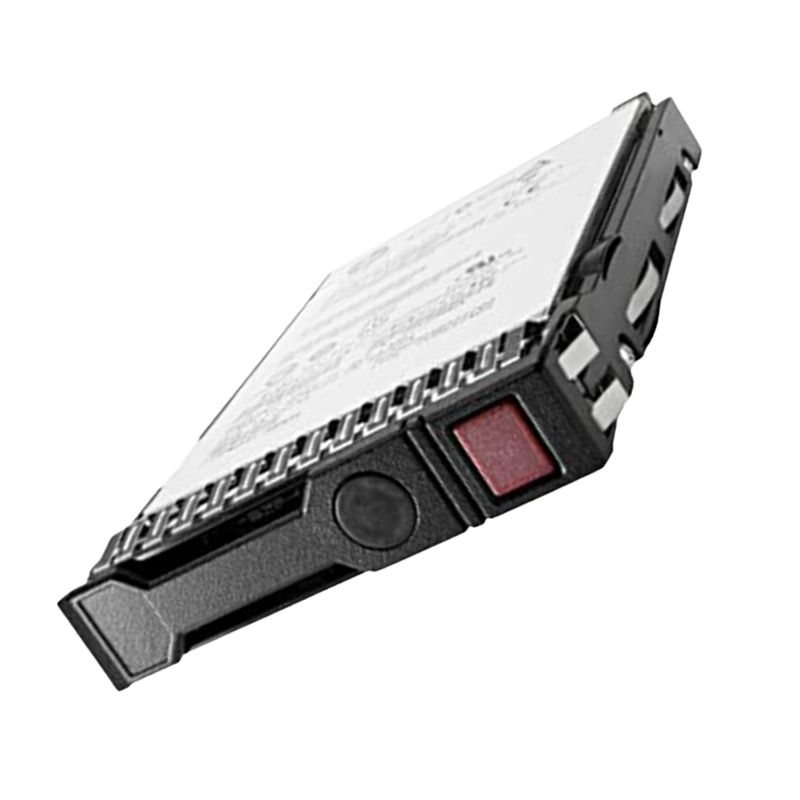
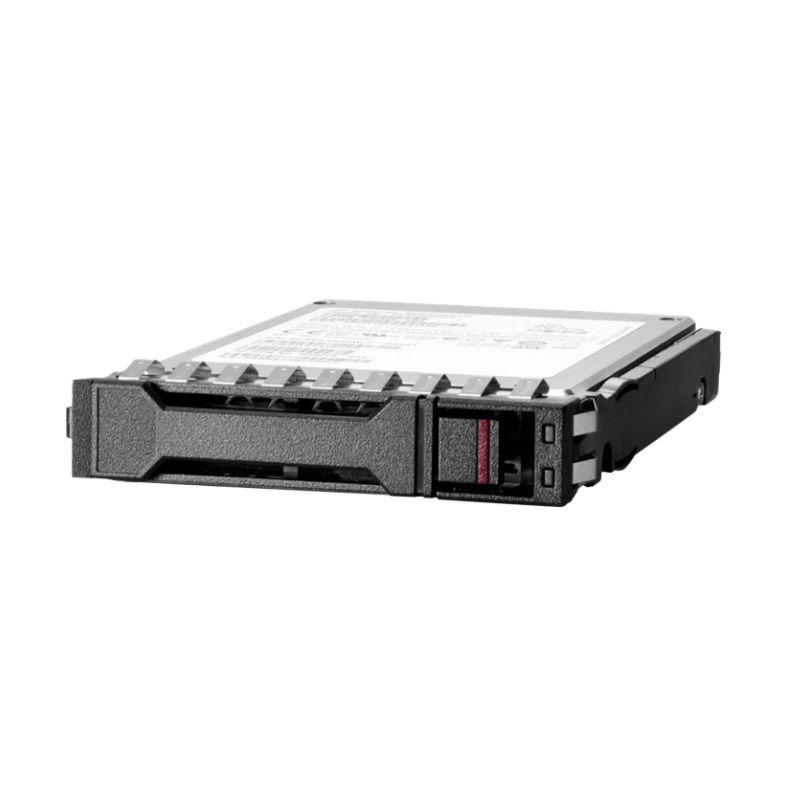
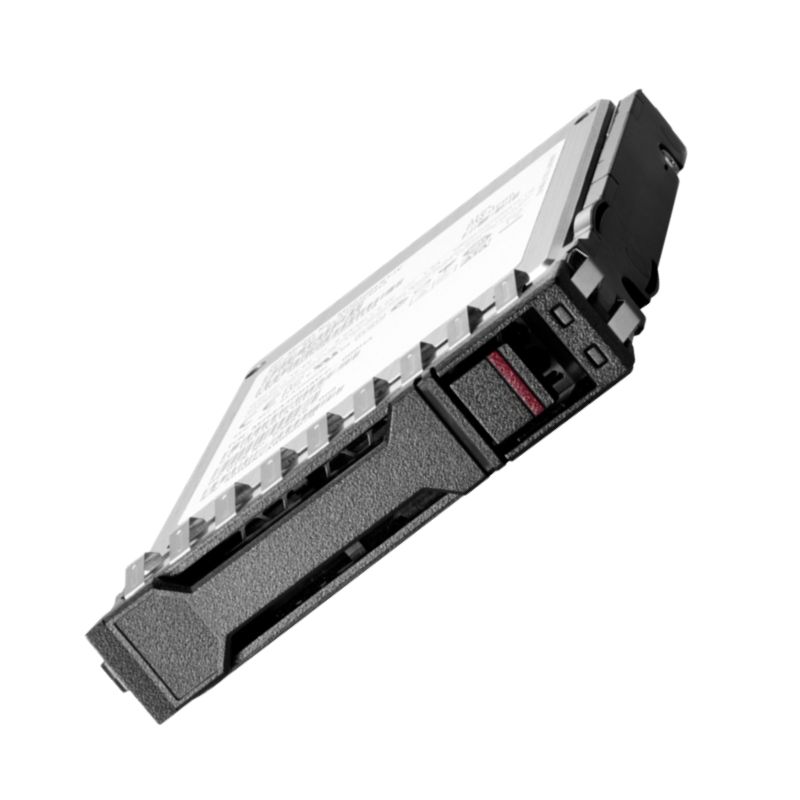
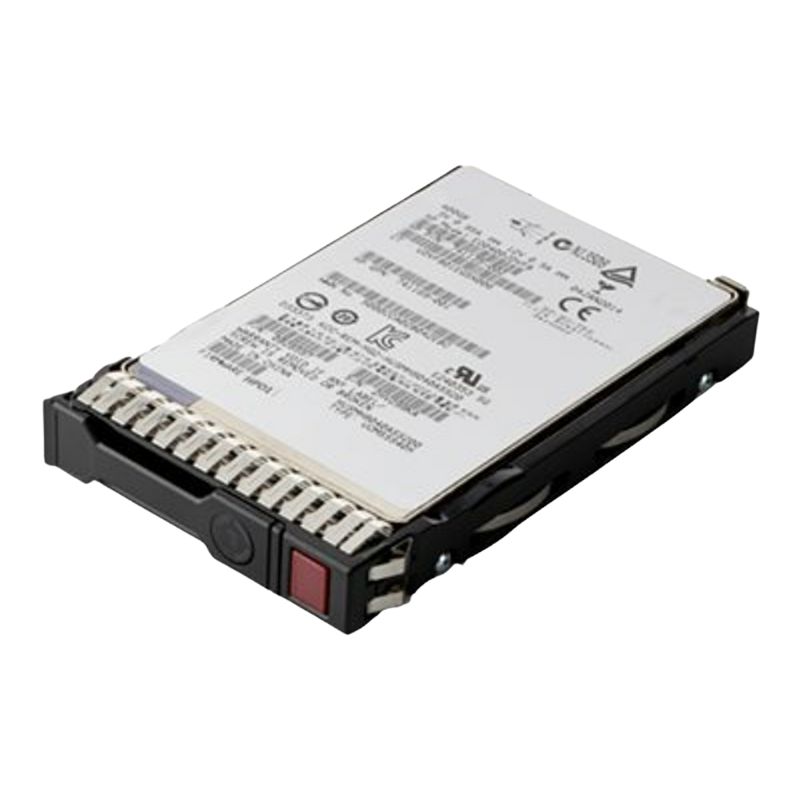
HPE P75520-001 6.4TB SAS 24GBPS Mixed Use 3.5inch SSD. Factory-Sealed New in Original Box (FSB) with 3 Years Warranty
Designed for demanding data-center environments, the HPE P75520-001 is a high-capacity, mixed-use 3.5-inch SAS hard drive that balances storage density with sustained performance. Optimized for a mix of read/write workloads, this 6.4TB module delivers reliable throughput and enterprise-grade durability for virtualization, tiered storage and general purpose server arrays.
Product Overview P75520-001 HPE 6.4TB SAS 24Gbps Mixed Use SSD
The P75520-001 is a high-capacity HPE-branded solid-state drive intended for enterprise-class storage arrays and server environments. Built as a Large-Form-Factor (LFF) 3.5-inch drive and rated at 6.4 terabytes of usable flash capacity, this drive targets mixed-use workloads where a balance of read/write performance, durability and capacity density is required. The product is offered with a SAS 24Gb/s (SAS-24Gbps) interface to connect to modern enterprise controllers and backplanes, delivering predictable throughput in multi-tenant or mixed I/O environments.
The drive appears across HPE inventory and reseller listings under the exact part number P75520-001. It is commonly listed alongside other HPE 6.4TB flash parts, but this particular SKU is identified as a SAS-attached mixed-use offering optimized for enterprise deployments. Product listings and vendor catalogs consistently label the unit as HPE P75520-001 with the 6.4TB capacity.
Physically, the P75520-001 is presented in an LFF 3.5-inch (large form factor) chassis, delivering the capacity advantages of a larger 3.5" SSD while remaining compatible with systems and carriers designed for LFF drives. Connectivity uses the enterprise-grade SAS interface at 24 gigabits per second, which provides robust error handling, multipath capability and common compatibility with HPE ProLiant servers and storage enclosures that support SAS-24Gb/s connectivity.
While raw throughput varies by host controller, RAID level and system configuration, SAS-24Gb/s connectivity gives the P75520-001 headroom for high sequential and strong random performance when paired with compatible HBA/RAID controllers. In practical deployments this translates to lower latency than spinning media, consistent IOPS for mixed workloads and sustained throughput peaks suitable for medium-to-large cache tiers or performance-sensitive capacity tiers.
When evaluating the drive for a particular service tier, remember that system-level factors — controller queue depth, CPU load, firmware revision and RAID overhead — affect observed performance more than advertised bus speeds. Plan for headroom by testing with representative workloads (e.g., mixed 70/30 read/write patterns for mixed-use classification) and monitoring metrics such as average latency (ms), percentiles (p95/p99), and sustained throughput (MB/s) under steady state conditions.
A single 6.4TB drive enables significant capacity per bay when compared to smaller-capacity SSDs, reducing the number of drives needed to reach target raw capacity. This is useful for rack-level density planning, lowering enclosure overhead (fewer trays, less cabling) and simplifying replacement policies while maintaining the performance advantages of flash.
The trade-off for larger single-drive capacity is heavier impact on rebuild and recovery windows in the event of a drive failure. A careful RAID, erasure-coding or redundancy strategy (for example, RAID-6 or erasure coding in scale-out systems) preserves resiliency while keeping rebuild times within acceptable operational limits.
This SKU is targeted at HPE server platforms and storage arrays that accept LFF SAS devices. Vendor listings and catalog compatibility tables reference use in mid-to-high range ProLiant servers and HPE modular storage enclosures; however, always confirm BIOS/firmware and cage/drive-carrier compatibility before purchase. Many resellers list a range of supported ProLiant models and enclosure types for similar 6.4TB HPE parts.
Because SAS is a robust, enterprise-class protocol, interoperability across certified HPE controllers and many third-party HBAs is common. That said, verify driver compatibility and controller microcode, and ensure that the server's backplane supports 3.5" SSD insertion or that you have the correct carrier/tray for SFF-to-LFF compatibility if required.
The P75520-001 is an ideal candidate for an upper-tier "performance capacity" pool: higher capacity than typical SFF performance SSDs, but designed with mixed-use endurance that suits converged workloads. Use it as a fast capacity layer in hybrid architectures (flash tier combined with HDD cold tiers), or as an intermediate performance tier for workloads that are too heavy for plain HDDs but do not justify the cost of ultra-high endurance NVMe drives.
Given the LFF capacity, opt for redundancy approaches that limit exposure to lengthy rebuild events. RAID-6, erasure-coded object storage, or modern distributed filesystems reduce outage risk during rebuilds. If using RAID, choose stripe widths that balance performance and rebuild time; smaller stripe sizes can shorten rebuild work per-drive but may affect sequential throughput.
Maintain a firmware update schedule aligned with HPE advisories and vendor notices. Firmware updates can improve drive stability, fix bugs that impact long-term endurance monitoring, and sometimes adjust wear-leveling algorithms for improved life expectancy. Maintain change control and test firmware updates in a staging area before rolling to production.
Mixed Use SSDs are typically specified with DWPD (Drive Writes Per Day) or TBW (Terabytes Written) metrics that sit between read-optimized and write-optimized drives. This makes them attractive for systems where steady-state mixed traffic is expected. For procurement and capacity planning, map expected write amplification and workload writes to the vendor-provided endurance rating (if available) to forecast drive lifetime under real workloads.
The P75520-001 is sold as an LFF drive and frequently shipped with an HPE basic carrier or must be installed into the server’s dedicated carrier slot for 3.5" drives. When moving drives between enclosures, use the correct carrier, avoid forcing the tray, and ensure connectors are aligned to prevent backplane damage.
As with all flash devices, observe ESD safety when handling. Operate within recommended temperature ranges and avoid exposing drives to excessive vibration during shipping or when placed near heavy machinery. Keep drives in anti-static packaging until ready for insertion and use HPE-specified torque and retention mechanisms for carrier screws if applicable.
HPE-branded parts such as the P75520-001 are commonly available through authorized distributors and specialized resellers. Warranty terms and return policies vary by seller; some listings show limited reseller warranties (for example, a 90-day seller warranty) while manufacturer coverage can differ. Verify whether a purchase includes original manufacturer warranty, reseller warranty, or a limited refurb warranty before finalizing the order.
Price per gigabyte for LFF enterprise SSDs is typically higher than that of HDDs but lower in total device count when comparing like-for-like capacity. Evaluate total cost of ownership (TCO) by factoring in power consumption, cooling needs, failure rates, and the operational cost of rebuilds and maintenance windows. For many workloads, the performance and power savings of flash translate to reduced TCO even when upfront unit price is higher.
Compared to 2.5" NVMe (U.2/U.3) or SAS SFF SSDs, a 3.5" 6.4TB SAS drive offers higher single-drive raw capacity at the expense of potentially lower peak I/O density and higher per-device rebuild times. NVMe drives may provide much lower latency and higher IOPS per drive, whereas the P75520-001 excels where capacity density, SAS ecosystem support and mixed workload endurance are prioritized.
To improve discoverability, use phrasing and long-tail keywords that match buyer intent. Examples include: "HPE P75520-001 6.4TB SAS SSD", "6.4TB SAS 24Gbps mixed use 3.5-inch HPE drive", "enterprise mixed-use LFF SSD HPE P75520-001", "HPE 6.4TB SAS 24G LFF SSD specs", and "buy P75520-001 HPE mixed use SSD". These variants cover both technical and commercial queries used by procurement teams and IT administrators.
In addition to product headings and spec tables, include structured markup (JSON-LD product schema) on the surrounding page, breadcrumb navigation, clear compatibility lists (server models & controllers), and frequently asked questions to capture rich snippets and support purchase decision searches.
Display OEM logos, official part numbers, verified reseller badges and explicit warranty statements on the page. Including customer testimonials or case studies about similar capacity-tier deployments increases buyer confidence for large purchases.
Use Product schema (JSON-LD) to surface price, availability, SKU and review details to search engines. Combine this with Open Graph tags and Twitter cards to improve visibility in social previews and rich search results.


 Contact Us
 Information
 Catalog
 Solid State Drives (SSD)
 Network Switches
 Hard Disk Drives
 HBA & Controllers
 PC & Servers
 PC & Server Memory
 CPU & Processors
 Network Routers
 Power Supplies
 Tape Drives & Libraries
 Network Devices
 Computer & Network Cables