(7% discount is applied at checkout)
Cart is empty
Your go-to destination for cutting-edge server products
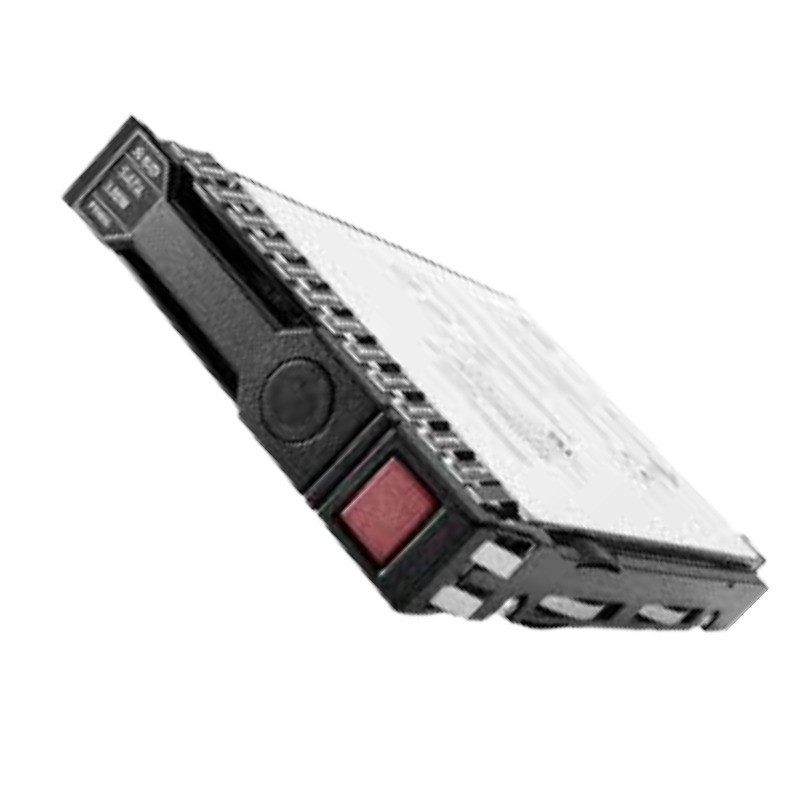


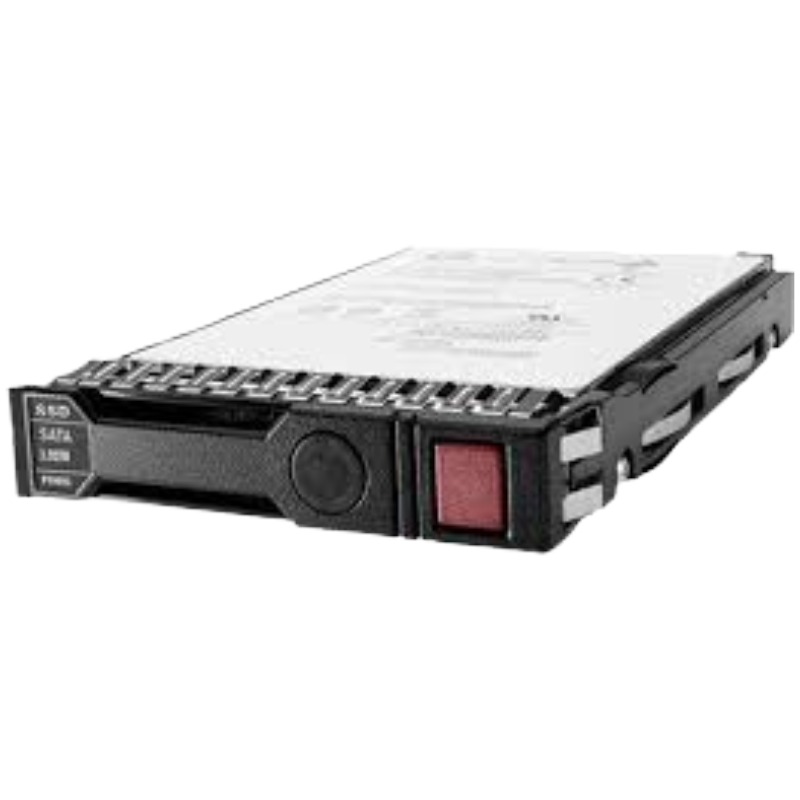
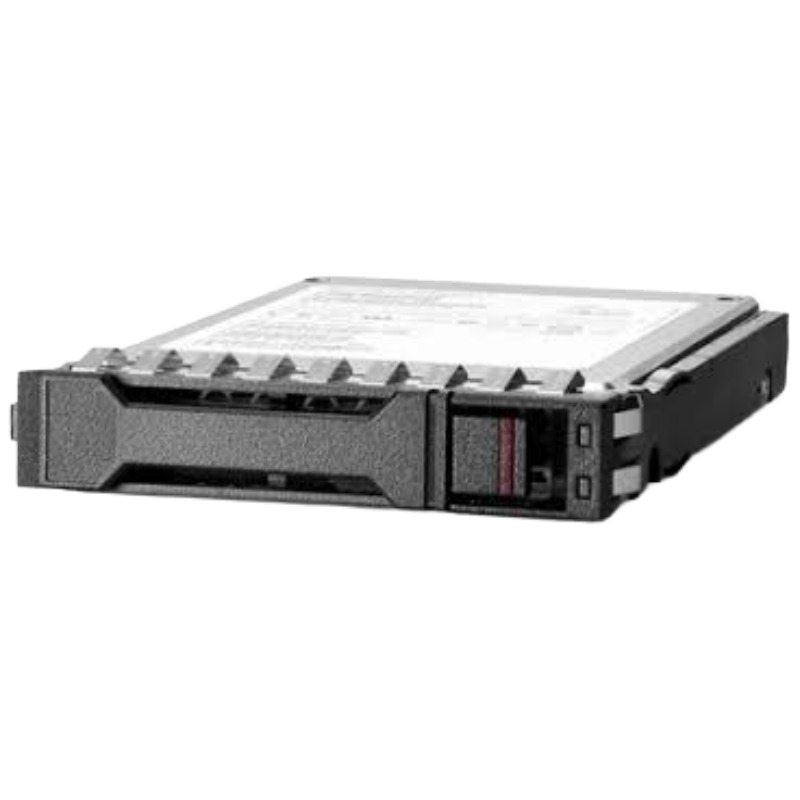
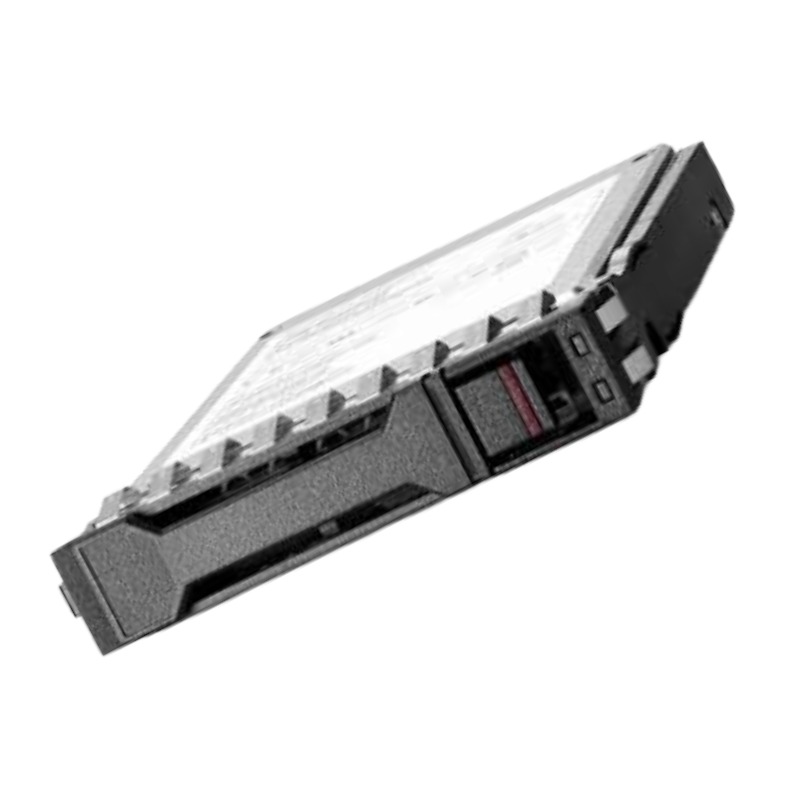
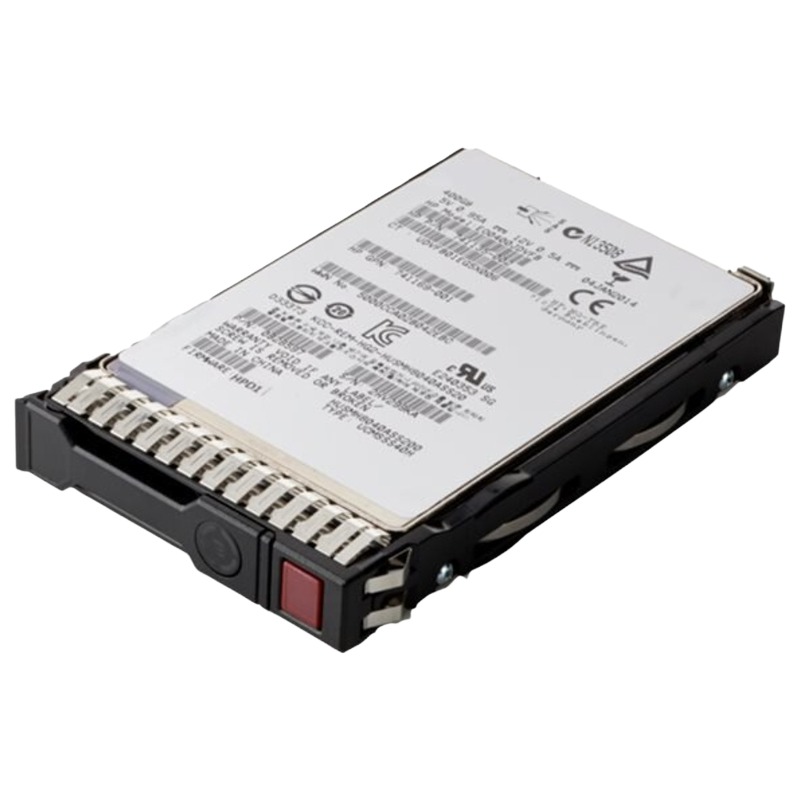
HPE VO001920KYMMA 1.92TB Gen4 Mainstream Read Intensive 2.5inch SFF U.3 Bc PCI-E 4.0 NVMe SSD. Excellent Refurbished with 1 Year Replacement Warranty
The HPE VO001920KYMMA delivers 1.92 terabytes of enterprise-grade storage capacity, optimized for read-intensive workloads. This specific capacity point represents the sweet spot for many server applications, balancing storage density with performance characteristics and endurance requirements.
This SSD utilizes the 2.5-inch Small Form Factor (SFF) design with U.3 interface compatibility. The 2.5-inch SFF form factor ensures broad compatibility across HPE server platforms while maintaining optimal space efficiency in dense server configurations. The U.3 interface provides backward compatibility with U.2 systems while supporting NVMe protocol advancements.
Built on NVMe Gen4 architecture, the VO001920KYMMA delivers significant performance improvements over previous generations. The Gen4 interface doubles the bandwidth compared to Gen3, supporting PCIe 4.0 x4 lanes with theoretical transfer speeds up to 64 Gb/s. This enables higher IOPS and lower latency for demanding enterprise workloads.
As a read-intensive SSD, this drive is engineered specifically for applications where read operations dominate the workload profile. The flash management algorithms, controller architecture, and NAND configuration are all optimized to deliver consistent read performance while maintaining efficient write capabilities for operational requirements.
Enterprise-grade error correction capabilities protect data integrity across the NAND flash array. The drive implements sophisticated ECC algorithms capable of correcting multiple bit errors per page, ensuring data reliability even as NAND cells approach their endurance limits over the drive's operational lifetime.
Comprehensive power loss protection circuitry safeguards data during unexpected power interruptions. This feature ensures that all data in the volatile write cache is committed to non-volatile NAND flash in the event of power failure, preventing data corruption and maintaining filesystem integrity.
The VO001920KYMMA is specifically validated and qualified for HPE ProLiant Gen10 Plus and Gen11 server platforms. This ensures optimal performance, thermal management, and firmware integration when deployed in supported HPE servers. The drive appears in the HPE compatibility matrix and is supported by HPE service and support organizations.
The VO001920KYMMA excels as a boot device for virtualized environments, providing fast host system initialization and rapid VM deployment. The read-intensive nature aligns perfectly with boot patterns where operating system files are frequently read but infrequently modified after initial installation.
For hypervisor installations, this SSD delivers the consistent low-latency performance required for efficient resource scheduling and VM management operations. The Gen4 NVMe interface ensures that storage never becomes a bottleneck in densely virtualized server configurations.
Database applications with heavy read components, such as data warehouses, business intelligence systems, and reporting databases, benefit significantly from the VO001920KYMMA's performance profile. The drive accelerates query performance for read-heavy operations while maintaining sufficient write performance for transaction logging and updates.
The VO001920KYMMA utilizes advanced 3D NAND technology with multiple layers of memory cells stacked vertically. This architecture provides higher density, better performance, and improved reliability compared to planar NAND designs. The specific cell technology (TLC or QLC) is optimized for the read-intensive workload classification.
The U.3 interface provides unique flexibility by supporting SAS, SATA, and NVMe protocols through a single connector. This allows the drive to be deployed in heterogeneous environments and simplifies spare part strategy for organizations with mixed storage technologies.
Full compliance with NVMe 1.4 specification ensures support for the latest enterprise features including enhanced queueing, virtualization support, and improved power management. The implementation includes optional commands and features that enhance performance in HPE server environments.
The VO001920KYMMA delivers exceptional sequential read performance characteristic of NVMe Gen4 technology, with transfer rates significantly exceeding SATA SSDs and previous generation NVMe drives. This performance accelerates large file transfers, backup operations, and data migration tasks.
While optimized for read-intensive workloads, the drive maintains robust sequential write capabilities sufficient for enterprise operations. The write performance ensures that periodic large writes, such as database dumps or log archiving, complete efficiently without creating operational bottlenecks.
High random read IOPS enable the drive to support numerous concurrent operations typical in virtualized and database environments. The performance remains consistent across various queue depths and block sizes, ensuring predictable application behavior under varying workload conditions.
The random write performance, while secondary to read optimization, provides sufficient capability for write operations encountered in read-intensive applications. The drive architecture includes write acceleration technologies to maintain consistent performance during burst write activity.
Multiple power states optimize energy consumption based on workload demands. The drive implements aggressive power management during idle periods while maintaining rapid transition to active states to ensure performance when I/O requests arrive.
Performance per watt metrics demonstrate the drive's efficiency compared to previous generations and competing technologies. This efficiency translates to reduced operating costs and improved power budget utilization in dense server deployments.


 Contact Us
 Information
 Catalog
 Solid State Drives (SSD)
 Network Switches
 Hard Disk Drives
 HBA & Controllers
 PC & Servers
 PC & Server Memory
 CPU & Processors
 Network Routers
 Power Supplies
 Tape Drives & Libraries
 Network Devices
 Computer & Network Cables