(7% discount is applied at checkout)
Cart is empty
Your go-to destination for cutting-edge server products
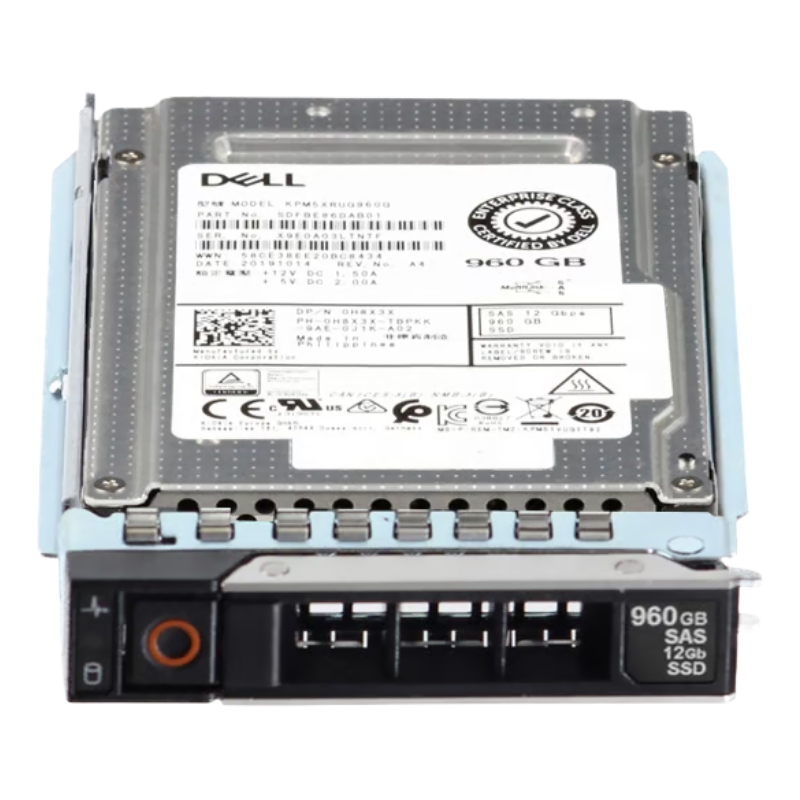


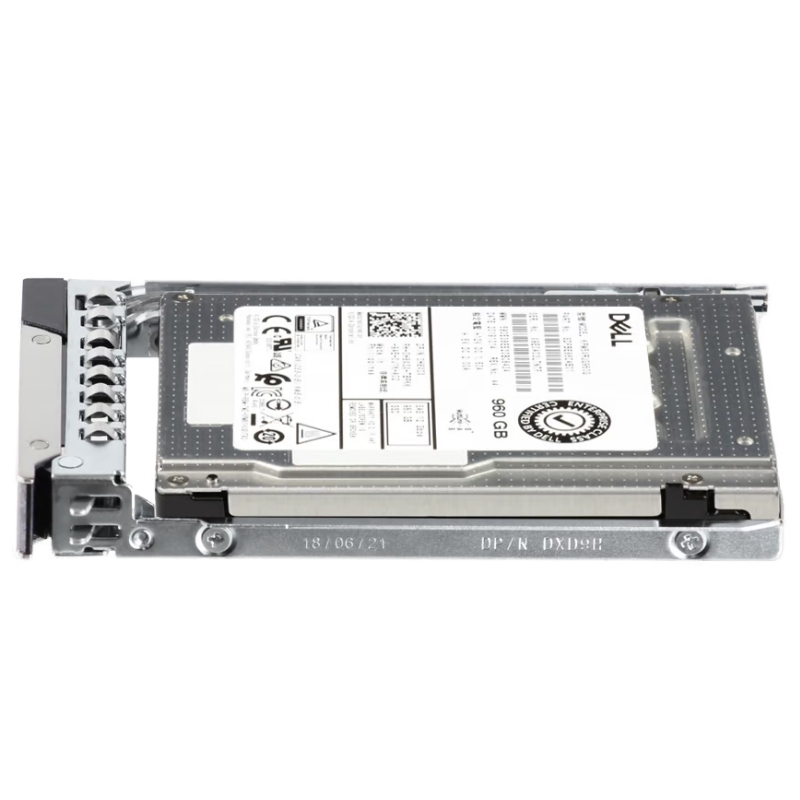
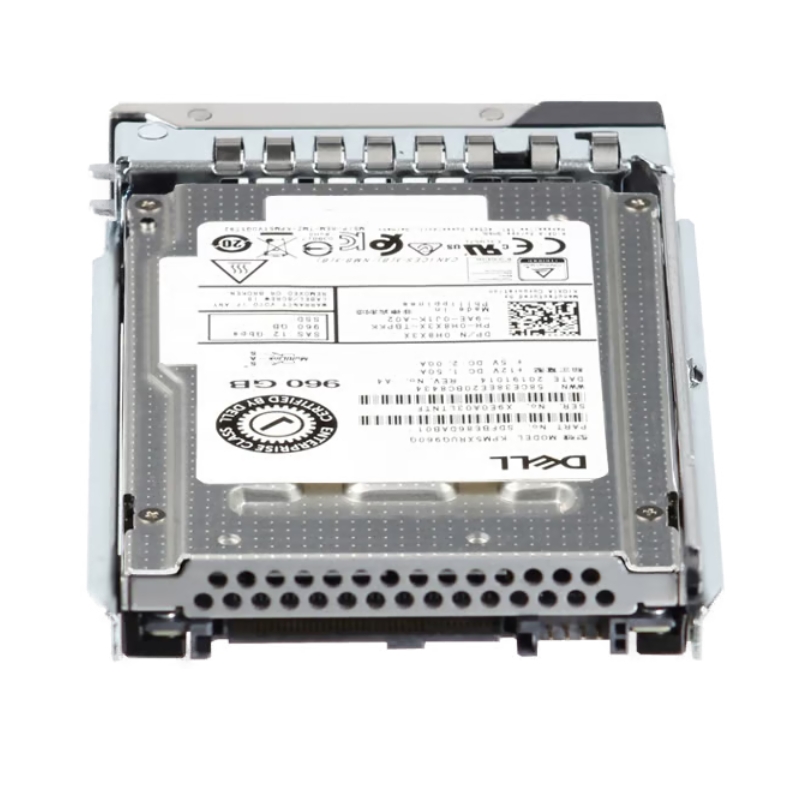
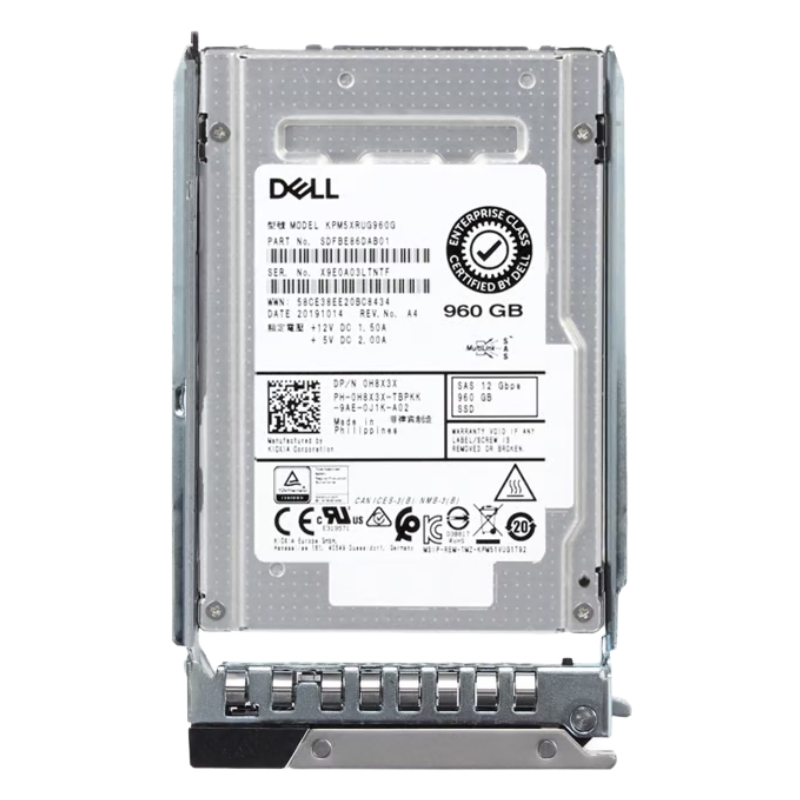
Dell 345-BBZQ 960GB SAS-12GBPS Read Intensive 1dwpd 3d TLC 2.5Inch Hot-plug With Tray For 14g/15g/16g Poweredge Servers SSD. New Sealed in Box (NIB) with 1 year Replacement Warranty
The Dell 345-BBZQ is a high-performance 960GB SAS solid-state drive engineered for read-intensive workloads. Designed for 14G, 15G, and 16G PowerEdge servers, this 2.5-inch hot-plug SSD delivers reliable storage performance with advanced 3D TLC NAND technology and 1 DWPD endurance, ensuring long-lasting data integrity.
Engineered for enterprise environments, the Dell 345-BBZQ SSD provides exceptional throughput and low latency:
The Dell 345-BBZQ SSD seamlessly integrates with a wide range of PowerEdge servers:
Built with enterprise-grade components, this SSD ensures:
The Dell 345-BBZQ 960GB SAS-12GBPS SSD combines impressive read speeds, enterprise-level reliability, and broad server compatibility, making it a perfect choice for organizations seeking high-efficiency storage solutions. Its hot-plug design and 1 DWPD endurance guarantee both performance and longevity in demanding data center operations.
The Dell 345-BBZQ is a high-performance 960GB SAS SSD specifically engineered for Dell PowerEdge servers. This enterprise-grade solid-state drive delivers exceptional read-intensive performance with 12Gbps SAS interface, making it an ideal storage solution for data centers and enterprise environments where reliability, speed, and endurance are critical.
Enterprise SSDs represent a significant advancement in data storage technology, offering substantial improvements over traditional hard disk drives in terms of speed, reliability, and power efficiency. The Dell 345-BBZQ incorporates the latest innovations in flash storage, designed specifically for the demanding requirements of server environments.
The Serial Attached SCSI (SAS) interface provides several benefits over SATA for enterprise applications. With 12Gbps transfer speeds, dual-port capability, and enhanced error recovery, SAS drives are better suited for mission-critical applications where downtime is not an option.
This drive utilizes 3D Triple-Level Cell (TLC) NAND flash memory, which offers an optimal balance between storage density, performance, and cost. The 3D stacking technology allows for higher capacities without increasing the physical footprint of the drive.
DWPD (Drive Writes Per Day) is a critical metric for evaluating SSD endurance. With a rating of 1 DWPD, the Dell 345-BBZQ can withstand having its entire capacity written to once per day throughout its warranty period. This makes it suitable for read-intensive applications where write operations are less frequent.
Read-intensive SSDs are optimized for applications where data retrieval operations significantly outnumber write operations. These drives typically offer higher read performance and greater capacity at a more affordable price point compared to write-intensive models.
The Dell 345-BBZQ SSD delivers exceptional performance characteristics that make it ideal for enterprise environments:
With its 12Gbps SAS interface, this drive offers significantly higher throughput compared to SATA-based SSDs. The SAS interface enables full-duplex communication, meaning data can be read from and written to the drive simultaneously without performance degradation.
The drive excels in random read operations, which is critical for database applications and virtualized environments. While write performance is slightly lower due to its read-intensive design, it still surpasses traditional hard drives by a significant margin.
For large file transfers and streaming applications, the sequential read and write speeds of the Dell 345-BBZQ ensure minimal latency and maximum throughput, enhancing overall system performance.
Enterprise environments demand drives that can operate continuously with minimal failure rates. The Dell 345-BBZQ is designed with these requirements in mind:
With an MTBF of 2 million hours, this drive offers exceptional reliability, reducing the likelihood of unexpected failures and associated downtime.
The drive incorporates advanced error correction algorithms that detect and correct more errors than consumer-grade SSDs, ensuring data integrity in mission-critical applications.
While primarily a read-intensive drive, the Dell 345-BBZQ includes features to protect data in the event of unexpected power loss, preventing corruption and maintaining data consistency.
For optimal performance, the Dell 345-BBZQ should be used with Dell PERC (PowerEdge RAID Controller) cards that support the SAS-12Gbps interface. Recommended controllers include:
The drive is fully compatible with Dell's system management tools, including:
These tools provide comprehensive monitoring and management capabilities, allowing administrators to monitor drive health, performance, and predictive failure indicators.
The Dell 345-BBZQ 960GB SAS SSD is designed for specific enterprise applications where its characteristics provide maximum benefit:
Database applications often involve frequent read operations for query processing. The high read performance and low latency of this SSD make it ideal for database servers, significantly reducing query response times.
For optimal database performance, configure these drives in a RAID 10 array to balance performance and redundancy.
Virtualized environments require storage that can handle multiple simultaneous read operations from different virtual machines. The 345-BBZQ excels in these scenarios, providing consistent performance even under heavy loads.
Use multiple drives in conjunction with Dell's VSAN ready nodes for hyper-converged infrastructure deployments.
CDNs benefit from the high read performance of these SSDs when serving frequently accessed content to multiple users simultaneously.
Deploy in a cache tier configuration to accelerate content delivery while maintaining larger capacity HDDs for archival storage.
The reliability and speed of the 345-BBZQ make it an excellent choice for server boot drives, reducing system startup times and improving overall responsiveness.
Use in a mirrored pair (RAID 1) for boot drives to ensure system availability even in the event of a drive failure.
To maximize the performance and lifespan of your Dell 345-BBZQ SSDs, follow these implementation guidelines:
Proper hardware configuration is essential for optimal performance:
For read-intensive applications, RAID 10 provides the best performance and redundancy balance. RAID 5 can be used for capacity-efficient configurations, though write performance may be impacted.
Ensure your server's backplane supports SAS-12Gbps speeds to avoid bottlenecking the drives. Older backplanes may only support 6Gbps speeds.
Software settings can significantly impact SSD performance:
Ensure proper partition alignment to avoid unnecessary read-modify-write operations that can degrade performance.
While TRIM is less critical in enterprise environments with advanced garbage collection, ensure your operating system and RAID controller properly support TRIM commands for SAS drives.
Regular monitoring helps identify potential issues before they cause downtime:
Monitor SMART attributes through iDRAC or OpenManage to track drive health and predict potential failures.
Regularly check for and apply firmware updates to ensure optimal performance and address any potential security vulnerabilities.


 Contact Us
 Information
 Catalog
 Solid State Drives (SSD)
 Network Switches
 Hard Disk Drives
 HBA & Controllers
 PC & Servers
 PC & Server Memory
 CPU & Processors
 Network Routers
 Power Supplies
 Tape Drives & Libraries
 Network Devices
 Computer & Network Cables