(7% discount is applied at checkout)
Cart is empty
Your go-to destination for cutting-edge server products
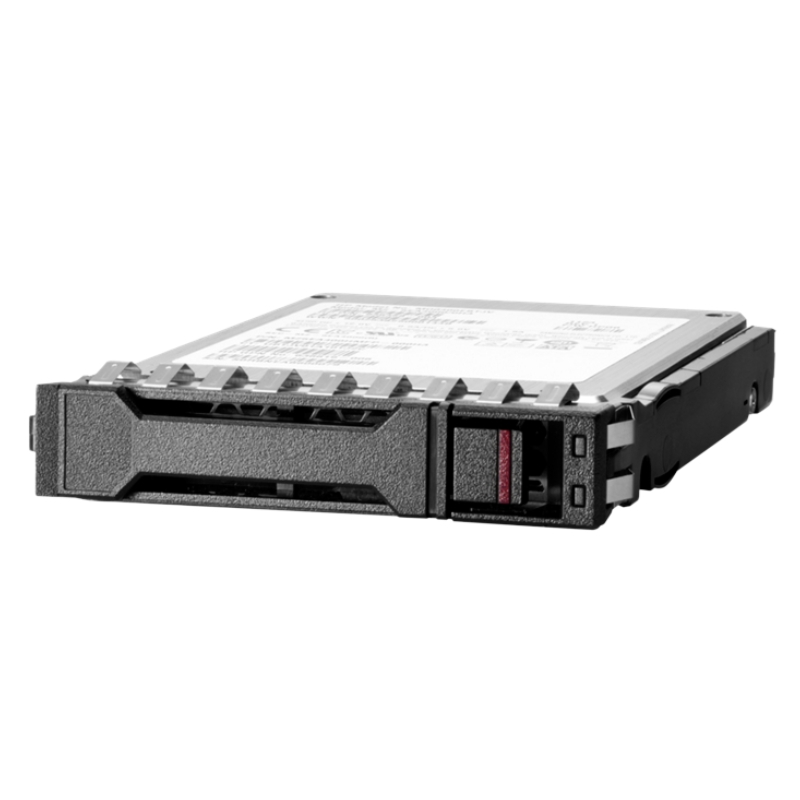


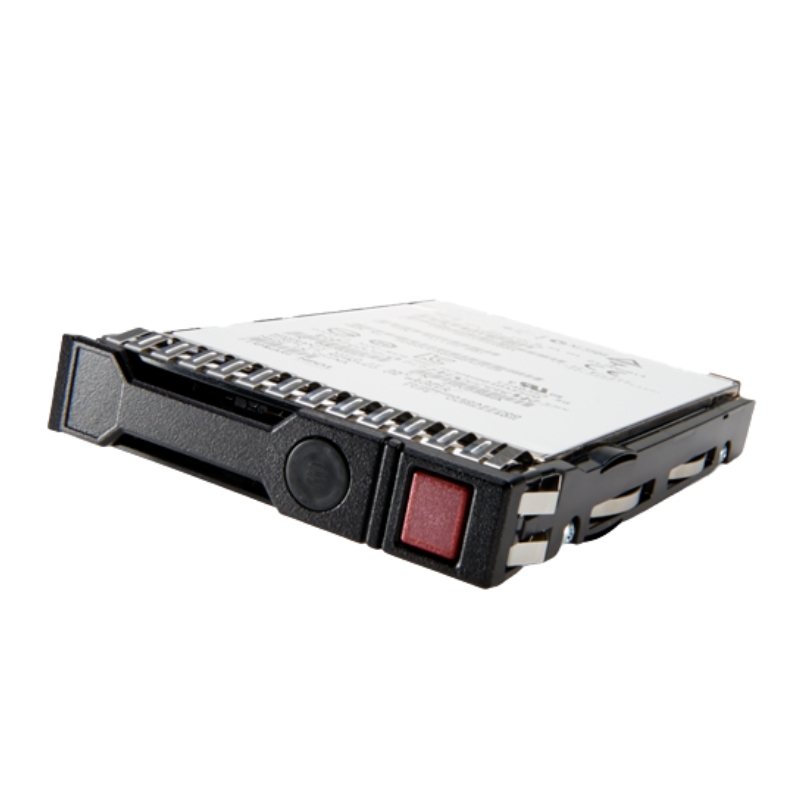
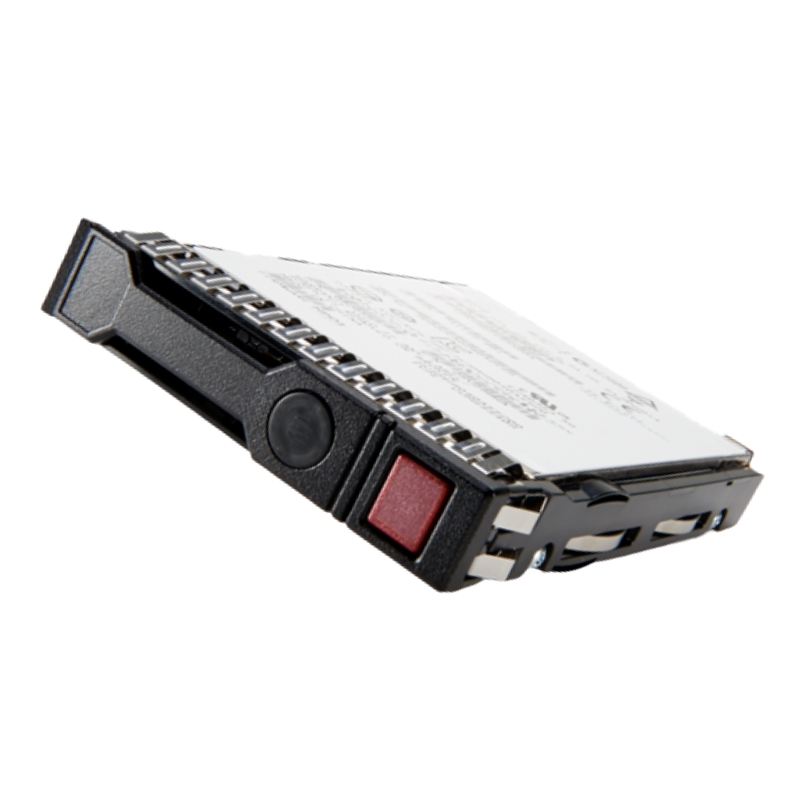
HPE P75455-B21 3.2TB SAS 24Gbps 3.5 Inch LFF Mixed Use Solid State Drive. Factory-Sealed New in Original Box (FSB) with 3 Years Warranty
The HPE P75455-B21 is built for organizations that require high-speed data access without sacrificing reliability. This mixed-use SSD blends the endurance of write-intensive drives with the performance characteristics of read-heavy solutions, making it suitable for virtualization, databases, and demanding workloads.
Designed for environments with diverse workload profiles, this SSD provides:
This HPE SSD is ideal for:
The HPE P75455-B21 3.2TB SAS 24Gbps LFF Mixed Use Solid State Drive is engineered for enterprise storage environments that demand a balanced combination of throughput, sustained performance, and reliable endurance. Designed as a large-form-factor (LFF) drive, this 3.2TB SAS device targets mixed-workload data centers, virtualization hosts, hyperconverged infrastructures, and database accelerators where a broad mix of read and write operations occurs. Its SAS 24Gbps interface provides a robust, highly-compatible connection to modern HPE servers, storage arrays, and SAN fabrics, enabling higher I/O per second and lower latency than legacy SATA-based drives while maintaining enterprise-grade resiliency.
Performance is the core reason organizations select mixed-use SAS SSDs. The P75455-B21 is optimized to handle a wide range of I/O patterns — from steady sequential throughput during bulk transfers to bursty, low-latency random I/O for transactional systems. Compared to traditional spinning disks, this SSD reduces application latency dramatically and increases overall rack-level performance density. For workloads that mix reads and writes, the firmware and internal flash translation layers (FTL) are typically tuned to reduce write amplification, maintain consistent quality of service (QoS), and limit performance variability under sustained load.
The “LFF” designation indicates a large form factor enclosure. LFF drives are commonly used in chassis and storage arrays that prioritize capacity per bay. The mechanical design makes these drives simple to hot-swap and service in server and storage enclosures, and they integrate with standard drive carriers and backplanes used in enterprise racks.
The SAS 24Gbps interface provides multi-lane, point-to-point connectivity with advanced features such as dual-port access, multipath I/O compatibility, and robust error recovery. Dual-port SAS enables high availability configurations: two independent controllers can access the same drive for failover or active/active scenarios. This is an advantage in SAN environments and clustered storage platforms where continuous access is required.
Enterprise LFF SAS SSDs support hot-plug replacement — enabling maintenance without powering down servers or arrays. This feature reduces downtime and operational disruption, particularly in environments that require continuous availability.
HPE-branded drives are tested for plug-and-play compatibility with HPE ProLiant servers, Apollo compute platforms, HPE storage arrays, and supported HBAs. This reduces the risk of firmware incompatibilities and simplifies drive firmware updates via HPE management tools. Using vendor-validated drives often eases warranty management and allows customers to consolidate support through a single channel.
Firmware plays a central role in drive behavior. HPE typically provides tested firmware bundles that integrate with iLO, OneView, and HPE Smart Storage Administrator (SSA). These management utilities can identify drive health, schedule updates, and automate compatibility checks. Regular firmware maintenance, coordinated with scheduled maintenance windows, helps maintain performance and security posture.
Multipath I/O drivers and enterprise RAID controllers should be configured to take advantage of SAS capabilities like dual-port access and link-level error recovery. RAID rebuilds involving SSDs behave differently than HDDs: they are faster, but long rebuilds can still tax system I/O. Incorporating spare capacity and carefully managing rebuild concurrency will reduce impact on active workloads.
When installing LFF SAS SSDs in HPE systems, follow ESD precautions, verify sled/carrier seating, and confirm backplane seating lights or alerts. Use the HPE management utilities to confirm proper drive recognition, link negotiation at 24Gbps, and reported health status. If the drive is being added as part of an existing RAID set, plan for an initial resilvering period and avoid scheduling other heavy I/O during that window.
A proactive maintenance program extends drive life and helps avoid unexpected disruptions. Monitor SMART attributes, endurance meters, and any HPE-specific predictive failure indicators. Establish thresholds and automated alerting for metrics such as media errors, spare capacity usage, and percentage lifetime used so that drive replacements can be scheduled before service-impacting failures occur.
RAID rebuilds and node rebuilds can generate significant background I/O. For SSD-equipped arrays, plan for temporary throttling or background I/O scheduling to limit impact on foreground workloads. Keep replacement drives of compatible models available in stock, and use hot-spare configurations where appropriate to reduce rebuild initiation time when a drive fails.


 Contact Us
 Information
 Catalog
 Solid State Drives (SSD)
 Network Switches
 Hard Disk Drives
 HBA & Controllers
 PC & Servers
 PC & Server Memory
 CPU & Processors
 Network Routers
 Power Supplies
 Tape Drives & Libraries
 Network Devices
 Computer & Network Cables