(7% discount is applied at checkout)
Cart is empty
Your go-to destination for cutting-edge server products
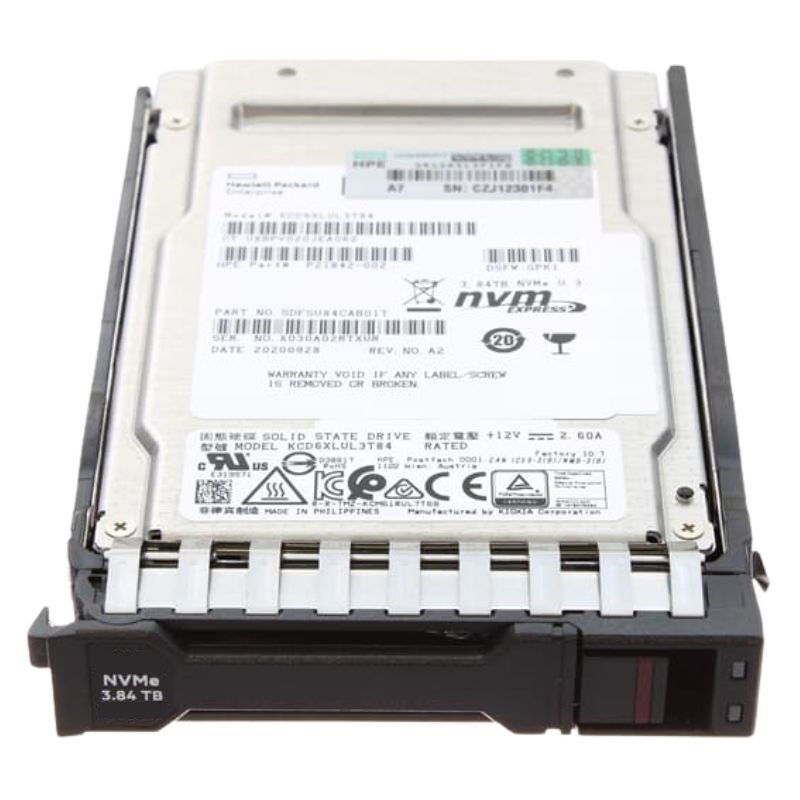


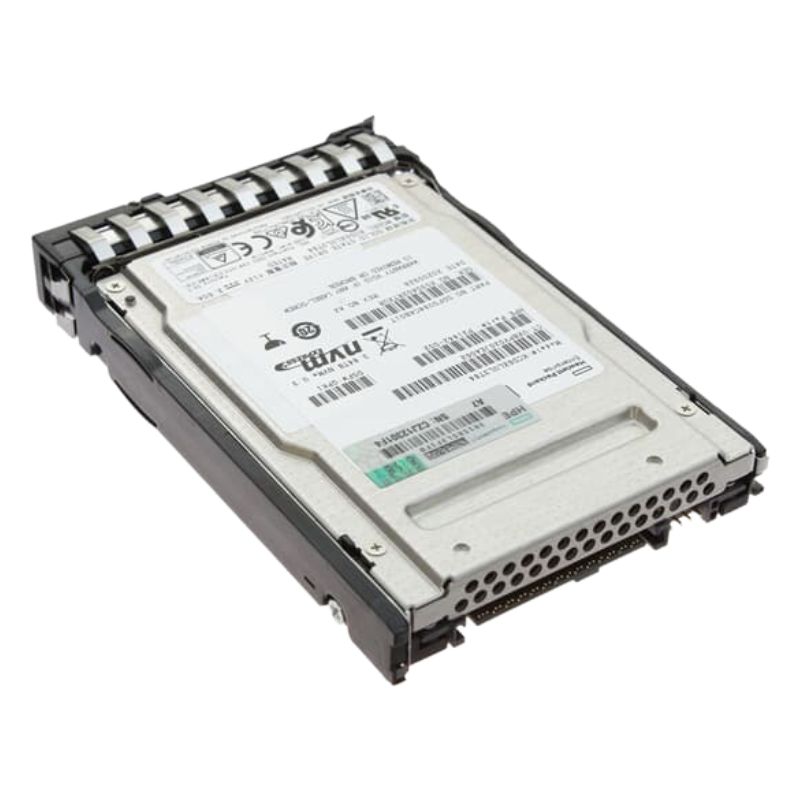
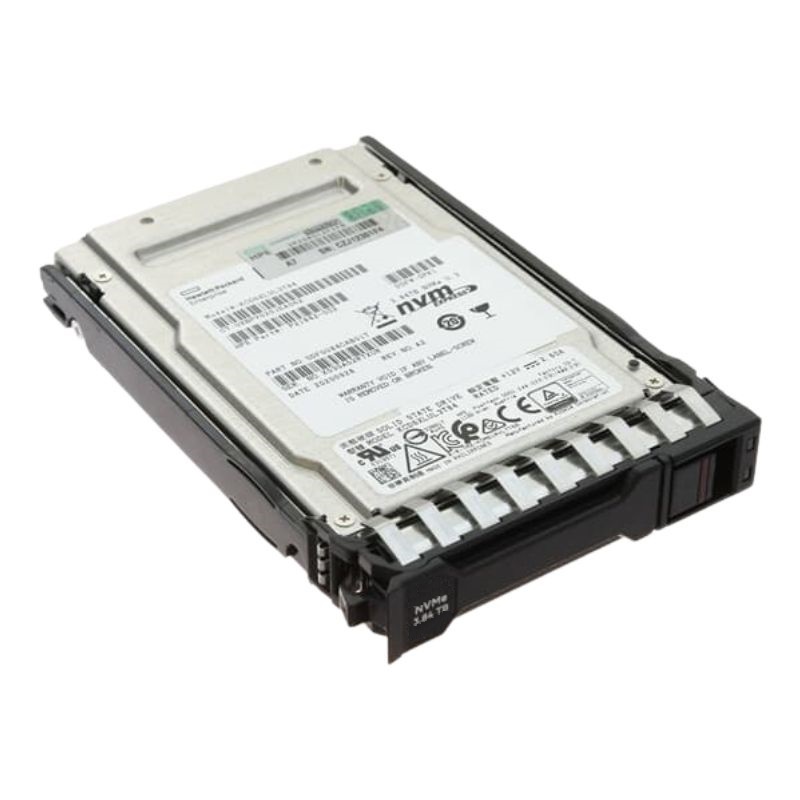
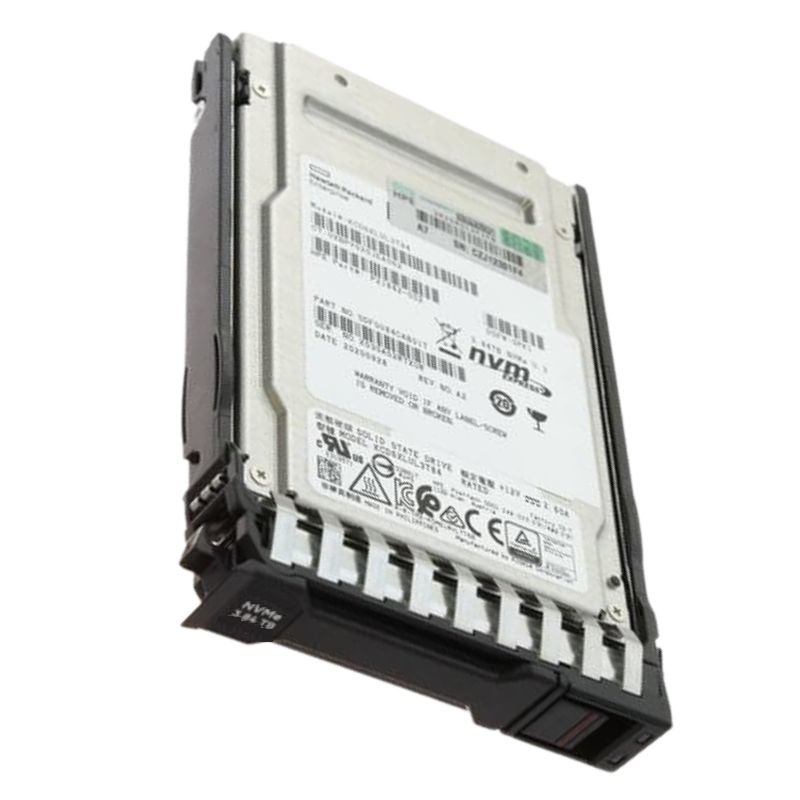
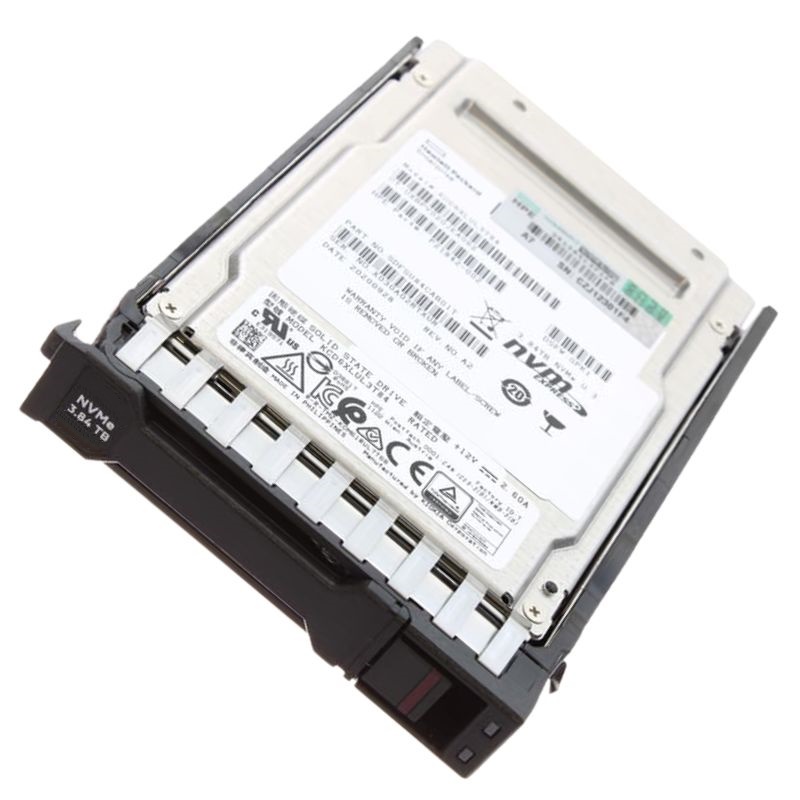
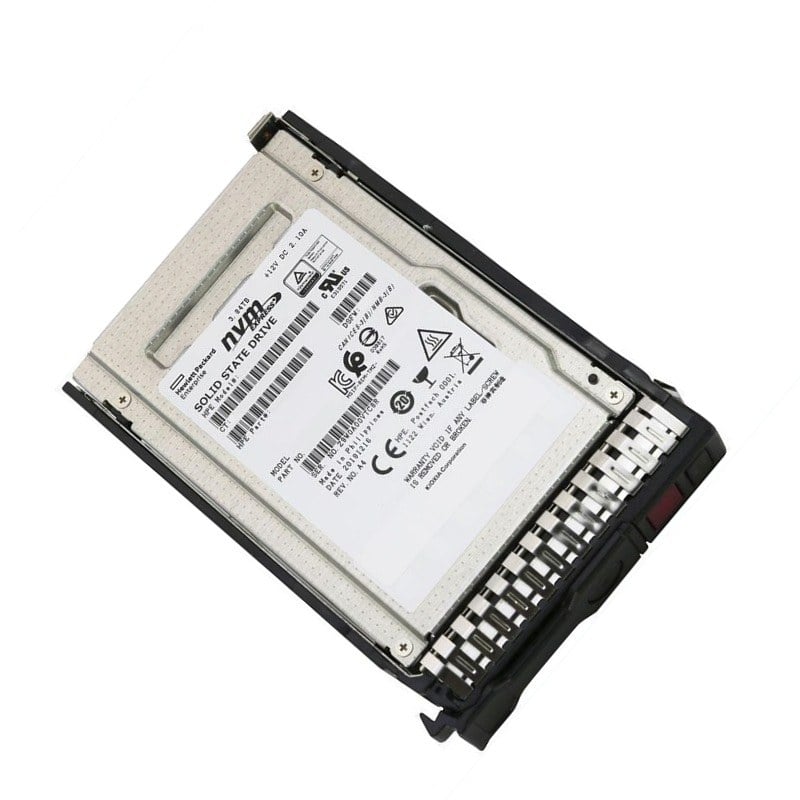
P40990-001 HPE PM1733 Read Intensive 3.84TB Pci Express 4.0 X4 SFF NVMe SSD. Excellent Refurbished with 1 year replacement warranty
HPE 3.84TB PCIe 4.0 x4 NVMe SSD Enterprise-Class Read-Intensive Storage
Designed for demanding data-center workloads, the HPE P40990-001 is a 3.84TB internal solid-state drive in a 2.5" form factor that leverages PCIe 4.0 x4 NVMe connectivity and Samsung V-NAND technology. Tailored for read-intensive applications, this drive delivers a strong balance of high throughput.
HPE P40990-001 (PM1733) Enterprise Read-Intensive NVMe Storage
The HPE P40990-001 is an enterprise-class NVMe solid state drive from the PM1733 family, delivered in a 2.5" form factor and designed specifically for read-intensive workloads. Built on a PCIe 4.0 x4 NVMe interface and equipped with Samsung V-NAND technology, this 3.84TB model balances high throughput, low latency and efficient density in modern server environments. The PM1733 series is positioned to accelerate database queries, analytics workloads, caching layers, and boot/OS volumes that require consistent read performance at scale.
Although marketed under the HPE part number P40990-001, the PM1733 family originates from Samsung's enterprise NVMe product line. The drive uses Samsung’s V-NAND technology and an NVMe controller tuned for PCIe 4.0 performance characteristics. This combination enables strong sequential throughput and higher queue-depth performance compared with older PCIe 3.0 solutions. The PM1733 product brief documents capacity and endurance variants and explains how firmware and controller tuning are used to provide different endurance profiles (capacity-optimized vs. endurance-configured options).
V-NAND provides denser storage cells with lower error rates per bit than older planar NAND. In an enterprise SSD, V-NAND enables manufacturers to offer higher capacities (like 3.84TB and above) with acceptable endurance and power profiles. For read-intensive configurations, the NAND and controller firmware are optimized to reduce write amplification and to preserve read performance even under heavy mixed workloads.
The PM1733 platform leverages PCIe Gen4 bandwidth per lane, allowing the drive to deliver substantially greater sequential throughput and random I/O capacity compared with Gen3 drives. In real deployments this translates into lower query latencies and improved throughput for read-dominant applications such as search indexes, metadata stores and read cache layers. HPE’s product literature for its NVMe Read-Intensive portfolio highlights the design intent: higher IOPS, reduced latency, and optimized data-path reliability for production data centers.
Vendor listings and datasheets typically publish sequential and random performance metrics for the PM1733 family. While exact numbers vary by firmware and capacity tier, expect enterprise-class sequential reads in the multi-GB/s range and random read IOPS tuned for queue depths common in server applications. When selecting drives, check the specific datasheet for sustained throughput (important for long sequential transfers) and IOPS at realistic queue depths for your application.
PM1733 SSDs can be configured in different endurance modes; the family documentation indicates capacity-optimized variants (common in larger capacities) that target lower DWPD (Drive Writes Per Day) for workloads where reads dominate. Typical enterprise guidance describes 1 DWPD or higher depending on configuration and capacity — meaning the drive is designed to sustain a predictable amount of writes per day for its warranty period. For installations with heavier write profiles, choosing a higher-endurance model or deploying wear-leveling strategies is recommended.
The P40990-001 is supplied in the 2.5" small form factor with an HPE carrier or Smart Carrier, making it compatible with a wide range of HPE ProLiant and other enterprise server bays that accept U.3/Universal connect NVMe drives. The HPE basic carrier bundled with many SKUs streamlines insertion and sled mounting for hot-swap bays and ensures the drive supports HPE’s management features and firmware update workflows. Always confirm carrier compatibility and server firmware requirements before deployment.
Because this drive uses PCIe 4.0 x4, host systems must provide a Gen4 NVMe interface to fully exploit peak bandwidth. However, PCIe Gen4 drives are backwards compatible with Gen3 slots — they will operate at Gen3 speeds if inserted into older controllers. For best performance, ensure the server or HBA firmware supports NVMe and is updated to the vendor-recommended level. HPE publishes compatibility matrices and server-level support documentation to guide selection.
Enterprises commonly deploy read-intensive drives in RAID configurations optimized for read performance (for example RAID levels that focus on read throughput rather than maximal redundancy), in tiered storage architectures where NVMe layers sit above larger capacity HDDs or capacity SSD tiers, or as part of NVMe-over-Fabric back ends providing low-latency shared storage. Ensuring sufficient cooling, appropriate BIOS/NVMe firmware versions and consistent monitoring are part of best practice deployments.
High-speed NVMe SSDs can produce significant heat when operating at sustained throughput. The PM1733 platform is engineered for server use with thermal throttling and power management profiles that protect data integrity while maintaining performance. However, in dense rack configurations it is important to provision adequate airflow and follow manufacturer thermal installation guidelines to prevent thermal throttling and to extend drive lifespan. HPE and Samsung product documentation provide guidance on operating temperature ranges and thermal management recommendations.
Power consumption varies with workload: idle vs sustained sequential transfers vs random mixed I/O. In capacity-optimized RI variants, firmware often prioritizes read efficiency and lowers write amplification which can reduce power during heavy read operations. For power-sensitive deployments, consult datasheet tables for active and idle power figures and plan rack power budgeting accordingly.
Implement SSD P40990-001 health monitoring through your server management stack (iLO/SMASH/agents compatible with HPE hardware) and collect SMART/NVMe telemetry. Track percentage used, media errors, temperature trends and spare block pools to proactively replace drives before failure impacts service. Include firmware refresh cycles in maintenance plans and validate firmware compatibility in staging before production deployment.
The PM1733 family (and HPE-branded PM1733 SKUs) P40990-001 is designed as a balanced enterprise platform with options across capacity and endurance profiles. Compared with older Gen3 server SSDs, PM1733’s Gen4 controller and updated NAND offer higher throughput and better queue-depth performance. Against more endurance-focused families, the PM1733 read-intensive variants trade some write endurance for higher density and cost per GB advantages — a deliberate choice for read-dominant application tiers. Always compare metrics relevant to your workload (IOPS at target queue depth, sustained throughput, latency percentiles and DWPD).
If your environment performs heavy writes or frequent full-volume backups/rewrites, choose higher-endurance SSD classes. For archival read caches, content delivery and analytics that are mainly read-centric, capacity-optimized RI models like the 3.84TB P40990-001 provide an efficient balance of storage density and read performance.


 Contact Us
 Information
 Catalog
 Solid State Drives (SSD)
 Network Switches
 Hard Disk Drives
 HBA & Controllers
 PC & Servers
 PC & Server Memory
 CPU & Processors
 Network Routers
 Power Supplies
 Tape Drives & Libraries
 Network Devices
 Computer & Network Cables