(7% discount is applied at checkout)
Cart is empty
Your go-to destination for cutting-edge server products
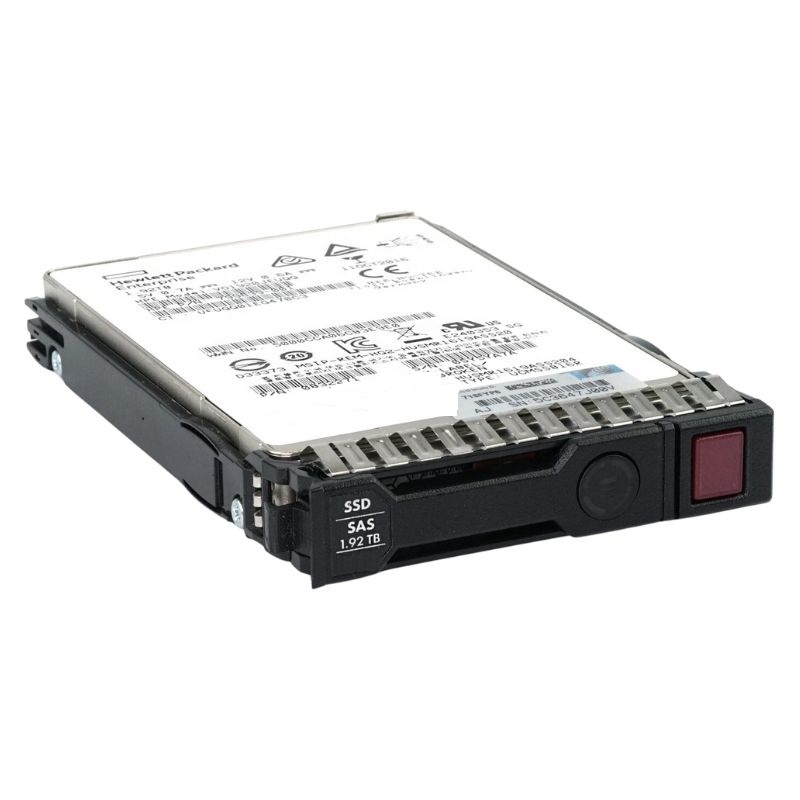


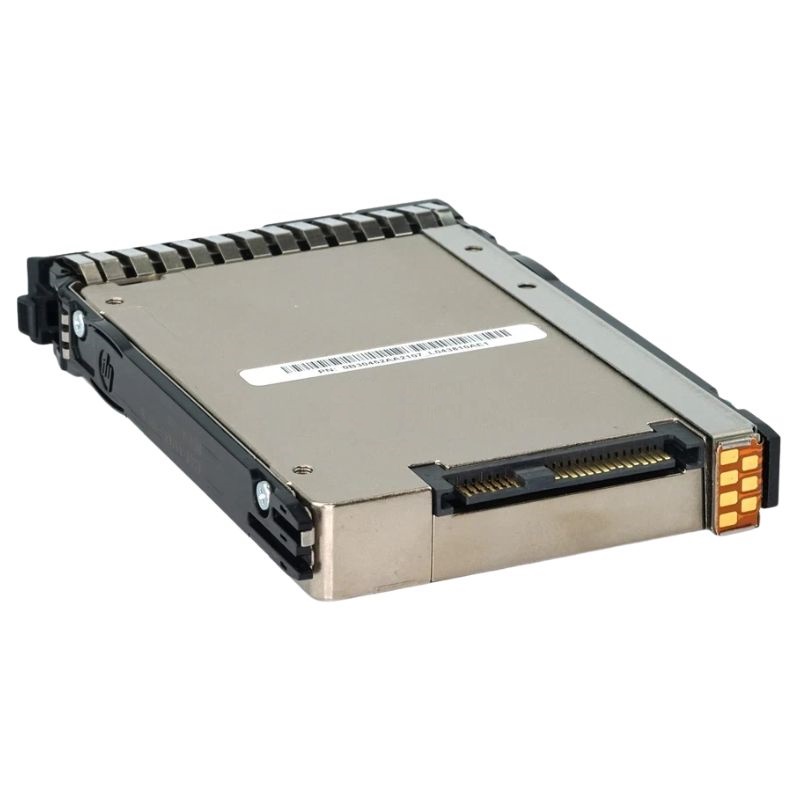
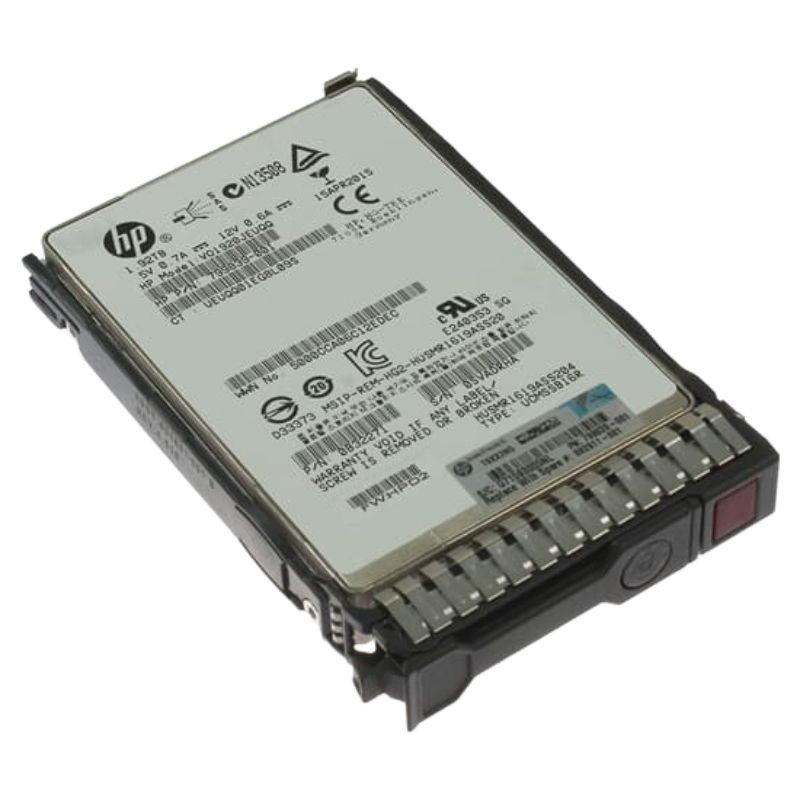
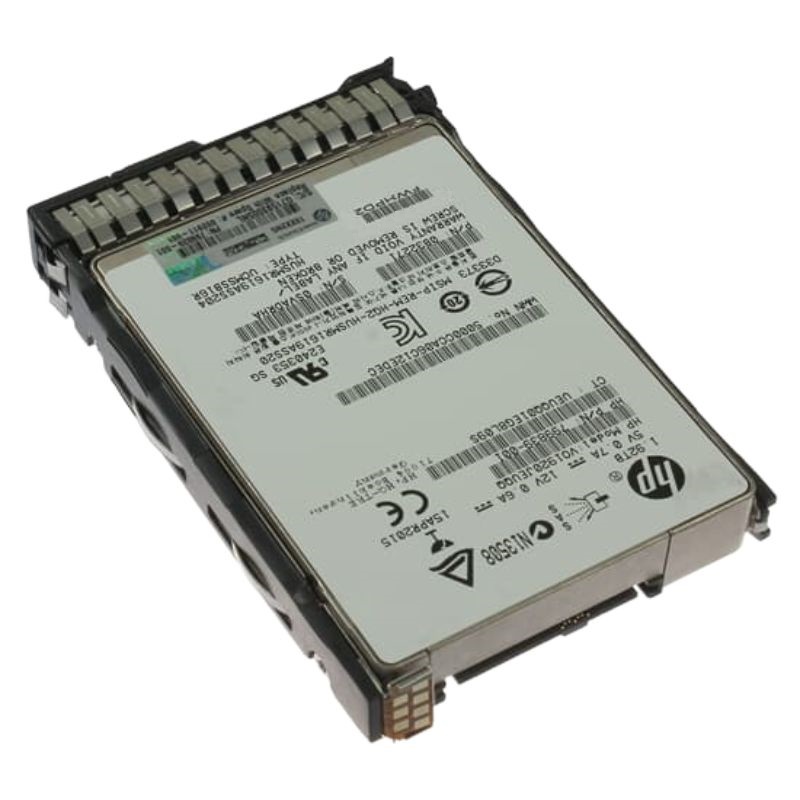
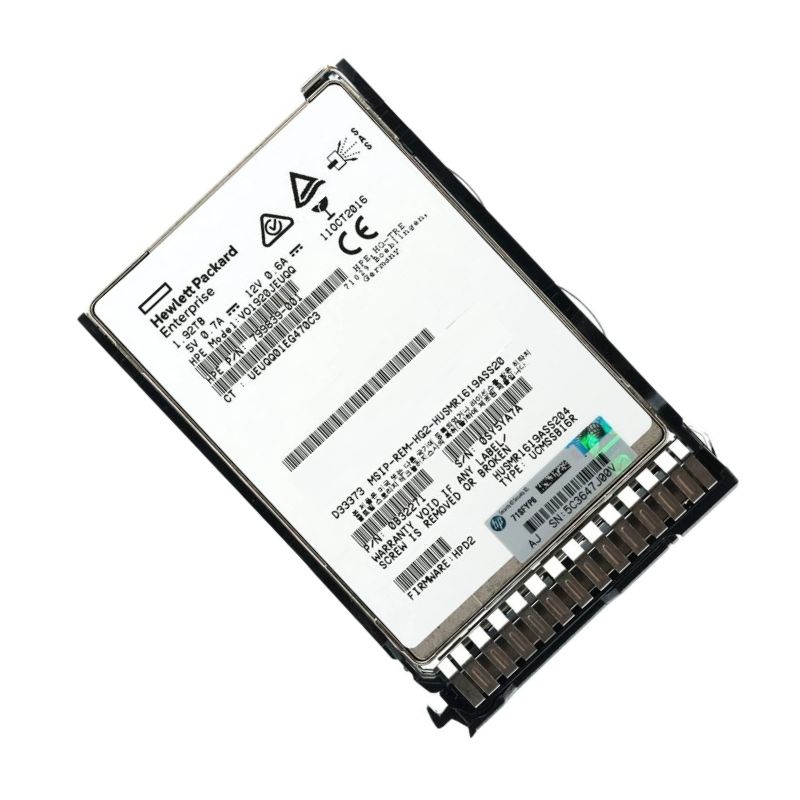
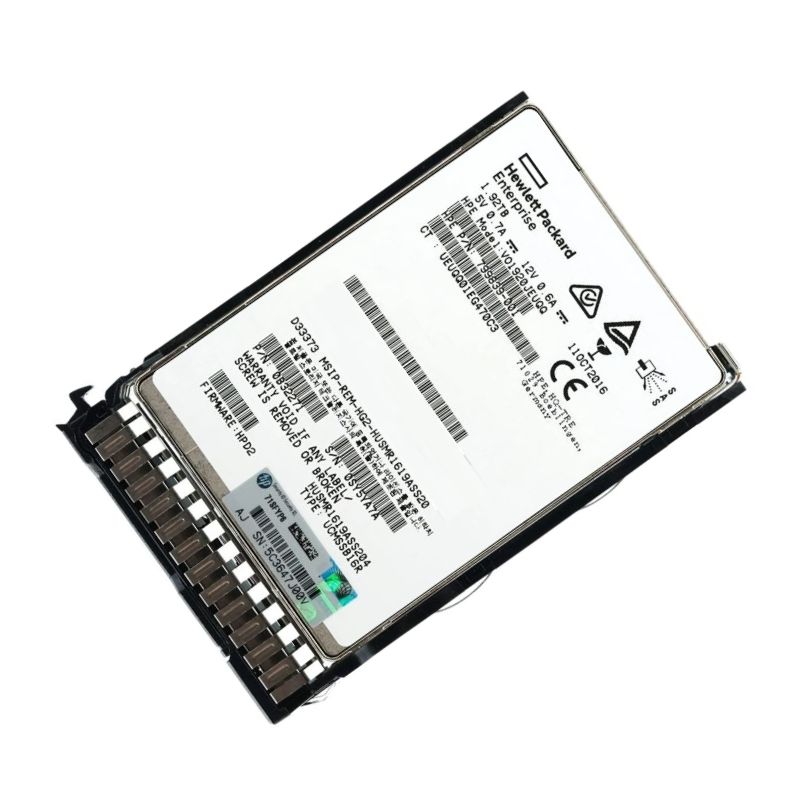
HPE P41104-001 1.92TB Read Intensive Value SFF SAS 12GBPS TLC SSD. Excellent Refurbished with 1 year Replacement Warranty
The HPE P41104-001 1.92TB Read Intensive Value SFF SAS 12Gbps TLC SSD is engineered to deliver a balanced combination of high read throughput, reliable endurance for read-heavy workloads, and cost-effective capacity in a small form factor. Designed for HPE server and storage ecosystems, this drive fills the niche between high-performance NVMe options and traditional SATA spinning media, offering a clear upgrade path for applications that require fast, consistent reads without the premium cost associated with mixed-use or write-intensive enterprise drives. With a 1.92TB capacity and SAS 12Gbps connectivity, this SSD is a compelling choice for accelerating databases, virtualization read caches, large-scale content delivery, backup indexing, and analytics workloads where read performance and predictable latency are mission-critical.
Within HPE’s storage lineup, the P41104-001 represents a value-focused, read-optimized drive class. It is positioned for customers who need to accelerate read-dominant applications and who want to conserve budget without sacrificing the enterprise-grade features expected from HPE-branded components. Compared to higher-tier mixed-use or write-intensive SSDs, this model prioritizes sustained read throughput and consistent I/O response while still providing sufficient endurance for typical data center read-heavy patterns. For system architects building tiered storage strategies, the P41104-001 is ideal as a front-line read layer, paired with higher-end drives for write-heavy workloads and archival HDDs for cold data.
This drive combines several technical attributes that make it attractive in enterprise deployments. The 2.5-inch small form factor (SFF) allows dense packing in servers and arrays, enabling larger effective capacity per chassis. The drive leverages SAS 12Gbps (SAS-3) interface for broad compatibility with enterprise controllers while delivering higher per-lane throughput than legacy SAS 6Gbps solutions. The 1.92TB capacity uses multi-level cell (TLC) NAND in combination with HPE-optimized firmware and controllers to strike a balance between cost and performance. Internal features such as power-loss protection buffers, advanced error correction, and enterprise-class wear-leveling strategies enhance data integrity and long-term reliability.
SAS 12Gbps provides two important benefits: compatibility with a wide range of enterprise HBA and RAID controllers, and the ability to scale sequential and random throughput across multi-lane SAS topologies. The 2.5-inch SFF format reduces chassis footprint and allows higher drive density per U, which matters when designing for maximum IOPS and capacity within rack-space budgets. For customers migrating from older SAS drives, this SSD can be adopted with minimal changes to storage backplanes and infrastructure while delivering substantial performance gains.
The P41104-001 is optimized for read-intensive workloads. Expect high sustained sequential read rates, low microsecond-class random read latency under moderate to heavy queuing, and strong performance consistency across typical data center operating temperatures. The drive’s controller firmware is tuned to prioritize read path performance, providing predictable response times for workloads such as large-scale file serving, read caches in hyperconverged infrastructure, web application delivery, and analytical query engines. Write performance is adequate for background operations and occasional writes but is not the primary design focus; workloads with very high sustained write demands should consider mixed-use or write-intensive options instead.
Enterprise systems often require predictable latency. The HPE P41104-001 delivers quality-of-service characteristics designed to reduce jitter and tail latency for reads, which is essential for interactive applications and real-time analytics. HPE firmware implements efficient queuing and priority handling for I/O requests, and the physical NAND management reduces garbage collection interference during read bursts. The result is a drive that maintains consistent latency percentiles even when subjected to mixed background tasks typical in production environments.
Endurance for read-intensive drives is typically expressed differently than for write-heavy SSDs. The P41104-001 provides endurance metrics aligned with read-optimized workloads while still incorporating enterprise-level reliability features. Advanced error correction code (ECC), wear-leveling, and firmware-managed over-provisioning ensure long operational life. Additional safeguards like power-loss protection and persistent metadata guarantee that in-flight data and drive state are preserved during unexpected outages, minimizing the chance of corruption and costly recovery operations. For regulated or highly available environments, these features contribute to reduced operational risk and easier compliance management.
HPE typically rates its enterprise SSDs to industry-standard reliability metrics and backs them with warranty programs suitable for data center deployment. When planning capacity and lifecycle management, administrators should reference HPE’s published MTBF and warranty terms for the P41104-001 to understand replacement policies, expected annual failure rates, and how warranty support ties to HPE’s broader hardware and service agreements. Factoring these metrics into procurement and total cost of ownership calculations helps align operational expectations with vendor support guarantees.
Virtualized environments and virtual desktop infrastructure benefit from low latency and high sustained reads. The P41104-001 reduces login storms and read amplification during rapid provisioning and image streaming, enabling denser consolidation ratios and faster end-user response. When combined with intelligent caching strategies at the hypervisor layer, read-intensive SSDs like this model significantly improve storage responsiveness and perceived performance for virtual machines.
One of the principal advantages of a SAS-based enterprise SSD is broad compatibility with HPE ProLiant servers, storage arrays, and industry-standard HBAs and RAID controllers. The P41104-001 is designed to integrate seamlessly with HPE server platforms and management utilities, enabling health monitoring, firmware updates, and drive-level telemetry through standard tools. This integration reduces administrative burden and accelerates troubleshooting by providing consistent status reporting and supportability across the infrastructure stack.
The SFF 2.5-inch chassis profile makes the P41104-001 suitable for dense server installations and modern storage arrays. Physical installation aligns with standard drive sleds and backplane connectors used in HPE systems; attention should be paid to airflow and thermal considerations since high-density deployments can raise ambient temperatures and affect SSD throttling behavior. Administrators should ensure chassis cooling meets vendor-recommended specifications to preserve performance under sustained load. Additionally, proper labeling and asset tracking will make lifecycle management and warranty claims more efficient.
Enterprise SSDs manage thermal conditions through intelligent throttling and power management. Under extended peak read operations, the drive’s controller reduces internal activity to maintain safe operating temperatures, which can modestly affect throughput but preserves data integrity and hardware longevity. In addition, SAS 12Gbps provides robust power negotiation and error handling, and the drive’s firmware optimizes power draw for the intended workload class. Planning rack-level power and cooling with awareness of these characteristics ensures consistent performance.
To realize the full benefits of the P41104-001, administrators should align storage configuration and system tuning with the drive’s read-optimized nature. Consider appropriate RAID levels that prioritize read performance and rebuild times, such as RAID 1/10 for latency-sensitive operations or RAID 6 with carefully chosen controllers for capacity and redundancy trade-offs. Avoid unnecessary write-intensive operations on the read tier; instead route heavy write workflows to drives designed for higher endurance. Software-level caching and tiering strategies can also amplify the value of these drives by keeping hot datasets on the read tier while colder blocks migrate to lower-cost storage.
Choosing the right HBA or RAID controller is important. Controllers with ample cache, advanced read caching algorithms, and efficient parity handling can complement the drive’s strengths. When using software-defined storage stacks or hyperconverged platforms, ensure that the storage policies reflect the read-heavy profile: prioritize read caching, limit synchronous write amplification, and schedule background tasks such as deduplication or scrubbing during low-activity windows to avoid impacting latency.
When decommissioning or repurposing drives, follow secure erase and sanitization procedures appropriate for organizational policy and regulatory compliance. HPE firmware supports secure erase commands that remove encryption keys or overwrite user data to industry-recognized standards, ensuring that retired drives do not inadvertently expose sensitive information. Coordinate with asset disposition practices to ensure environmental compliance and proper documentation of data destruction.


 Contact Us
 Information
 Catalog
 Solid State Drives (SSD)
 Network Switches
 Hard Disk Drives
 HBA & Controllers
 PC & Servers
 PC & Server Memory
 CPU & Processors
 Network Routers
 Power Supplies
 Tape Drives & Libraries
 Network Devices
 Computer & Network Cables