(7% discount is applied at checkout)
Cart is empty
Your go-to destination for cutting-edge server products
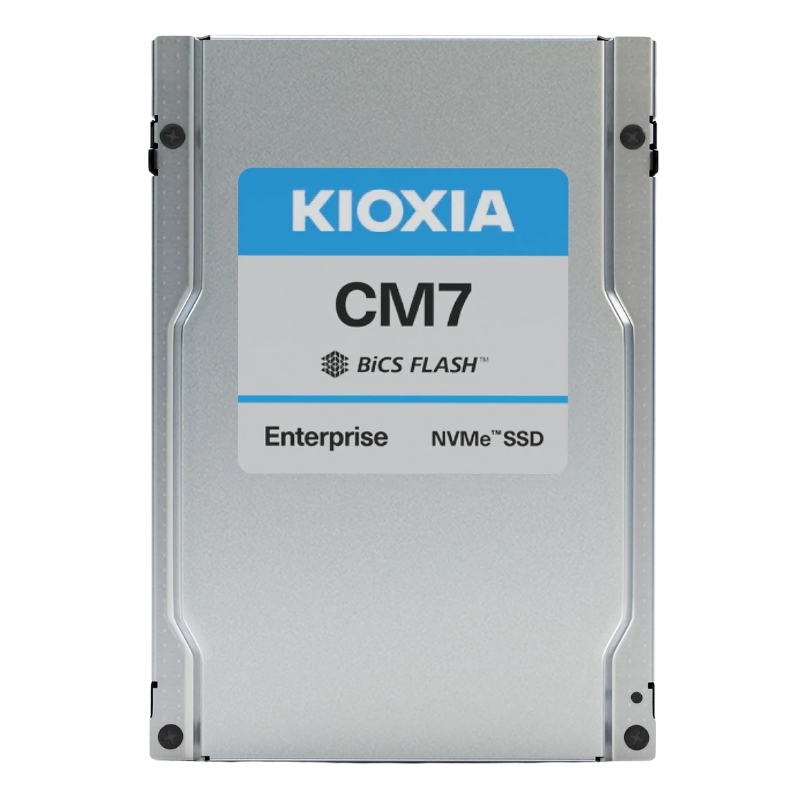


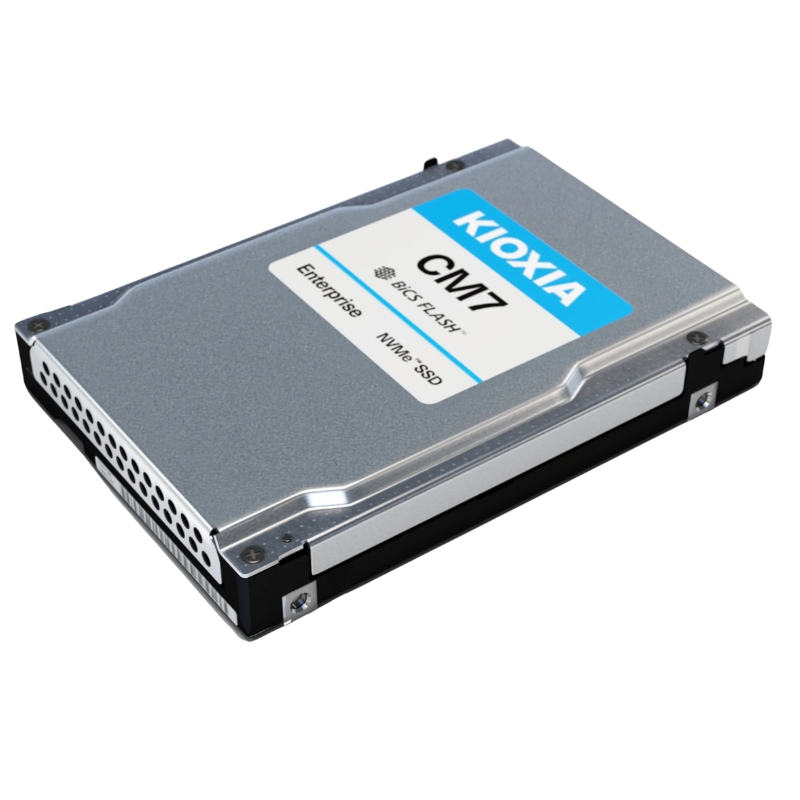
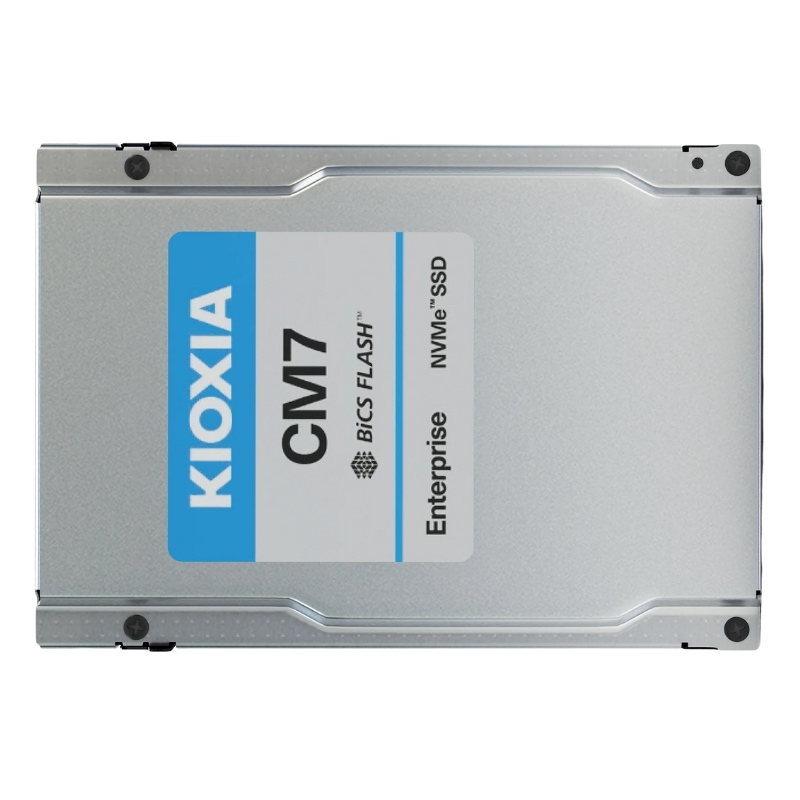
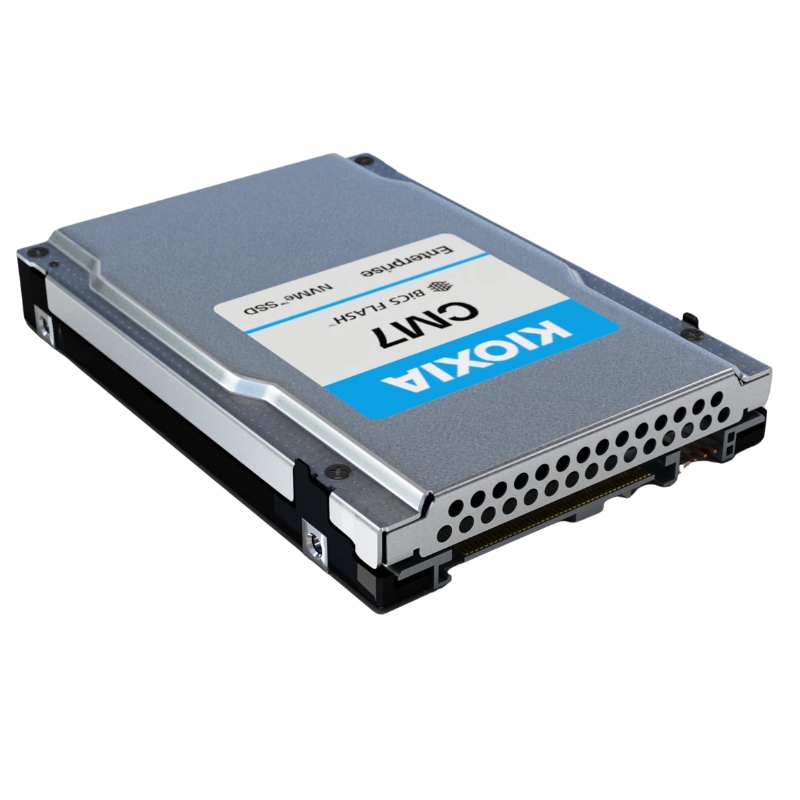
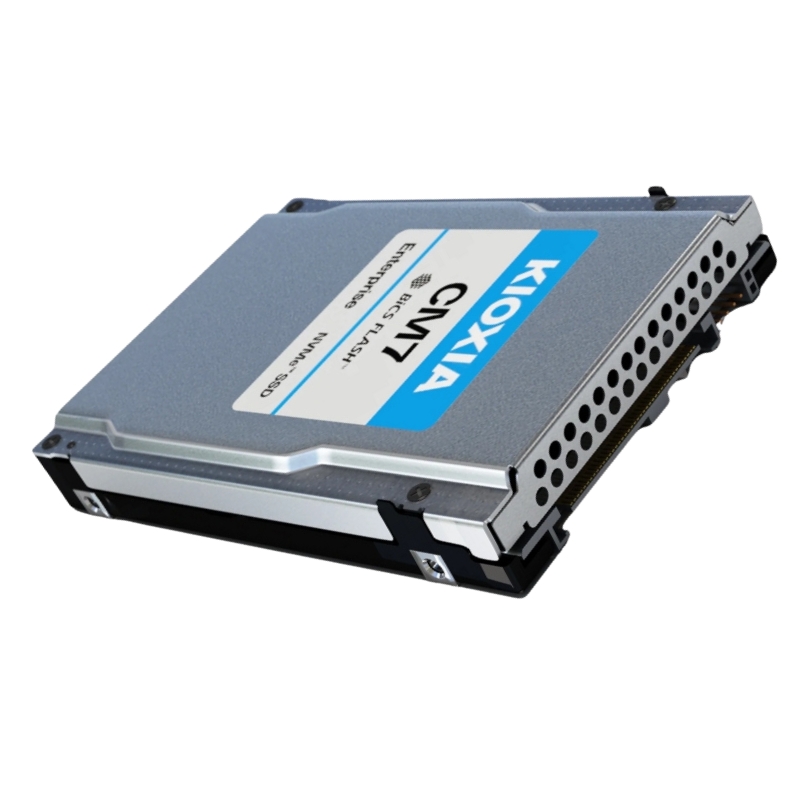
Kioxia SDF7044GEB92T 3.84TB CM7-R Pci Express NVMe SSD. New Sealed in Box (NIB) with 3 Years Warranty
| SKU/MPN | Warranty | Price | Condition | You save |
|---|---|---|---|---|
| SDF7044GEB92T | 1 Year Warranty | $1,662.00 | Excellent Refurbished | You save: $581.70 (26%) |
| SDF7044GEB92T | 1 Year Warranty | $3,325.00 | New Sealed in Box (NIB) | You save: $1,163.75 (26%) |
Elevate your enterprise storage infrastructure with the KIOXIA SDF7044GEB92T, a premier PCIe Gen5 NVMe SSD engineered for high-performance computing environments. This 3.84 terabyte solid state drive is crafted to manage intensive data workloads with exceptional speed and unwavering reliability.
To help searchers find this category page, include and vary authoritative keywords naturally across the page. Primary keyword phrases to include:
Secondary long-tail keywords and content variations aid discoverability for specific user intents:
This drive delivers a substantial storage capacity of 3.84 terabytes, providing ample space for demanding applications. It leverages advanced BiCS FLASH TLC NAND technology, ensuring a robust balance of high density, performance, and cost-efficiency for data centers.
Utilizing the cutting-edge PCI Express 5.0 NVMe interface, this component guarantees maximum data transfer bandwidth, eliminating bottlenecks and facilitating seamless operation within modern server architectures.
The drive achieves unparalleled data throughput, setting a new benchmark for enterprise-grade storage solutions.
Designed for continuous operation, this SSD is built to withstand the rigors of 24/7 data center usage.
The drive is constructed with a compact and standardized 2.5-inch form factor, ensuring broad compatibility with existing server racks and enclosures.
Optimized for efficiency, the drive maintains a balance between high-performance output and prudent energy consumption.
Engineered to perform reliably in a range of challenging data center conditions.
The Kioxia SDF7044GEB92T 3.84TB CM7-R PCIe NVMe SSD category covers a class of enterprise-grade solid-state drives designed for data center, cloud infrastructure, and high-performance storage applications. This category description focuses on the key attributes that define the CM7-R family model line: high-capacity 3.84TB configurations, low-latency NVMe protocol over a PCI Express interface, robust endurance and reliability engineering, and enterprise-focused firmware features. Content in this section is optimized for search terms customers use when comparing high-capacity NVMe SSDs — including product model numbers, capacity (3.84TB), interface (PCIe NVMe), and target workloads (data center, database, virtualization, caching, and write-intensive enterprise applications).
Drives like the Kioxia SDF7044GEB92T sit squarely in the enterprise NVMe SSD category, intended for systems that demand predictable performance, consistent low latency, and high endurance. Typical deployments include:
Enterprise buyers select NVMe drives for their superior performance characteristics versus SATA/SAS alternatives. Key performance characteristics to evaluate in this category include:
NVMe over PCIe reduces command path overhead and supports many parallel queues, dramatically improving random read/write IOPS and producing consistently low latency under mixed workloads — critical for transactional databases and multi-tenant virtualized environments.
For large sequential transfers, throughput is the primary metric: sustained MB/s rates affect backup windows, bulk data movement, and streaming analysis. Drives in this category prioritize controller firmware and NAND parallelism to maintain throughput at scale.
Predictable tail latency and QoS under concurrent workloads separate enterprise NVMe SSDs from consumer parts. Kioxia models targeting enterprise use typically include firmware and hardware optimizations to keep 99.9th percentile latency stable during heavy sustained loads.
Endurance — often expressed as drive writes per day (DWPD) or total bytes written (TBW) over a warranty period — is a central consideration for buyers of 3.84TB enterprise SSDs. The CM7-R family is described as optimized for reliability and endurance in continuous write scenarios such as logging, caching, and heavy transactional workloads.
Enterprise SSDs typically implement over-provisioning and advanced wear-leveling algorithms to extend NAND life. These mechanisms reduce write amplification and distribute writes evenly across NAND channels to maintain consistent performance and predictable lifetime.
Robust error correction (ECC) and end-to-end data path protection are hallmarks of enterprise drives. ECC schemes correct bit errors from high-density NAND, and data path protection ensures that data integrity is preserved from host to NAND and back — a critical requirement for enterprise-grade storage where data loss is unacceptable.
Enterprise SSDs often advertise MTBF figures and include SMART telemetry and predictive monitoring capabilities. These features enable proactive maintenance and allow storage administrators to integrate drive health data into monitoring platforms and orchestration systems.
The category includes drives that support secure erase, secure firmware updates, and hardware-based protections to prevent unauthorized access. These features matter for regulated industries and multi-tenant environments where data must be irrecoverably wiped or protected against firmware tampering.
NVMe drives expose management through standardized namespaces and commands. Vendors often add management utilities, API support, and integration with server management tools to enable firmware updates, telemetry collection, and secure erase operations from orchestration systems.
Drives in this category are typically available in common enterprise form factors (e.g., U.2, EDSFF, or add-in card variants). When planning deployments, validate physical compatibility with server drive bays, backplanes, and enclosure designs. Higher density form factors like EDSFF provide improved airflow and thermal performance when scaling to many drives per chassis.
These NVMe SSDs use the PCI Express interface and require slots/backplanes that expose NVMe/PCIe lanes. Confirm that host platforms support the drive’s lane count and BIOS/firmware NVMe boot capabilities if booting from the device is required.
The best practices for integrating enterprise NVMe SSDs include:
With high random IOPS and low latency, a 3.84TB CM7-R SSD is ideal for consolidating many VMs on fewer hosts, improving VM density without sacrificing responsiveness. The reduced number of drives per node simplifies storage design and lowers capex for a given capacity requirement.
Databases that demand strong random I/O performance (such as OLTP systems) and analytics platforms that read/write large datasets both benefit from NVMe SSD performance. The combination of high throughput and low latency accelerates query times and reduces job completion windows.
Edge sites and telco cloud nodes often have limited rack space and power. A dense, reliable 3.84TB NVMe SSD helps deliver enterprise-like performance in space-constrained deployments, enabling local caching, fast access to subscriber data, and low-latency functions for network services.
Compare controller capabilities (parallel channels, DRAM/cache architecture, and I/O submission handling) and NAND technology (3D TLC, QLC, etc.), as these will significantly affect performance, endurance, and price. Enterprise SSDs often balance NAND density with endurance to meet specific workload profiles.
Firmware optimizations (garbage collection, background scrubbing, thermal throttling strategies, and power-loss protection) determine how drives behave under realistic workloads. Drives designed for enterprise use include features to maintain performance stability and protect user data in unexpected power-loss scenarios.
Thermal behavior influences sustained performance. Drives that include thermal management strategies (dynamic throttling, optimized idle states) help maintain throughput while protecting against overheating in tightly packed server environments. Power profile differences also impact data center TCO and cooling requirements.
When selecting a Kioxia SDF7044GEB92T 3.84TB CM7-R or similar enterprise NVMe SSD, use this checklist to ensure a strong fit for your environment:
Procurement should consider not only unit price but also integration, support, and refresh cycles. Lifecycle planning includes firmware maintenance windows, health-based replacement policies, and secure decommissioning of high-capacity devices at end-of-life to protect sensitive data.
Many enterprise systems benefit from tuning over-provisioning settings to balance usable capacity and endurance. Increasing spare area can reduce write amplification and improve sustained performance in write-heavy scenarios.
Pairing CM7-R drives with software-defined tiering allows hot data to live on high-performance NVMe, while colder data moves to higher-capacity HDD tiers to optimize cost. Similarly, use NVMe drives as write/read cache where appropriate to reduce latency for critical workloads.
Keep host drivers, OS NVMe stacks, and vendor firmware up to date to benefit from performance fixes, security patches, and stability improvements. Maintain a schedule for safe firmware updates during maintenance windows and test updates in staging before applying in production.
Use SMART attributes and NVMe telemetry to track health indicators like media wear, spare capacity, error counts, and temperature. Automated alerts based on these metrics enable predictive replacements and reduce unplanned downtime.
For enterprise SSD fleets, adopt a replacement strategy that balances warranty coverage, predicted remaining useful life, and operational risk. Replace drives proactively when telemetry indicates accelerated wear or when they approach TBW/DWPD thresholds.
Use short paragraphs, bulleted lists, and clearly labeled tables so technical buyers can quickly find the information they need. Include anchor links to internal sections (e.g., Specs, Use Cases, FAQ) to reduce friction for technical evaluations.
Display warranty details, enterprise support program badges, interoperability certifications, and links to vendor datasheets and whitepapers to increase buyer confidence. If available, include performance test results or benchmark comparisons conducted in controlled conditions.


 Contact Us
 Information
 Catalog
 Solid State Drives (SSD)
 Network Switches
 Hard Disk Drives
 HBA & Controllers
 PC & Servers
 PC & Server Memory
 CPU & Processors
 Network Routers
 Power Supplies
 Tape Drives & Libraries
 Network Devices
 Computer & Network Cables