(7% discount is applied at checkout)
Cart is empty
Your go-to destination for cutting-edge server products
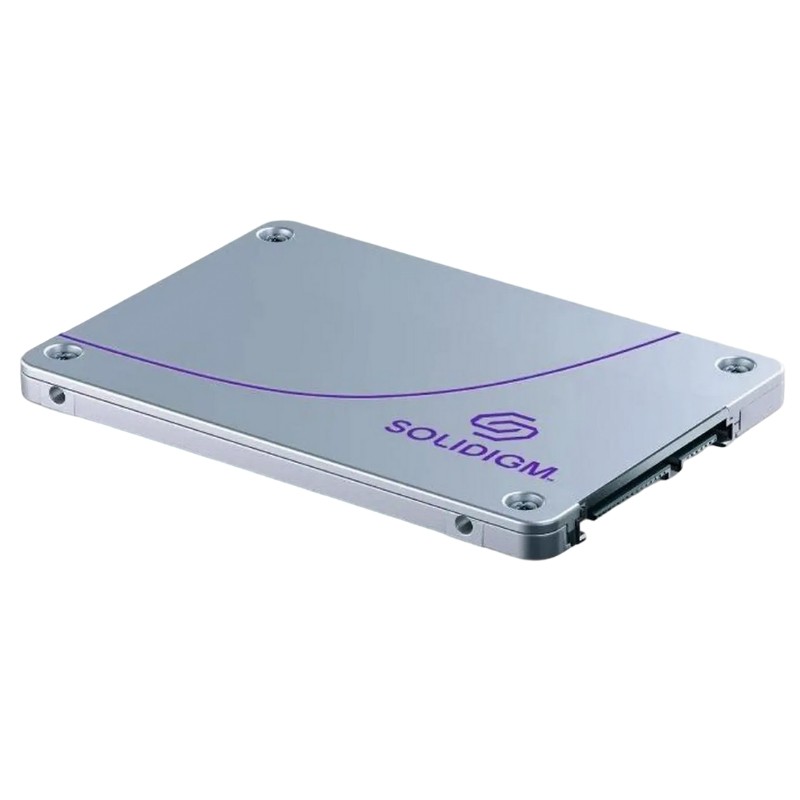


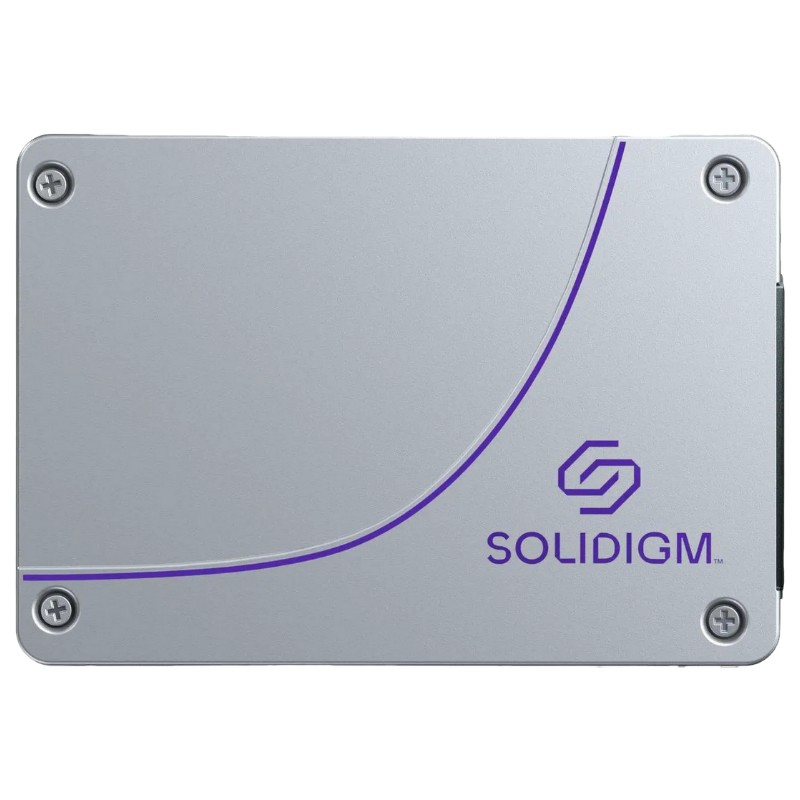
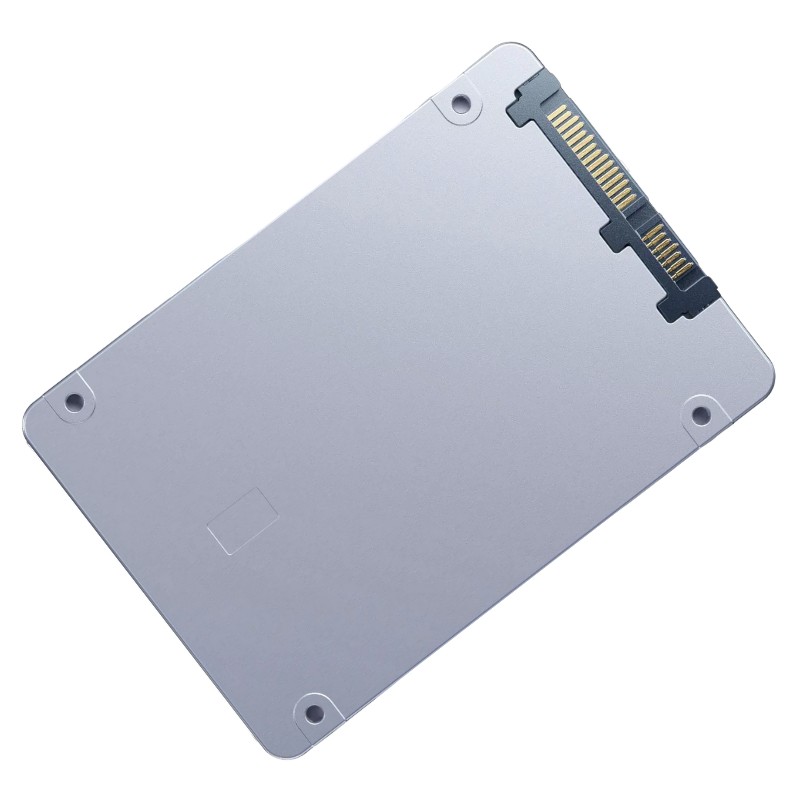
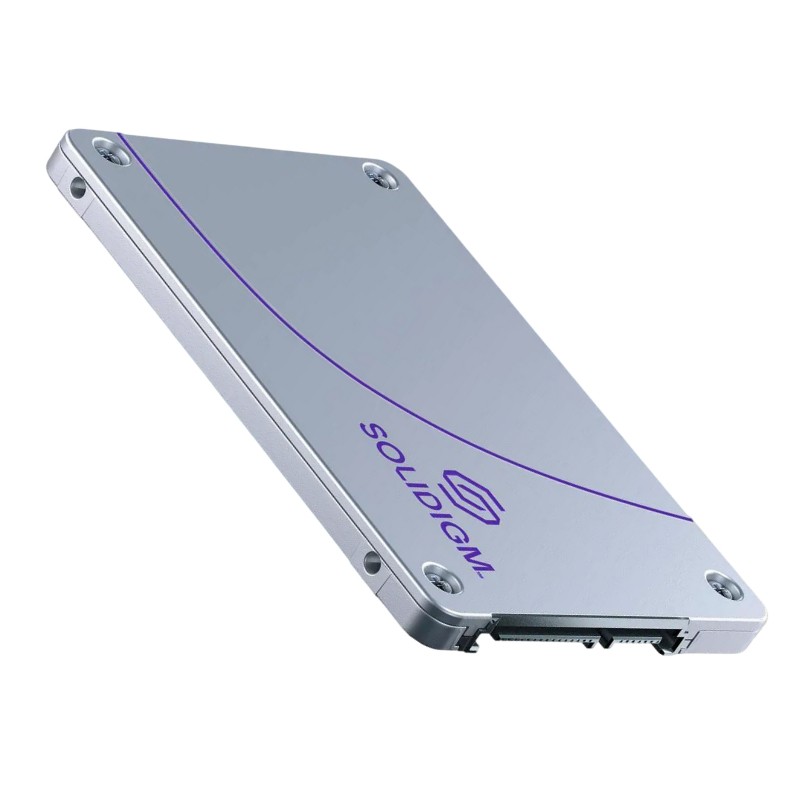
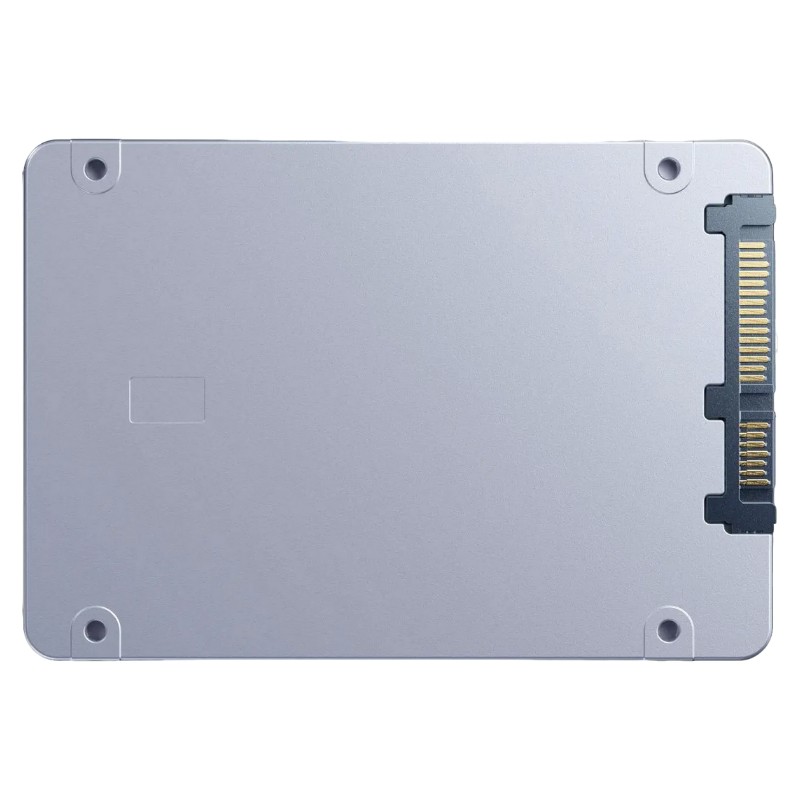
Solidigm SSDSC2KB076TZ1Z D3-S4520 7.68TB SATA 6GBPS 3D4 Nand TLC 2.5inch Solid State Drive. New Sealed in Box (NIB) with 3 years Warranty
Discover the high-performance Solidigm D3-s4520, a robust 7.68TB solid state drive engineered for demanding storage applications. This drive merges immense capacity with enterprise-grade reliability.
The Solidigm D3-S4520 7.68TB SATA 6Gbps 3D4 NAND TLC 2.5" solid state drive SSDSC2KB076TZ1Z represents a class-leading balance of capacity, endurance, and predictable performance for mainstream enterprise storage deployments. Engineered for read-intensive and mixed workload datacenter environments, the D3-S4520 series combines modern 3D TLC NAND, advanced controller logic, and SATA 6Gbps compatibility to deliver a drop-in upgrade path for servers, storage arrays, and edge systems that require high usable capacity without sacrificing data integrity or cost-efficiency. This category page explores the architectural strengths, deployment scenarios, performance characteristics, manageability features, and procurement considerations relevant to buyers, system integrators, and IT architects evaluating the Solidigm D3-S4520 7.68TB SSD.
At the heart of the SSDSC2KB076TZ1Z is Solidigm’s use of 3D4 (fourth-generation 3D) TLC NAND which provides a dense, cost-effective storage medium optimized for endurance and read performance. The adoption of 3D NAND stacking increases bits per die and improves endurance metrics when combined with modern error correction and firmware-level wear management. The controller firmware in the D3-S4520 family implements robust ECC (error-correcting code), dynamic over-provisioning, and background garbage collection strategies tuned for TLC’s characteristics, reducing write amplification and preserving consistent read latency across the drive’s lifespan.
3D4 TLC NAND balances higher areal density with endurance profiles suitable for enterprise read-intensive uses. Solidigm engineers the D3-S4520 with conservative endurance ratings and comprehensive data retention policies to ensure that stored data remains reliable even under mixed read-write cycles typical of server boot, caching, and content delivery workloads. The drive’s firmware integrates SMART telemetry and endurance tracking to give system administrators visibility into remaining life and to support proactive replacement strategies within maintenance windows.
The 2.5-inch 7.68TB model conforms to standard SATA 6Gbps (SATA III) interfaces, making it compatible with a wide variety of existing enterprise and legacy platforms. The SATA interface continues to be a preferred option where NVMe adoption is either cost-prohibitive or not supported by legacy backplanes. Solidigm’s 2.5" SFF form factor, combined with a high capacity per drive, simplifies retrofitting older servers and storage enclosures while maximizing usable terabytes per rack unit.
Because the SSDSC2KB076TZ1Z D3-S4520 uses the SATA protocol, it integrates with existing host controllers, RAID controllers, and HBA infrastructures that expect AHCI/SATA devices. This reduces migration complexity for organizations that want to expand capacity or replace aging HDDs without replatforming to NVMe architectures. The drive’s power management features and compatibility with standard vendor firmware enable seamless deployment across a broad fleet of hardware.
While not positioning itself as an ultra-low-latency NVMe SSD, the Solidigm D3-S4520 7.68TB delivers consistent, predictable SATA performance optimized for read-heavy and mixed I/O scenarios. The drive is well suited for application tiers such as large-scale content repositories, virtual desktop infrastructure (VDI) boot pools, web and media serving, analytics node caches, and lower-tier database replicas where high capacity and steady read throughput are priorities.
The drive’s firmware carefully optimizes queue handling and background maintenance tasks to avoid performance cliffs under sustained I/O. You can expect competitive sequential read and write throughput for SATA-based devices, and sustainable random read IOPS appropriate for multi-tenant read-intensive applications. Performance remains stable as the drive approaches steady-state conditions thanks to efficient garbage collection and background compaction routines that minimize the spikes in write amplification common to TLC NAND.
Latency for read operations is engineered to be deterministic, with firmware-level prioritization that favors reads when the drive is under mixed load. Write latency is mitigated through internal buffering and dynamic over-provisioning which absorbs short bursts of write traffic. For critical latency-sensitive primary workloads (e.g., high-frequency databases), consider tiering or complementing D3-S4520 capacity with lower-latency NVMe tiers; however, for many enterprise applications the D3-S4520's latency profile provides excellent real-world performance at a lower cost point.
Endurance ratings for the Solidigm SSDSC2KB076TZ1Z D3-S4520 family are calibrated to match the expected duty cycles of read-intensive enterprise deployments. Solidigm applies comprehensive validation across temperature, power cycling, and workload patterns to certify drive behavior under operational stress. The drive supports standard enterprise features such as power-loss protection, end-to-end data path protection, and advanced error correction to mitigate silent data corruption risks.
Wear-leveling algorithms distribute writes evenly across NAND blocks to maximize usable life. The D3-S4520 uses a combination of static and dynamic wear-leveling policies, alongside intelligent spare block allocation and adaptive over-provisioning, to extend endurance without requiring manual intervention from administrators. Drive telemetry exposes wear indicators via SMART attributes so fleet management systems can automate swap schedules.
Enterprise design considerations include mechanisms to protect in-flight data at the moment of a power loss. The drive implements strategies to ensure metadata and critical mapping tables are safely committed, reducing the risk of drive-level data loss during unexpected outages. Together with host-side backup and replication practices, the D3-S4520 contributes to a resilient data storage architecture.
Manageability is a crucial differentiator for enterprise SSDs and the Solidigm D3-S4520 provides actionable telemetry and firmware control points. Administrators can query SMART attributes, monitor endurance metrics, and leverage vendor-supplied utilities for firmware updates and diagnostics. The drive also supports key ATA features that integrate with enterprise monitoring systems.
SMART reporting enables predictive maintenance through monitored thresholds for attributes such as bad block counts, program/erase cycles, spare capacity, and uncorrectable errors. Integrating drive SMART feeds into a centralized monitoring platform supports predictive replacement strategies that reduce unscheduled downtime and align with maintenance windows.
Data security remains a top priority for enterprise buyers. The D3-S4520 supports standard ATA security commands and can be integrated into broader data-at-rest encryption strategies. Although specific encryption capabilities and certified FIPS support vary by model and firmware releases, organizations can implement host-managed encryption or leverage self-encrypting drive (SED) options where available to meet regulatory and compliance requirements.
Where regulatory compliance or multi-tenant isolation policies require encryption, Solidigm-compatible encryption options can be integrated with centralized key management systems. It’s important for procurement teams to verify the presence of hardware-based encryption and the certification status (if required) against internal security policies prior to deployment.
The capacity and interface profile of the SSDSC2KB076TZ1Z make it an excellent choice in a number of pragmatic deployment scenarios. Typical architectures include high-density server nodes that require bulk local storage, hybrid storage arrays that use SATA tiers for capacity and NVMe for hot data, and read-cache layers for content distribution networks or web farms. The drive’s high usable capacity per 2.5" slot is especially attractive for scale-out infrastructures where rack-space efficiency is a cost lever.
Architectures that pair the Solidigm D3-S4520 with a faster NVMe tier can achieve both low-latency access to hot data and economical mass storage for colder data. Automated tiering systems and storage orchestration software can move frequently accessed datasets to NVMe while relegating large volumes of seldom-read data to the SATA tier, preserving overall cost-effectiveness without compromising application responsiveness.
Virtual desktop infrastructure (VDI) and server virtualization environments benefit from the D3-S4520’s combination of capacity and predictable read performance. The drive can serve large numbers of user boot images, profile stores, and application caches where read traffic dominates. When combined with careful IO tuning and adequate over-provisioning, the drive supports high-density virtualized workloads while controlling power and cooling budgets.
For backup and replication targets that require faster recovery times than tape but still prioritize cost per terabyte over ultra-low latency, SATA SSDs like the D3-S4520 offer compelling benefits. They accelerate restore and verify operations compared to HDDs, reduce mechanical failure domains, and fit into existing backup appliances that support SATA media. In addition, SSD-backed archive tiers can shorten retrieval windows for compliance-driven access patterns.
When evaluating the SSDSC2KB076TZ1Z D3-S4520 against competing SSDs and traditional HDDs, buyers should weigh capacity, cost per gigabyte, interface compatibility, and performance profiles. Compared with consumer SATA SSDs, the Solidigm enterprise offering provides stronger endurance guarantees, better telemetry, and firmware tuned for datacenter workloads. Compared with NVMe drives, SATA SSDs trade off some latency and raw throughput for broader platform compatibility and often lower acquisition costs per usable terabyte, making SATA SSDs an attractive choice for many mainstream enterprise roles.
Total cost of ownership (TCO) analysis should incorporate acquisition cost, rack density, power consumption, cooling needs, maintenance windows, and expected replacement cycles. The high-capacity 7.68TB SSD reduces the number of drives required to meet capacity targets, which can simplify maintenance and lower the per-rack power and cooling footprint. Additionally, reduced mechanical failure rates for SSDs versus HDDs tend to lower operational overhead over multi-year deployments.
To maximize lifespan and maintain predictable performance from the D3-S4520 7.68TB SSD, follow established best practices: allocate appropriate over-provisioning where budget permits, monitor SMART telemetry for early warning signs, deploy firmware updates in controlled test cycles, and integrate drive health metrics into centralized monitoring systems. Avoid filling drives to absolute capacity—keeping a buffer of free space helps the drive’s internal garbage collection and wear-leveling systems operate efficiently.
Operating environment affects drive longevity. Maintain recommended temperature ranges, monitor for excessive vibration in rack environments, and design chassis airflow for consistent cooling. The D3-S4520 includes thermal management features, but extreme ambient conditions can still accelerate wear. For mission-critical systems, pair thorough monitoring with redundant architectures to avoid single points of failure.
The SATA interface and 2.5" form factor yield a modest power profile relative to spinning media. Nevertheless, SSD power consumption varies with activity; plan power budgets for peak sustained activity rather than idle conditions. Thermal throttling protection exists to preserve data integrity under sustained high-temperature conditions, but avoiding frequent thermal excursions is preferable to preserve performance predictability.


 Contact Us
 Information
 Catalog
 Solid State Drives (SSD)
 Network Switches
 Hard Disk Drives
 HBA & Controllers
 PC & Servers
 PC & Server Memory
 CPU & Processors
 Network Routers
 Power Supplies
 Tape Drives & Libraries
 Network Devices
 Computer & Network Cables