(7% discount is applied at checkout)
Cart is empty
Your go-to destination for cutting-edge server products
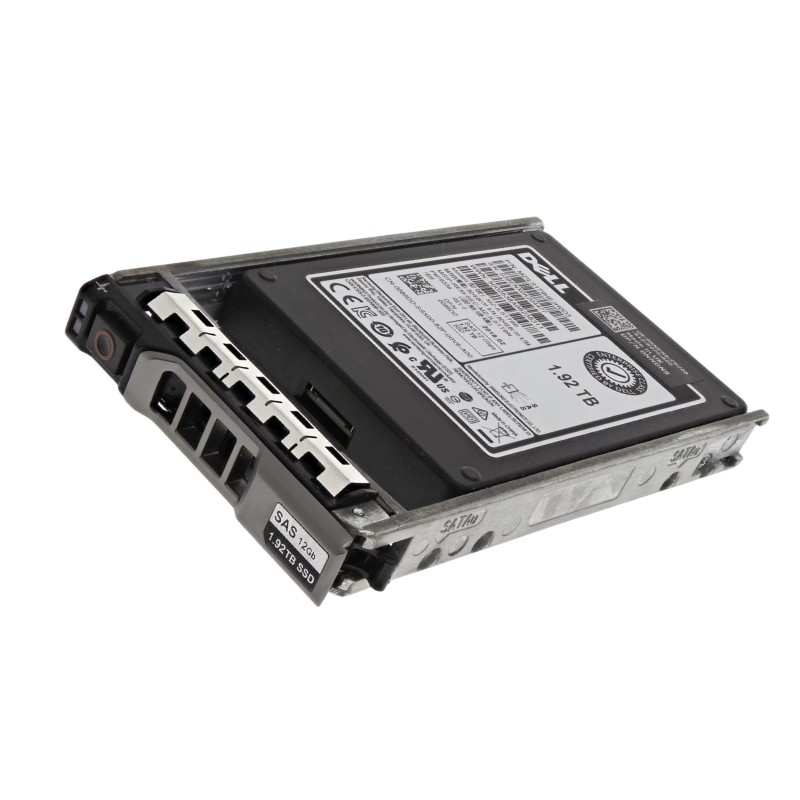


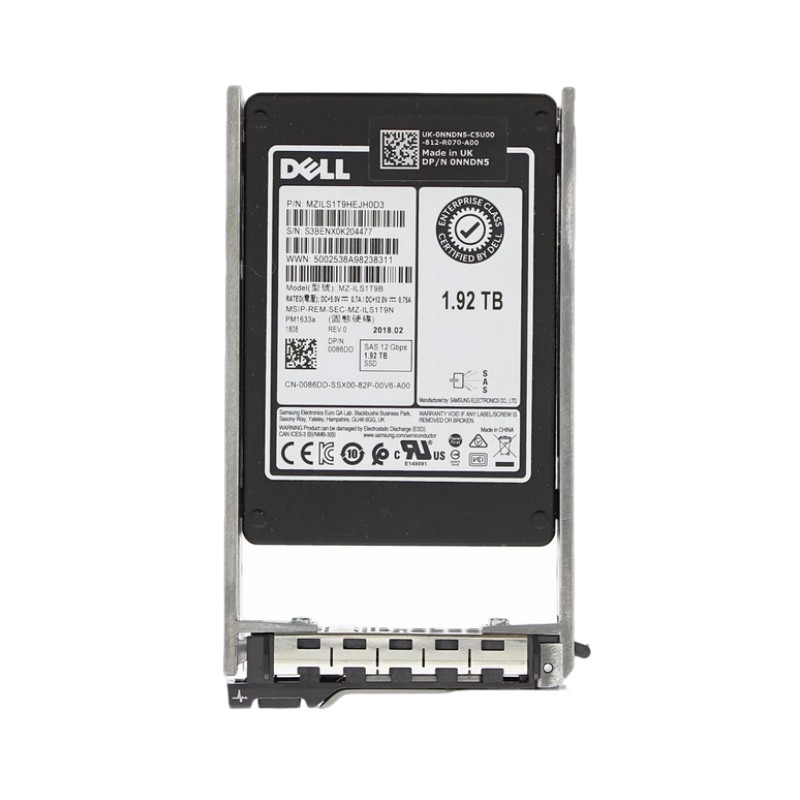
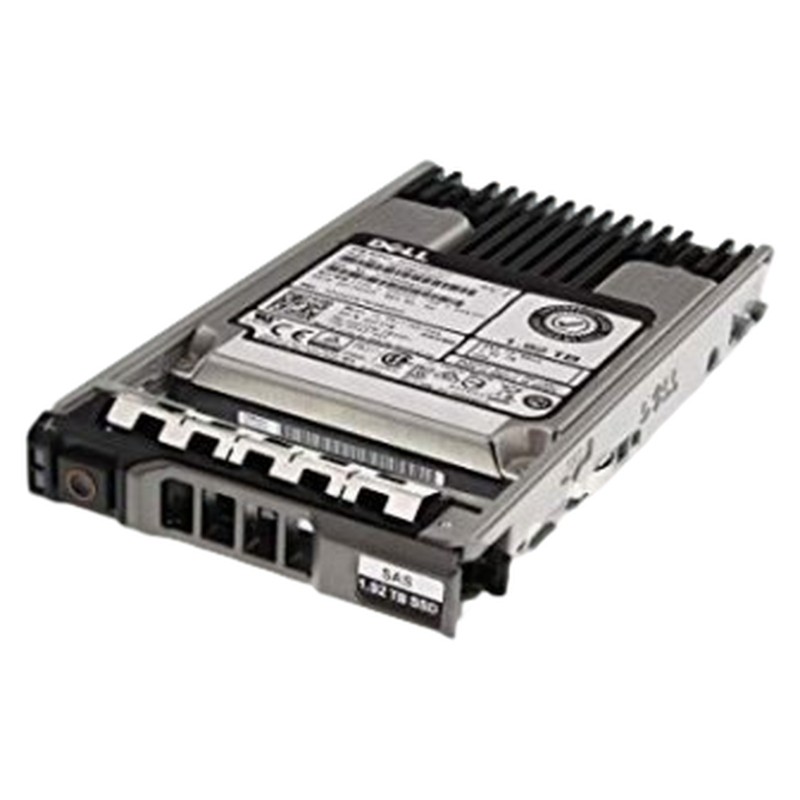
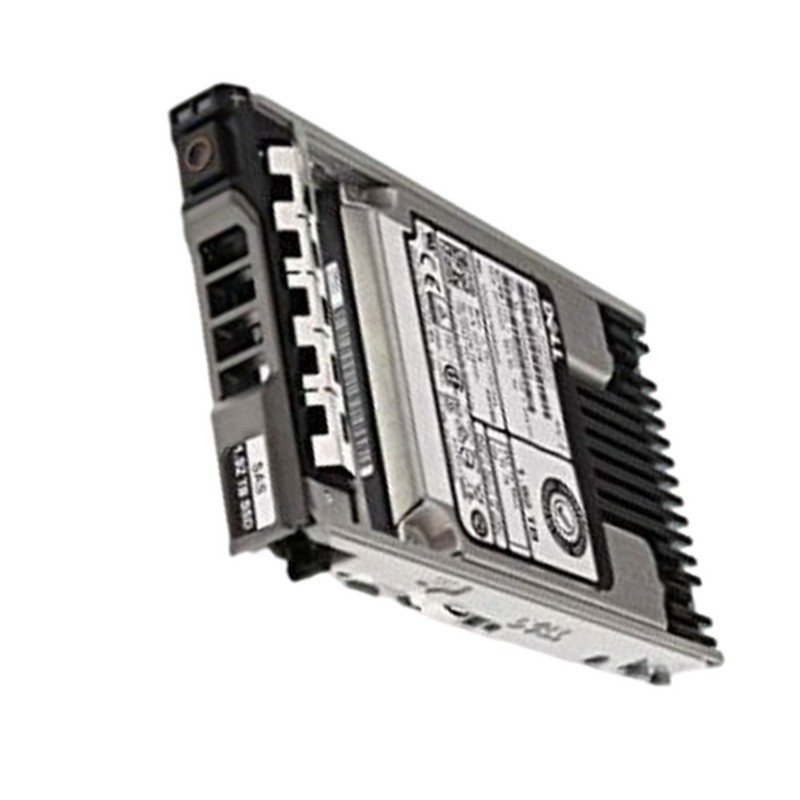
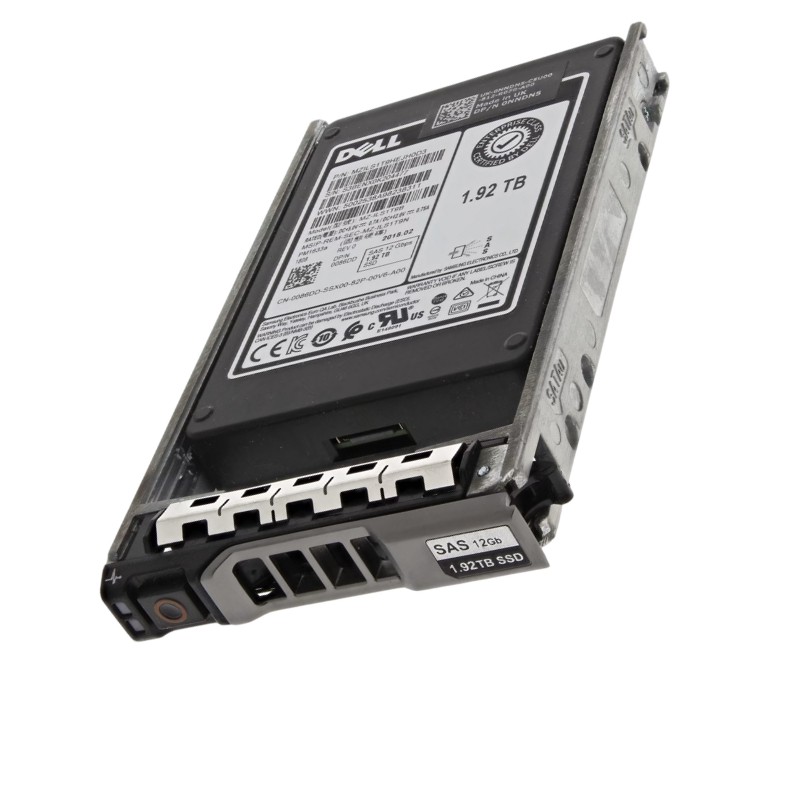
Dell XK5KJ 1.92TB SED SAS 24GBPS Mixed Use 512e 3wpd TLC 2.5in Hot-plug Solid State Drive. Excellent Refurbished with 1 Year Replacement Warranty
Designed for high-demand environments, this 2.5-inch hot-plug solid-state drive offers a blend of speed, security, and endurance. With support for SAS 24Gbps and FIPS-compliant self-encryption, it's tailored for mixed-use workloads across Dell’s 14G, 15G, and 16G server generations.
The INTEL P4326 15.36TB NVMe RULER SSD (model SSDPEXNV153T8D) is engineered for a specific and growing niche: capacity-first NVMe storage where density, operating efficiency and low-latency access combine to reduce cost per terabyte while delivering the performance advantages of NVMe. Ruler-form-factor NVMe devices are optimized for modern hyperscale, cloud, and large-scale on-premise environments where the physical footprint and power envelope are constrained but the demand for fast, block-level access to large datasets is increasing. The P4326 therefore fits into architectures that prioritize rack-level TB density, simplified serviceability through sleds, and compatibility with NVMe-native software stacks.
The ruler form factor stretches storage into a long, thin sled that can be densely packed into chassis optimized for front-to-back airflow. This mechanical approach squeezes more raw capacity into fewer rack units than standard 2.5-inch or 3.5-inch drives. The P4326’s 15.36TB capacity per sled is attractive for storage architects looking to: consolidate TBs, lower the number of drive bays required, reduce cable complexity, and simplify firmware/update management because fewer discrete devices are required to reach capacity targets.
Ruler SSDs are typically integrated into sleds that allow rapid replacement and minimize maintenance downtime. When planning deployments, hardware teams should confirm sled retention mechanisms, backplane compatibility, thermal ducting, and spare provisioning. Intel-validated chassis or partner vendor sled implementations often include mechanical guides and thermal shrouds tuned to the P4326’s thermal profile.
Using NVMe over PCIe lanes, the P4326 benefits from the protocol’s native queueing model and parallelism across CPU cores. This reduces host stack overhead and delivers substantially lower latency than legacy SCSI/SAS devices. The device is ideal where high IOPS for random workloads, consistent latency for scale-out services, and multi-tenant parallel access are required.
For sustained throughput scenarios — such as object-store backends and analytics — the P4326 offers predictable performance when aligned with appropriate queue depths and host bus configurations. Performance tuning at the OS and NVMe driver level (queue management, interrupt handling, NUMA affinity) helps realize the full potential of the device.
Achieving petabyte-scale capacities requires fewer devices when using 15.36TB units. Benefits include simplified inventory, lower failure domain counts, reduced firmware update cycles and fewer device-qualified SKUs to manage. Cost-per-TB improves as overheads (cabinets, power/cooling and chassis slots) spread over higher-capacity devices.
While the per-unit purchase price of high-capacity NVMe ruler SSDs is elevated compared to smaller enterprise SSDs, the effective data center cost can be lower when factoring reduced rack space, lower aggregate power draw for equivalent TBs, and lowered management costs. It’s critical to evaluate the complete bill-of-materials and facility constraints when comparing TCO.
Large-capacity ruler NVMe devices are typically aimed at read-dominant or mixed workloads with endurance tuned to their role. Endurance ratings (DWPD, TBW) and over-provisioning strategies should be matched with workload patterns: archival hot/warm data, object stores, content repositories, and read-caching tiers are often ideal candidates. For heavy write-intensive workloads, introducing a write-optimized cache or pairing with higher-DWPD NVMe devices reduces wear and extends fleet longevity.
Enterprise NVMe firmware incorporates wear-leveling, bad block management and telemetry to present SMART-like attributes. Integrating these telemetry metrics into monitoring systems enables predictive replacement, planning for refresh cycles, and proactive maintenance that avoids urgent replacements mid-incident.
Object storage backends with high parallelism and read-heavy access patterns benefit from the P4326’s combination of density and low latency. Using NVMe as a capacity tier reduces network hops, improves access speed for metadata-heavy operations, and simplifies tier consolidation.
Analytic workloads and AI pipelines that stream large datasets can use ruler NVMe devices to lower latency and reduce node-to-storage contention. The high capacity per sled allows entire dataset partitions to live on NVMe while preserving performance for random and sequential access.
Media libraries, streaming caches and CDN edge storage that require high-density, low-latency access can utilize ruler NVMe devices to shrink footprint and reduce replication overhead while maintaining fast delivery times.
The Dell XK5KJ 1.92TB SED SAS-24Gbps Mixed Use TLC 2.5-inch SSD is positioned as a versatile, secure and robust storage option for workloads that require a blend of read and write performance with enterprise-level manageability. The SAS-24Gbps interface extends the proven SAS ecosystem with higher throughput than earlier SAS generations, while the mixed-use TLC NAND strikes a balance between endurance and cost — making the XK5KJ ideal for database front-ends, transactional systems, mixed virtual workloads and consolidated SAN deployments where security and compatibility matter.
The 24 Gbps SAS interface provides higher bandwidth than 12 Gbps predecessors while retaining enterprise-level features such as dual-port connectivity, multipath redundancy, and rich controller command sets. This ensures the XK5KJ can be deployed within existing SAN architectures and leverages well-known enterprise management tools for diagnostics and lifecycle handling.
Dual-port SAS drives provide two independent physical paths to storage controllers, enabling active/active or active/passive multipath arrangements. This redundancy is crucial for SANs and clustered systems where availability and failover behavior are essential.
The Dell XK5KJ includes self-encrypting drive capabilities which improve security posture for data-at-rest. Hardware-based encryption offloads cryptographic operations and reduces CPU overhead. For enterprise deployment, integrate the drive with an enterprise key management system (KMS) to enforce centralized key rotation, audit trails and recovery procedures. SED also accelerates secure decommissioning since a cryptographic erase can sanitize media rapidly.
SED-enabled drives help meet data protection and privacy requirements by preventing unauthorized access to data on lost or decommissioned drives. Confirm with Dell’s product documentation for any certifications and best-practice sanitization methods necessary for specific regulatory regimes.
Triple-level cell (TLC) NAND used in the XK5KJ offers favorable cost per gigabyte while delivering sufficient write endurance for mixed-use workloads when engineered with enterprise controllers, over-provisioning and firmware-level protection. Mixed-use SSDs typically target environments where writes occur regularly but are not overwhelmingly write-dominant — for heavier write loads, consider higher DWPD models or write-tiered architectures.
When architecting with mixed-use drives, plan for endurance by monitoring TBW (terabytes written), tracking SMART metrics, and provisioning over-provisioned space to offset write amplification. Lifecycle planning should incorporate replacement windows, firmware maintenance and spare inventory to sustain SLAs.
The XK5KJ provides predictable IOPS for mixed workloads, with low latency typical of SAS SSDs and sufficient throughput for many enterprise applications. Performance tends to be consistent across a range of small-block and medium-block IO patterns, making the device a solid choice for virtual machine storage, mixed databases, and application servers.


 Contact Us
 Information
 Catalog
 Solid State Drives (SSD)
 Network Switches
 Hard Disk Drives
 HBA & Controllers
 PC & Servers
 PC & Server Memory
 CPU & Processors
 Network Routers
 Power Supplies
 Tape Drives & Libraries
 Network Devices
 Computer & Network Cables