(7% discount is applied at checkout)
Cart is empty
Your go-to destination for cutting-edge server products
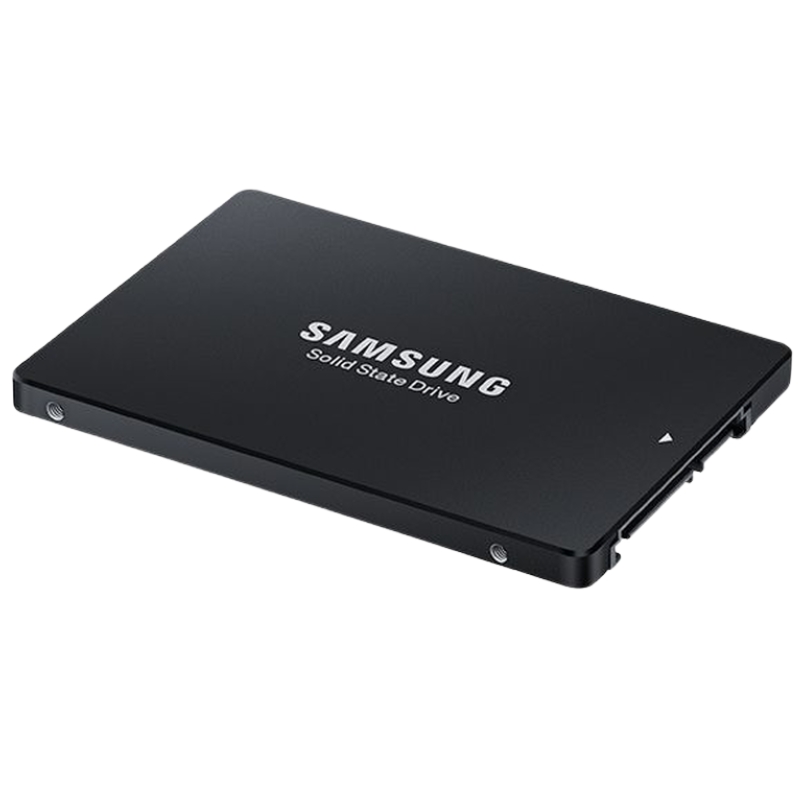


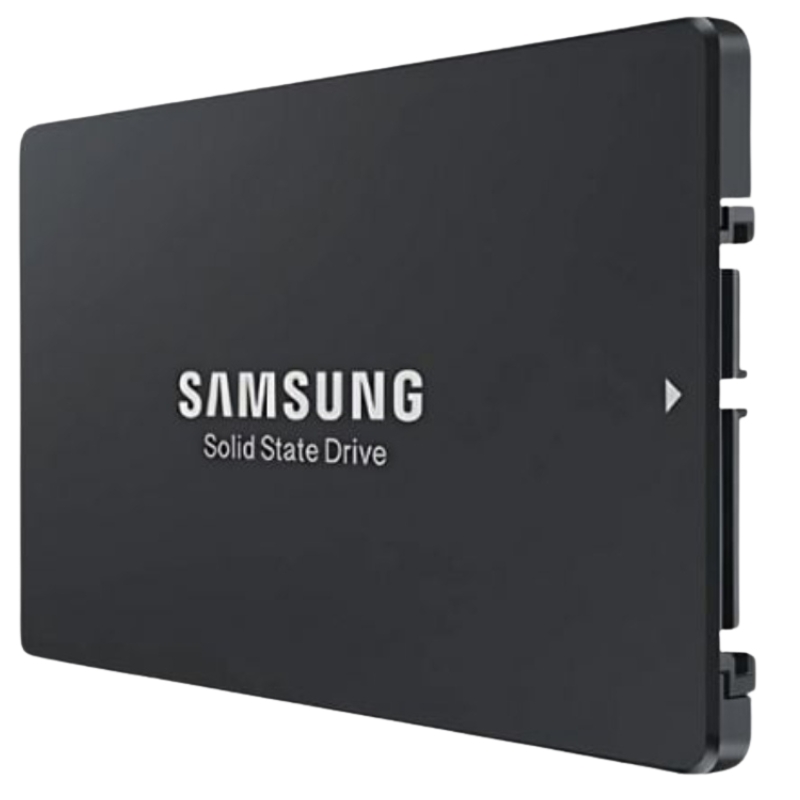
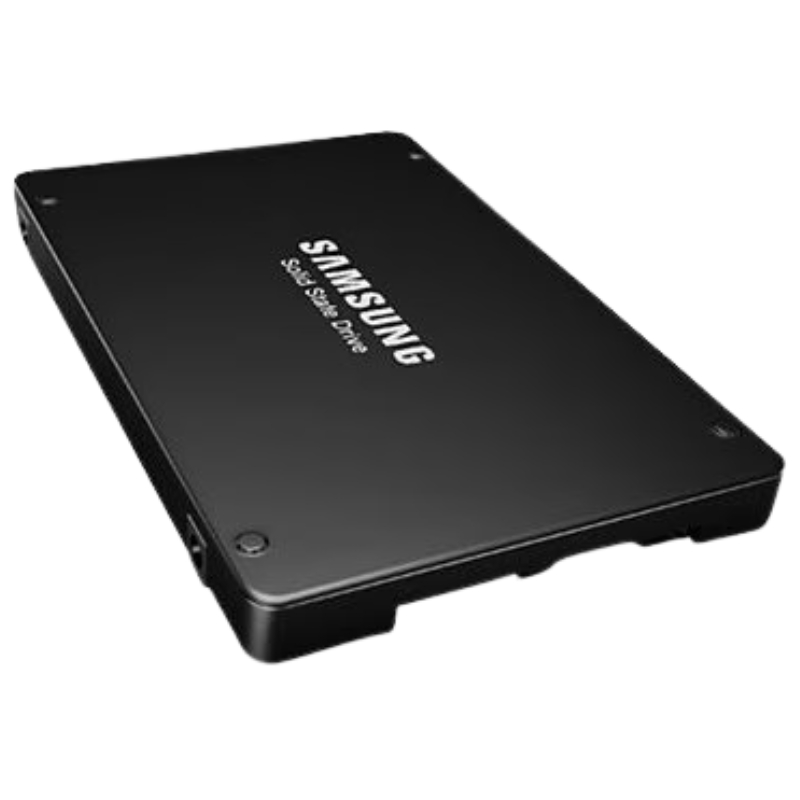
Samsung PM1645A 3.2TB SSD MZ-ILT3T2C SAS-12GBPS SFF Hot Swap SSD. New Sealed in Box (NIB) with 3 Years Replacement Warranty - Dell Version
The Samsung PM1645A 3.2TB Solid State Drive, bearing the model number MZ-ILT3T2C, represents a significant leap in enterprise-grade storage technology. Designed explicitly for the most demanding data center and server environments, this SSD leverages the high-speed Serial Attached SCSI (SAS) interface with a 12 gigabits per second (12Gbps) data rate to deliver exceptional performance, unwavering reliability, and massive capacity. It is engineered to address the critical needs of read-intensive and mixed-workload applications, where low latency, high Input/Output Operations Per Second (IOPS), and consistent quality of service are non-negotiable. This category encompasses drives built for professionals, system integrators, and enterprises seeking to upgrade their storage infrastructure from traditional Hard Disk Drives (HDDs) or lower-performance SSDs to a solution that can handle the relentless data flow of modern business operations.
At the heart of the Samsung PM1645A's performance is its SAS-12Gbps interface. This is not merely an incremental upgrade from previous 6Gbps SATA or SAS generations; it is a foundational technology that defines the drive's capabilities.
While SATA (Serial ATA) is common in consumer and some entry-level enterprise setups, SAS is the de facto standard for mission-critical enterprise storage. The key differentiators include:
The PM1645A utilizes Samsung's proprietary 3D Vertical NAND (V-NAND) technology. Unlike planar NAND, where cells are arranged on a single layer, V-NAND stacks cell layers vertically. For this enterprise-class drive, Samsung employs 3D MLC (Multi-Level Cell) NAND, which stores two bits per cell. This offers a superior balance between performance, endurance, and cost compared to TLC (Tri-Level Cell) or QLC (Quad-Level Cell) NAND, making it the preferred choice for rigorous enterprise workloads. The 3D structure allows for higher densities (like the 3.2TB capacity) without sacrificing cell integrity, leading to better reliability and slower cell wear-out.
The drive is powered by a high-performance, multi-core SAS controller designed and optimized by Samsung. This controller acts as the brain of the SSD, managing data placement, wear leveling, garbage collection, and error correction with extreme efficiency. It is paired with a large onboard DRAM cache, which serves as a fast mapping table for the NAND flash's physical addresses. This significantly reduces latency when locating data, directly contributing to the drive's high random read/write IOPS performance. The combination of a powerful controller and ample DRAM is essential for maintaining consistent performance under sustained heavy loads.
Enterprise environments cannot tolerate data loss. The PM1645A is equipped with a comprehensive Power Loss Protection (PLP) circuit. This system typically includes an array of capacitors that, upon detecting an unexpected power failure, provide just enough reserved energy to complete any ongoing writes from the volatile DRAM cache to the non-volatile NAND flash. This ensures data-at-rest is always consistent and prevents corruption, a critical feature for financial transactions, database integrity, and any application where data is paramount.
Perhaps even more important for server workloads is random I/O performance. The PM1645A delivers impressive random read IOPS (e.g., 220,000) and random write IOPS (e.g., 40,000). High random IOPS directly translate to:
Beyond raw throughput, the PM1645A is engineered for consistently low latency, often measured in microseconds. This predictability is vital for real-time applications where response time is critical, such as financial trading platforms or real-time customer engagement systems. The drive's advanced controller and firmware work to minimize performance variability, ensuring a smooth and predictable user experience even during peak loads.
The Samsung PM1645A is not a one-size-fits-all solution; it is precision-engineered for specific demanding scenarios.
It is a perfect choice as a boot drive for servers or for hosting the primary operating system and applications in rackmount, tower, and blade servers. Its reliability ensures server uptime, and its performance accelerates all server functions.
Storage Area Networks (SANs) and enterprise storage arrays from vendors like Dell EMC, HPE, NetApp, and IBM often utilize high-performance SAS SSDs like the PM1645A in tiers dedicated to hot data—data that is frequently accessed and requires the lowest possible latency.
Public and private cloud providers can leverage these drives to build high-performance storage backends for their Infrastructure-as-a-Service (IaaS) and Platform-as-a-Service (PaaS) offerings, ensuring consistent performance for tenant virtual machines and applications.
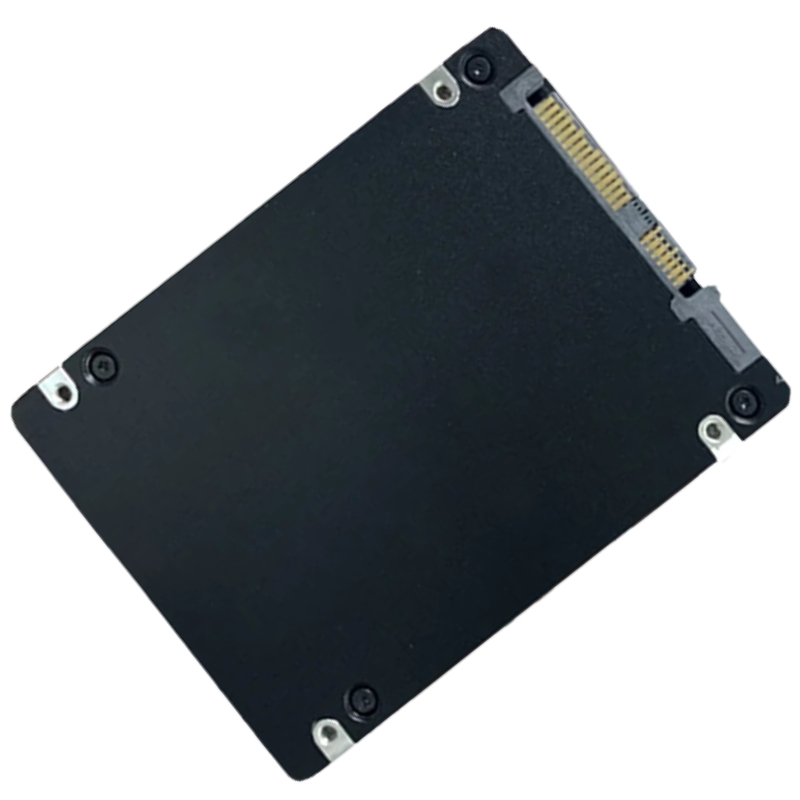
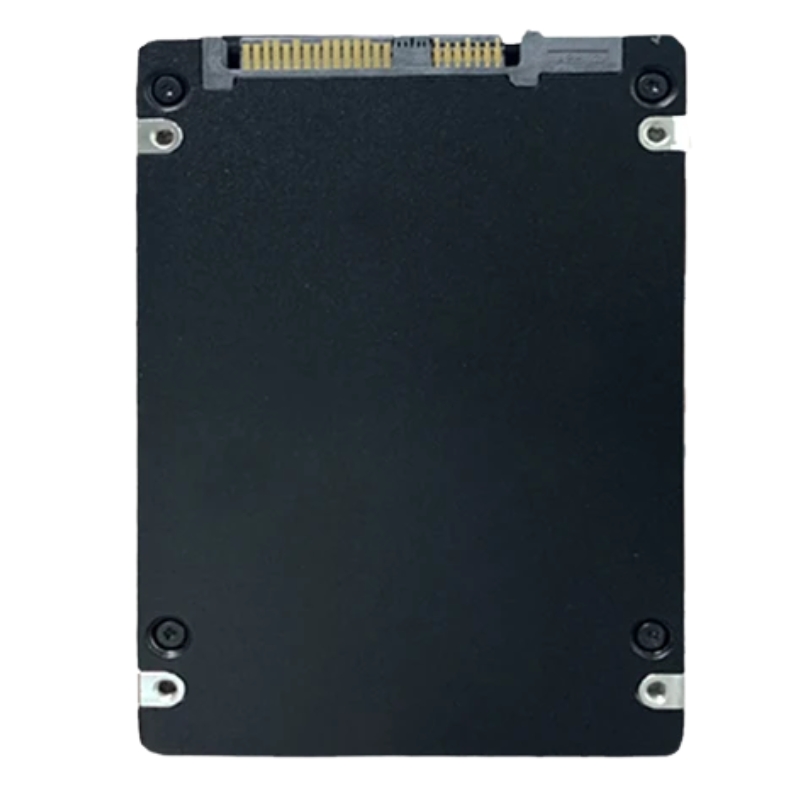
The Samsung PM1645A comes in a standard 2.5-inch form factor with a height of 15mm. This is a common size compatible with most enterprise server and storage system bays. It is critical to verify that your chassis supports 15mm-height drives, as some are designed for the slimmer 7mm drives. The drive features a dual-port SAS interface, which is a key feature for high-availability configurations. In a dual-port setup, the drive can be connected to two different host controllers simultaneously. If one controller fails, the other can immediately take over, ensuring continuous data availability—a mandatory requirement for mission-critical systems.
Understanding where the PM1645A fits in the storage hierarchy helps in making an informed purchasing decision.
While SATA SSDs offer a cost-effective performance boost over HDDs, they are hampered by the SATA interface's 6Gbps limit (~600 MB/s) and lack of advanced enterprise features like dual-porting and robust PLP. The PM1645A offers roughly 3x the sequential throughput, significantly higher IOPS, and far greater reliability.
NVMe (Non-Volatile Memory Express) is the latest protocol, designed over PCIe, and offers even higher bandwidth and lower latency than SAS. However, NVMe adoption often requires new server hardware and different backplane architectures. SAS remains the workhorse of the enterprise data center due to its maturity, vast compatibility, and advanced redundancy features like dual-porting, which NVMe is only beginning to address with new specifications. The PM1645A offers a best-in-class solution within the vast existing SAS ecosystem.


 Contact Us
 Information
 Catalog
 Solid State Drives (SSD)
 Network Switches
 Hard Disk Drives
 HBA & Controllers
 PC & Servers
 PC & Server Memory
 CPU & Processors
 Network Routers
 Power Supplies
 Tape Drives & Libraries
 Network Devices
 Computer & Network Cables