(7% discount is applied at checkout)
Cart is empty
Your go-to destination for cutting-edge server products
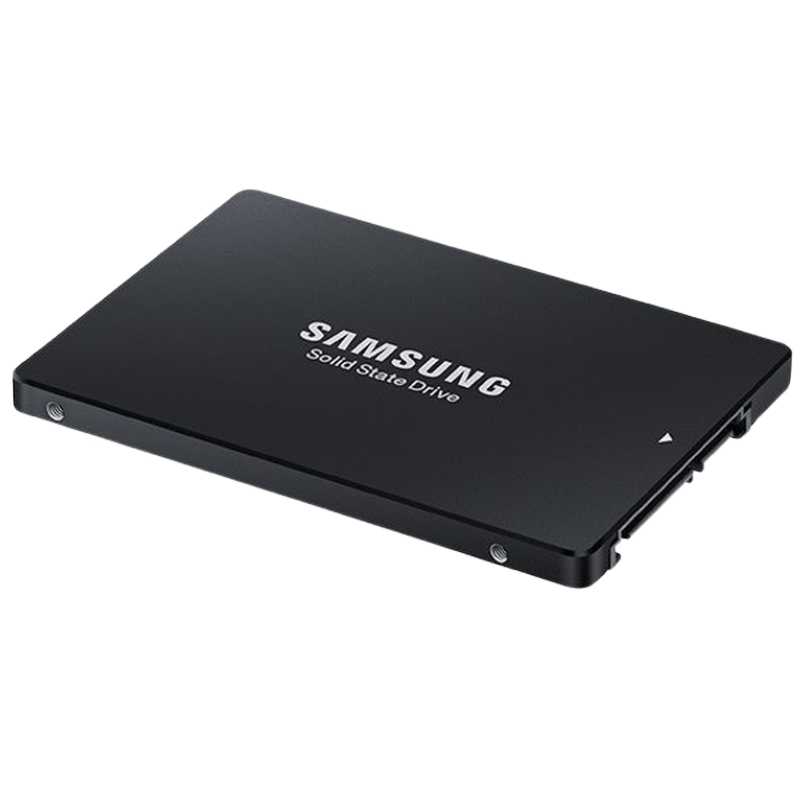


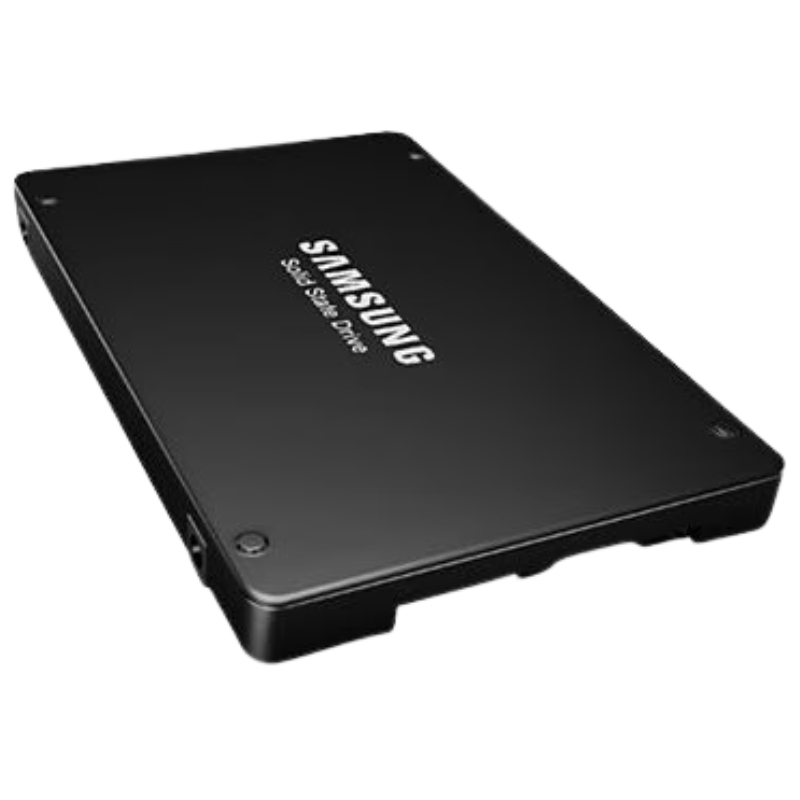
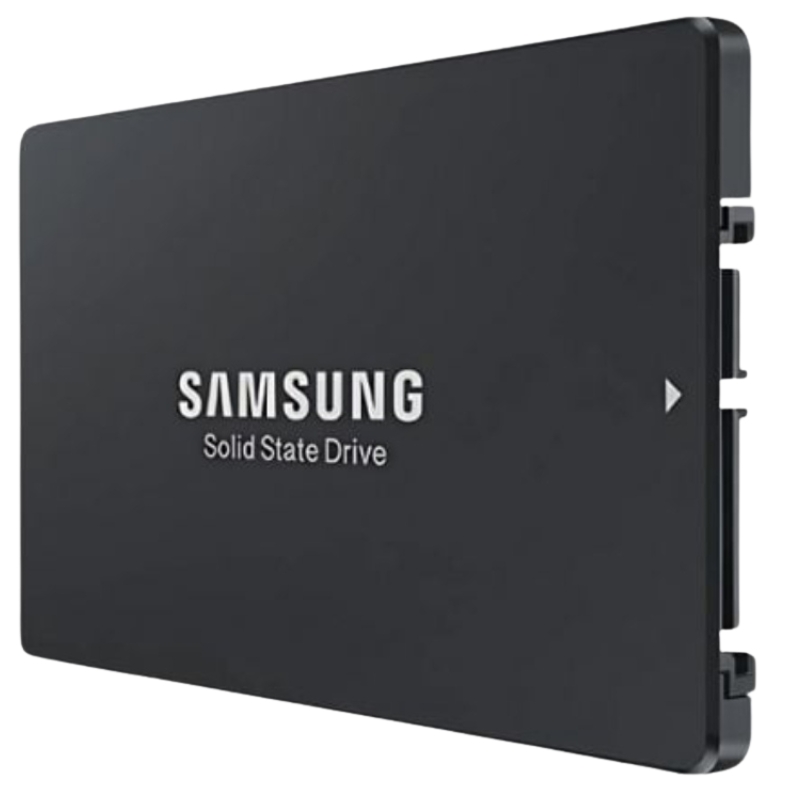
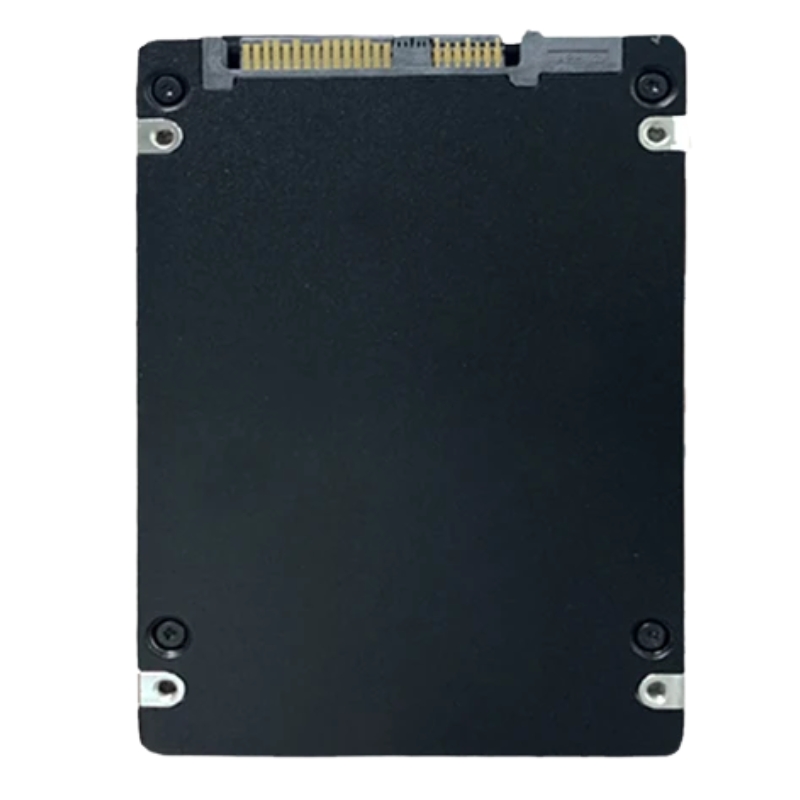
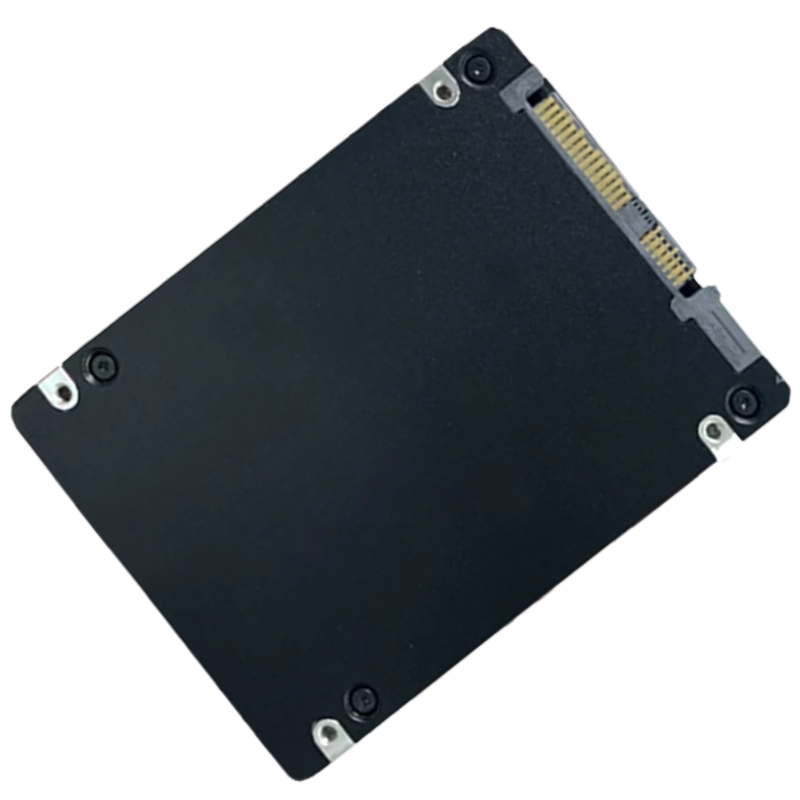
MZILT3T2HBLSAD3 Samsung 3.2TB PM1645A SAS-12GBPS SFF Mixed-Use Hot Swap Enterprise SSD. New Sealed in Box (NIB) with 3 Years Warranty - Dell Version
The Samsung PM1645A MZILT3T2HBLSAD3 stands as a testament to Samsung's engineering prowess in the enterprise storage domain. This 3.2TB SAS 12Gb/s 2.5-inch SFF (Small Form Factor) Solid State Drive is meticulously crafted for the most demanding data center and enterprise applications. As a Mixed-Use drive, it strikes a perfect equilibrium between high-performance read operations and sustained write endurance, making it an incredibly versatile solution for a myriad of server and storage workloads. Engineered for 24/7 operation, it delivers exceptional IOPS (Input/Output Operations Per Second), ultra-low latency, and blistering throughput, all while ensuring unwavering reliability and data integrity. This drive is not merely a storage component; it is a critical infrastructure asset designed to accelerate data access, improve application responsiveness, and handle intensive mixed workloads with consummate ease.
At the heart of the PM1645A MZILT3T2HBLSAD3 lies Samsung's cutting-edge V-NAND technology and a sophisticated, purpose-built controller. The drive's architecture is optimized to leverage the full bandwidth of the SAS 12Gb/s interface, eliminating bottlenecks that can plague SATA or slower SAS drives. With a massive 3.2TB capacity in a compact 2.5-inch form factor, it offers an exceptional density that is crucial for modern data centers where physical space is at a premium. The drive's robust design is built for a Mean Time Between Failures (MTBF) of 2 million hours, underscoring its exceptional reliability. Furthermore, it incorporates advanced power loss protection mechanisms, safeguarding data in the event of an unexpected power interruption by utilizing built-in capacitors to complete any ongoing writes to the NAND.
The Serial Attached SCSI (SAS) 12Gb/s interface is a critical differentiator for the PM1645A. This dual-ported interface provides a significant performance advantage over SATA SSDs, offering not just higher bandwidth but also full duplex communication—meaning data can be read from and written to the drive simultaneously at full speed. The dual-port capability is a cornerstone of enterprise storage, enabling high-availability (HA) and failover configurations. If one host connection or controller fails, the second port ensures continuous data accessibility, which is non-negotiable for mission-critical applications. The backward compatibility with 6Gb/s (SAS2) and 3Gb/s (SAS1) systems also ensures seamless integration into existing infrastructure.
The 2.5-inch Small Form Factor (SFF) is the industry standard for modern high-density servers and storage arrays. This compact size allows system manufacturers to pack a tremendous amount of storage capacity into a single chassis. The hot-swap capability is an essential feature for maintaining uptime. A failed or failing drive can be identified, removed, and replaced without powering down the entire system or disrupting services. This facilitates easy maintenance, upgrades, and expansion, ensuring business continuity and operational flexibility.
The "Mixed-Use" designation is a key characteristic of the PM1645A. Unlike Read-Intensive (RI) drives optimized for a high ratio of reads to writes, or Write-Intensive (WI) drives built for extreme write endurance, Mixed-Use drives are engineered to handle a balanced, unpredictable workload. They are ideal for applications where the ratio of reads to writes is approximately 50/50 or can vary significantly. This makes them the "workhorse" of the data center, capable of excelling in a wide range of scenarios without being specialized for a single task. Their endurance is typically measured in Drive Writes Per Day (DWPD), and the PM1645A offers a robust rating that ensures a long service life even under constant, heavy use.
The versatility of the Samsung PM1645A makes it suitable for a broad spectrum of enterprise applications. Its performance profile is tailored for environments where latency is a critical metric and throughput cannot be compromised.
Utilizing the PM1645A as a boot drive for critical servers ensures extremely fast boot times and rapid application loading. The high IOPS and low latency significantly improve the responsiveness of the operating system and any services running on the server, leading to a more efficient and stable server environment.
Virtualization platforms like VMware vSphere, Microsoft Hyper-V, and Citrix Hypervisor generate intense, randomized I/O patterns as they manage multiple virtual machines on a single host. The PM1645A's consistent performance and high IOPS are perfect for hosting virtual machine disks (VMDKs, VHDs) and the hypervisor itself. In HCI environments, where storage, compute, and networking are combined into a single node, the drive's mixed-use capability efficiently handles the combined workload of applications and storage processing.
Database servers for systems like Microsoft SQL Server, Oracle DB, MySQL, and SAP HANA are notoriously I/O-hungry. Online Transaction Processing (OLTP) involves a high volume of small, random read and write operations that require sub-millisecond latency. The PM1645A excels in this environment, accelerating query times, speeding up transaction commits, and improving overall database performance, which directly translates to faster business insights and more responsive applications.
In the financial sector, every microsecond counts. High-Frequency Trading platforms and real-time analytics engines require storage that can keep up with massive data ingestion and processing rates. The ultra-low latency and high throughput of the SAS 12Gb/s interface make the PM1645A a strong contender for these time-sensitive applications, where speed directly correlates to profitability.
While often read-heavy, CDN nodes and caching servers can benefit greatly from the write performance of a mixed-use drive during cache updates and content ingestion. The PM1645A can quickly serve popular content to end-users while efficiently handling background updates, ensuring a smooth and fast user experience.
While specific benchmark results can vary based on system configuration, the Samsung PM1645A is designed to deliver top-tier performance metrics that place it among the leaders in its class.
The drive is capable of achieving sequential read speeds of up to 1,800 MB/s and sequential write speeds of up to 1,200 MB/s (performance figures are approximate and based on vendor specifications). This exceptional throughput is vital for tasks that involve moving large files, such as video editing, scientific simulations, data backup, and restoration processes. It ensures that these data-transfer-intensive operations complete in the shortest time possible.
For enterprise workloads, random performance is often more important than sequential speed. The PM1645A shines here, delivering up to 240,000 Random Read IOPS and 40,000 Random Write IOPS (performance figures are approximate and based on vendor specifications). High random read IOPS means the drive can fetch small pieces of data from all over its capacity almost instantly, which is crucial for database queries and serving virtual machines. Strong random write IOPS ensures that recording new data, such as transaction logs or user-generated content, happens without delay.
Latency, the delay between a request and its response, is arguably the most important performance metric for application responsiveness. The PM1645A is engineered for consistently low latency, often well under 1 millisecond. This predictability ensures that applications perform smoothly without the "jitter" or lag that can occur with lower-tier storage, providing a consistent experience even during peak load times.
The Samsung PM1645A is designed for seamless integration into the enterprise ecosystem.
This SAS drive is universally compatible with server and storage chassis from leading OEMs such as Dell EMC (PowerEdge), HPE (ProLiant, Synergy, 3PAR), Cisco (UCS), IBM/Lenovo (System x), Supermicro, and many others. It is imperative to verify compatibility with your specific system model and ensure the chassis has the appropriate SAS-based backplane to support the 12Gb/s speed.
Comparing SAS to Other Interfaces (NVMe, SATA)
Understanding where SAS fits in the storage hierarchy is crucial.
SAS is fundamentally superior to SATA for enterprise use. It offers higher bandwidth (12Gb/s vs. 6Gb/s), full duplex operation, dual-porting for redundancy, and a more robust command set with deeper command queues. SATA SSDs are typically reserved for read-intensive or boot applications where cost is a primary concern and high availability is not required.
NVMe (Non-Volatile Memory Express) is the newer protocol designed specifically for flash storage, connecting via PCIe lanes. It offers significantly higher IOPS and lower latency than SAS due to its streamlined stack and parallelized architecture. However, SAS remains highly relevant. It offers features NVMe is still maturing in, like dual-port redundancy, and is ubiquitous in existing data center infrastructure. NVMe is often deployed in all-flash arrays for tier-0 performance-critical applications, while SAS provides a proven, reliable, and high-performance workhorse for tier-1 storage. The choice between SAS and NVMe often comes down to specific application needs, existing infrastructure, and budget.


 Contact Us
 Information
 Catalog
 Solid State Drives (SSD)
 Network Switches
 Hard Disk Drives
 HBA & Controllers
 PC & Servers
 PC & Server Memory
 CPU & Processors
 Network Routers
 Power Supplies
 Tape Drives & Libraries
 Network Devices
 Computer & Network Cables