(7% discount is applied at checkout)
Cart is empty
Your go-to destination for cutting-edge server products
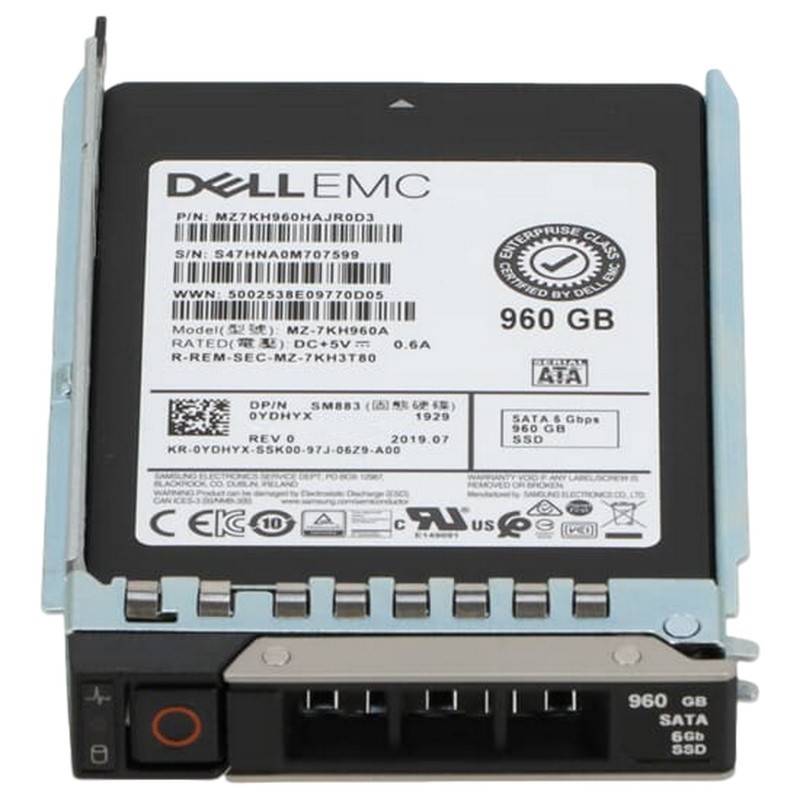


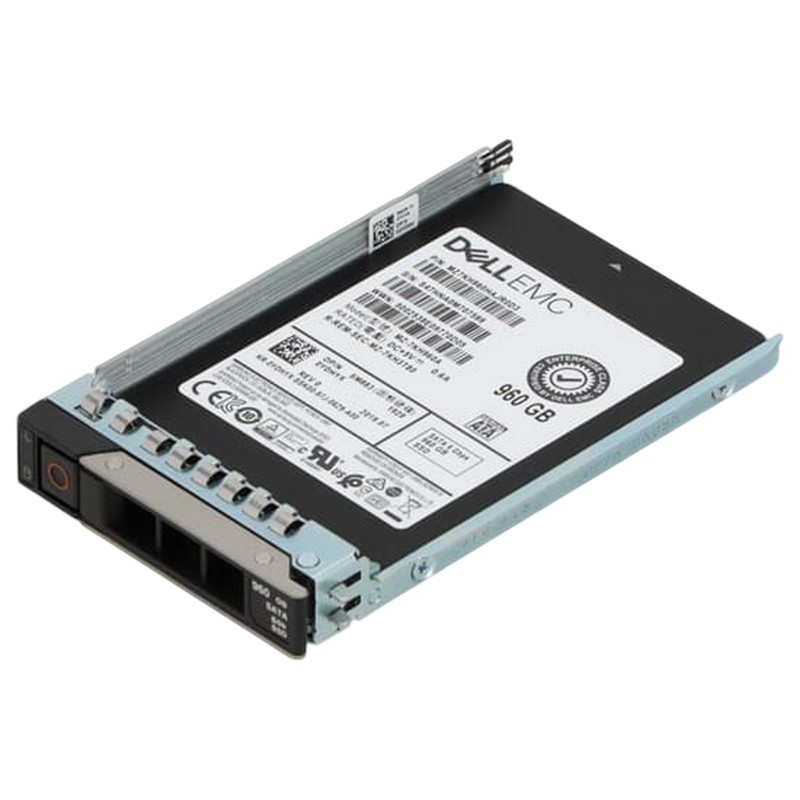
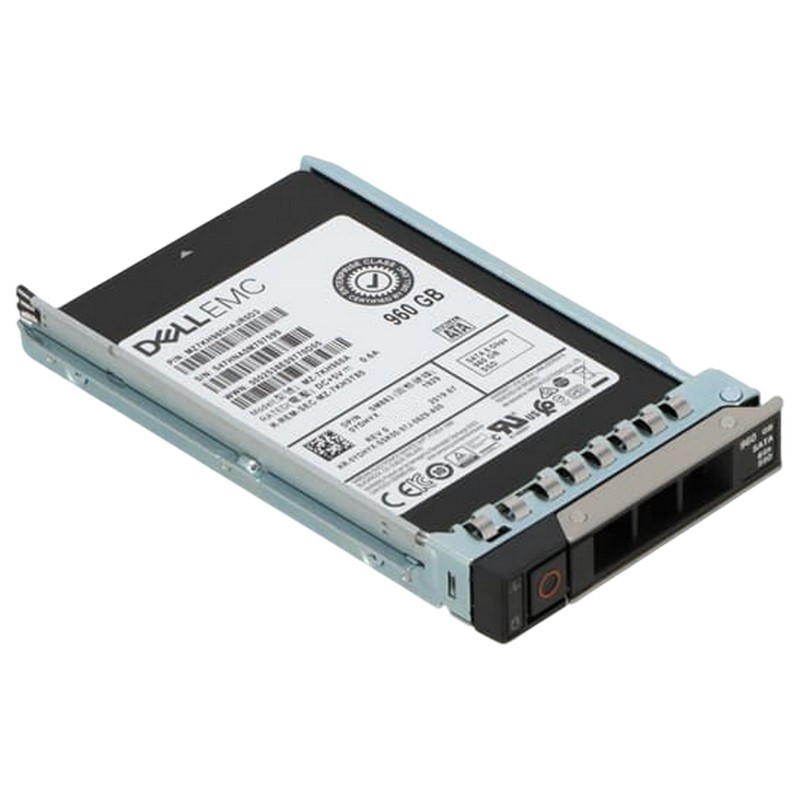
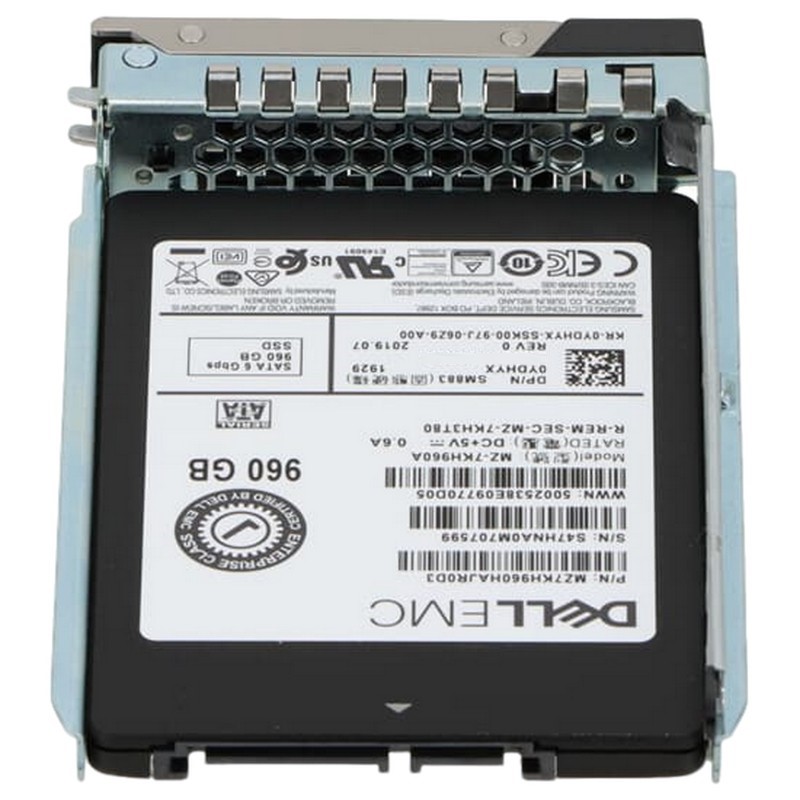
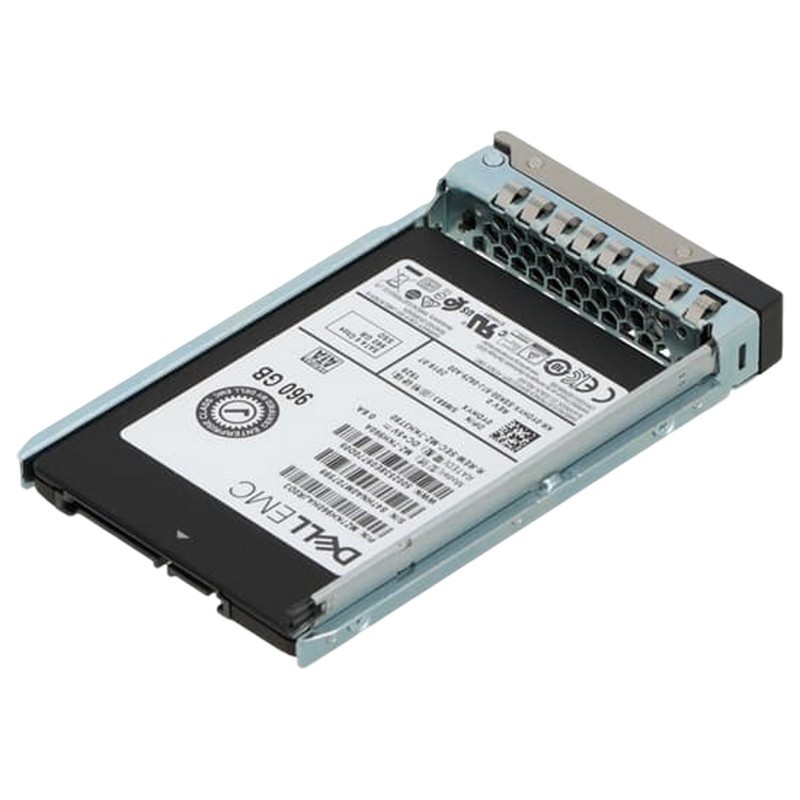
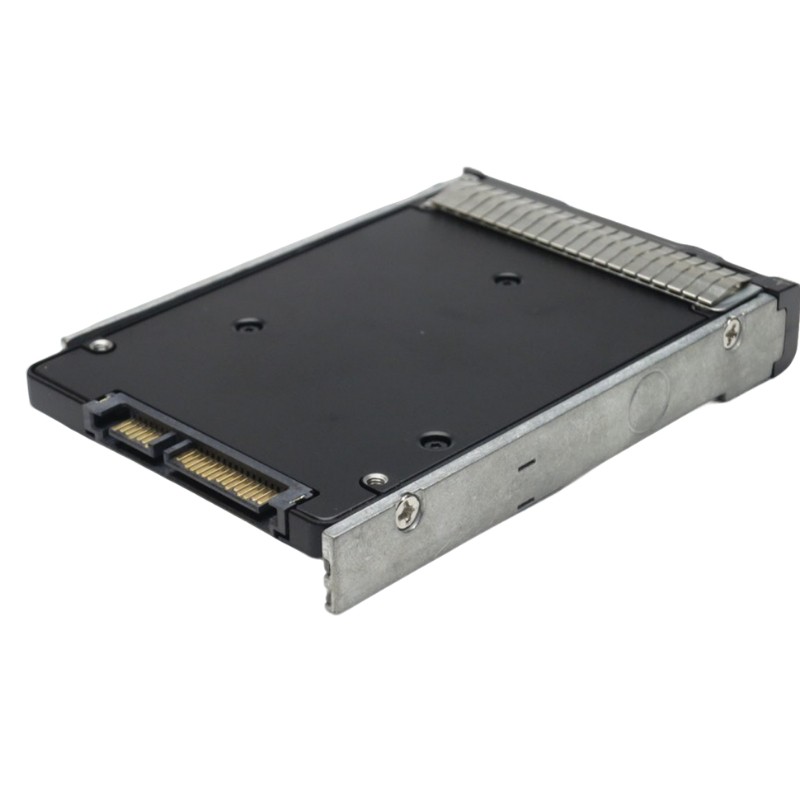
Dell V60F4 960GB SATA 6GBPS Read Intensive Endurance 1DWPD TLC SFF Hot Plug Solid State Drive. New Sealed in Box (NIB) with 1 Year Replacement Warranty
This enterprise-grade solid-state drive is engineered for high-performance storage solutions in demanding server environments. It is a DELL Certified component, ensuring optimal reliability and seamless integration.
This drive is a compatible upgrade and replacement component for the following systems:
The V60F4 Dell 960GB SATA 6Gbps Read Intensive Endurance 1DWPD TLC SFF Hot Plug Solid State Drive Represents A Focused Solution For Data Centers And Enterprise Servers That Prioritize Consistent Read Performance, Reliability, And Lower Total Cost Of Ownership. This Category Page Description Explores The Drive’s Technical Attributes, Typical Use Cases, Deployment Best Practices, Compatibility Considerations, And The Operational Benefits That Make It A Strong Choice For Read-Centric Workloads.
The Dell V60F4 960GB SSD Is A Small Form Factor, Hot-Pluggable SATA Drive Engineered For Read-Intensive Applications. With A 6Gbps SATA Interface And Triple-Level Cell (TLC) 3D NAND, It Balances Cost Efficiency With Robust Endurance Metrics — Specified At 1 Drive Write Per Day (1DWPD) — Which Is Well Suited To Environments Where Read Operations Greatly Outnumber Writes. This Drive Is Positioned Between Consumer-Class SATA Drives And Higher-Endurance Enterprise NVMe Options, Providing A Middle Ground Where Predictable Reads, Hot-Swap Convenience, And Manufacturer Support Matter.
Organizations Seeking To Replace Aging 10K/15K RPM Hard Drives In Tiered Storage Architectures, Companies Implementing Read-Heavy Caching Layers, And Service Providers Maintaining Large-scale Web And Content Delivery Deployments Will Find The V60F4 Attractive. It Is Also A Practical Choice For Backup Targets, Virtual Desktop Infrastructure Read Caches, And Database Index Storage Where Read Throughput And Low Latency Improve Application Responsiveness.
The V60F4 Employs A Standard 2.5-Inch SFF Form Factor And Connects Over A SATA III (6Gbps) Interface, Ensuring Broad Compatibility With Existing Server Backplanes And Storage Controllers. The Drive Uses TLC 3D NAND To Maximize Density And Cost-Effectiveness While Employing Firmware-Level Wear Management To Meet The 1DWPD Endurance Rating.
Behind The Drive’s Label Is A Carefully Tuned Combination Of Industry-Standard 3D TLC NAND, A Controller Optimized For SATA Protocols, And Vendor Firmware That Orchestrates Error Correction, Wear Leveling, Bad Block Management, And Power Loss Protection Features. The Firmware Plays A Critical Role In Maintaining Consistent Read Latency, Managing Background Garbage Collection, And Preserving Drive Health Across Enterprise Workloads.
Although The Drive Is Marketed For Read-Intensive Workloads, Its 1DWPD Endurance Rating Means It Can Handle One Full Drive Write Per Day Over Its Warranty Period Safely. Customers Should Model Workloads To Ensure That Write Amplification, Logging, Or Unexpected Write Bursts Do Not Exceed The Drive’s Designed Capabilities. For Mixed Or Write-Heavy Use Cases, Higher-DWPD Models Or NVMe Alternatives Should Be Evaluated.
The Typical Sequential And Random Read Performance Of This SATA Drive Will Be Constrained By The SATA Interface; Thus, Peak Sequential Speeds Are Primarily Bounded By 6Gbps Link Rates And Internal Controller Capabilities. Random Read IOPS For Small Block Sizes Are Significant Improvements Over Traditional Spinning Media, Especially Under Multithreaded Access Patterns. Performance Remains Predictable For Consistent Read Workloads, Making The Drive Suitable For Latency-Sensitive Reads.
One Of The V60F4’s Biggest Advantages Is Its Plug-And-Play Nature With Most Dell PowerEdge Servers And Compatible Backplanes. It Is Important To Verify Firmware Compatibility With Host Systems And RAID Controllers To Avoid Unexpected Behavior. Dell Offers Validated Firmware Images And Compatibility Matrices That Guide Administrators On Supported Server Models And Controller Firmware Versions.
When Integrating The Drive Into A Server, Ensure That The RAID Or HBA Controller Is Configured Correctly For SATA SSDs, Including Proper AHCI Or HBA Modes Where Appropriate. Many Modern Controllers Provide Specific SSD Management Features And SMART Passthrough That Help With Monitoring And Firmware Updates. On The Operating System Side, Modern Linux Kernels And Windows Server Editions Have Mature Support For SATA SSDs, But It Is Best Practice To Confirm Driver Versions And To Enable TRIM Or Equivalent Support When Possible.
The SFF Hot-Plug Feature Simplifies Maintenance By Allowing Drive Replacement Without Powering Down The Server. This Reduces Planned Downtime In Multi-Node Environments And Enables Faster Drive Swaps During Failures. Administrators Should Follow Vendor Procedures For Safe Removal And Insertion, Including Using Controller Management Tools To Prepare Arrays Or To Evacuate Data When Operating Under RAID Configurations.
The Dell V60F4 Is Optimized For Environments Where Read Operations Dominate. Typical Patterns Include Content Delivery Networks, Static Web Hosting, Virtual Desktop Image Hosting, Search Index Storage, And Certain Database Read Replicas. In These Scenarios, The Drive Provides Faster Access Times Compared To Rotational Media, Lower Latency For End Users, And Reduced Power Consumption.
For Static Assets Such As Images, Videos, And Documents, The Drive Delivers Higher Throughput Per Watt Than Equivalent HDD Arrays. Organizations That Cache Frequently Accessed Content At The Edge Or Within Regional Data Centers Benefit From The Drive’s Read Predictability, Which Improves Cache Hit Response Times And Reduces Origin Server Load.
Virtual Desktop Environments With Large Numbers Of Read-Heavy Boot Or Application Access Patterns See Noticeable Improvements When Boot Images Or Persistent Caches Reside On SSDs. The Drive Reduces Boot Storm Effects And Improves Login Latency For End Users. For Best Results, Pair The V60F4 With Adequate RAM And Host-Level Caching Policies To Minimize Unnecessary Writes.
When Databases Offload Read Queries To Replicas Or Store Indexes On Separate Storage, A Read-Intensive SSD Helps Maintain Low Query Latency And High Throughput. Because Indexes Tend To Be Read Frequently And Written Infrequently, Storing Them On A 1DWPD TLC SSD Is Both Cost-Effective And Performance-Appropriate.
To Maximize Lifespan And Maintain Consistent Performance, Follow Best Practices Around Capacity Planning, Firmware Updates, Monitoring, And Thermal Management. SSDs Behave Differently From HDDs; Understanding Wear Patterns, Over-Provisioning, And Background Maintenance Tasks Like Garbage Collection Will Improve Reliability.
Reserve Some Capacity To Reduce Write Amplification And To Allow Internal Wear-Leveling Algorithms To Operate Efficiently. Many Administrators Intentionally Leave A Percentage Of Drive Capacity Unused Or Configure Controller-Level Over-Provisioning When Possible. This Practice Helps Keep Latency Stable And Extends Useful Drive Life.
SSDs Are Sensitive To Operating Temperature Ranges; Excess Heat Can Accelerate Wear Or Trigger Performance Throttling. Design Data Center Airflow And Rack Cooling To Keep Drive Temperatures Within Vendor-Specified Ranges. Additionally, Ensure Power Delivery And Backplane Health To Avoid Unexpected Resets That May Impact Data Integrity.
The V60F4 Is Built With Enterprise-Class Features That Emphasize Data Integrity. Error Correction Mechanisms, Power-Loss Protection Capabilities, And Robust Firmware Contribute To Reliability. For Environments With Elevated Security Needs, Evaluate Drive-Level Encryption Options And Combine Them With Host-Based Key Management Systems.
Combine SSDs With RAID Configurations, Regular Backups, And Immutable Snapshots Where Appropriate. While SSDs Reduce Failure Rates Compared To Spinning Media In Many Scenarios, No Single Drive Is Immune From Failure; Redundancy And Offsite Copies Remain Fundamental To Resilient Architectures.
Confirm Whether The Drive Supports Hardware-Based Self-Encrypting Drive (SED) Capabilities If Your Environment Requires At-Rest Encryption For Compliance. When Hardware Encryption Is Not Available, Use Host-Side Encryption With Trusted Platform Module Integration Or Enterprise Key Management To Meet Regulatory Requirements.
When Choosing Between The V60F4 And Alternative Storage Options, Consider Performance Needs, Endurance Requirements, Interface Constraints, And Budget. Compared To Higher-End NVMe Drives, The V60F4 Offers Lower Cost Per GB But With Reduced Latency And Throughput Potential. Against High-Speed SATA Or SAS SSDs With Higher DWPD Ratings, The V60F4 Trades Some Endurance For Cost Efficiency In Read-Dominant Scenarios.
If Your Applications Involve Heavy Logging, Continuous Data Ingestion, Or Write-Intensive Analytics, Drives With Higher DWPD Ratings Or NVMe Protocols May Be More Appropriate. Evaluate The Long-Term Costs Of Replacing Lower-Endurance Drives Versus Investing Upfront In Drives Designed For Heavy Writes.
Choose The V60F4 For Large-Scale Read Caches, Static Content Stores, And Archive Systems Where Reads Far Outweigh Writes, And Where Compatibility With Existing SATA Backplanes Simplifies Deployment. Its Hot-Plug Feature And Dell Validation Provide Operational Ease For Managed Racks And Hyperscale Configurations.
At End-Of-Life, Follow Secure Data Destruction Protocols That Comply With Your Organization’s Policies And Local Regulations. Use Vendor-Recommended Secure Erase Tools Or Certified Destruction Services To Ensure That Sensitive Data Cannot Be Recovered. Document Chain-Of-Custody For Compliance And Audit Purposes.
Real-World Deployments Often Combine Multiple Storage Tiers; The V60F4 Sits Comfortably As A Mid-Range Tier That Replaces Legacy Spinning Media For Read-Heavy Functions. Examples Include Using The Drive As A Cache Tier In Hybrid Arrays, Hosting Static Website Assets In A Server Farm, Or Storing Search Index Shards For Faster Query Responses.
In A Hybrid Array, The V60F4 Can Serve As The Read Cache Layer That Accelerates Reads While Bulk Storage Remains On High-Capacity HDDs. This Approach Keeps Costs Low While Delivering The Responsiveness Needed For End Users.
Edge Data Centers That Serve Regional Traffic Benefit From The Drive’s Low Power And Durable Read Performance. Its SFF Hot-Plug Design Simplifies Remote Maintenance, Allowing Onsite Technicians To Replace Units Quickly With Minimal Downtime.
If The Drive Shows Increased Latency, Uncorrectable Read Errors, Or Frequent Reconnects, Use Controller Logs And SMART Attributes To Determine Whether The Issue Is Isolated To The Drive Or Related To The Backplane, Cabling, Or Power Delivery. Run Vendor Diagnostic Utilities To Perform Surface Tests And To Collect Telemetry For Support Escalation.


 Contact Us
 Information
 Catalog
 Solid State Drives (SSD)
 Network Switches
 Hard Disk Drives
 HBA & Controllers
 PC & Servers
 PC & Server Memory
 CPU & Processors
 Network Routers
 Power Supplies
 Tape Drives & Libraries
 Network Devices
 Computer & Network Cables