(7% discount is applied at checkout)
Cart is empty
Your go-to destination for cutting-edge server products
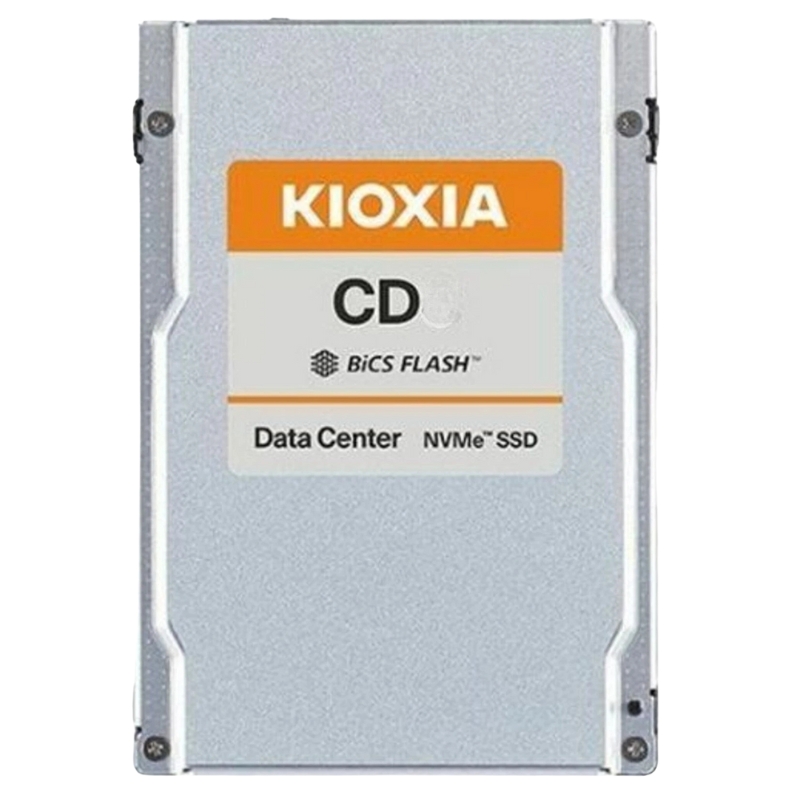


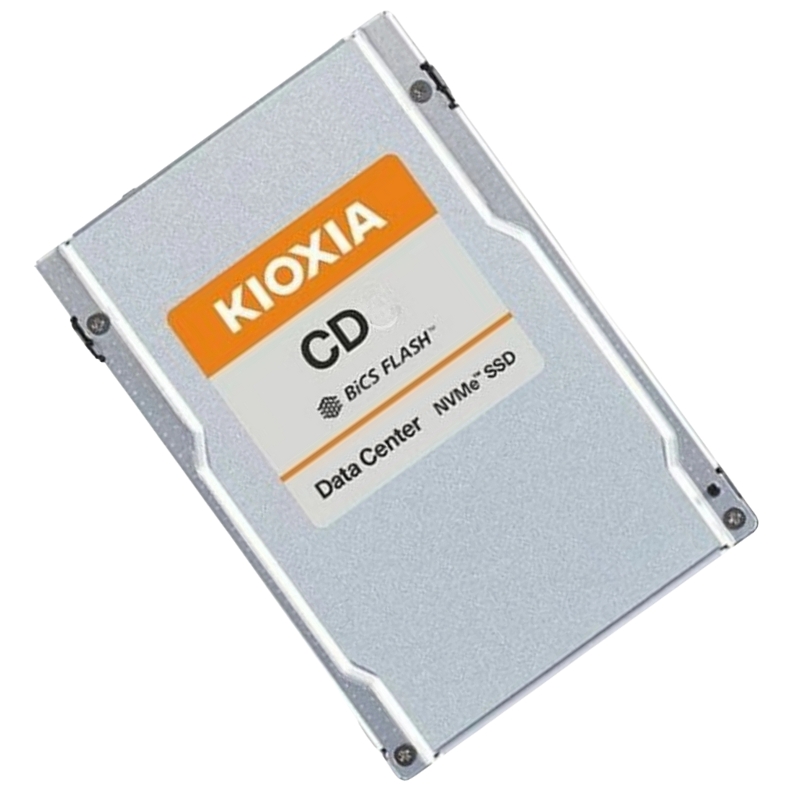
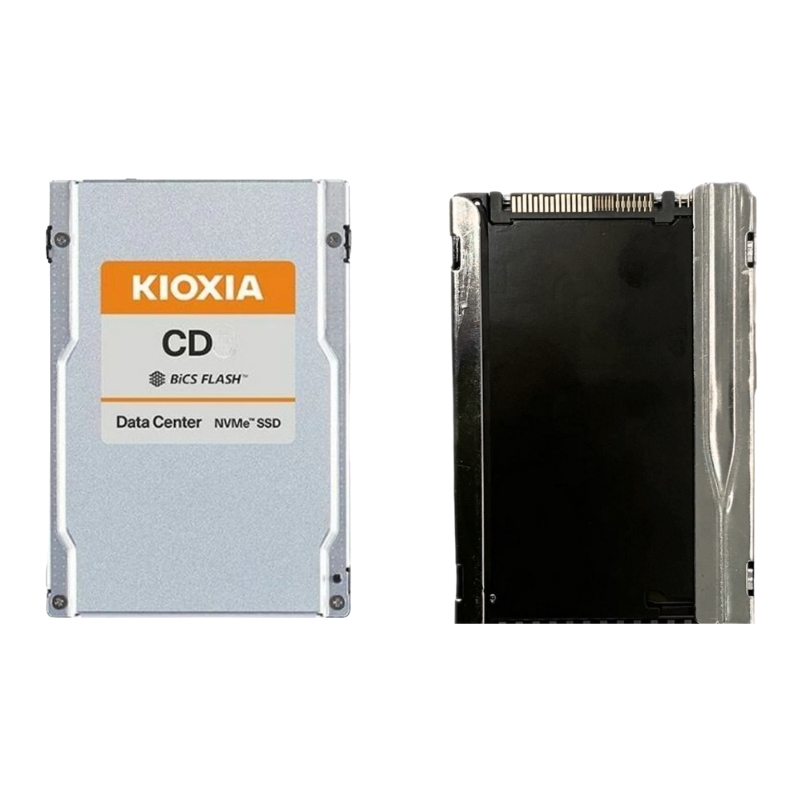
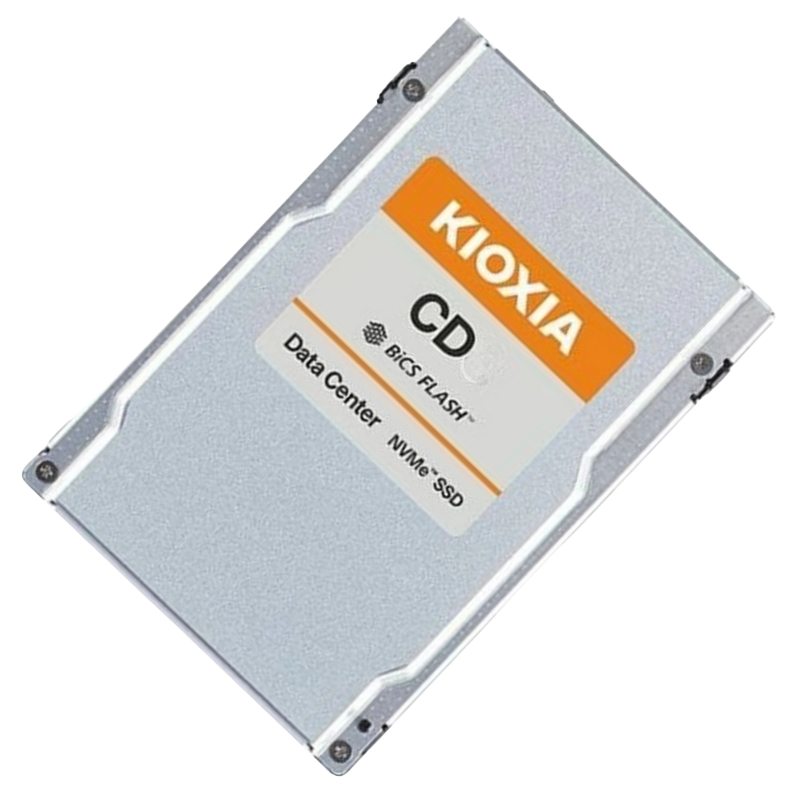
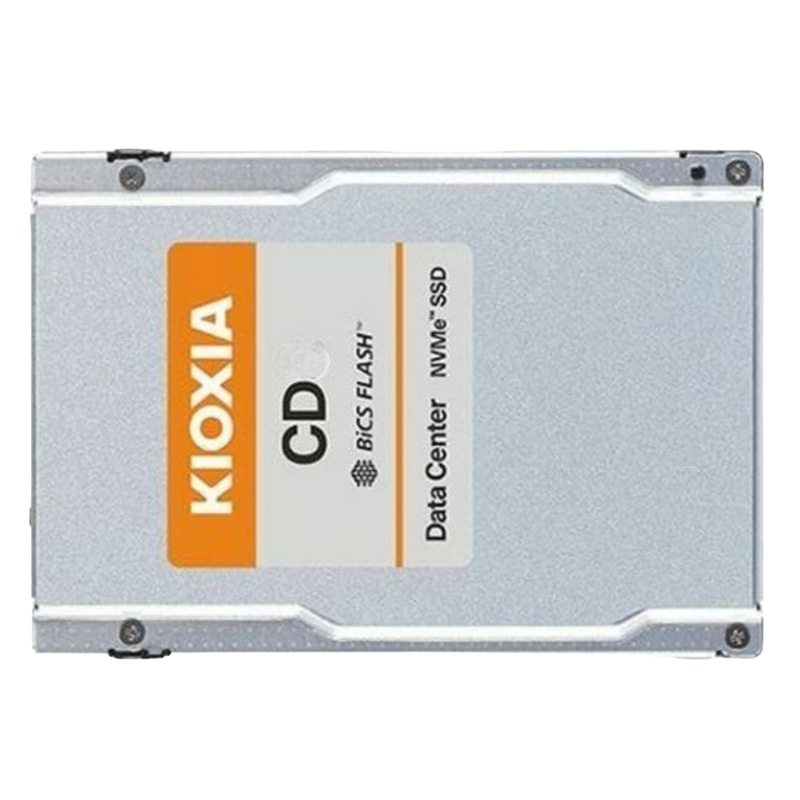
Kioxia SDFBE81EYB01 15.36TB SAS 12GBPS 2.5inch Read Intensive SSD. Excellent Refurbished with 1 year replacement warranty
Elevate your enterprise data infrastructure with the formidable KIOXIA 15.36TB internal solid state drive. Engineered for read-centric applications, this 2.5-inch form factor drive delivers exceptional reliability and blistering throughput for demanding server environments.
Product Category Overview — Enterprise Read-Intensive SAS 12Gbps 2.5" SSDs
The Kioxia SDFBE81EYB01 15.36TB is a representative member of high-capacity, read-intensive enterprise SSDs built on a dual-ported SAS 12Gb/s interface in the 2.5-inch form factor. This category is engineered primarily for large-scale data center environments where read-dominant workloads—such as content delivery, object storage front-ends, metadata stores, and large-scale analytic queries—benefit from a dense, power-efficient, and highly available storage tier. Read-intensive (RI) SAS SSDs balance cost per terabyte, predictable latency, and long sequential throughput while offering enterprise-grade manageability features expected in mission-critical deployments.
The SAS 12Gbps interface remains a popular choice for enterprise arrays and legacy server backplanes due to its mature ecosystem, dual pathing capabilities, and strong integration with hardware RAID controllers and enterprise HBA stacks. The 2.5-inch 15 mm profile used by many enterprise SSDs maximizes volumetric density while preserving mechanical robustness and serviceability in standard rack servers and storage arrays. Dual-port SAS connectivity enables high availability and multipathing without requiring NVMe fabrics, making these drives suitable for environments that prefer established SCSI-based management and failover semantics.
A 15.36TB capacity point places the SDFBE81EYB01 in the high-capacity tier for 2.5" enterprise SSDs. This capacity is an excellent fit for organizations seeking to reduce enclosure and rack counts by consolidating large volumes of read-hot data onto fewer drives. When used in scale-out object stores, cache layers, or read-intensive databases, higher per-drive capacity reduces metadata overhead, lowers operational complexity, and simplifies rebuild strategies when drives fail or are replaced.
Read-intensive devices are engineered with endurance characteristics optimized for workloads where read operations vastly outnumber writes. This approach typically uses TLC or QLC NAND programmed and tuned to extend usable capacity and reduce cost per terabyte while retaining sufficient write endurance for normal operating conditions in read-dominated tiers. The category trades off sustained heavy-write durability for excellent read performance, predictable latency, and an attractive cost profile for read-heavy services.
High sequential throughput is a defining characteristic for many enterprise read-intensive SSDs. These drives are optimized for large sequential reads—common in streaming, content distribution, video delivery, backup restores and cold object retrieval—delivering consistent sustained MB/s throughput across long transfers. In practice, a single drive can support multiple concurrent read streams at high bandwidth, and aggregating multiple drives within an array scales throughput linearly for parallel workloads.
Random read performance—measured in small block IOPS—is crucial for metadata-heavy tasks, such as database index lookups, file system metadata operations, and small object retrievals. The read-intensive class emphasizes low, consistent latency under concurrent access and high random read IOPS to accelerate time-sensitive operations. Systems designed around these drives should tune I/O queue depths, CPU affinity, and storage stack parameters to exploit the low-latency behavior for small, random I/O patterns.
While optimized for reads, RI drives still perform writes adequately for occasional updates, background compaction, and metadata changes. However, sustained heavy writes will consume media life faster than mixed-use or write-intensive classes. Effective deployments employ architectural patterns—such as write coalescing, write-back cache tiering to higher-endurance devices, or host-side write buffering—to limit write amplification on RI drives and preserve long-term endurance.
Dual-port SAS provides out-of-band redundancy for path failover and load balancing. This capability is especially valuable in clustered or SAN environments where uninterrupted data access is mandatory. SAS multipathing allows controllers to transparently reroute IO through an alternate port if one path or cable experiences an error, improving overall system resilience without application-level complexity.
Enterprise SAS SSDs expose extensive SMART attributes and vendor telemetry that operators can harvest for predictive maintenance. Key metrics include media wear indicators, temperature, error counters, and internal scrub statistics. Organizations operating at scale should integrate drive telemetry into monitoring systems and runbooks to trigger replacement workflows before drives degrade to a critical state, reducing unplanned downtime and rebuild penalties.
Data integrity mechanisms such as end-to-end CRC, internal ECC, and transient power loss protection (in hardware or firmware) are core features of enterprise drives. These mechanisms ensure in-flight data is either safely committed to non-volatile media or protected so that partial writes do not corrupt metadata structures. For deployments with rigorous durability requirements, verify that the drive supports the necessary power sequencing and PLP features suitable for your enclosure and backplane design.
Many enterprise SSDs include hardware encryption features and support for industry standard SED (self-encrypting drive) frameworks. Hardware encryption offloads cryptographic workload from the host and provides secure erase and key zeroization capabilities for rapid secure decommissioning. Ensure compatibility with your key management and compliance requirements when selecting drives for regulated environments.
Read-intensive SAS SSDs are well suited for CDN edge nodes and caching layers that serve static content to a large number of concurrent users. High sequential throughput and strong random read performance help reduce response times for content retrieval and minimize upstream bandwidth consumption. The combination of large capacity and predictable latency improves cache hit ratios and overall user experience.
Object stores separate metadata and object data for efficiency. The metadata tier—small records and random lookup dominated—benefits from the low latency and high random read IOPS of RI drives. By placing metadata and index structures on read-optimized SSDs, overall object retrieval times improve while keeping object payloads on cheaper bulk capacity tiers.
Read replicas and analytic cache layers can be provisioned using read-intensive SSDs to accelerate query response for read-heavy workloads. Because replicas primarily serve selects rather than heavy transactional writes, the RI endurance class strikes a balance between performance and cost, enabling more replicas per budget and higher query concurrency across the fleet.
In stateless or ephemeral compute fleets, a single RI drive can host many OS images, container layers, or VM templates. Fast random read performance accelerates parallel boots, updates, and container pulls without the expense of higher endurance drives for an operation that is predominantly read-bound.
Keep device firmware and host driver stacks aligned with vendor recommendations. Firmware updates may include performance optimizations, defect fixes, or improved telemetry. For production fleets, adopt staged firmware rollout workflows with pre-deployment validation and rollback procedures to mitigate the risk of regressions.
Configure multipath software or controller zones to utilize both SAS ports for redundancy and performance. Validate failover behavior under controlled failure modes (cable pull, controller reset) to ensure application continuity and correct path failback sequences. Multipathing policies should be tuned to your workload profile to balance performance and out-of-order completion behavior.
Benchmark drives under realistic workload profiles: match block sizes, read/write ratios, concurrency, and queue depth to production conditions. Synthetic benchmarks provide comparative micro-metrics, but application-level tests reveal real-world behavior. Include long-run endurance and sustained throughput tests in staging to uncover thermal or throttling behaviors that shorter tests might miss.
Integrate SMART and vendor telemetry into centralized monitoring systems. Track wear indicators, temperature trends, and correctable/uncorrectable error counters. Implement automated alerting thresholds and periodic reporting to identify outliers early. Correlate drive telemetry with system-level metrics (CPU, memory, network) to pinpoint root causes of performance anomalies.
Plan for usable capacity after accounting for filesystem overhead, RAID or erasure coding overhead, and vendor overprovisioning. Allocate spare capacity within arrays to allow for background wear leveling and block reclamation processes. Right-size provisioning to balance capacity utilization against performance headroom for peak loads and rebuild operations.
Maintain an auditable firmware lifecycle policy. Schedule updates in maintenance windows, validate images in staging, and maintain rollback firmware images. Track serial numbers, firmware revisions, and deployment dates in a configuration management database (CMDB) for traceability and warranty management.
Selecting the right endurance class begins with a clear understanding of application I/O characteristics:
The SDFBE81EYB01 sits in the RI class: ideal when read operations are the primary driver of performance and cost efficiency.
SAS 12Gb/s vs NVMe and SATA in Enterprise Contexts
SAS 12Gb/s occupies an important niche: it offers mature enterprise features (dual ports, SCSI command set, robust multipathing) that some storage arrays and HBAs rely on, while providing higher throughput than legacy SATA. NVMe typically delivers lower latency and higher parallelism but requires NVMe-capable backplanes, drivers, and infrastructure. Choose SAS when existing infrastructure, controller support, or operational tooling favors SCSI semantics and dual-path redundancy.
When comparing TCO, account for raw capacity, usable capacity after RAID or erasure coding, expected lifespan under workload, energy consumption, and administrative overhead. High-capacity RI drives reduce the number of devices and enclosures required, often lowering power, cooling, networking, and maintenance costs across the data center lifecycle.
Implement hardware encryption and integrate with enterprise key management systems to meet compliance requirements and enable rapid secure decommissioning. Verify supported standards and ensure that key escrow and rotation policies align with organizational governance models.
Establish secure erase procedures for retired drives and ensure asset lifecycle tracking includes verification steps for data sanitization. Self-encrypting drives simplify the decommissioning process by allowing cryptographic erase, but organizational procedures must confirm successful key destruction and documentation.
Maintain logs of firmware updates, temperature incidents, and replacement events to support audits and forensic investigations. Drives used in regulated workloads should be traced through deployment to disposal to provide full chain-of-custody records when required.
Consider vendor or third-party burn-in and acceptance testing prior to full production deployment. Acceptance testing verifies that drives meet performance and thermal expectations in your specific enclosure and workload, minimizing risk and helping detect early failures.
Prefer vendors with broad interoperability testing and established compatibility matrices for major server and storage vendors. Compatible firmware bundles, validated system images, and published integration notes speed deployment and simplify lifecycle management when scaling across heterogeneous infrastructure.
Validate the following before procurement:
Deployment Checklist
Follow these operational steps for smooth deployment:


 Contact Us
 Information
 Catalog
 Solid State Drives (SSD)
 Network Switches
 Hard Disk Drives
 HBA & Controllers
 PC & Servers
 PC & Server Memory
 CPU & Processors
 Network Routers
 Power Supplies
 Tape Drives & Libraries
 Network Devices
 Computer & Network Cables