(7% discount is applied at checkout)
Cart is empty
Your go-to destination for cutting-edge server products
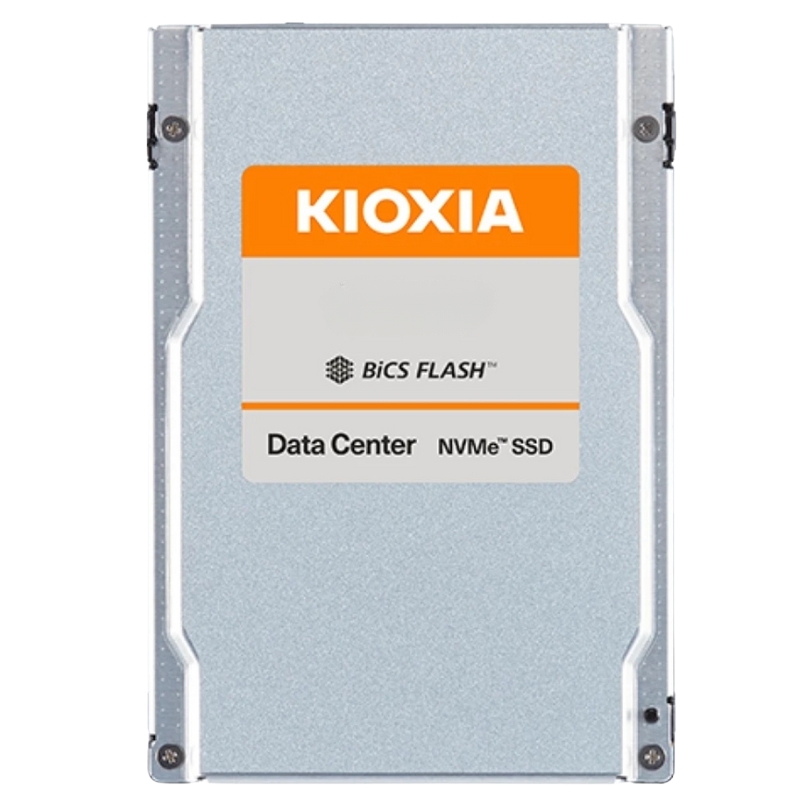


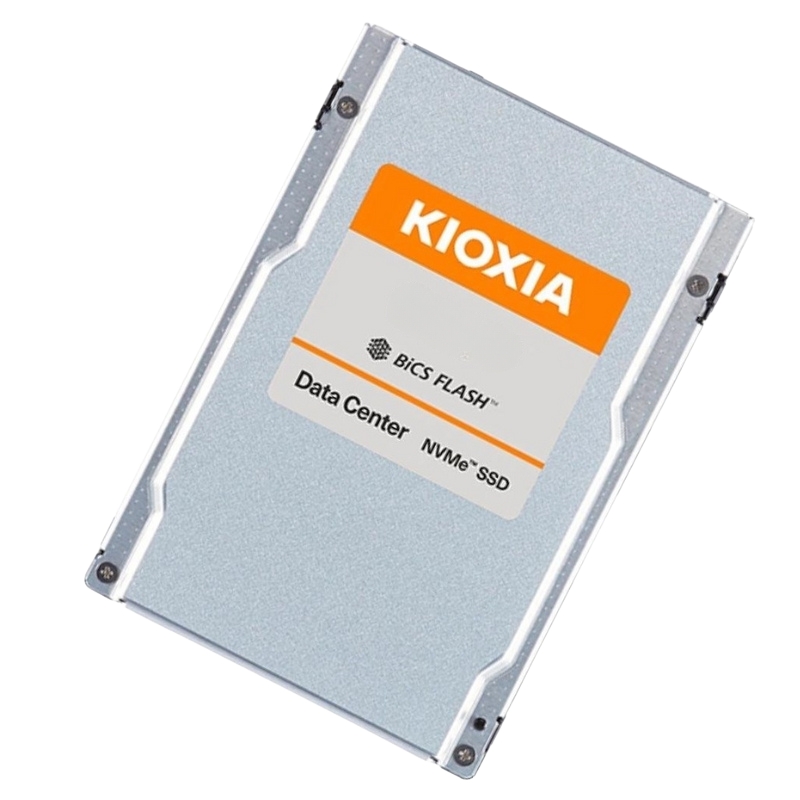
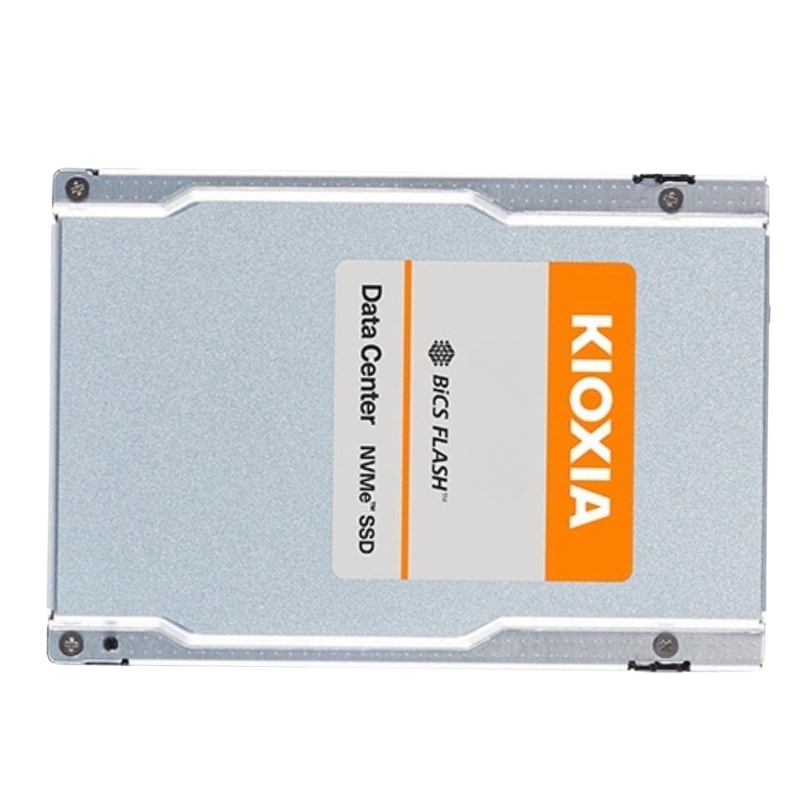
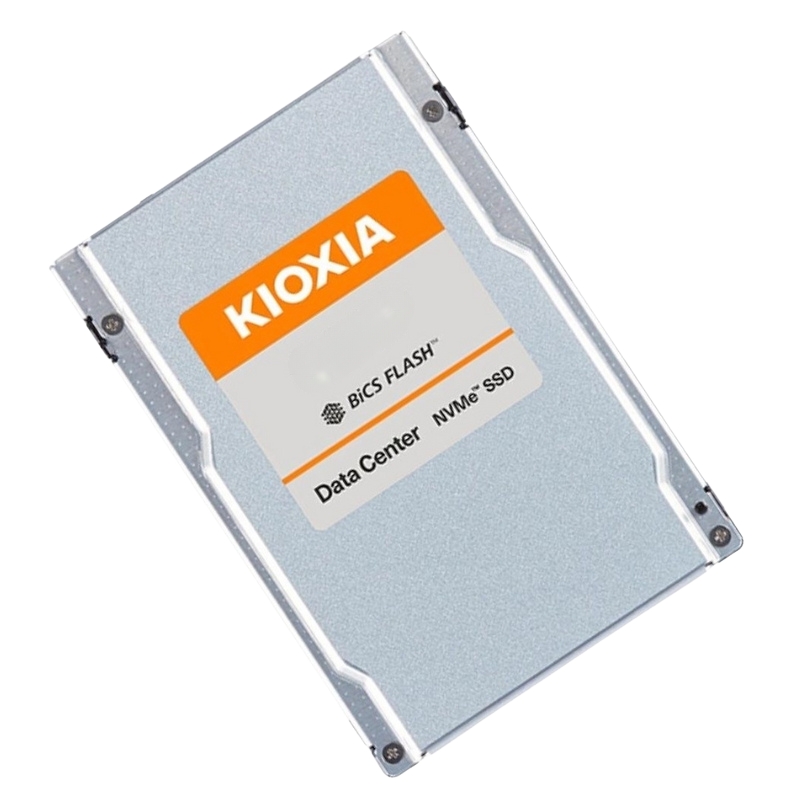
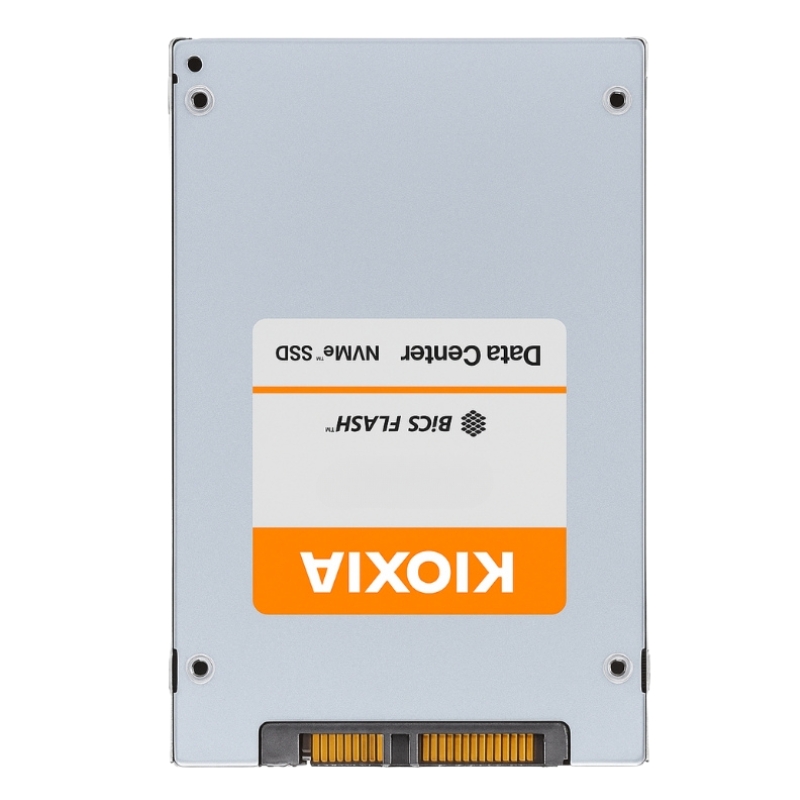
Kioxia SDFG056DAB01T 960GB RM7R SAS 12GBPS Read Intensive SSD. New Sealed in Box (NIB) with 3 years Warranty - Dell Version
This high-performance internal solid state drive is engineered for data centers and enterprise server environments, delivering exceptional reliability and rapid data transaction speeds.
The drive is optimized for intensive read-centric workloads, offering stellar throughput and input/output operations per second.
The Kioxia SDFG056DAB01T 960GB RM7R is a high-performance, enterprise-grade SAS SSD designed for read-intensive workloads in data center and mission-critical environments. Operating at SAS 12Gbps, this 2.5-inch 7mm form factor drive delivers low latency, high reliability, and consistent performance for applications that require predictable I/O behavior, such as metadata-heavy databases, analytics, and content delivery storage tiers. Its read-intensive architecture ensures optimized endurance for workloads dominated by read operations while providing cost-effective storage for high-throughput environments.
The RM7R model utilizes the SAS 12Gbps interface, fully compatible with SAS 3.0 infrastructure, offering dual-port connectivity for redundancy and high availability. The SAS protocol ensures robust error correction, advanced command queuing, and enterprise-grade reliability features, including support for SCSI command sets. Dual-port SAS allows simultaneous read/write operations on multiple controllers, enhancing redundancy and performance in server and storage arrays.
The SDFG056DAB01T is built in a 2.5-inch, 7mm form factor optimized for modern server racks and storage arrays. Its 960GB capacity provides a balance between storage density and performance, making it suitable for metadata storage, caching layers, and other read-heavy workloads where reliability and latency are critical. This form factor ensures compatibility with a wide range of enterprise servers and storage enclosures, facilitating easy integration without requiring specialized hardware.
Utilizing Kioxia’s advanced TLC NAND architecture, this drive is optimized for read-intensive applications. The read-intensive classification indicates that the drive’s endurance is tailored for workloads with a high read-to-write ratio, allowing for cost-effective deployment in environments where write operations are infrequent compared to reads. The internal firmware manages wear leveling and error correction to maximize NAND longevity while maintaining consistent performance over the life of the drive.
Designed for high-throughput read operations, the SDFG056DAB01T delivers impressive sequential read speeds, typically reaching several hundred megabytes per second under optimal SAS 12Gbps conditions. Sequential write performance, while lower due to its read-intensive nature, remains adequate for small-scale write bursts or caching purposes. These sequential metrics make it ideal for applications such as content delivery, log file retrieval, and streaming workloads where large blocks of data need to be accessed efficiently.
Random read performance is a critical metric for database access, virtualization, and web services. The RM7R provides high 4KiB random read IOPS, enabling rapid data retrieval for metadata queries, small file access, and high-concurrency read workloads. Low latency under random access conditions ensures minimal application wait times, improving overall system responsiveness and efficiency in mission-critical environments.
With SAS drives often densely packed in server racks, thermal efficiency is paramount. The SDFG056DAB01T features low active and idle power consumption while maintaining stable operation under load. Proper airflow management in server enclosures, along with adherence to manufacturer-specified thermal limits, ensures sustained performance and longevity. Enterprise SSDs like this include firmware-based thermal throttling mechanisms to prevent overheating while maintaining read performance.
Power loss protection (PLP) ensures that in-flight data is preserved during unexpected power failures. This is accomplished through on-board capacitors and firmware safeguards that flush data from volatile cache to non-volatile NAND memory. Combined with enterprise-grade ECC, this feature protects against data corruption and enhances overall reliability for critical storage workloads.
The drive supports SMART attributes and enterprise-level telemetry for monitoring health, media wear, and operational statistics. IT administrators can track temperature, error rates, and remaining drive life to schedule preemptive maintenance or replacements. Continuous monitoring helps prevent unexpected failures and enables predictive maintenance strategies across large-scale storage deployments.
Dual-port SAS connectivity allows for high availability and failover capabilities in enterprise storage arrays. RAID configurations are fully supported, and the drive's firmware includes error recovery features to maintain consistent I/O behavior even during adverse conditions. These attributes ensure the drive is suitable for environments demanding maximum uptime and data integrity.
The SDFG056DAB01T is optimized for high-density storage arrays where read-intensive workloads dominate. Its small 2.5-inch form factor combined with high performance allows data centers to maximize capacity per rack while maintaining low latency for critical applications. The drive’s endurance profile aligns with read-heavy workloads such as metadata storage, caching layers, and hot data tiers.
In database and virtualization environments, the need for low-latency read access is critical. The drive delivers high random read IOPS, ensuring fast access to frequently read data such as database indices, virtual machine images, and user metadata. SAS dual-port connectivity ensures continuous availability in clustered server setups, preventing downtime in mission-critical services.
Media streaming platforms and content delivery networks benefit from the high sequential read performance of this SSD. Large files such as video streams, backup datasets, and software distribution images can be read quickly, reducing latency and improving end-user experience. The read-intensive design ensures longevity even under continuous high-read workloads.
Designed to fit standard 2.5-inch SAS bays, the SDFG056DAB01T integrates seamlessly into a wide range of enterprise servers and storage arrays. The SAS 12Gbps interface is compatible with SAS 3.0 controllers, ensuring backward and forward compatibility with existing storage infrastructures. Dual-port support enables simultaneous multi-controller access, maximizing redundancy and performance.
Ensuring compatibility with the host system's firmware and drivers is crucial for unlocking full performance and stability. The drive supports the SCSI command set and advanced SAS features such as NCQ (Native Command Queuing) and error recovery mechanisms. Regular firmware updates from Kioxia ensure that the drive maintains optimal performance and compatibility with evolving storage ecosystems.
To achieve optimal performance from the SDFG056DAB01T:
Continuous monitoring using SMART attributes and enterprise telemetry allows proactive maintenance. Administrators should track key metrics such as media wear, temperature fluctuations, and error logs to anticipate drive replacement before failures occur. Regularly reviewing firmware updates and applying vendor-recommended patches will maintain reliability and performance over the lifecycle of the drive.
While primarily designed for read-intensive workloads, the drive supports data protection mechanisms including error correction and PLP for safeguarding in-flight data. Enterprise environments requiring higher security can implement encryption at the controller or software layer, ensuring data confidentiality without compromising performance.
Understanding workload characteristics is essential for selecting the appropriate SSD class:
Strengths and Advantages
In enterprise storage systems, metadata and index data are accessed frequently but often written less frequently. Deploying the SDFG056DAB01T in these scenarios reduces read latency and increases responsiveness of database queries, file system lookups, and virtual machine operations.
Web servers and API services requiring low-latency access to static content benefit from the high random read IOPS of this SSD. The dual-port SAS interface ensures redundancy, allowing multiple controller paths to access the data concurrently without performance degradation.
The drive can be used in backup storage tiers where rapid data retrieval is critical. Its read-intensive design ensures quick restores of large datasets or virtual machine snapshots while reducing wear from write operations.
Implement regular health checks using SMART data, error logs, and temperature monitoring. Schedule proactive replacements based on media wear and operational metrics to avoid unplanned downtime. Integrating drive health metrics into centralized monitoring tools improves fleet management and service-level compliance.
Regularly update firmware to maintain optimal performance, security, and compatibility. Ensure SAS controller drivers and firmware are aligned with the drive’s specifications to maximize throughput and maintain error recovery capabilities.
Deploy in enclosures with sufficient airflow to prevent thermal throttling. Drives in high-density racks should be monitored continuously for temperature variations, and airflow design should ensure uniform cooling across all drives.
The Kioxia SDFG056DAB01T 960GB RM7R provides a combination of high random read IOPS, sequential throughput, and dual-port SAS redundancy, making it an ideal choice for read-intensive workloads. Its design prioritizes reliability, low latency, and predictable performance for enterprise storage environments.
Best suited for metadata storage, caching layers, virtualized workloads, content delivery, and backup acceleration. Not recommended for workloads with heavy continuous writes, which may require mixed-use or write-intensive SSDs for optimal performance and endurance.


 Contact Us
 Information
 Catalog
 Solid State Drives (SSD)
 Network Switches
 Hard Disk Drives
 HBA & Controllers
 PC & Servers
 PC & Server Memory
 CPU & Processors
 Network Routers
 Power Supplies
 Tape Drives & Libraries
 Network Devices
 Computer & Network Cables