(7% discount is applied at checkout)
Cart is empty
Your go-to destination for cutting-edge server products
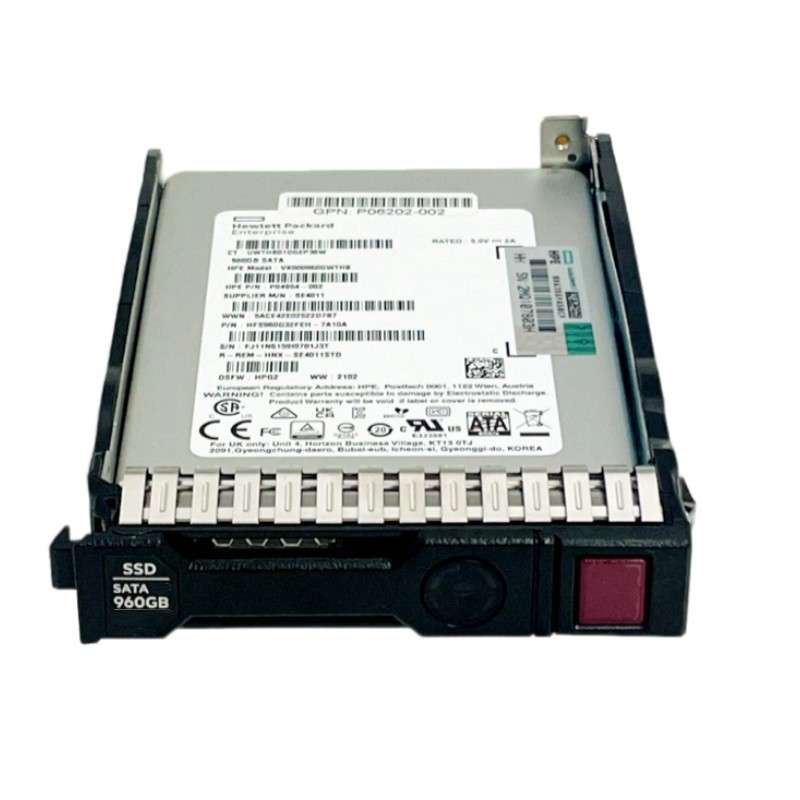


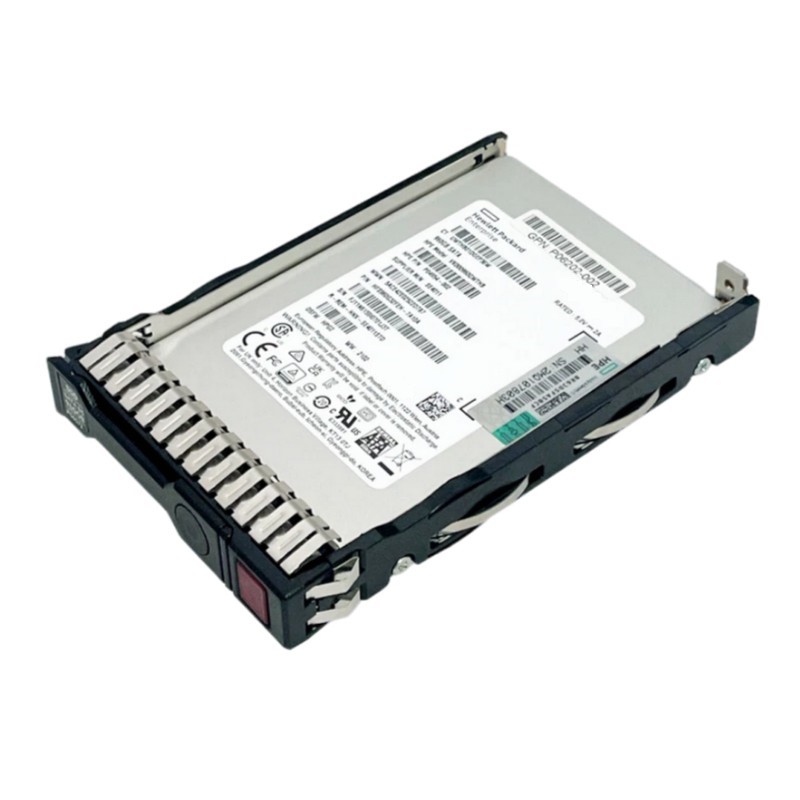
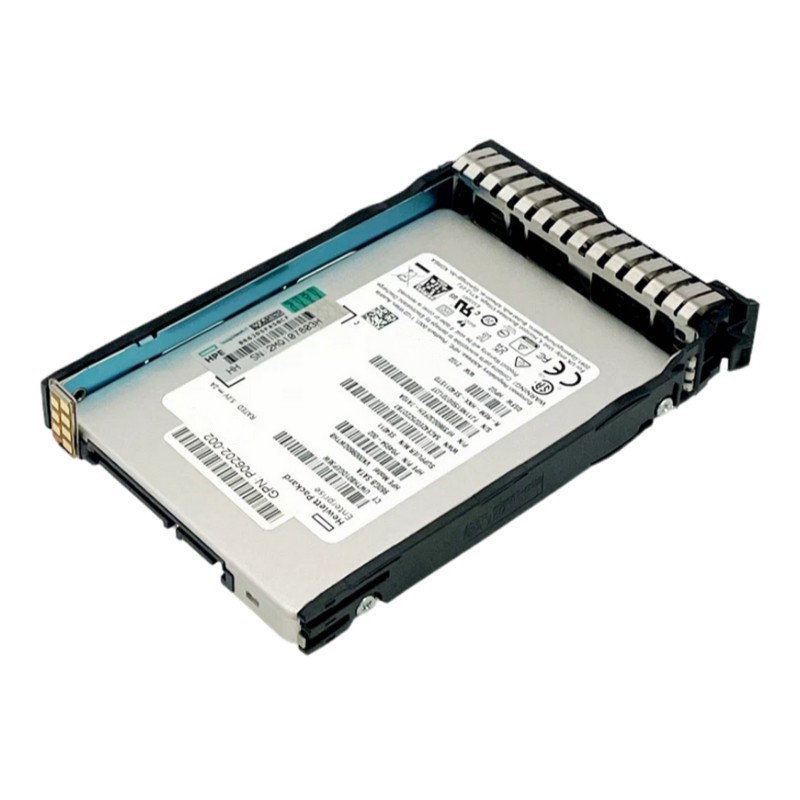
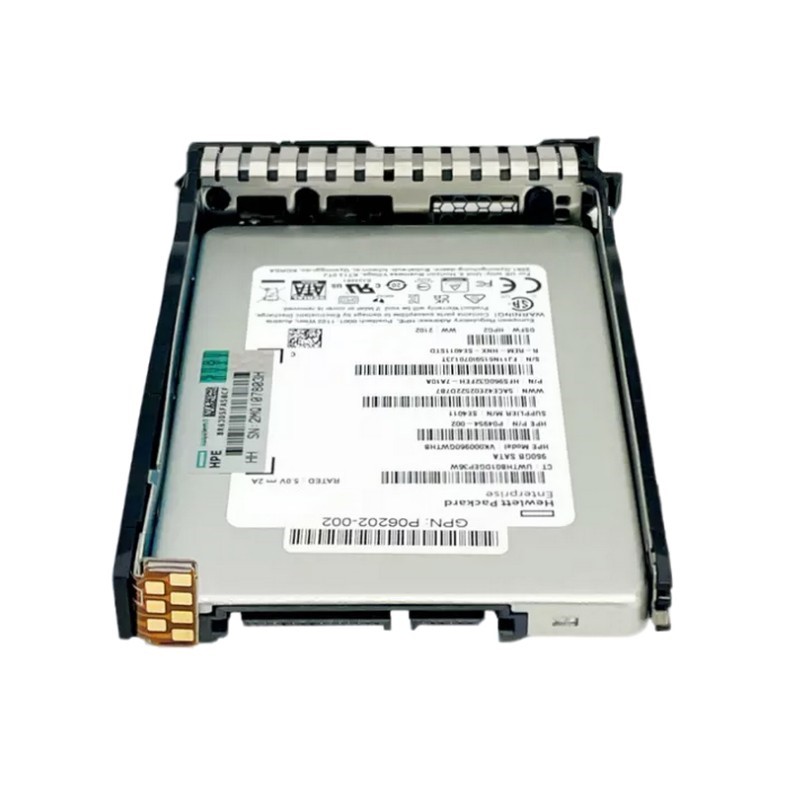
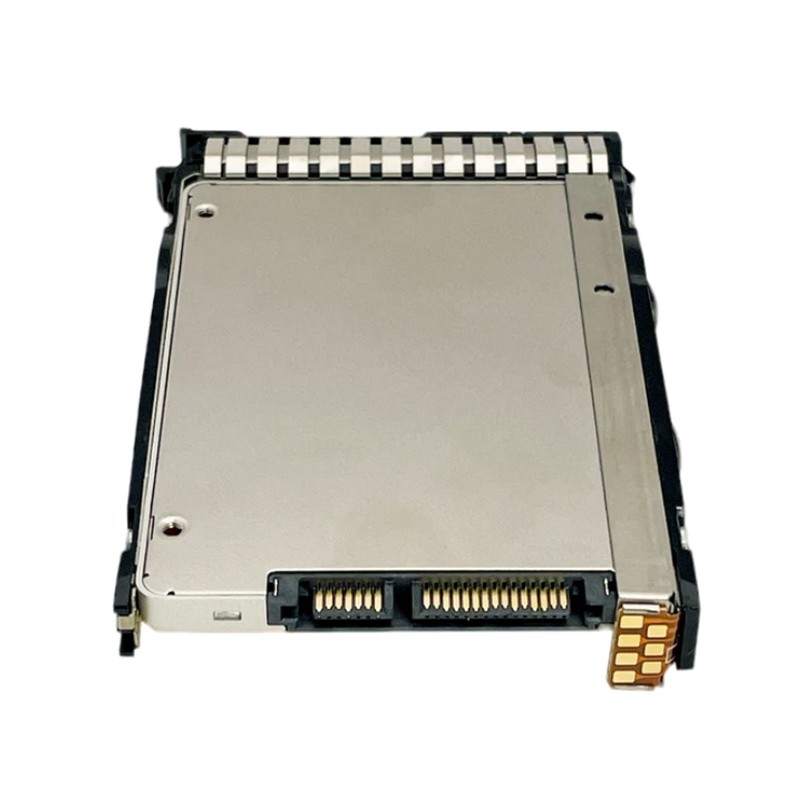
HPE VK000960GZCNF 960GB SATA 6GBPS Read Intensive TLC Hot Swap LFF SSD. Factory-Sealed New in Original Box (FSB) with 3 Years Warranty
This HPE storage unit is a high-performance, read-centric solid-state drive engineered for demanding server environments. It is supplied with a low-profile carrier for seamless integration.
This SSD is optimized for low power draw across various operational states:
VK000960GZCNF HPE 960GB SATA 6GBPS Read Intensive TLC Hot Swap LFF Solid State Drive Represents A Purpose-Built Storage Option For Enterprise Workloads That Demand High Read Throughput, Reliability, And Cost Efficiency. Designed To Meet The Needs Of Data-Centric Applications, This Drive Balances Performance And Endurance By Leveraging 3D TLC NAND And Advanced Controller Technology To Deliver Predictable Read-Intensive Behavior In 2.5-Inch Large Form Factor (LFF) Trays.
Enterprise-Grade Manufacturing Standards Ensure That Each VK000960GZCNF Drive Undergoes Rigorous Testing For Power Cycling, Thermal Resilience, And Data Integrity. The Drive Is Tuned Specifically For Read-Intensive Workloads Such As Content Delivery, Virtual Desktop Infrastructure (VDI) Read Caches, Big Data Analytics, And Streaming Services Where High Sequential Read Rates And Low Latency Are Paramount. Hot-Swap Capability Enables Easy Replacement And Maintenance Without Server Downtime, Which Is Critical For High-Availability Environments.
Key Identifiers Like The Part Number VK000960GZCNF And The HPE Branding Make It Simple To Cross-Reference This Drive Against Server Models, Storage Arrays, And OEM Compatibility Lists. SATA 6GBPS Interface Compatibility Means The Drive Integrates Seamlessly With A Wide Range Of HPE ProLiant Servers, Storage Enclosures, And Third-Party Chassis That Support Standard 2.5-Inch Or LFF Carriers. Firmware Optimizations Frequently Carried By HPE Ensure Predictable Behavior In RAID Configurations And Under Enterprise Monitoring Tools.
Technical Specifications For This HPE 960GB SATA Drive Include SATA III 6Gbps Interface, 3D TLC NAND Flash Memory, And Enterprise-Grade Controller Logic That Manages Wear Leveling, Error Correction (ECC), And Background Garbage Collection. The Large Form Factor (LFF) Carrier Facilitates Compatibility With Standard Hot-Swap Bays, And The Drive’s Power Envelope Is Tuned To Operate Efficiently Under Continuous Read-Dominant Access Patterns.
Controller And Firmware Play A Central Role In Delivering Read-Optimized Performance. Advanced Error Correction Algorithms And Firmware-Level Power Management Ensure That The Drive Maintains Performance Consistency Over Time. Firmware-Level Analytics Often Provide SMART Attributes And Telemetry That Integrate With HPE Management Tools, Allowing Administrators To Monitor Drive Health, Predict Failures, And Plan Proactive Replacements.
Garbage Collection, Wear Leveling, And Strong ECC Mechanisms Are Standard In Enterprise SSDs And Are No Exception Here. These Background Processes Ensure That Write Amplification Is Minimized And That The Drive Delivers Steady Read Performance Even After Extended Use. The TLC (Triple-Level Cell) NAND Implementation Balances Cost And Capacity While Enterprise-Grade ECC Preserves Data Integrity During Read-Retain Scenarios.
Thermal And Power Characteristics Are Engineered To Support Dense Server Deployments. The Drive Features Thermal Throttling Safeguards To Prevent Overheating Under Sustained Workloads, And Power Management Profiles That Reduce Idle Power Draw. In Rack-Scale Deployments Where Multiple Drives Operate In Close Proximity, These Characteristics Help Maintain Overall System Stability And Cooling Efficiency.
Performance Characteristics Emphasize Read Throughput, Low Latency, And Predictable IOPS For Mixed But Read-Dominant Workloads. While TLC NAND Is Not As Endurant As SLC Or MLC For Heavy Write Workloads, The Drive Excels In Scenarios Where Reads Greatly Outnumber Writes, And Where Sequential And Random Read Performance Determine Application Responsiveness.
Read Throughput And IOPS Metrics Typically Show High Sequential Read Rates At SATA III Maximums And Strong Random Read Performance Measured In Thousands Of IOPS, Depending On The Host Queue Depth And Firmware Tuning. These Attributes Make The Drive An Excellent Candidate For Caching Layers, Database Index Storage, And Any Application Which Requires Fast Data Retrieval Rather Than Sustained High-Volume Writes.
Latency And Quality Of Service (QoS) Are Critical For Enterprise Applications; The Drive Is Designed To Deliver Low And Consistent Read Latencies To Avoid Jitter And Ensure Predictable Application Performance. This Is Particularly Important In VDI Deployments Where Large Numbers Of Users Simultaneously Access Read-Heavy Profiles, Or In Content Delivery Networks That Must Serve High-Concurrency Requests.
Endurance, Reliability, And Lifespan Are Determined By A Combination Of NAND Type, Over-Provisioning, Controller Algorithms, And Expected Workload Characteristics. As A Read-Intensive TLC Drive, VK000960GZCNF Prioritizes Storage Density And Cost Per Gigabyte While Maintaining Adequate Endurance Metrics For Enterprise Read-Dominant Use Cases.
Write Endurance And Total Bytes Written (TBW) Ratings For Read-Intensive Drives Are Lower Than Write-Optimized Counterparts, But The Expected Use Pattern For This Drive Aligns With Its Design Targets. Administrators Should Evaluate Application Write Profiles Before Deployment; In Cases Where Heavy Write Workloads Occur Frequently, Pairing With Write-Optimized SSDs Or Using Tiered Storage Architectures Helps Extend Lifecycle And Control Costs.
SMART Monitoring And Predictive Failure Analysis Provide Essential Visibility Into Drive Health. HPE-Provided Management Interfaces Often Aggregate SMART Data And Drive Telemetry Into Centralized Dashboards, Making It Easier For IT Teams To Track Wear Indicators, Reallocated Sectors, And Other Critical Health Metrics. Predictive Analytics Enable Scheduled Maintenance And Minimize Unexpected Downtime.
Use Cases And Deployment Scenarios For The VK000960GZCNF Drive Span Many Enterprise Environments That Favor Read-Heavy Access Patterns. These Drives Fit Naturally Into Hybrid Storage Architectures Where They Serve As Read Caches, Boot Volumes, Or Rapid-Access Storage For Frequently Queried Datasets.
Content Delivery And Media Streaming Architectures Benefit From The Drive’s High Read Throughput And Low Latency. Video-On-Demand Services, Media Transcoding Farms, And Web Caching Layers Require Fast, Concurrent Reads; This HPE Drive Provides The Capacity And Cost Efficiency Needed To Store Large Media Libraries While Delivering Consistent Read Performance To End Users.
Virtualization And Desktop Infrastructure Deployments Require Fast IO For Boot Storms, Profile Reads, And Application Loading. Placing VK000960GZCNF Drives As Cache Devices Or In Storage Tiers Dedicated To Read-Intensive Virtual Machines Reduces Latency During Peak Access Periods And Enhances Overall VM Responsiveness, Especially For Read-Heavy Workloads.
Databases, Index Servers, And Analytics Engines That Frequently Access Indexes And Read Large Volumes Of Reference Data Gain From The Drive’s Read-Oriented Design. When Used In Index Storage Or As A Read Layer For Analytical Queries, These Drives Improve Query Response Times Without The Higher Cost Of Write-Centric Enterprise SSDs.
Compatibility, Integration, And RAID Considerations Must Be Carefully Evaluated Prior To Deployment. HPE Servers And Arrays Typically Provide Compatibility Lists And Firmware Bundles To Ensure Optimal Interoperability. Understanding RAID Behavior With SSDs Is Important Because Controller-Level Write Coalescing, TRIM Support, And Rebuild Patterns Can Impact Performance During Rebuilds.
RAID Rebuild And Hot-Swap Best Practices Recommend Planning For The Unique Characteristics Of SSDs, Including Faster Failure Detection, Different Failure Modes Compared To HDDs, And The Way Controllers Handle Rebuilds With Many Small, Fast Devices. Hot-Swap Capability Ensures That Drives Can Be Replaced Quickly, Reducing The Time Window For Rebuilds And The Risk Of Additional Drive Stress.
Firmware And Controller Updates Are Essential For Maintaining Compatibility And Addressing Performance Or Reliability Issues Identified After Release. Regularly Applying Verified Firmware Updates Through HPE Management Tools Helps Preserve Performance, Ensure SMART Attribute Accuracy, And Maintain Compatibility With New Server BIOS And RAID Firmware Releases.
Security, Data Protection, And Encryption Features May Be Available Depending On The Specific Drive Firmware And HPE Implementation. Many Enterprise Drives Support Hardware-Level Encryption And Secure Erase Features That Assist With Data Sanitization And Compliance Requirements.
Hardware Encryption And Secure Erase Can Protect Data At Rest Without Impacting Host CPU Resources. Secure Erase Commands And Cryptographic Erase Features Allow Rapid Decommissioning Of Drives While Preserving Regulatory Compliance. Always Validate Encryption Capabilities With HPE Documentation To Confirm Availability And Management Procedures.
Regulatory Compliance And Data Sanitization Practices Should Follow Industry Standards And Organizational Policies. For End-Of-Life Drives, Using Certified Data Destruction Procedures Or HPE-Recommended Secure Erase Processes Ensures That Sensitive Data Is Appropriately Handled Before Drives Leave Production Environments.
Comparisons, Alternatives, And Tiering Strategies Help IT Teams Decide Where VK000960GZCNF Best Fits Within A Broader Storage Portfolio. While Higher-Endurance NVMe Drives Or Write-Optimized SSDs May Serve Workloads With Heavy Writes, This HPE SATA TLC Drive Offers A Cost-Effective Option For Read-Dominant Tiers.
Tiering And Hybrid Architectures Combine This Read-Intensive SSD With Higher-Endurance Drives Or Large-Capacity HDDs To Create Balanced Storage Systems. Putting Frequently Accessed Data On The 960GB SSD Tier And Cold Archives On High-Capacity HDDs Maximizes Performance Per Dollar While Reducing Total Cost Of Ownership.
NVMe Versus SATA Considerations Should Include Performance Requirements, Backplane Compatibility, And Budget Constraints. NVMe Drives Offer Superior Latency And Higher Parallelism But At Increased Cost. SATA SSDs Like VK000960GZCNF Provide Mature Compatibility And Cost-Efficient Storage Density For Many Existing Server Fleets That Still Rely On SATA Backplanes.
Real-World Case Studies And Deployment Examples Demonstrate How Organizations Use Read-Intensive SSDs To Achieve Balanced Performance And Cost. Examples Include CDN Edge Nodes Using SSDs For Popular Content Caching, Enterprises Deploying SSDs For VDI Cache Layers, And Research Groups Accelerating Analytical Read Queries By Placing Indexes On Fast Read Tiers.
Operational Lessons And Measurable Outcomes Often Show Improved Application Response Times, Reduced Latency Spikes During Peak Loads, And Lower Power Consumption Compared To Spinning-Disc Caching Solutions. Measured Outcomes Depend On Correctly Matching Workload Profiles To Drive Capabilities And Ensuring Firmware And RAID Configurations Are Optimized.


 Contact Us
 Information
 Catalog
 Solid State Drives (SSD)
 Network Switches
 Hard Disk Drives
 HBA & Controllers
 PC & Servers
 PC & Server Memory
 CPU & Processors
 Network Routers
 Power Supplies
 Tape Drives & Libraries
 Network Devices
 Computer & Network Cables