(7% discount is applied at checkout)
Cart is empty
Your go-to destination for cutting-edge server products
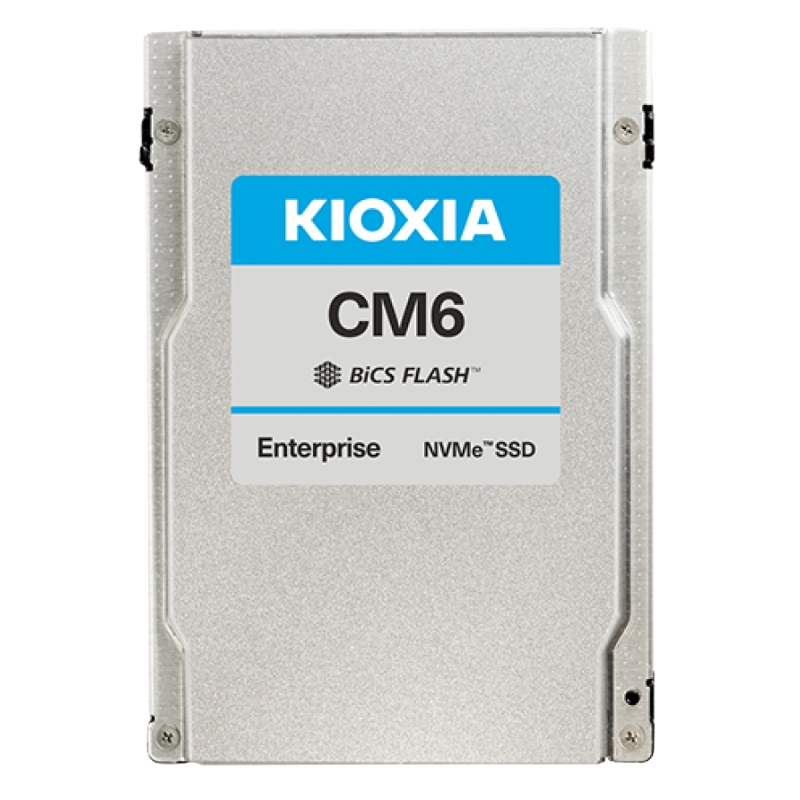


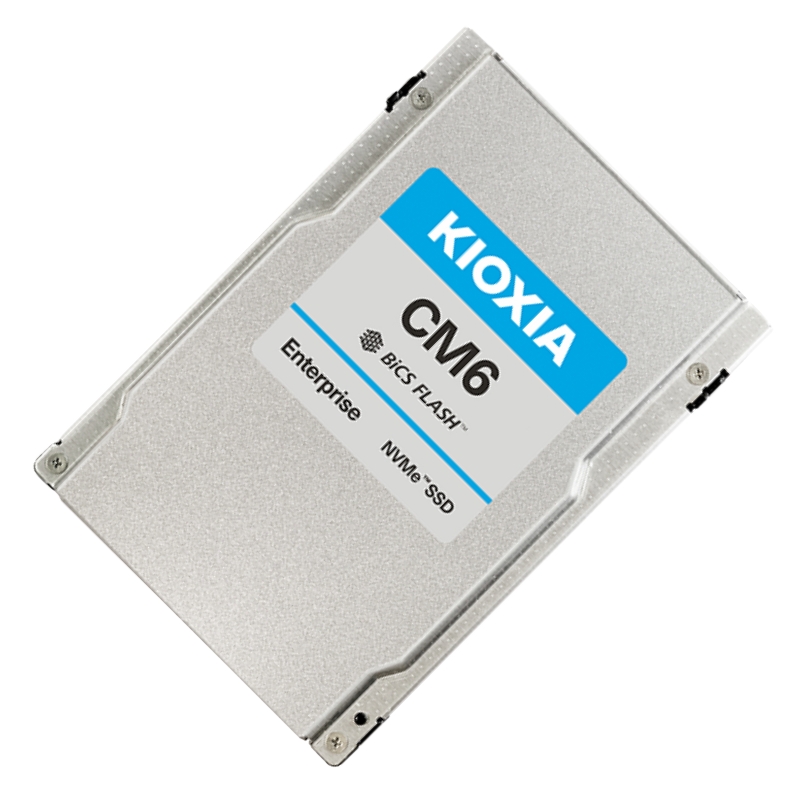
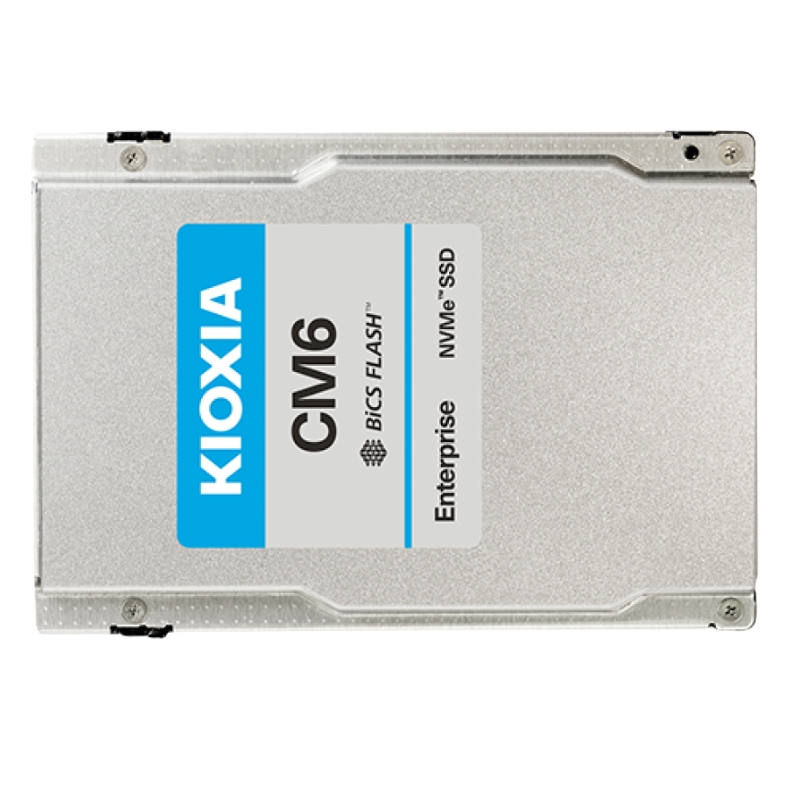
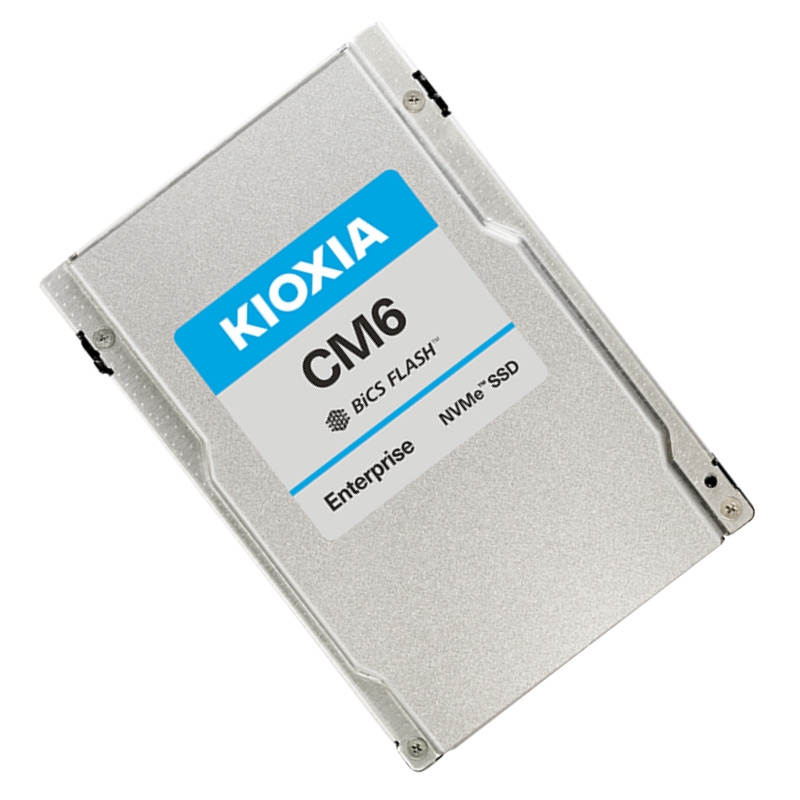
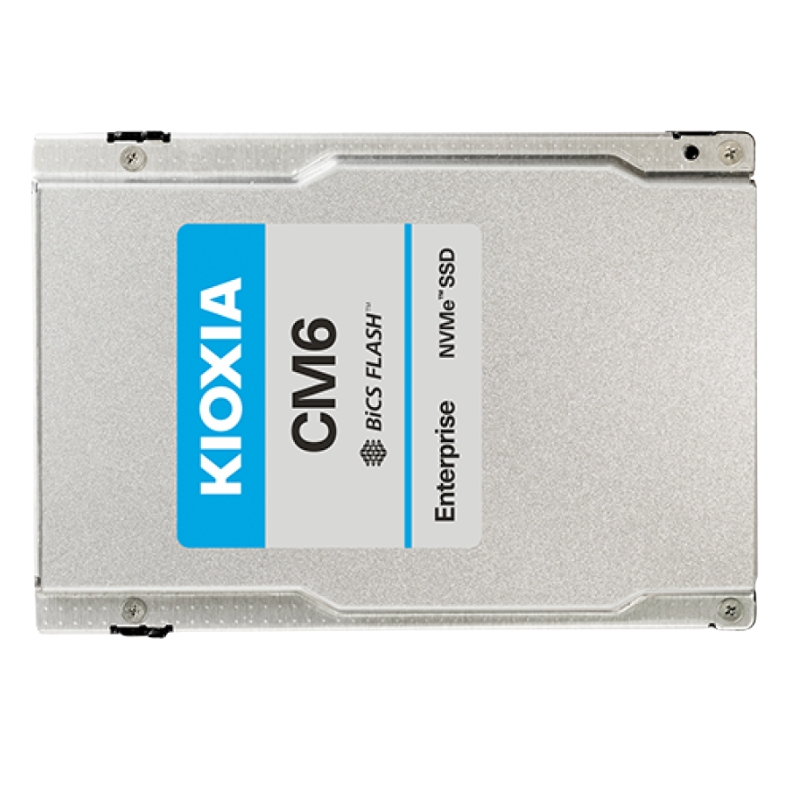
Kioxia SDFHQ83DAB02T 6.4TB Mixed Use 2.5Inch CM6 PCIe NVMe SSD. Excellent Refurbished with 1 year replacement warranty - Dell Version
This internal solid state drive delivers exceptional storage capabilities and performance, engineered for demanding enterprise and data center applications.
The drive is designed to provide a robust and high-capacity storage solution with cutting-edge technology.
This SSD achieves remarkable speed and responsiveness, facilitating rapid data access and transfer.
Built for continuous, heavy workloads, this drive offers outstanding reliability and durability.
The unit is designed for seamless integration into modern server and storage infrastructure.
The Kioxia SDFHQ83DAB02T 6.4TB is a cutting-edge Mixed-Use (MU) 2.5-inch NVMe SSD built for modern enterprise workloads requiring a balance of read and write performance, high endurance, and low latency. Designed for deployment in data centers, cloud computing, virtualization environments, and high-transactional database workloads, this drive delivers consistent and predictable performance through its PCIe Gen4 interface and NVMe protocol. Its 2.5-inch form factor makes it compatible with a wide variety of server chassis and storage enclosures, offering a balance of capacity, performance, and serviceability.
The SDFHQ83DAB02T leverages the PCIe 4.0 x4 interface combined with NVMe 1.4 command set support. PCIe Gen4 provides up to double the per-lane throughput compared to Gen3, allowing the SSD to handle high-bandwidth workloads efficiently. This interface ensures compatibility with modern server platforms and provides ample headroom for demanding enterprise applications.
This SSD is built in the standard 2.5-inch, 15mm U.2 form factor, offering 6.4TB of raw storage. Its form factor enables dense deployment across enterprise racks while maintaining serviceability for replacement and upgrades. The capacity makes it suitable for workloads that require large storage volumes with balanced read and write operations, including mixed transactional workloads, VDI, and data analytics applications.
Kioxia employs BiCS FLASH™ 3D TLC NAND in this drive, optimized for mixed-use workloads. The MU classification ensures a balance between endurance and cost, providing a high number of drive writes per day (DWPD) while still offering the capacity and cost benefits associated with TLC technology. Mixed-Use drives are specifically designed to handle workloads where reads and writes are roughly balanced, making them ideal for transactional databases, virtualized environments, and hyperconverged infrastructures.
The Kioxia SDFHQ83DAB02T achieves sequential read speeds up to 7,000 MB/s and sequential write speeds up to 4,500 MB/s under optimized conditions. These sustained throughput levels allow enterprises to efficiently manage large-scale data transfers, backups, analytics workloads, and other high-bandwidth applications.
This drive excels in random read and write operations, delivering up to 1.2 million IOPS for reads and 200,000 IOPS for writes, making it well-suited for high-concurrency environments such as transactional databases, email servers, and cloud virtual machines. The drive's low latency ensures fast response times for critical applications and reduces the impact of I/O bottlenecks across the storage network.
Designed with power efficiency in mind, the SDFHQ83DAB02T consumes approximately 15-25W during typical workloads while maintaining a low idle power profile. Adequate thermal management is critical to maintain performance under sustained workloads. The SSD supports advanced thermal throttling mechanisms to protect data integrity and maintain stable operation across a range of environmental conditions. Proper airflow and server chassis design are recommended for high-density deployment.
The drive integrates multiple reliability mechanisms, including power loss protection, end-to-end data path protection, error-correcting code (ECC), and internal RAID-like features across NAND channels. These features prevent data corruption during unexpected power events and ensure that the drive maintains high availability in mission-critical environments.
Kioxia’s SSDs include robust firmware management tools and expose detailed telemetry via NVMe log pages. Users can monitor drive health, temperature, media wear, and error statistics in real time. These capabilities are essential for predictive maintenance, minimizing downtime, and planning capacity expansions.
The drive supports optional hardware-based encryption, adhering to industry-standard security protocols such as TCG Opal. Self-encrypting drive (SED) functionality allows secure data handling, key management, and rapid drive repurposing or decommissioning without compromising sensitive information. Enterprises can implement hardware encryption to meet regulatory compliance and security policies.
Mixed-Use SSDs like the SDFHQ83DAB02T are ideal for virtualized workloads, including VDI deployments, cloud-hosted applications, and multi-tenant environments. Their balance of read and write performance enables consistent performance for multiple virtual machines, database instances, or containerized applications sharing the same storage infrastructure.
The drive is optimized for database workloads with a combination of sequential and random I/O patterns. It ensures low-latency access for transactional operations while supporting moderate write volumes without compromising endurance. Mixed-use SSDs provide the durability needed to sustain consistent performance under high IOPS conditions.
In analytics applications, the SSD provides the ability to process large datasets quickly. High sequential throughput accelerates batch operations, ETL processes, and real-time analytics, while robust random IOPS performance ensures responsive access to metadata and small files critical for decision-making.
The 2.5-inch U.2 form factor is widely compatible with enterprise servers, storage arrays, and modular backplanes. Ensure that the server or enclosure supports PCIe Gen4 x4 for optimal performance. Even in backward-compatible Gen3 slots, the drive functions correctly but at reduced bandwidth.
Updating the firmware and using compatible NVMe drivers is critical for maintaining optimal performance and stability. The drive supports NVMe management standards for monitoring, firmware updates, and reporting. Enterprises should adopt a controlled firmware deployment plan for large-scale installations.
Enterprise deployments should account for the drive’s power consumption and thermal profile. Ensure sufficient airflow and consider using heatsinks in dense configurations. Monitoring temperature and throttling thresholds allows maintaining long-term performance and protecting data integrity.
Proper partition alignment and choosing optimal block sizes based on workload can significantly improve both random and sequential performance. Small block random workloads benefit from 4KiB alignment, whereas large sequential transfers benefit from 128KiB or larger blocks.
Matching NVMe queue depths to application I/O patterns ensures predictable latency and maximized throughput. Assigning CPU affinity in NUMA-aware architectures reduces cross-socket latency and improves the performance of multi-threaded workloads. Balancing queue depth and concurrency is essential for mixed-use SSDs in enterprise environments.
Regular monitoring of SMART attributes, media wear levels, temperature, and error counts ensures proactive maintenance and reduces the risk of unplanned downtime. Automated alerts can be configured to notify administrators of abnormal conditions, helping maintain high availability in production environments.
Mixed-Use SSDs balance endurance and performance, making them suitable for workloads with balanced read/write activity. In contrast, Read-Intensive SSDs are optimized for workloads dominated by reads, offering higher capacity per dollar but lower write endurance. Write-Intensive SSDs maximize DWPD, ideal for logging or transactional workloads with heavy write activity. Choosing the correct endurance class depends on workload patterns, total capacity requirements, and cost considerations.
At 6.4TB, the SDFHQ83DAB02T offers substantial capacity in a 2.5-inch form factor, allowing data center operators to maximize storage density without sacrificing performance. High-capacity mixed-use drives enable fewer enclosures and rack units, reducing overall data center footprint and operational costs.
Proper capacity planning ensures that workloads do not exceed recommended write limits. Maintaining sufficient free space and overprovisioning helps sustain peak performance and maximizes drive lifespan. Monitoring usage patterns allows administrators to anticipate scaling needs.
Enterprises should maintain firmware update schedules, validating new releases in a test environment before production deployment. This minimizes the risk of downtime or performance degradation. Lifecycle management includes planning for drive replacement based on media wear, maintaining inventory, and documenting serial numbers.
SSDs operate optimally within specified temperature ranges. Installing temperature sensors, monitoring thermal trends, and implementing automatic throttling policies are critical in high-density configurations. Consistent environmental monitoring helps prevent thermal-related performance issues and extends the operational lifespan of the drives.
Ensure servers or storage arrays support U.2 2.5-inch form factor drives and provide sufficient airflow. Confirm that power and connectivity meet the drive’s requirements. Use monitoring software to track health and performance metrics post-deployment.
Implement a firmware update policy, monitor drive usage, and maintain spare drives for rapid replacement. Proactively replacing drives nearing end-of-life or exceeding wear thresholds minimizes unplanned downtime.
Utilize NVMe management tools and monitoring dashboards to continuously track drive health, utilization, temperature, and error rates. Generate periodic reports to anticipate maintenance needs and optimize performance.


 Contact Us
 Information
 Catalog
 Solid State Drives (SSD)
 Network Switches
 Hard Disk Drives
 HBA & Controllers
 PC & Servers
 PC & Server Memory
 CPU & Processors
 Network Routers
 Power Supplies
 Tape Drives & Libraries
 Network Devices
 Computer & Network Cables