(7% discount is applied at checkout)
Cart is empty
Your go-to destination for cutting-edge server products
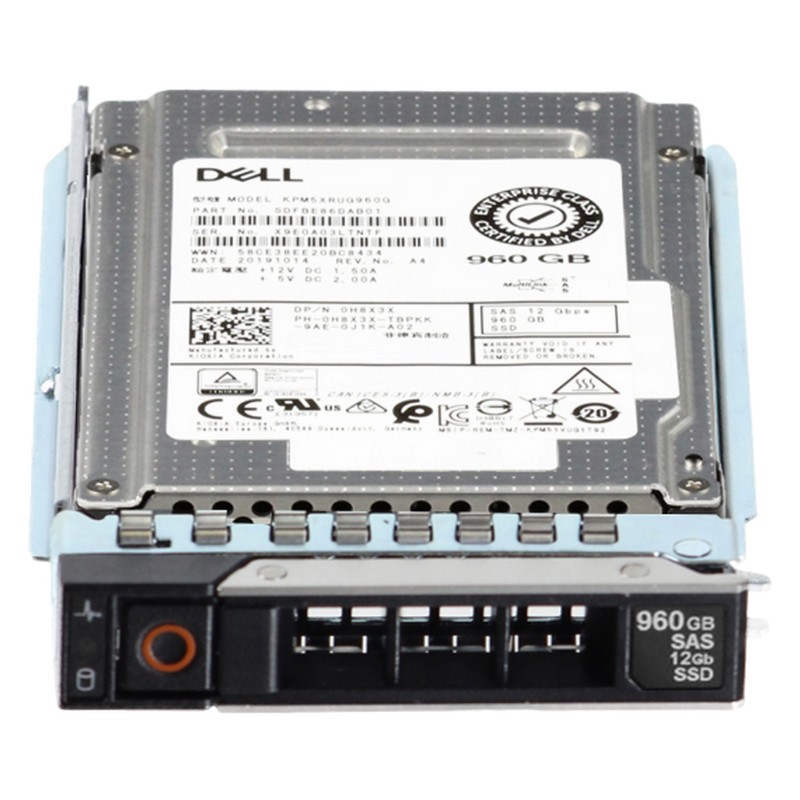


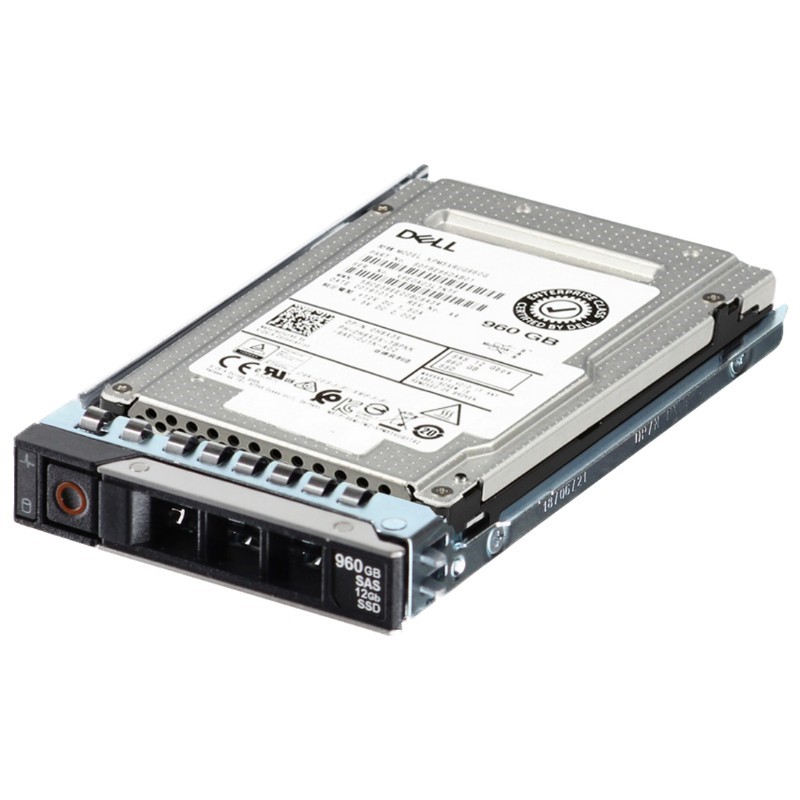
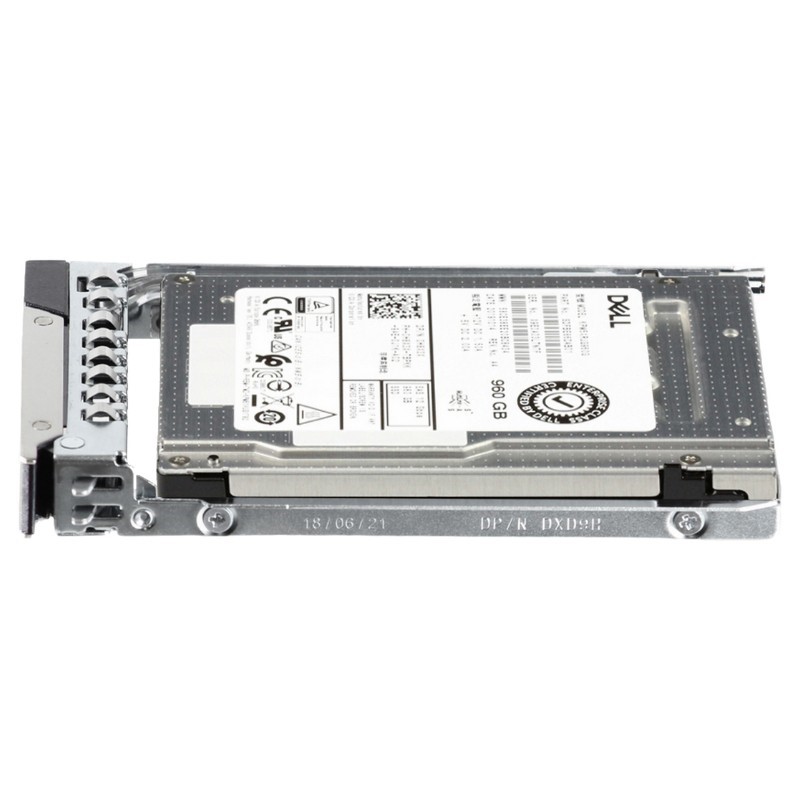
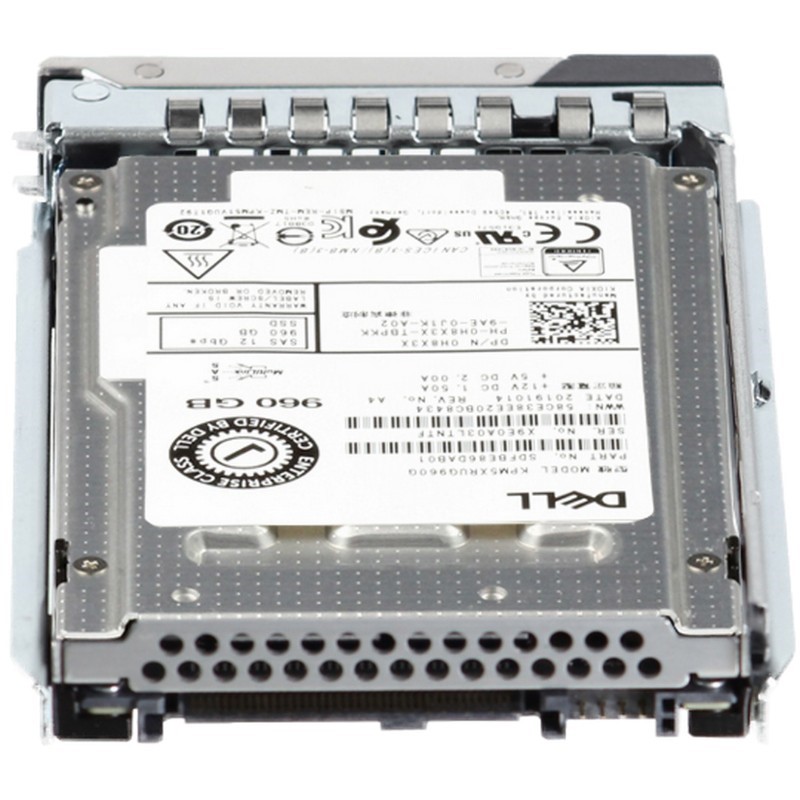
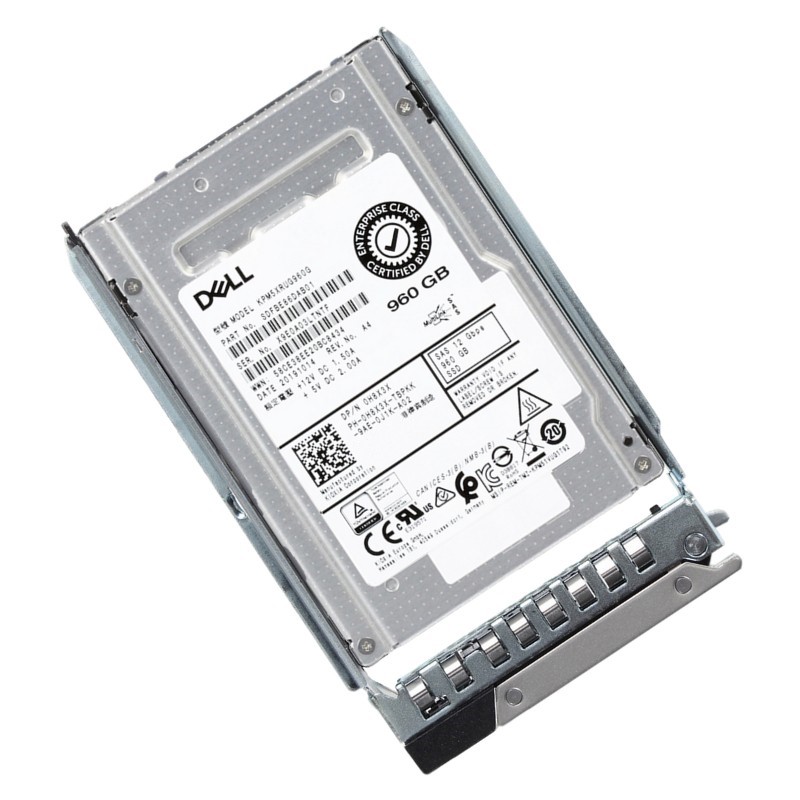
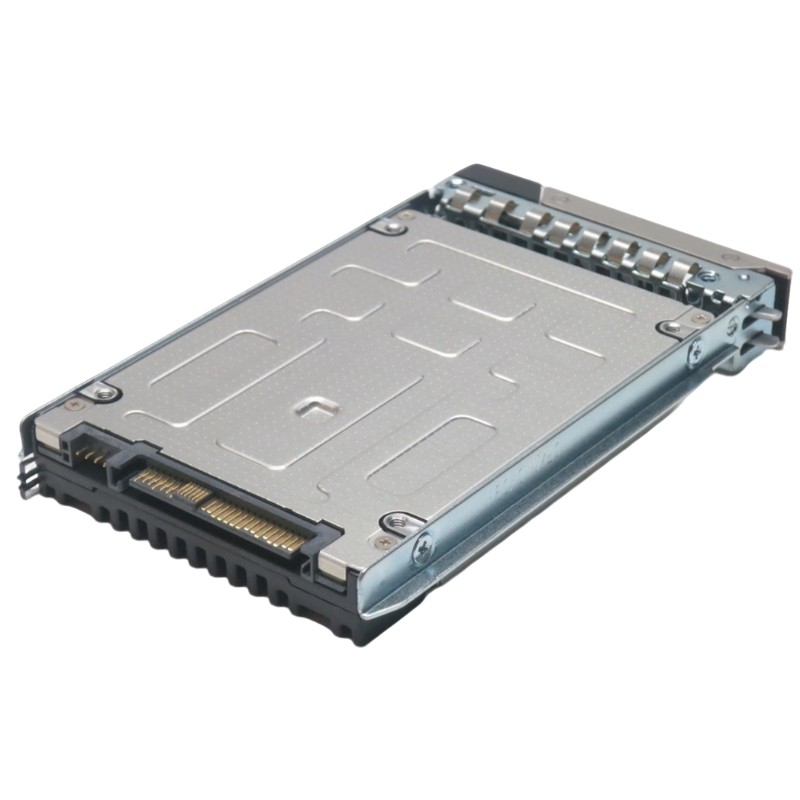
Dell 400-BFRB 960GB SAS 12GBPS Mixed Use Endurance 3DWPD 3D TLC SFF Hot Plug SSD. New Sealed in Box (NIB) with 1-Year Replacement Warranty
This high-performance, Dell-certified solid-state drive delivers exceptional reliability and speed for demanding server environments. Engineered for mixed-use applications, it offers sustained performance under intensive workloads.
Comprehensive Technical Specifications
Built with advanced BiCS Flash TLC (3D NAND) technology, this drive provides an optimal balance of capacity, endurance, and cost-efficiency for data centers.
Designed for continuous operation in enterprise settings, this drive meets rigorous durability standards with its 3 DWPD (Drive Writes Per Day) rating, ensuring long-term data integrity.
Experience exceptional data transfer rates that significantly reduce latency and improve application responsiveness in server configurations.
The drive features a single SAS 12Gb/s interface and comes pre-installed in a hot-plug tray for seamless integration into compatible server systems.
This Dell-certified component is specifically validated for optimal performance in the following PowerEdge server models:
The 400-BFRB Dell 960GB SAS 12Gbps Mixed Use Endurance 3DWPD 3D TLC SFF Hot Plug Solid State Drive Represents A Strategic Balance Between Capacity, Durability, And Enterprise-Grade Performance. Designed For Data Centers, Virtualized Environments, And Workloads That Demand Reliable Mixed Read/Write Throughput, This Drive Brings Together Modern 3D TLC NAND Technology And A SAS 12Gbps Interface To Deliver Deterministic Latency, Enhanced IOPS, And Longevity Through Write Endurance Rated At 3 Drive Writes Per Day (3DWPD). The Form Factor And Hot-Plug Capability Make It A Practical Choice For Racks And Servers Where Uptime, Serviceability, And Consistent Performance Matter.
The 400-BFRB Small Form Factor (SFF) 2.5-Inch Design Enables Dense Server Deployments While Maintaining Compatibility With A Wide Range Of Dell PowerEdge Chassis And Third-Party Enterprise Systems. The 12Gbps SAS Interface Provides High Bandwidth With Multi-Path Capability, Making The Drive Ideal For Mission-Critical Applications That Require Redundant Paths For Storage Traffic. Internally, The Drive Leverages 3D TLC NAND — A High-Density Flash Memory That Stacks Layers Vertically To Improve Capacity Efficiency Without Sacrificing Reliability. The Controller And Firmware Are Tuned To Work With SAS Protocols, Ensuring Enterprise-Class Error Correction, Power Loss Protection Routines, And Consistent Performance Under Sustained Loads.
The Drive’s Compact SFF Profile Allows Administrators To Populate High-Performance Storage Tiers Within Server Bays And Shelf Arrays Without Excessive Space Or Power Overhead. Electrical Characteristics Are Optimized For Enterprise Environments, With Power Draw Balanced To Reduce Heat Generation While Still Enabling Robust Peak Performance For Short Bursts And Steady-State Throughput Over Longer Intervals. The Hot-Plug Mechanism Ensures Drives Can Be Replaced Or Upgraded With Minimal Disruption To Running Systems, While Drive Activity LEDs And Tray Mechanisms Support Rapid Troubleshooting And Maintenance.
Compatibility Is A Core Consideration For IT Architects: The 400-BFRB Drive Is Engineered To Fit Standard 2.5-Inch SAS Bays And Works Seamlessly With Dell Servers Certified For Mixed Use SAS SSDs. When Planning Deployments, It’s Important To Validate Backplane Support For 12Gbps SAS Speeds And Confirm That The Host Bus Adapter Or RAID Controller Firmware Is Up-To-Date To Fully Leverage Performance Features. Additionally, Thermal Environments Should Be Evaluated — Proper Airflow And Rack Cooling Help Maintain Optimal Performance And Preserve Drive Longevity.
Performance Expectations For A Mixed Use Enterprise SSD Focus On Delivering A Reliable Blend Of Read And Write Performance Rather Than Peak Read-Only Benchmarks. The 960GB Capacity Size Provides A Generous Working Dataset For Caches, Databases, And Virtual Machine Images, While The SAS 12Gbps Link Offers Sufficient Headroom For High Concurrency. The Drive’s Internal Controller Implements Advanced Queuing, Wear-Leveling, And Garbage-Collection Techniques To Sustain High IOPS Across Diverse Workloads.
In Practical Deployments, This Drive Excels In Scenarios Where Workloads Exhibit A Mix Of Random Reads, Random Writes, And Sequential Transfers — Typical Of Virtual Desktop Infrastructure (VDI), Moderate Database Instances, And Mixed-Traffic File Services. The Drive Is Tuned To Provide Predictable Latency Under Load, Minimizing The Variability That Can Impact Application Responsivity. Administrators Should Anticipate Substantial Improvements Over Spinning Media In Terms Of Transactional Throughput, As Well As Noticeable Reductions In Tail Latency That Improve End-User Experience.
Sustained Workload Performance Is Where Enterprise SSDs Differentiate Themselves; The 3DWPD Endurance Rating Signals That The Drive Is Engineered To Handle Substantial Daily Write Volumes Over Its Warranty Period. Firmware-Level Features Such As Over-Provisioning, Dynamic Block Management, And Thermal Throttling Algorithms Help Maintain Consistent Throughput During Extended Heavy Use. System Integrators Should Consider Over-Provisioning And RAID Level Choices To Further Improve Sustained Performance And Drive Longevity.
Endurance Ratings Provide A Quantifiable Measure Of How Much User Data Can Be Written To The Drive Daily Without Compromising Longevity. A 3DWPD Rating Means That The Drive Is Rated To Safely Accept Writes Equal To Three Times Its Capacity Every Day For The Duration Of The Warranty Period, Making It Suitable For Mixed Use Scenarios Where Heavy Read/Write Ratios Occur. This Rating Puts The Drive In A Class That Balances Cost-Effective TLC NAND With Sufficient Endurance For Many Production Environments.
To Achieve High Reliability, The Drive Employs An Array Of Techniques: Sophisticated Wear-Leveling To Spread Writes Uniformly Across NAND Cells, Robust Error Correction Codes (ECC) To Detect And Repair Bit Errors, And Persistent Metadata Logging To Support Reconstruction After Unexpected Power Loss. Manufacturer-Supplied Firmware Frequently Includes Fallback And Recovery Modes To Maintain Data Integrity Even During Adverse Conditions, And The Host Systems Can Leverage SMART Attributes And Vendor Tools To Monitor Drive Health Proactively.
The 400-BFRB 960GB Mixed Use SAS SSD Is Ideally Suited For A Range Of Enterprise Deployments. It Strikes A Balance For Environments That Require Higher Endurance Than Consumer-Class Drives But Do Not Necessarily Need The Cost Premium Of High-Endurance SLC Or eMLC Solutions. Typical Use Cases Include Virtualization Hosts, Database Log And Temp Storage, Tiered Caching Layers, And Mixed File Services That Include Both Small Random I/O And Larger Sequential Transfers.
When Hosting Multiple Virtual Machines, Storage Subsystems Face Highly Variable IO Patterns; Random IO From Many VMs Is Typical. The Drive’s Combined Read/Write Capabilities And Endurance Rating Make It A Workable Option For Hyperconverged Infrastructures Or High-Density Virtualization Nodes Where Predictable Performance And Longevity Are Key. Administrators Can Use These Drives As Local Storage For Hypervisors Or As Part Of A Larger Tiered Storage Strategy Within Software-Defined Storage Architectures.
Databases Benefit From Low Latency, High IOPS, And Consistent Write Performance. For Mixed OLTP/OLAP Workloads That Perform Frequent Writes Alongside Reads, A Mixed Use SSD Offers An Attractive Price-To-Performance Ratio. Using This Drive For Database Logs, Temp Tablespaces, Or Indexes Can Reduce Transaction Latencies And Improve Overall Throughput Compared To Spinning Disks, While The 3DWPD Rating Provides Assurance That The Drive Can Cope With Regular Write Loads.
Many Modern Storage Architectures Use SSDs As Caching Layers To Accelerate Reads And Buffer Writes. The 400-BFRB 960GB Size Provides Sufficient Cache Capacity For Substantial Working Sets, And The SAS Interface Ensures High-Throughput Connectivity To The Backend Storage Infrastructure. When Deployed As A Tier In A Multi-Tier Strategy, These Drives Can Serve As A Cost-Effective Middle Tier Between High-Performance NVMe Storage And Traditional HDD-Based Cold Storage.
Firmware Updates Should Be Performed During Maintenance Windows And After Validation In A Representative Environment. Proper Firmware Management Includes Verifying Compatibility With RAID Controllers, Host Drivers, And Storage Fabrics. Rolling Updates With Redundancy Or Staged Replacement Patterns Can Minimize Risk When Updating Drives Across Production Fleets.
Enterprise SSDs Often Support A Range Of Security And Data Protection Features. Depending On Firmware And Configuration, These Drives May Offer Hardware-Based Encryption, Secure Erase Capabilities, And Support For TCG/Opal Standards. Leveraging Built-In Encryption Reduces The Risk Associated With Drive Theft Or Media Disposal, While Secure Erase Procedures Ensure That Data Leaves No Residual Traces When Drives Are Repurposed Or Retired.
For Organizations Operating Under Regulatory Constraints, Hardware Encryption Provides A Layer Of Compliance-Friendly Protection. When Enabled And Properly Managed, It Can Reduce The Burden Of Demonstrating Physical Media Protection. Administrators Should Audit Encryption Key Management Practices And Ensure That Drive-Level Features Align With Organizational Security Policies.
End-Of-Life Procedures For Enterprise Drives Should Follow Recognized Standards For Data Sanitization. The Drive’s Secure Erase Features Can Be Used As Part Of A Controlled Process To Prepare Media For Reuse Or Disposal. For Highly Sensitive Environments, Organizations May Combine Secure Erase With Physical Destruction Or Third-Party Certified Sanitization Services To Meet Compliance Requirements.
Choosing A Drive Requires Balancing Raw Capacity, Performance Needs, And Total Cost Of Ownership (TCO). The 400-BFRB 960GB Capacity Offers An Economical Midpoint For Many Enterprise Use Cases: Substantially More Cost-Effective Than Low-Capacity Enterprise SSDs On A Per-GB Basis, While Still Delivering Strong Endurance And Performance Characteristics. When Calculating TCO, Organizations Should Account For Power Consumption, Cooling Needs, Warranty Terms, Expected Replacement Cycles, And Any Required Licensing Or Support Contracts.
Mixed Use SSDs Offer A Cost-Effective Option For Many Mainstream Workloads: They Provide Better Endurance And Performance Than Consumer NAND, Without The Premium Associated With High-Endurance SLC Or eMLC Solutions. Workload Profiling Can Help Determine The Right Mix Of Drive Types In A Fleet, Allowing Organizations To Use Mixed Use SSDs Where They Provide The Best Value And Reserve More Expensive High-Endurance Drives For Write-Intensive Logging Or Specialized Applications.
RAID Choices Influence Both Performance And Resilience. For Mixed Read/Write Workloads, RAID Levels That Balance Performance With Fault Tolerance — Such As RAID 10 Or Hybrid Approaches With Write-Back Caches — Often Provide The Best User Experience. When Using RAID, Administrators Should Confirm That Controller Cache Policies And Battery/Capacitor-Backed Cache Support Are Configured To Protect Writes During Power Loss.
To Maintain Drive Reliability, Proper Cooling Is Essential. Thermal Throttling Mechanisms May Reduce Performance If Ambient Temperatures Become Excessive, So Rack Layout And Airflow Should Be Optimized. Power Management Settings On The Host Should Be Tuned To Avoid Unnecessary Spin-Down Or Power Cycling That Could Impact Latency Or Drive Lifetime.
Before Introducing New Drives Into Production, Validate Performance In Test Environments That Simulate Peak Loads. Use Staged Rollouts To Limit Exposure: Start With Non-Critical Nodes, Monitor Behavior, And Gradually Expand Deployment. Keep A Log Of Firmware Versions, Controller Configuration, And Observed Health Metrics To Inform Future Procurement Decisions.


 Contact Us
 Information
 Catalog
 Solid State Drives (SSD)
 Network Switches
 Hard Disk Drives
 HBA & Controllers
 PC & Servers
 PC & Server Memory
 CPU & Processors
 Network Routers
 Power Supplies
 Tape Drives & Libraries
 Network Devices
 Computer & Network Cables