(7% discount is applied at checkout)
Cart is empty
Your go-to destination for cutting-edge server products
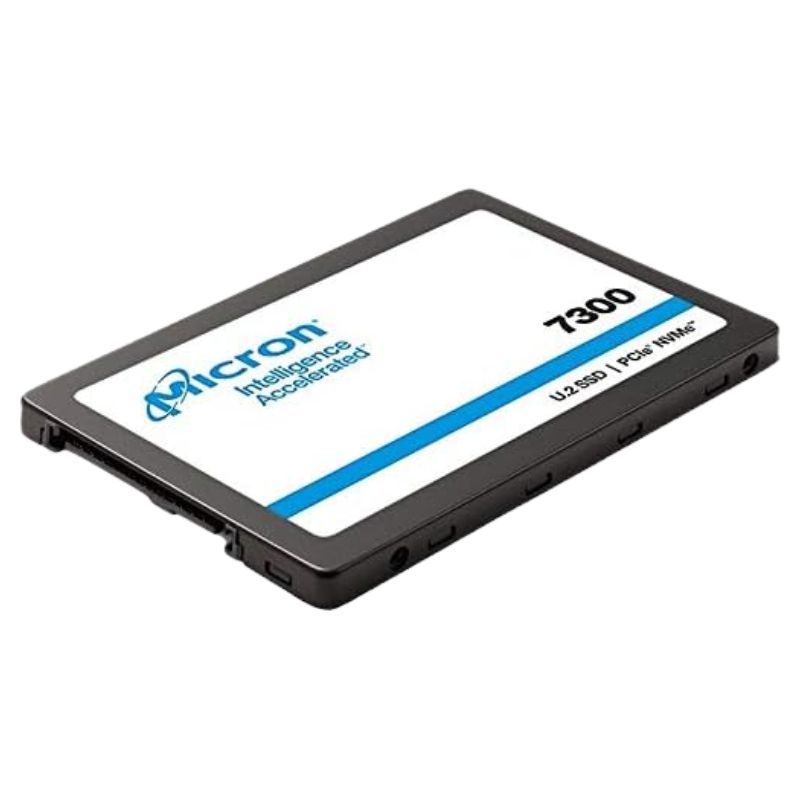


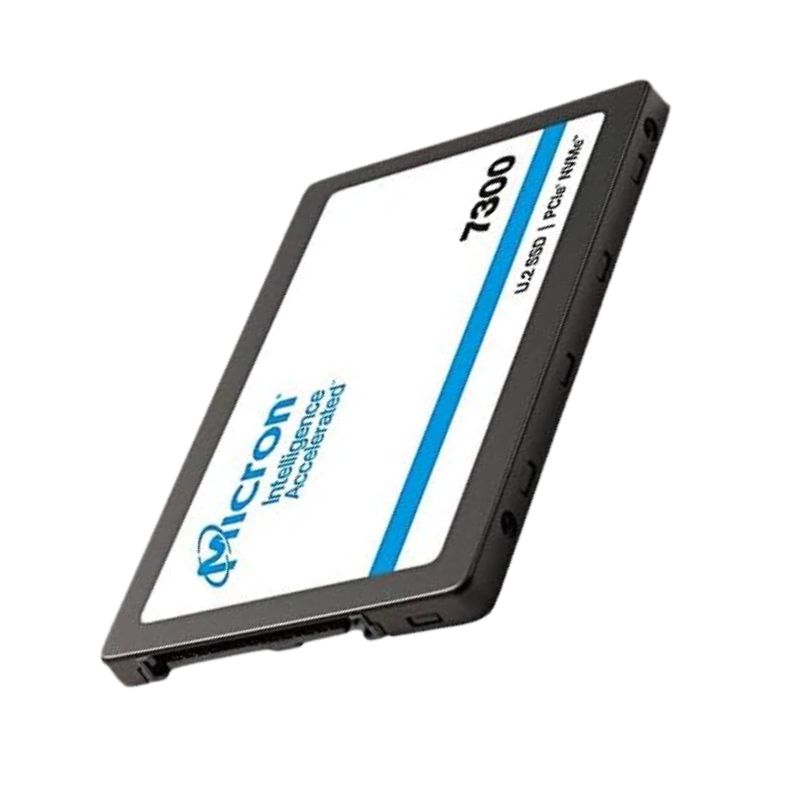
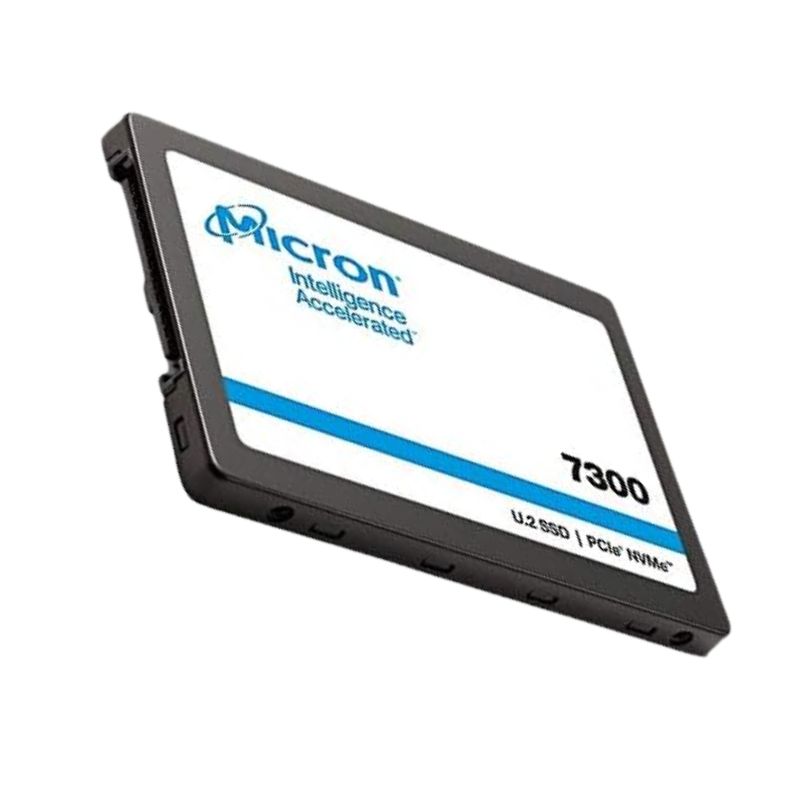
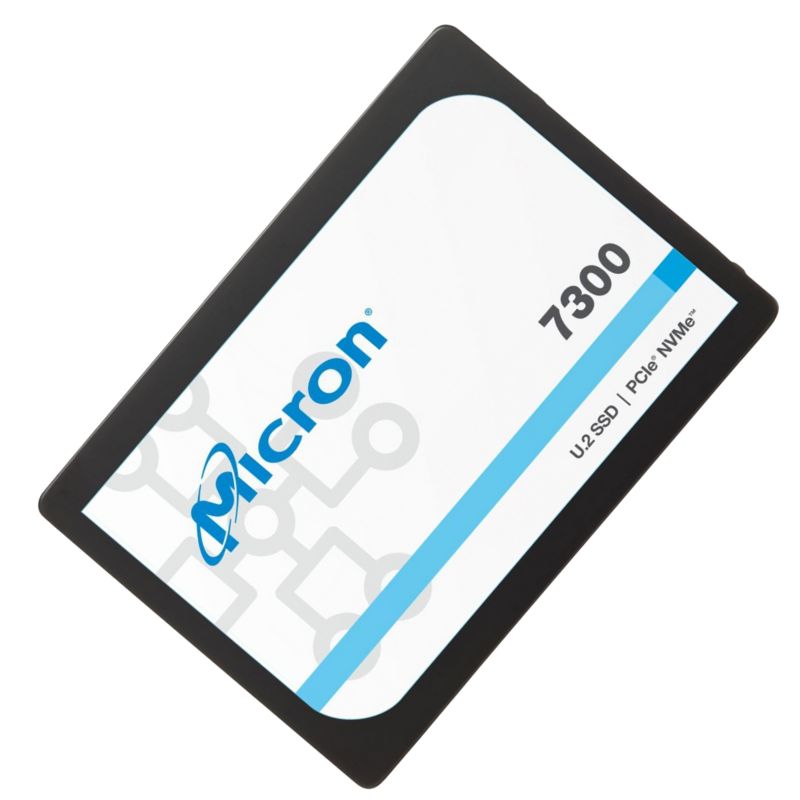
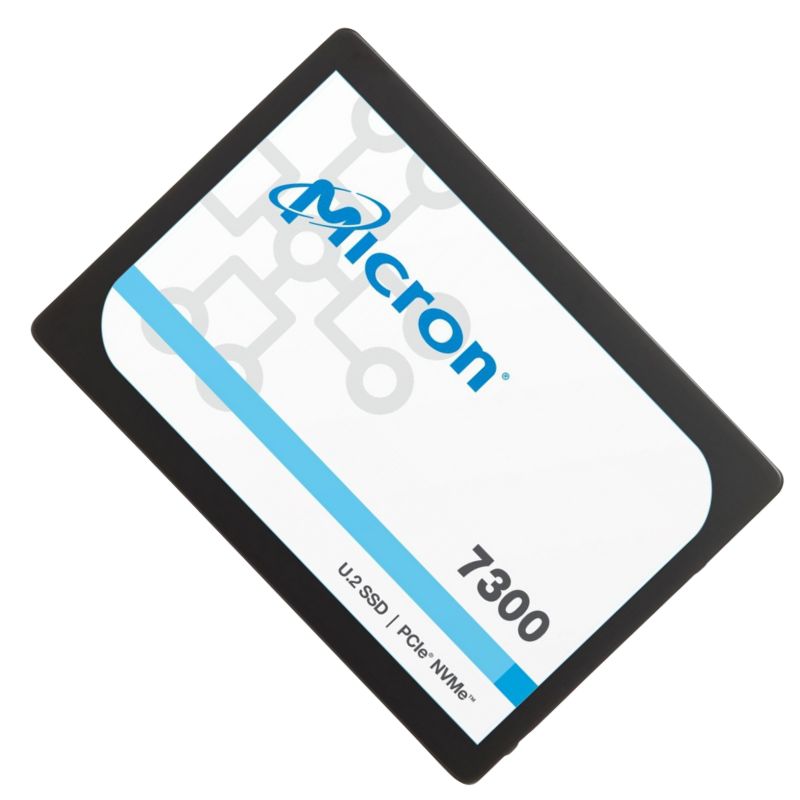
Micron MTFDHBE1T6TDG-1AW1ZABYY 7300 Max 1.6TB U.2 PCIe Gen3 SSD. New Sealed in Box (NIB) with 3 years Warranty - Call
The Micron 7300 Max delivers enterprise-grade storage solutions with impressive speed and durability. Designed for high-performance applications, this internal drive ensures consistent data reliability and exceptional efficiency.
The MTFDHBE1T6TDG-1AW1ZABYY is Micron’s 7300 MAX series 1.6TB NVMe solid-state drive in a U.2 (2.5") form factor, designed for mixed-use data-center workloads that require a balance of high throughput, low latency, strong endurance and enterprise-grade manageability. The drive uses a PCIe 3.0 x4 NVMe interface and is tuned for up to 3 drive-writes-per-day endurance (3 DWPD) typical of "MAX" class devices within the 7300 family.
Capacity: 1.6 TB (1,600 GB) raw usable capacity in U.2 2.5" packaging. Interface: U.2 connector (SFF-8639 / 2.5" enterprise) over PCIe Gen3 x4 with NVMe protocol. Performance class: Enterprise NVMe mainstream—high throughput sequential reads and competitive random I/O performance for mixed read/write workloads. Endurance class: Micron 7300 MAX designation — engineered for mixed-use endurance (~3 DWPD), making it suitable for caching, virtualization and mixed transactional environments.
As a MAX-class device, the 1.6TB model is rated for a higher endurance tier than PRO/read-intensive parts—historically characterized by multi-DWPD ratings. Micron’s MAX drives typically target mixed-use applications (roughly 3 DWPD) which balances price per GB and lifecycle suitable for caching, mixed transactional workloads and virtualized storage tiers. This endurance level makes the drive a practical choice for many primary and secondary data-center roles where writes occur regularly but are not dominated by heavy daily full-drive rewrites.
Enterprise Micron SSDs commonly include hardware-based encryption capabilities, including AES-256 and support for TCG Opal or self-encrypting drive (SED) features, enabling secure data-at-rest without host CPU load. These features are essential for regulated industries and are supported by common drive management frameworks, enabling administrators to meet compliance requirements with minimal operational overhead. Look for versions that explicitly list TCG Opal or SED if encryption is required by policy.
While full power-loss capacitors are more common in higher endurance enterprise drives, Micron’s 7300 series is designed with internal mechanisms to preserve in-flight data and maintain metadata integrity during unexpected interruptions. The exact power-loss protection features vary by SKU and firmware; for mission-critical deployments, confirm the drive’s advertised power-loss protection capabilities with the vendor or datasheet if that capability is required.
The U.2 form factor ensures broad compatibility with enterprise servers that expose U.2/SFF-8639 backplanes or drive cages. When integrating the MTFDHBE1T6TDG into an existing infrastructure, confirm that the host BIOS/firmware supports NVMe booting (if desired) and that the server’s NVMe driver stack is current. Many server vendors publish compatibility matrices listing supported Micron NVMe SKUs; always check those lists for validated combinations and any required firmware.
Enterprise SSD firmware is an important operational consideration. Micron and third-party resellers provide firmware update utilities and release notes. Keep firmware synchronized across arrays for predictable behavior, and follow vendor guidance for staged rollouts—particularly in clustered or virtualized environments—to avoid large-scale impact from a firmware update. Many organizations maintain firmware cadences tied to maintenance windows for safe deployment.
The MTFDHBE1T6TDG can be used behind software RAID and hypervisor local storage drivers. It can also function as a backend device for NVMe over Fabrics (NVMe-oF) gateways when used in NVMe-capable servers. When designing storage pools, account for the SSD’s performance profile and endurance class—mixing drives of different endurance or performance classes in the same pool can lead to uneven wear and performance imbalance.
For read-heavy hot storage (logs, analytics read caches), a PRO or Read-Intensive SKU might be more cost-effective. Conversely, for write-heavy workloads (intensive logging, telemetry capture with massive daily rewrites), higher endurance drives or enterprise-endurance TLC/QLC alternatives with stronger power-loss protections should be considered. The 1.6TB MAX sits in the middle: good for many primary roles but not optimized for the most write-intensive scenarios.
Track SMART attributes, endurance remaining, and thermal telemetry. Micron drives report SMART fields relevant to remaining life and media wear. Set alerts for predictive failure thresholds and integrate drive health data into your monitoring stack to plan replacements before service impact occurs. Periodic passive scans and scheduled write amplification monitoring help maintain consistent pool performance.
Allowing extra free space (overprovisioning) improves sustained performance and reduces write amplification. For enterprise use, consider provisioning an extra 7–15% depending on workload variability. Combine overprovisioning with host-side I/O scheduling and queue depth controls to keep latency predictable during bursts and background garbage collection.
If encryption is a requirement, choose a Micron 7300 MAX SKU that explicitly lists hardware encryption/TGC Opal support. Hardware encryption offloads cryptographic operations to the drive’s controller and prevents plaintext exposure if drives are removed or otherwise compromised. For regulated industries, ensure SED capabilities meet audit requirements and that key management policies are in place.
Some enterprise SKUs in Micron’s catalog are TAA-compliant for public sector procurement. When bidding on government contracts, check the exact part number and compliance statement; reseller pages and product briefs usually indicate compliance status. For the MTFDHBE1T6TDG family, verify the suffix and part revision to ensure it meets procurement requirements.
Micron’s 7300 family is split into tiers—PRO and MAX being two commonly found ones. PRO SKUs skew toward read-intensive use cases with lower DWPD and cost per GB optimized for read caching and archiving; MAX SKUs like the 1.6TB model favor mixed-use endurance with higher DWPD for more writes. Choosing between them depends on write intensity, budget constraints, and desired lifecycle.
Enterprise procurement should compare not only sticker price per GB but also endurance (GB written lifetime), management features, firmware support, vendor warranties, and expected energy consumption. Drives with modestly higher initial cost but higher DWPD and longer supported firmware life can reduce replacement and maintenance expense over multi-year deployments. Evaluate expected writes/day × drive population size to model realistic replacement cadence.
Most servers with NVMe firmware support can boot from U.2 NVMe drives. Confirm server firmware/BIOS support and test boot images as part of your deployment validation. If booting across many nodes, standardize BIOS/UEFI settings and ensure driver compatibility for your OS distribution.
When used as VM host storage, the drive offers strong burst performance and good mixed workload behavior, but virtualized environments increase multi-tenant interference. Apply host-level QoS, storage QoS in hypervisor platforms, and monitor tail latencies; these help maintain consistent VM performance across consolidation ratios.
In HCI nodes, the 1.6TB 7300 MAX can be used for caching tiers or direct VM datastores. Its mixed-use endurance and U.2 hot-swap capability make it a practical choice for clustered environments that need predictable performance and easy serviceability. Plan for uniform drive types across nodes to keep rebuild times and endurance profiles consistent.
Metadata stores, journal volumes, and write-ahead logs benefit from low tail latencies and consistent IOPS. For systems where log latency determines overall application responsiveness, a MAX class NVMe like this model balances endurance and performance while avoiding the premium of ultra-endurance SKUs.
Run representative benchmarks (fio, vdbench) with your application block sizes, read/write mixes and queue depths. Measure both average and tail latency (99th/99.9th percentiles) under sustained loads. Test drive behavior during background activities such as garbage collection and during firmware update cycles to understand real operational impact.
Introduce the drive in a controlled canary pool, validate telemetry, and test worst-case I/O scenarios before scaling. Validate RMA, reporting, and integration with your monitoring/CMDB systems so that replacements and lifecycle transitions are automated and auditable.
Purchase from authorized resellers to ensure full manufacturer warranties and RMA support. Warranties vary by SKU and region—READ the datasheet or reseller page for exact terms, including MTBF figures, write endurance guarantees, and last-resort data recovery clauses if offered. For high-availability environments, plan for N+1 replacement spares and rapid swap procedures.
Some vendors market certified recertified units at reduced cost; while those can be attractive for non-critical workloads, verify tested life, remaining endurance, warranty length and that firmware is current. For production or regulated environments prefer new, factory-warrantied units.
Use precise model identifiers (MTFDHBE1T6TDG-1AW1ZABYY), series names (Micron 7300 MAX), capacity (1.6TB), form factor (U.2 2.5"), and interface (PCIe Gen3 x4 NVMe) in headings, alt text and structured data. Include technical attributes like "3 DWPD", "enterprise NVMe", "TCG Opal", and "AES-256 SED" where applicable to capture both buyer intent and technical search queries.
Present an easy comparison table (7300 MAX vs PRO), include clear calls to action (buy, request quote, check compatibility), and provide links to datasheets, firmware downloads and validated server compatibility lists. Include FAQ anchors for quick scannability and a recommendations block for related SKUs (higher endurance, larger capacity, or cost-optimized read-heavy alternatives). These elements improve time on page and the likelihood that a buyer converts or requests a quote.


 Contact Us
 Information
 Catalog
 Solid State Drives (SSD)
 Network Switches
 Hard Disk Drives
 HBA & Controllers
 PC & Servers
 PC & Server Memory
 CPU & Processors
 Network Routers
 Power Supplies
 Tape Drives & Libraries
 Network Devices
 Computer & Network Cables