(7% discount is applied at checkout)
Cart is empty
Your go-to destination for cutting-edge server products
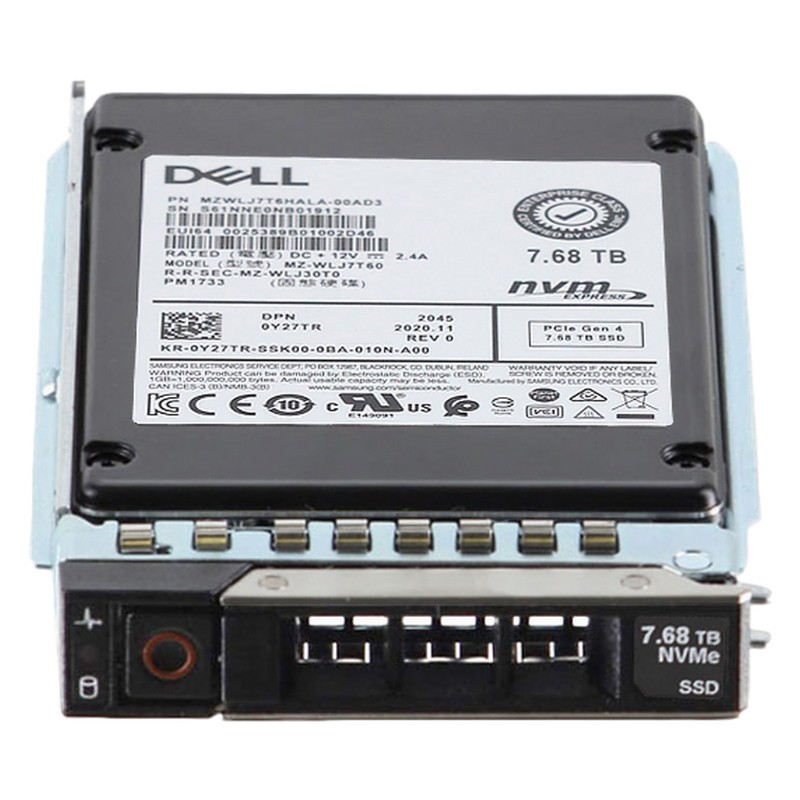


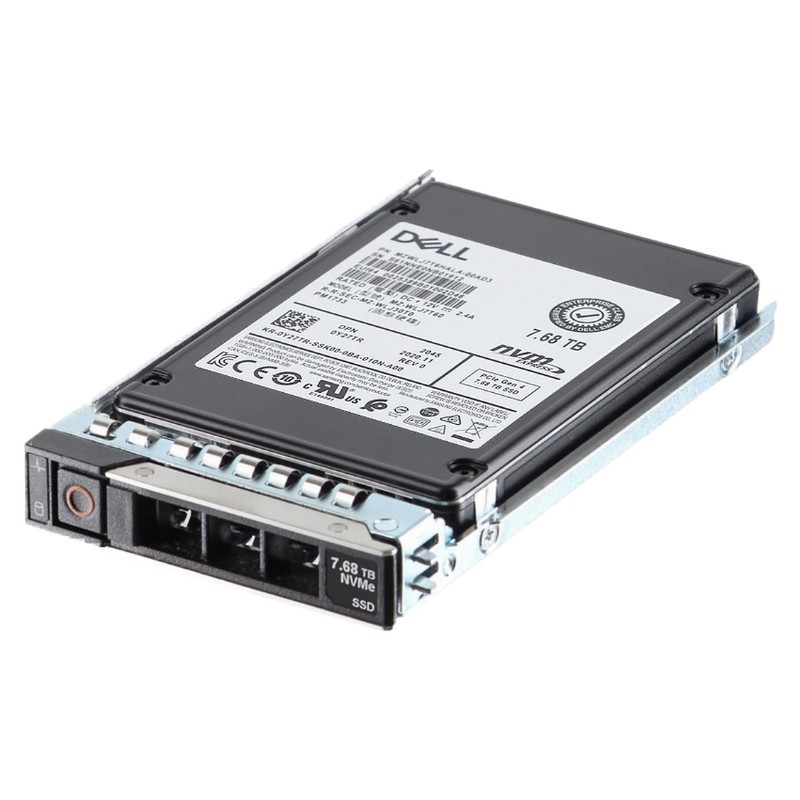
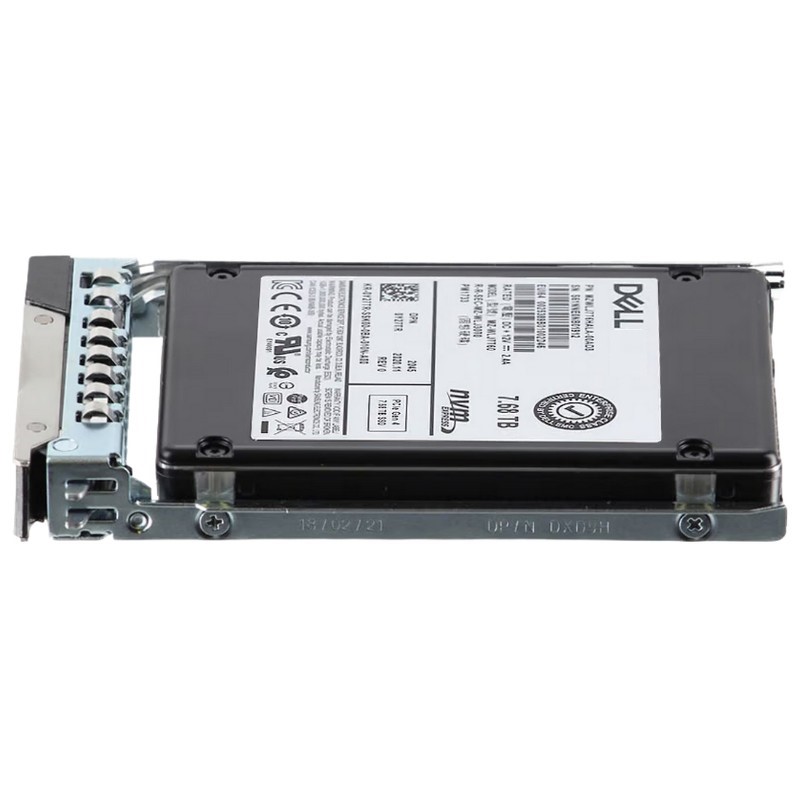
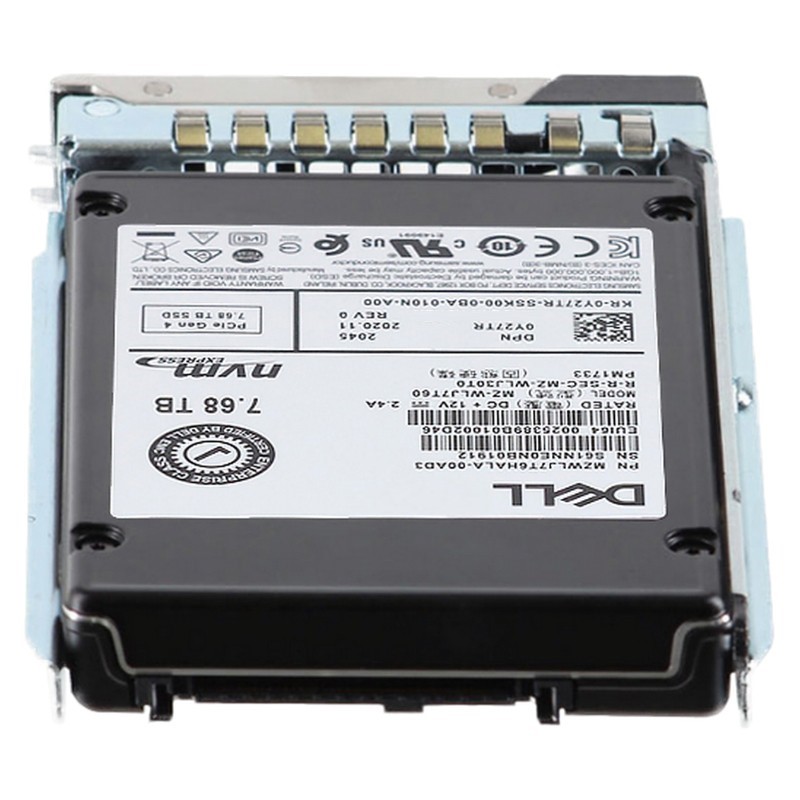
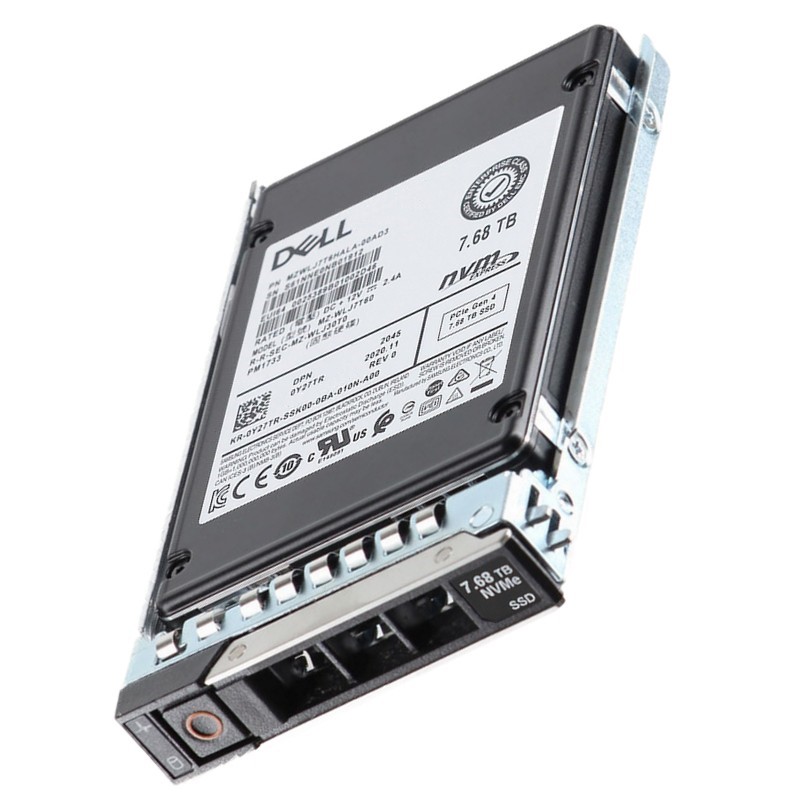
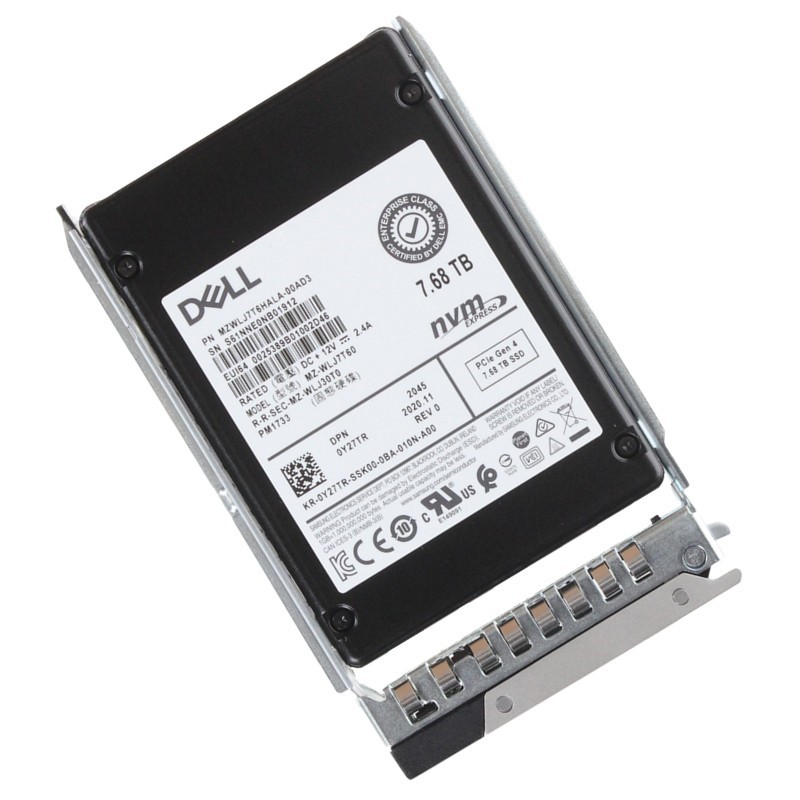
Dell 400-BGGP 7.68TB Read Intensive PCI-E 4.0 X4 NVMe U.3 SED SFF Enterprise Solid State Drive. Excellent Refurbished with 1 year replacement warranty
This high-performance solid state drive is engineered for data centers and enterprise storage solutions requiring exceptional reliability and speed.
Designed For Modern Data Centers And Enterprise Workloads, The Dell 400-BGGP 7.68TB Read Intensive PCI-E 4.0 x4 NVMe U.3 SED SFF Enterprise Solid State Drive Represents A Strategic Balance Of Density, Performance, And Security. This Category Emphasizes Drives Built For Read-Dominant Applications That Demand Low Latency And High Throughput While Offering Advanced Self-Encrypting Drive (SED) Capabilities And The U.3 SFF Form Factor For Flexible Server Integration. The Drives In This Category Target Organizations Seeking Optimized Storage For Virtual Desktops, Large-Scale Caching, Content Delivery, Analytics, And Read-Heavy Database Operations.
The Drives In This Category Are Engineered Around The 400-BGGP PCI-Express 4.0 Specification, Leveraging Four Lanes (x4) To Deliver Substantially Higher Bandwidth Compared With PCIe 3.0 Devices. NVMe Protocol Optimization Enables Parallelized Command Queues And Lower Overhead, Which Translate Into Faster I/O Completion And Better Utilization Under Concurrent Workloads. The 400-BGGP7.68TB Capacity Point Offers A High Density Option In A 2.5-Inch U.3 Small Form Factor That Fits Modern Server Bays And Storage Enclosures, Allowing Organizations To Maximize Usable Capacity Per Rack Unit.
Controller Design And Firmware Play Central Roles In Delivering Sustained Read Performance, Endurance Management, And Background Tasks Like Wear Leveling And Garbage Collection. Enterprise Controllers In These Drives Are Tuned To Prioritize Read Latency Determinism And To Maintain High Queue Depth Throughput. Combined With 3D NAND TLC Or Equivalent High-Density Memory, These SSDs Achieve Competitive Cost Per GB While Supporting Read-Intensive Workloads.
Devices In This Category Typically Provide Exceptional Sequential Read Throughput, Taking Advantage Of PCIe 4.0 To Reach Multi-Gigabyte-Per-Second Read Rates In Optimized Server Configurations. Random Read IOPS Remain A Primary Selling Point, With Low Single-Digit Millisecond Or Sub-Millisecond Latencies Under Moderate To High Queue Depths. Read-Intensive Drives Are Calibrated To Offer Consistent Performance Over Time, Minimizing Latency Spikes During Internal Housekeeping Activities.
For Workloads Such As Boot Storms In Virtual Desktop Infrastructure (VDI), Large-Scale Search And Indexing, Or Serving Static Content At High Request Rates, These SSDs Deliver Noticeable Improvements Over SATA-Based Or Legacy NVMe Solutions. Real-World Benchmarks Will Vary Depending On Host Platform, Firmware Revision, And IO Patterns, But The Expected Experience Is Reliable High Read Bandwidth Coupled With Responsive Small-Block Read I/O.
Enterprise Deployments Require Predictable Response Times. These Drives Include Features That Reduce Tail Latency, Such As Power Loss Protection Schemes For Metadata, Deterministic Garbage Collection, And Firmware Mechanisms That Spread Maintenance Across Idle Windows. In Practice, This Helps Maintain Quality Of Service (QoS) For Critical Applications, Avoiding Large Latency Outliers That Can Degrade User Experience Or Analytical Job Throughput.
Although Marketed As Read-Intensive, The 400-BGGP 7.68TB Drives In This Category Provide Sufficient Write Endurance For Typical Read-Heavy Scenarios. Endurance Metrics Are Expressed In Drive Writes Per Day (DWPD) Or Total Terabytes Written (TBW) Over A Warranty Period. IT Architects Should Evaluate These Specifications Relative To Their Application’s Write Profile; For Caching Layers, Logging Servers, And Some Database Use Cases, Read-Intensive SSDs Offer A Cost-Effective Trade-Off When Compared To Mixed-Use Or Write-Intensive Enterprise Drives.
Self-Encrypting Drive (SED) Functionality Is A Core Feature Of This Category, Enabling Hardware-Based Encryption That Offloads Cryptographic Work From The Host And Simplifies Key Management. These Drives Often Support Trusted Computing Group (TCG) Opal Specifications And May Integrate With Enterprise Key Management Solutions Or Server Firmware Encryption Management. Hardware Encryption Ensures That Data At Rest Is Protected Against Unauthorized Access If A Drive Is Decommissioned Or Physically Removed.
Additional Security Advantages Include Secure Erase Capabilities, Secure Firmware Update Mechanisms With Signature Verification, And Support For Drive Locking Protocols. For Regulated Industries Where Data Privacy And Chain-Of-Custody Matter, SED Drives Help Meet Compliance Requirements While Reducing The Operational Burden Of Software-Based Encryption Solutions.
The 400-BGGP U.3 SFF (Small Form Factor) Interface Combines The Mechanical And Electrical Benefits Of 2.5-Inch Carriers With Hot-Swap Capability And Backplane Interoperability. U.3 Connectors Support Both NVMe And Legacy SAS/SATA Signals In Some Backplane Designs, Offering Flexibility When Migrating Server Fleets Or Transitioning Storage Tiers. This Category’s SFF Design Enables Dense Packaging In Blade, Rack, And Hyperconverged Platforms While Maintaining Standardized Drive Carrier Mechanics.
Compatibility Considerations Include Server Firmware And BIOS Support For PCIe 4.0 (When Applicable), Chassis Backplane Support For U.3, And Host Driver Stack Updates. System Integrators Should Verify That The Server Model And HBA/RAID Controller Support NVMe U.3 Drives Natively To Avoid Unexpected Limitations. Many Modern Dell PowerEdge Systems Provide Native NVMe Backplanes And Firmware Support, But Cross-checking Compatibility Is A Best Practice When Procuring At Scale.
Power Efficiency Remains A Key Metric For Data Center Operators. These Drives Are Optimized To Balance Peak Performance With Low Idle Power And Aggressive Power States. Thermal Design Is Equally Important; High Density In A Rack Can Increase Ambient Temperatures, So The Drives Include Thermal Sensors And Firmware Controls To Modulate Performance Under Elevated Conditions. Rack Cooling Strategies And Proper Airflow Management Are Essential To Preserve Drive Longevity And Avoid Throttling During Sustained High Throughput Operations.
Enterprises Deploy Drives From This Category In A Variety Of Scenarios Where Read Performance And Capacity Density Matter Most. Typical Use Cases Include Virtual Desktop Infrastructure (VDI) Boot/Compose Operations, Web And Application Content Delivery, Search Indexing, Big Data Analytics Read Caches, Object Storage Metadata Layers, And High-Performance File Services. The Cost-Effective Capacity And Read-Optimized Endurance Make These Drives An Attractive Option For Tiered Storage Architectures That Place Read-Heavy Data On NVMe Tiers And Move Cold Data To Lower-Cost Disk Or Archive Tiers.
When Used As A Hot Tier In A Multi-Tiered Storage Strategy, These NVMe Drives Provide Fast Access To Frequently Read Hotspots, While Backing Stores Such As HDD Arrays Or Cloud Storage Handle Long-Term Retention. Intelligent Data Placement Software And Caching Layers Can Automatically Promote Frequently Accessed Data To The NVMe Tier, Improving Application Performance Without Forcing The Entire Dataset Onto Expensive SSD Capacity.
Data Integrity Features Include End-To-End CRC, Advanced ECC Algorithms, And Bad Block Management That Is Performed At The Controller Level. These Mechanisms Reduce The Risk Of Silent Data Corruption And Help Ensure That Critical Read Operations Return Correct Results. Administrators Should Use Filesystem-Level Checksums And Application-Level Verification Where Appropriate To Provide Additional Assurance For Mission-Critical Data.
Compared To SATA Or SAS SSDs, PCIe 4.0 NVMe Drives Offer Superior Bandwidth And Lower Latency, Making Them Better Suited For High-Performance Frontline Applications. When Compared To Mixed-Use Or Write-Intensive NVMe Drives, Read-Intensive Models Provide A More Cost-Effective Solution For Read-Dominant Workloads But May Not Offer The Same DWPD Ratings Required For Heavy Logging Or High-Velocity Transactional Systems. Choosing Between Drive Classes Relies On Analyzing Application IO Patterns, Expected Growth, And Acceptable Risk Profiles.
Benchmarking Should Use Representative Workload Tools That Simulate Real Application IO Mixes Rather Than Synthetic Sequential Tests Only. Tests Should Include Random Read Patterns At Various Queue Depths, Mixed Read/Write Blocks If Applicable, And Long-Duration Runs To Assess Thermal Behavior And Sustained Throughput. Benchmark Results Provide The Most Reliable Basis For Capacity Planning, Performance SLAs, And Migration Strategies.
To Maximize Value From Drives In This Category, Follow Best Practices Such As Matching Drive Type To Workload, Implementing Proactive Monitoring, Incorporating Redundancy At The Array Or Cluster Level, And Testing Firmware Updates In Staging Environments. Additionally, Plan For Spare Parts Inventory, Document Replacement Procedures, And Train Operations Staff On Drive Health Indicators And Recovery Workflows.
Data Centers Operating These Drives Should Account For Environmental Conditions Including Temperature, Humidity, And Altitude Limits Specified By The Manufacturer. Compliance With Regulations For Data Protection, Export Controls, And Electronic Waste Disposal May Affect How Drives Are Handled At Decommissioning. Proper Documentation Of Data Sanitization And Chain-Of-Custody Supports Regulatory Audits And Corporate Governance Expectations.
Advanced Subjects Relevant To Buyers And Architects Include End-To-End Data Path Verification, Integration With NVMe-Over-Fabric (NVMe-oF) Solutions For Remote Direct Access, Analytics On SMART Telemetry For Predictive Maintenance, And The Role Of Computational Storage Variants In Offloading Certain Processing Tasks. These Topics Offer Opportunities To Extract Greater Value From NVMe Deployments When Matched To The Right Software Ecosystem.


 Contact Us
 Information
 Catalog
 Solid State Drives (SSD)
 Network Switches
 Hard Disk Drives
 HBA & Controllers
 PC & Servers
 PC & Server Memory
 CPU & Processors
 Network Routers
 Power Supplies
 Tape Drives & Libraries
 Network Devices
 Computer & Network Cables