(7% discount is applied at checkout)
Cart is empty
Your go-to destination for cutting-edge server products
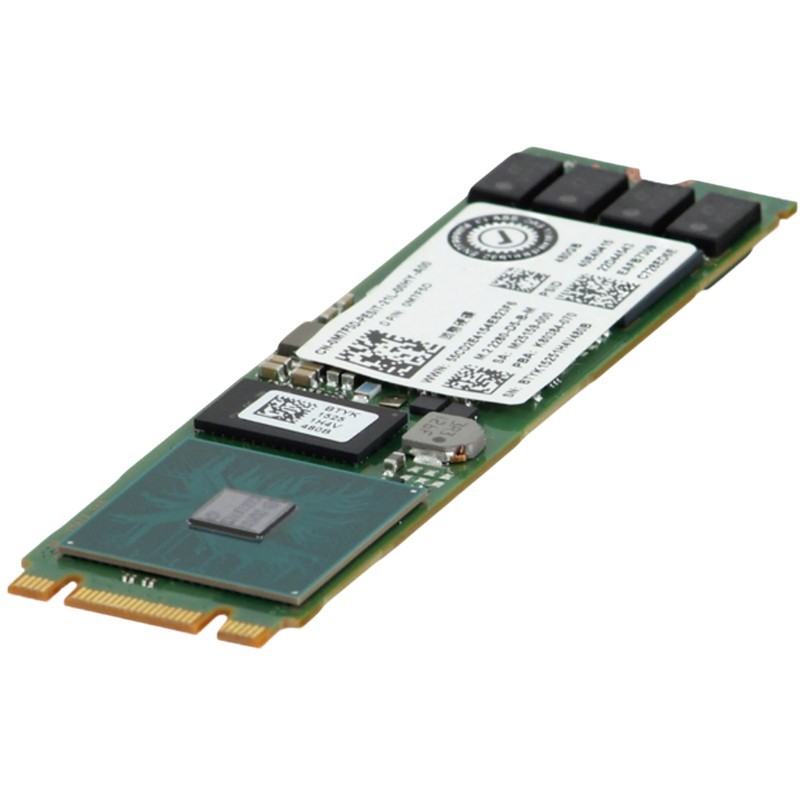


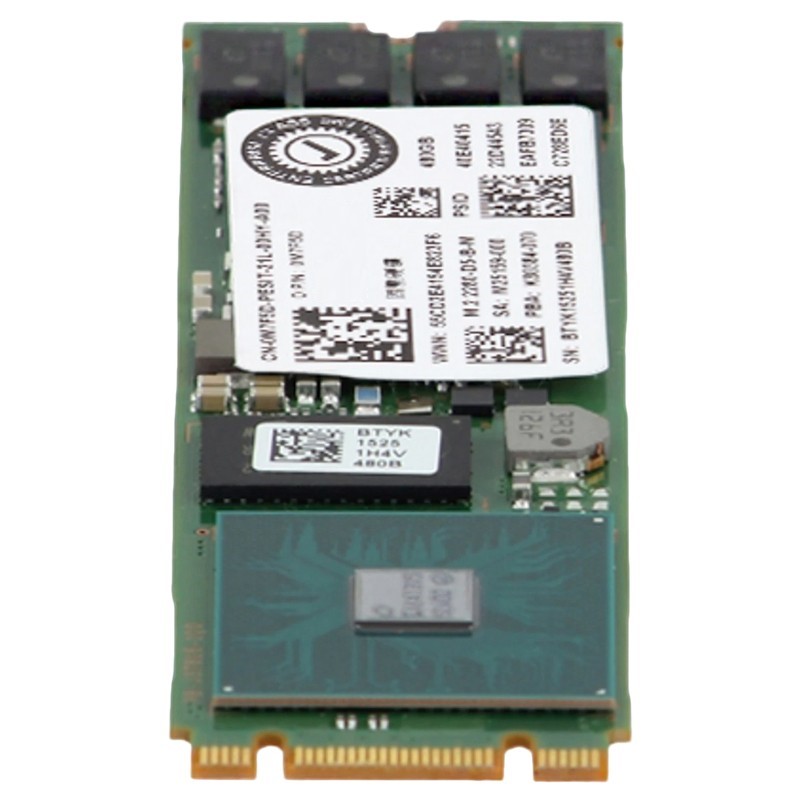
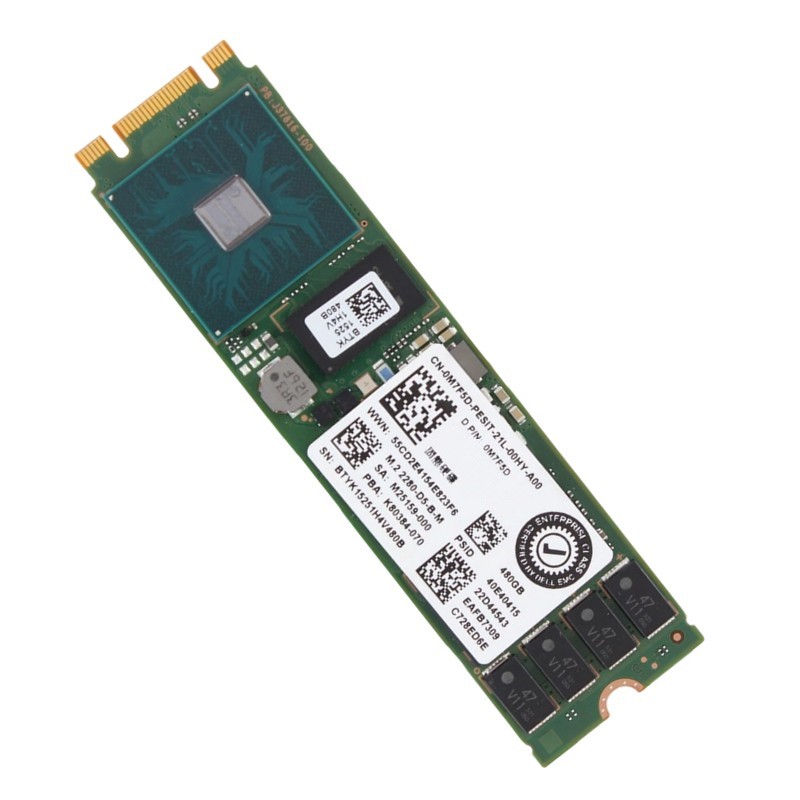
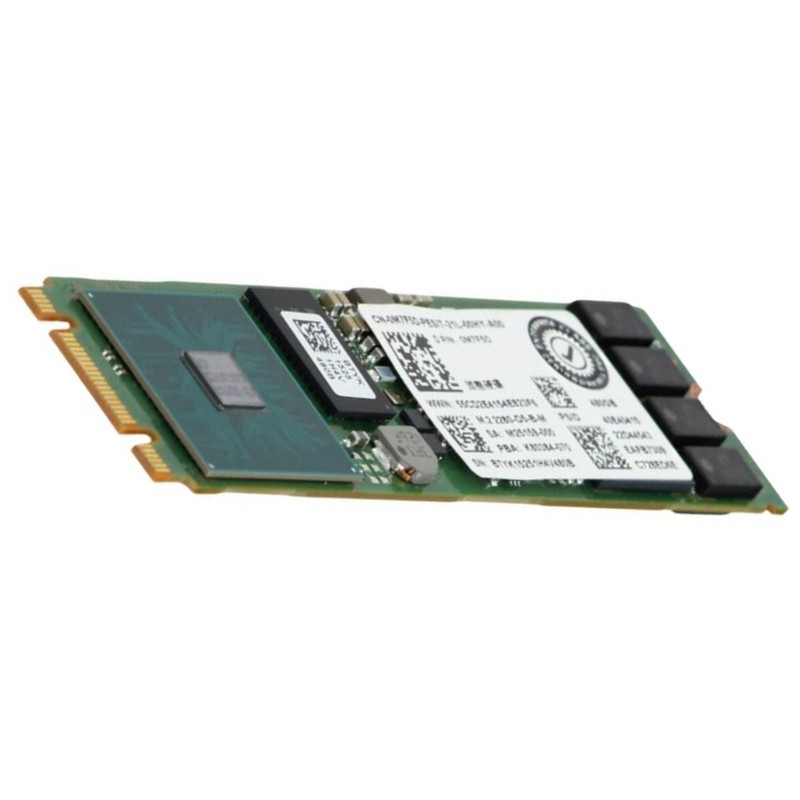
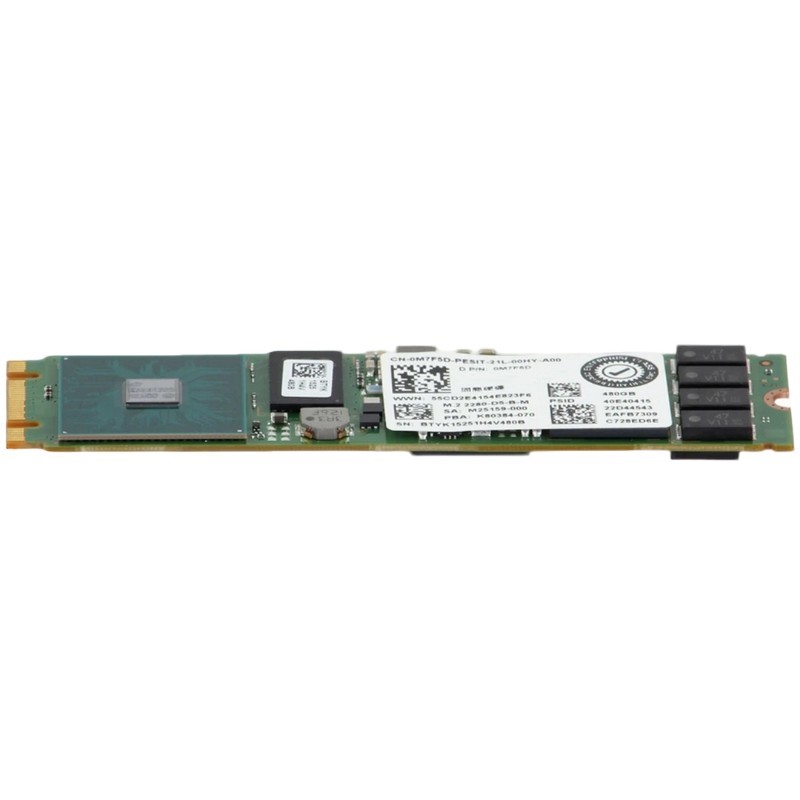
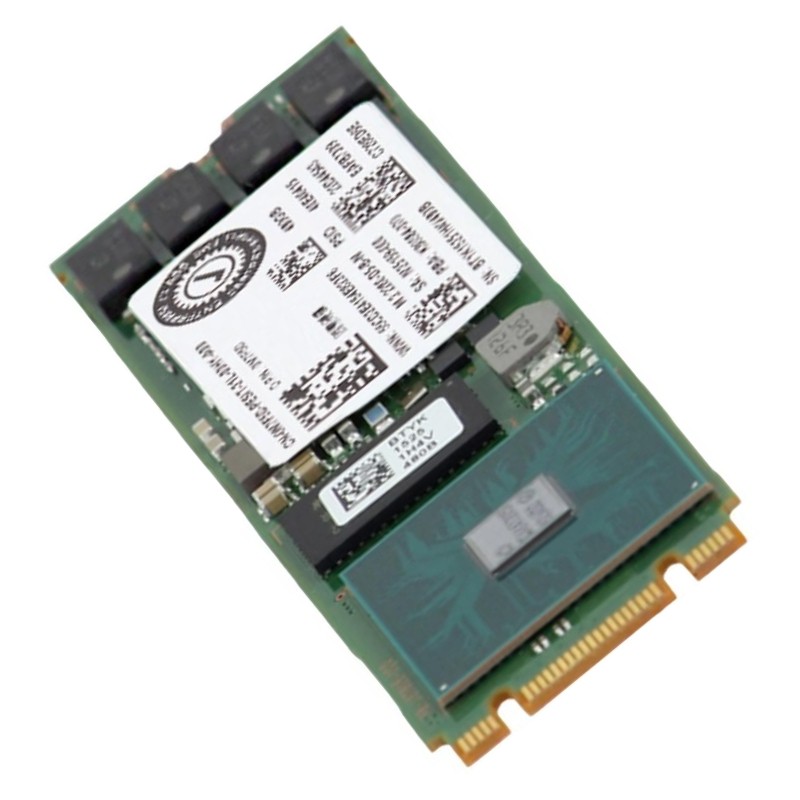
Dell 400-BIGX 480GB M.2 2280 SATA 6GBPS Read Intensive TLC 3D Nand Enterprise Solid State Drive. Excellent Refurbished with 1 year replacement warranty
Engineered for superior data handling, this enterprise-class SSD delivers remarkable speed and reliability for demanding server environments.
This internal SSD is certified for optimal performance and compatibility with an extensive range of Dell PowerEdge servers, including but not limited to:
Designed to deliver reliable Read Intensive performance in demanding enterprise environments, the 400-BIGX Dell 480GB M.2 2280 SATA SSD combines modern 3D TLC NAND technology with a compact M.2 2280 form factor. Engineered for data center and server workloads that favor sequential and random read throughput over write-heavy operations, this model emphasizes predictable latency, low power consumption, and integration simplicity for moderncompute platforms. Ideal for read-caching, boot volumes, content distribution, and analytics nodes, the drive balances capacity, endurance, and cost-effectiveness in IT infrastructure deployments.
M.2 2280 Form Factor Allows Direct Motherboard Installation In Many Servers, Workstations, And Edge Appliances. Its 22mm width and 80mm length make it a standard fit for M.2 slots that support SATA signaling. While NVMe M.2 drives have grown in popularity, SATA-based M.2 remains attractive where legacy SATA controllers are in use or where predictable SATA protocol behavior is required. The SATA 6Gbps interface guarantees broad compatibility, making the 400-BIGX an easy drop-in upgrade for many platforms without needing PCIe lanes or special drivers.
TLC (Triple-Level Cell) 3D NAND Underpins The Storage Capacity And Cost-Performance Balance Of The 480GB Unit. By stacking layers of NAND vertically, 3D NAND improves density and reduces cost per gigabyte while maintaining acceptable endurance for read-intensive workloads. The drive uses advanced error-correcting codes and wear-leveling algorithms to maximize usable life and ensure that read operations remain consistent even as the device ages.
Configured As A Read-Intensive SSD, This Model Prioritizes Sustained Read Throughput And Low Read Latency Over High Sustained Write Throughput. Typical enterprise read-intensive use cases include operating system boot volumes, database indexes that are frequently queried, web server content caches, and analytics read caches. The firmware optimizations reduce read amplification, minimize garbage-collection interference during read-heavy bursts, and keep response times predictable under mixed I/O patterns.
Sequential Read Speeds Are Tuned To Exploit SATA Bandwidth, Delivering Fast Data Transfers For Large File Reads And Streaming Use Cases. Random Read Performance Is Optimized For Small Block Access Common In Database Indexing And Virtualized Environments, With IOPS Performance Designed To Meet the demands of many concurrent read threads. While write IOPS are intentionally less aggressive than high-endurance enterprise drives, the 400-BIGX maintains consistent write behavior adequate for caching layers and light write tasks.
Enterprise Grade Reliability Is A Key Focus For The 400-BIGX Drive. The Endurance Rating Reflects Its Read-Intensive Classification, Providing Sufficient Terabytes Written (TBW) Metrics For Typical Read-Focused Deployments. Reliability Is Enhanced Through Robust Wear Leveling, Power-Loss Protection Mechanisms Where Applicable, And Comprehensive SMART Telemetry For Proactive Monitoring. Manufacturers And Data Center Administrators Should Evaluate TBW Relative To Expected Write Patterns To Plan Replacement Cycles And Warranty Coverage.
Compatibility With A Wide Range Of Servers, Workstations, Embedded Systems, And HCI Appliances Makes The 400-BIGX A Flexible Option For Heterogeneous IT Environments. Its SATA Interface Enables Use With Existing SATA Backplanes, M.2 Slots On Modern Motherboards, And Adapter Cards That Expose SATA Signals Via M.2 Connectors. Before Deployment, Validate BIOS/UEFI Support, Boot Order Behavior, And Any Vendor-Specific Firmware Interactions To Ensure Seamless Integration.
Security Is Increasingly Important For Enterprise Storage. The 400-BIGX Drive May Support Hardware-Based Encryption Features Such As TCG Opal Or AES-Based Self-Encrypting Drive (SED) Capabilities Depending On Vendor Implementation. When Supported, These Options Provide At-Rest Encryption Without The Performance Penalty Of Software Encryption And Simplify Data Sanitization Procedures At Decommissioning. Administrators Should Confirm Encryption Support And Key-Management Compatibility With Their Existing Security Policies.
Many Enterprise-Class SSDs Incorporate Power-Loss Protection To Preserve In-Flight Data And Maintain File-System Consistency During Unexpected Power Events. Although Read-Intensive Models May Offer Less extensive capacitive buffering than full endurance data-center drives, the 400-BIGX still includes firmware safeguards designed to protect metadata and reduce the chance of corruption. Pairing these hardware features with application-level transaction safeguards provides a layered approach to data integrity.
Operating Temperatures And Thermal Constraints Are Crucial For M.2 Drives, Especially When Installed On Densely Packed Server Boards Or Compact Edge Devices. The M.2 2280 Format Offers Limited Physical Mass For Heat Dissipation, So Administrators Should Consider Heatsinks, Active Airflow, Or Thermal Pads Where Motherboard layouts concentrate multiple M.2 devices. Ensuring Proper Airflow And Monitoring Drive Temperatures Prevents Throttling And Extends Drive Longevity.
Enterprise Deployments Often Demand Compliance With Industry Environmental Standards For Shock, Vibration, And Operating Temperature Range. The 400-BIGX Drive Adheres To Manufacturer-Specified Ratings That Inform Mounting Choices And Suitable Use Cases. Rigid Mounting In 2U Or 1U Enclosures, Shock Isolation For Edge Deployments, And Vibration Damping In Rack Servers All Contribute To Predictable Mechanical Reliability.
Understanding The Best-Fit Workloads For A Read-Intensive M.2 SATA SSD Saves Cost And Improves Application Performance. The 400-BIGX Is Well Suited For Operating System Volumes In Virtualized Hosts, Read Cache Layers In Hybrid Storage Architectures, Content Delivery Nodes For Web And Media, And Log/Index Storage That Sees Far More Reads Than Writes. It Is Less Appropriate For High-Frequency Transactional Databases With Heavy Write Amplification Or For Persistent Storage In High-Write Data-Logging Applications.
In Hybrid Arrays Where Performance Tiers Combine HDD Capacity With SSD Acceleration, The M.2 480GB Drive Can Function As A Local Read Cache Or As A Tier For Frequently Accessed Metadata. Its Compact Form Factor Enables Deployment Directly On The Host, Reducing Latency Versus Network-Attached Cache Tiers. Administrators Should Tune Cache Policies To Favor Read Hit Ratios And Monitor Cache Eviction Patterns To Ensure Optimal Use Of The SSD Layer.
Realizing Peak Performance From The 400-BIGX Drive Requires Attention To System Configuration And I/O Stack Tuning. Using Native SATA AHCI Drivers Or Vendor-Bundled Controllers That Support NCQ (Native Command Queuing) Improves Multithreaded Read Throughput. Operating Systems Should Be Configured With Appropriate File-System Mount Options And Scheduler Settings That Favor Low-Latency Read Patterns. On Virtualized Hosts, Right-Sizing Virtual Disk Queue Depths And Reserving I/O Resources For Critical VMs Helps Maintain Predictable Response Times.
Although SSDs Provide High Performance, Redundancy Is Still Essential For Enterprise Availability. Deploying The 400-BIGX Drives In RAID Configurations Or Paired With Mirroring Solutions Protects Against Individual Drive Failure. When Choosing RAID Levels, Consider The Read-Intensive Nature Of The Workload: RAID 1 Or RAID 10 May Offer Simpler Rebuild Paths And Better Read Performance For Many Database And Boot Volume Scenarios. Ensure Rebuild Processes Are Tested, As SSD Rebuild Patterns Differ From Spindle-Based Drives.
Supply Chain Variability Can Affect Availability And Lead Times. When Planning Large-Scale Deployments, Stagger Procurement, Negotiate Lead Times With Suppliers, And Consider Maintaining Safety Stock For Critical Hosts. Where Vendor-Supported Bundles Exist (For Example, Drives Qualified For Particular Server Lines), Leverage Those Options To Simplify Support Escalations And Firmware Compatibility Issues.
Ensure Compatibility With The Operating Systems, Hypervisors, And RAID Controllers In Your Environment. Some Platforms Expose Advanced SSD Features Such As Trim/Discard, SMART Passthrough, And SED Management; Verify Support And Test Each Feature Path. Hypervisor-Level Caching Or Pass-Through Modes Should Be Validated To Confirm That Latency And Data Integrity Meet Application Requirements.
Enterprise Deployments Often Require Drives That Meet Regulatory Or Industry Certifications. Confirm That The 400-BIGX Meets Any Applicable Standards For Your Industry, Such As Data Center Environmental Requirements Or Security Certification Needs. Engage With Vendor Support Channels To Understand SLAs, Escalation Paths, And On-Site Support Options If They Are Required For Mission-Critical Systems.
When Evaluating The 400-BIGX Against NVMe M.2 Or SATA 2.5-Inch Enterprise Drives, Balance Performance Needs Against Cost, Power, And Compatibility. NVMe Offers Higher Throughput And Lower Latency But Requires PCIe Support; 2.5-Inch SATA Drives Offer Easier Hot-Swap Options In Standard Drive Bays. The M.2 2280 SATA Drive Presents A Middle Ground For Hosts That Need Compact Boot Or Cache Storage Without The Complexity Of PCIe Resource Allocation.
Choose A Read-Intensive Drive Like The 400-BIGX When Workloads Exhibit Read-Dominant I/O Profiles, When Budget Constraints Favor Lower Cost-Per-GB Solutions, Or When The Deployment Requires Compact Form Factors. For Write-Heavy Use Cases—Such As High-Frequency Transactional Databases Or Logging Servers—Consider Mixed-Use Or Write-Optimized Drives With Higher TBW Ratings And Stronger Power-Loss Protections.


 Contact Us
 Information
 Catalog
 Solid State Drives (SSD)
 Network Switches
 Hard Disk Drives
 HBA & Controllers
 PC & Servers
 PC & Server Memory
 CPU & Processors
 Network Routers
 Power Supplies
 Tape Drives & Libraries
 Network Devices
 Computer & Network Cables