(7% discount is applied at checkout)
Cart is empty
Your go-to destination for cutting-edge server products
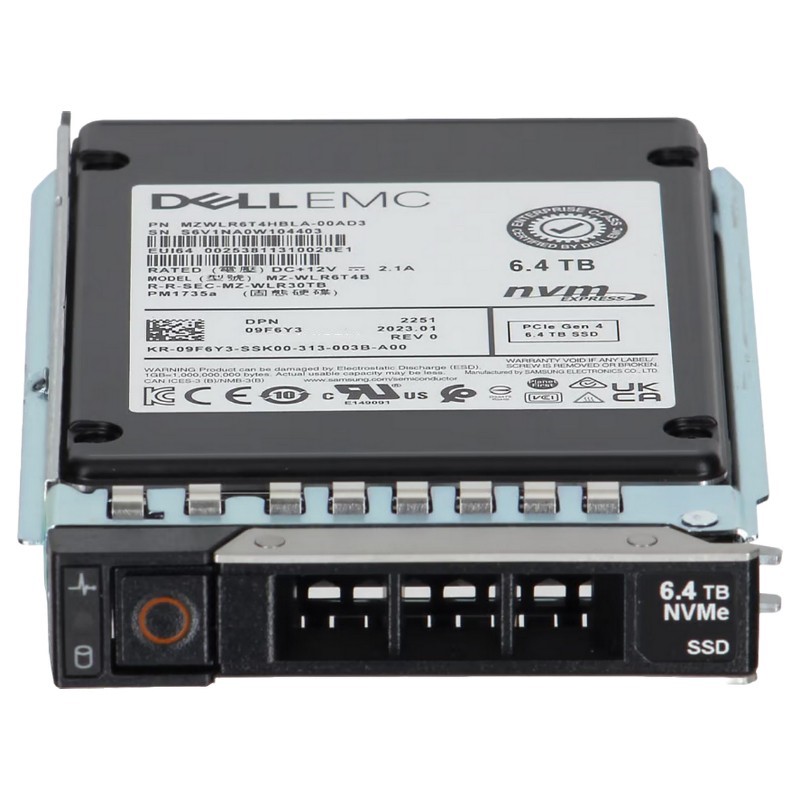


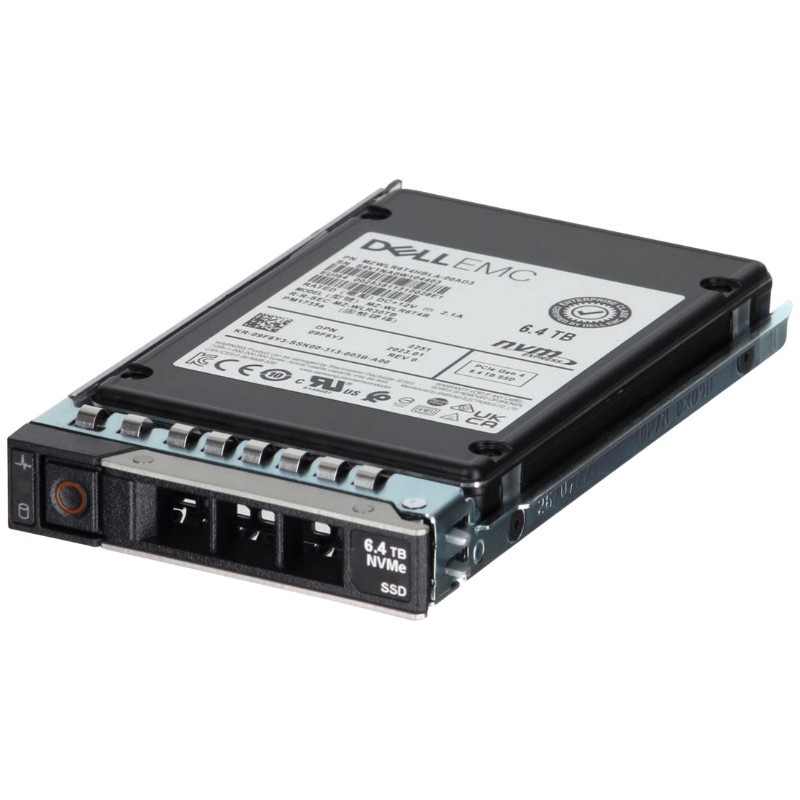
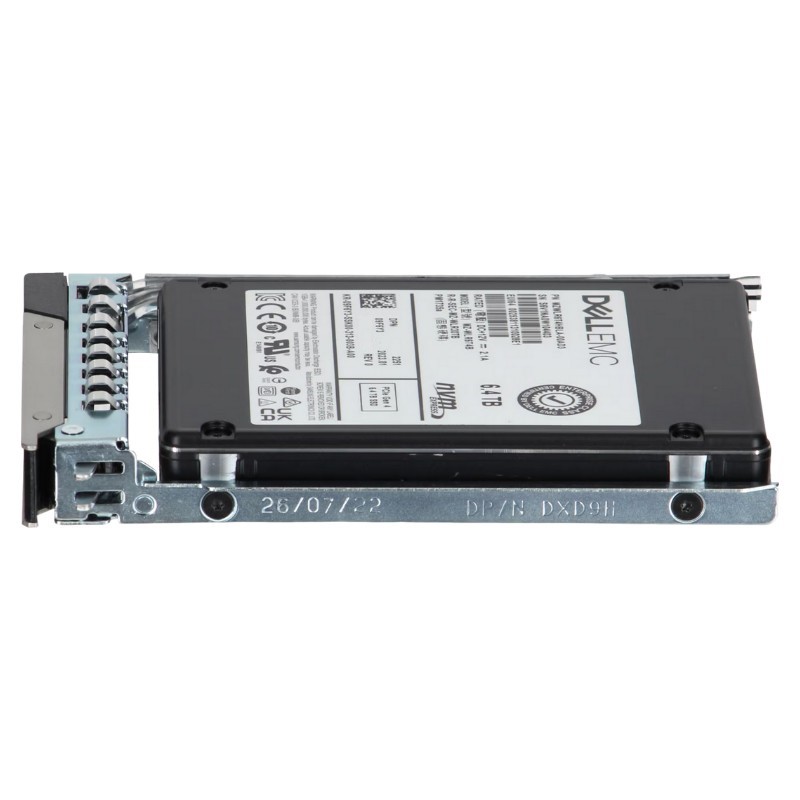
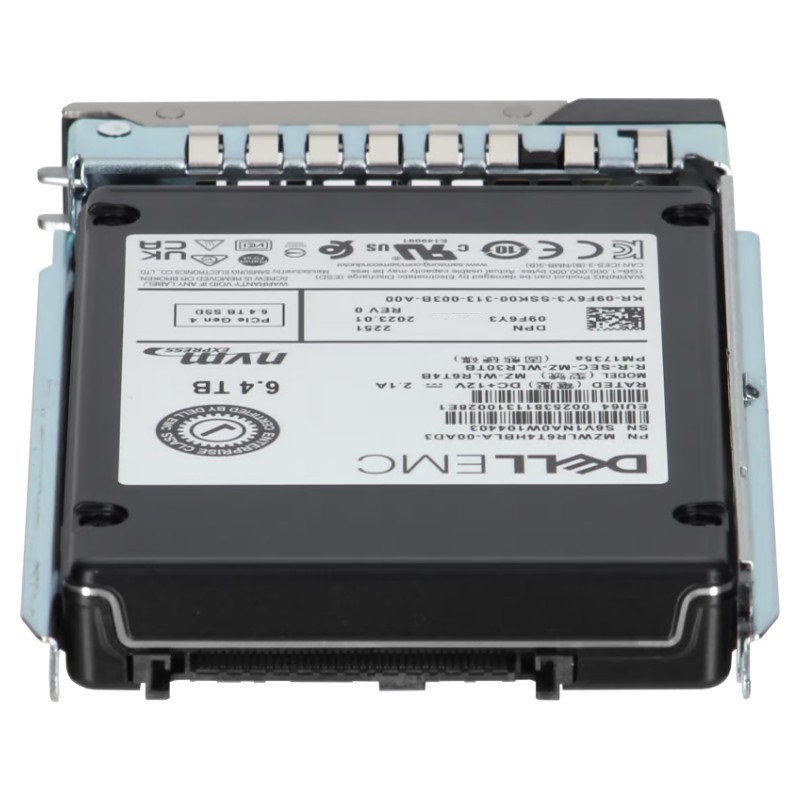
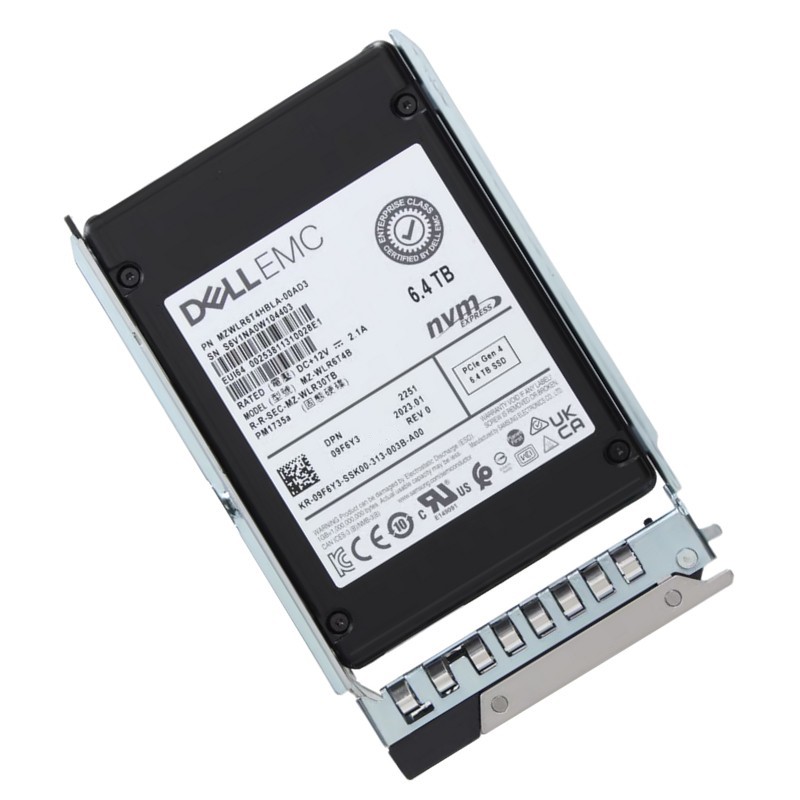
Dell 400-BKEY EMC 6.4TB PowerEdge PCI-E 4.0 X8 NVMe Flash Ent Mixed Use U.2 SFF Internal Solid State Drive. New Sealed in Box (NIB) with 1 Year Replacement Warranty
This high-performance internal solid-state drive is engineered for enterprise-grade applications, delivering exceptional reliability and speed for demanding data center environments.
This NVMe mixed-use drive is certified and guaranteed to function with a wide array of DELL PowerEdge server models, including but not limited to:
Designed For Modern Datacenter Demands, The 400-BKEY Dell EMC 6.4TB PowerEdge PCI-E 4.0 X8 NVMe Flash Enterprise Mixed Use U.2 SFF Internal Solid State Drive Represents A High-Performance Storage Option Built For Scale, Reliability, And Efficiency. This Category Captures A Class Of U.2 NVMe Drives Optimized For Mixed Read/Write Workloads—Ideal For Virtualization, Databases, High-Performance Computing, And Cloud-Native Applications Where Low Latency And High IOPS Are Critical.
Leveraging The PCIe 4.0 X8 Interface, This Drive Delivers Substantially Higher Bandwidth Than Previous Generations, Allowing Servers To Achieve Greater Throughput And Reduce I/O Bottlenecks. The NVMe Protocol Is Engineered For Parallelism And Low Overhead, Which Enables Faster Command Execution And Lower Latency When Paired With Modern Multi-Core Processors In PowerEdge Servers.
Offering 6.4TB Of Usable Capacity In A Small Form Factor, These Drives Balance Density And Endurance For Mixed Use Workloads. Mixed Use Classification Means The NAND And Controller Firmware Are Tuned To Support Both Read-Intensive And Write-Intensive Operations Over Sustained Periods, Providing A Middle Ground Between Read-Optimized And Write-Optimized Enterprise Drives.
Equipped With Advanced 3D NAND, Enterprise-Grade Flash Management, And An Enterprise-Class Controller, These Drives Incorporate Error Correction, Wear Leveling, And Dynamic Over-Provisioning To Maximize Lifespan And Performance Consistency. The Controller Firmware Often Includes Background Optimization Tasks Like Garbage Collection And Power-Loss Protection To Preserve Data Integrity Under Heavy Loads.
Engineered For Environments Where Many Small Random I/O Operations Happen Simultaneously, The 400-BKEY 6.4TB NVMe Drive Is Well Suited For Virtual Desktop Infrastructure (VDI) And Virtual Machine Hosting. High IOPS And Low Latencies Translate Directly Into Faster VM Boot Storm Handling, Reduced Login Times, And Improved End-User Experience.
When Used For Online Transaction Processing (OLTP), In-Memory Databases, Or Real-Time Analytics, These NVMe Drives Provide The Consistent Low-Latency Storage Layer Necessary To Maintain Predictable Query Response Times. The Mixed Use Endurance Profile Helps Support Frequent Write Operations While Delivering Sustained Throughput For Large Data Scans And Indexing Jobs.
High-Performance Computing Workflows And Content Distribution Systems Benefit From The Combination Of High Throughput And Low Latency That NVMe Drives Offer. Batch Processing, Metadata Lookups, And Large Sequential Read/Write Tasks See Notable Improvements When Backed By PCIe 4.0 NVMe Storage In PowerEdge Platforms.
The U.2 Small Form Factor (SFF) Design Provides A Hot-Swap Compatible, 2.5-Inch Footprint That Integrates Seamlessly With Dell PowerEdge Chassis And Industry Standard Enclosures. U.2 Offers The Mechanical Convenience Of Traditional SAS/SATA Drives While Delivering NVMe Speeds Over PCIe, Which Facilitates Easier Upgrades For Data Centers Transitioning From Legacy Disk-Based Storage To NVMe Architectures.
Certified Compatibility With Dell EMC PowerEdge Servers Ensures That Firmware Interactions, Monitoring, And Support Are Tuned For Optimal Operation. Compatibility With NVMe-Capable HBAs And Controllers Enables Full Performance, While Dell Tools Such As OpenManage And Native SMART Telemetry Provide Health Monitoring, Event Logging, And Firmware Update Paths.
Designed For Enterprise Serviceability, U.2 Drives Are Typically Deployed In Hot-Swap Bays That Allow Rapid Replacement Without Server Shutdown. This Minimizes Downtime During Maintenance Or Fault Recovery And Simplifies Field Replaceable Unit (FRU) Procedures For Data Center Operators.
Enterprise NVMe Drives Are Specified With Terabytes Written (TBW) Or Drive Writes Per Day (DWPD) Ratings That Quantify Expected Endurance Over The Warranty Period. Mixed Use Drives Offer A Balanced TBW That Supports Regular Write Activity Without Sacrificing Read Performance. Dell OEM Variants Typically Include Enterprise-Class Warranties And Support Options That Match Datacenter SLAs.
Integrated Power Loss Protection (PLP) Mechanisms Use On-Drive Capacitors And Firmware Safeguards To Commit In-Flight Data To Nonvolatile Storage During Sudden Power Events. This Feature Is Critical For Enterprise Applications Where Partial Writes Or Metadata Corruption Could Lead To Service Disruptions Or Data Loss.
High-Capacity NVMe Drives Generate Heat Under Sustained Workloads; Therefore, Effective Thermal Management Is Essential In Dense Server Racks. PowerEdge Servers Offer Crafted Airflow Paths And Drive-Level Heatsinks To Maintain Drive Temperatures Within Manufacturer-Specified Ranges, Which Preserves Performance Consistency And Extends Component Life.
Modern Enterprise NVMe Drives Are Tuned To Deliver High Performance Per Watt, Which Reduces Operational Energy Costs Over Time. When Replacing Larger, Power-Hungry Legacy Storage Tiers With High-Density NVMe Drives, Organizations Can Realize Reduced Cooling Requirements And Lower Total Cost Of Ownership (TCO).
Many Enterprise NVMe Drives Offer On-Drive Hardware Encryption That Meets Trusted Computing Group (TCG) Standards, Enabling At-Rest Data Protection Without Significant Performance Penalty. Hardware Encryption Simplifies Compliance With Industry Regulations By Ensuring That Sensitive Data Is Encrypted Even If The Drive Is Removed From The Server.
As Security Threats Evolve, Verified Firmware Signing, Secure Boot Compatibility, And Supply Chain Traceability Become Important Features. Dell OEM Drives Often Ship With Vendor-Verified Firmware Images And Update Mechanisms That Reduce The Risk Of Tampered Code Entering Production Systems.
Enterprise Storage Products Frequently Comply With Industry Standards For Electromagnetic Emissions, Safety, And Environmental Regulations. Drives Targeted At Government Or Regulated Industries May Also Meet Additional Certifications Or Support Features That Facilitate Deployment In Compliance-Constrained Environments.
Enterprise IT Teams Should Plan Refresh Cycles Based On Workload Growth, Endurance Consumption, And Warranty Windows. Proper Capacity Planning Includes Accounting For Over-Provisioning, RAID Overhead, And Growth Reserves To Avoid Performance Degradation As Drives Fill And Wear Levels Increase.
For Workloads Requiring Ultra-Low Latency And Local Data Residency, Deploying 400-BKEY 6.4TB NVMe Drives Directly In PowerEdge Servers Delivers The Best Single-Node Performance. Local NVMe Storage Is Ideal For Caching Layers, High-Speed Scratch Space, And Latency-Sensitive Databases.
Emerging Architectures Use NVMe Over Fabrics (NVMe-oF) To Expose Remote NVMe Storage Across Networks With Minimal Latency Penalty. While The 400-BKEY U.2 Drives Are Primarily Designed For Internal Server Use, They Can Form The Storage Backing For Shared NVMe Arrays When Paired With Appropriate Controllers Or Fabric Gateways.
Combining High-Capacity NVMe Drives With Slower Capacity Tiers Allows Organizations To Balance Cost And Performance. These Drives Often Serve As The Performance Tier Or Cache In Multi-Tier Architectures, Absorbing Hot Workloads While Lower-Cost HDDs Or SATA SSDs Provide Bulk Storage.
Ensuring Full Performance Requires Up-To-Date BIOS Settings, NVMe Drivers, And Host Bus Adapter (HBA) Firmware On PowerEdge Platforms. IT Administrators Should Validate Boot Paths, Device Enumeration, And Error Reporting Mechanisms During Installation To Prevent Misconfiguration And Suboptimal Performance.
When Used In RAID Arrays, NVMe Drives Require Controllers Or Software That Support NVMe Device Characteristics. Modern Software-Defined Storage Solutions Are NVMe-Aware And Can Leverage The High IOPS And Low Latency Of These Drives To Deliver Scalable Performance Pools Backed By Redundancy And Snapshot Capabilities.
Performance Validation Tests Such As FIO, Vdbench, And Customized Benchmarks Provide Predictive Insights Into How Drives Will Behave Under Targeted Workloads. Validation Should Include Sustained Writes, Mixed Read/Write Ratios, And Power/Temperature Stress Tests To Ensure Stable Behavior Over Time.
Mixed Use Drives Offer A Balanced Trade-Off Between High-Endurance Write-Optimized Drives And Lower-Endurance Read-Optimized Parts. For Organizations With Diverse Workload Profiles—Intermixing Transactional Writes With High-Throughput Reads—A Mixed Use Drive Provides Cost-Effective Performance And Reliable Longevity.
While High-Capacity NVMe Drives Represent A Higher Upfront Cost Than HDDs Or SATA SSDs, Their Performance Benefits Can Reduce Application Latency, Shrink Server Count, And Lower Software License Footprints Tied To Node Count. A Holistic TCO Analysis Should Factor Power Efficiency, Cooling, Management Overhead, And Expected Performance Gains.
Transitioning From Legacy Disk-Oriented Tiers To NVMe-Based Storage Requires Planning For Power, Cooling, And I/O Topology Changes. The U.2 Form Factor Makes These Migrations Smoother By Retaining Familiar Chassis Mounting And Hot-Swap Behavior While Delivering NVMe Performance Gains.
Robust Replication And Backup Strategies Are Vital When Migrating Mission-Critical Workloads. Replication Tools Should Be Capable Of Handling The I/O Characteristics Of NVMe Storage To Avoid Replication Lag And Ensure Recovery Objectives Are Met.
Before Purchasing, Verify The Drive’s Endurance Rating (TBW Or DWPD), Sustained Throughput, Random Read/Write IOPS, Power Consumption Under Load, Supported Temperature Operating Ranges, And Firmware Update Policies. Ensure That The Drive’s Interface And Physical Dimensions Match The Intended PowerEdge Model.
Procure Through Authorized Channels To Guarantee Warranty Coverage And Avoid Counterfeit Components. Authorized Vendors Provide Traceability, Firmware Support, And RMA Mechanisms That Are Critical For Enterprise Deployments.
Maintaining A Small Inventory Of Compatible Spare Drives Reduces Mean Time To Repair (MTTR) Following Device Failures. Coordinate RMA Processes With Dell Support To Understand Replacement SLAs And Avoid Extended Downtime.
As NVMe-over-Fabrics Gains Traction, Storage Architectures Will Shift Toward Disaggregation Where High-Performance NVMe Pools Can Be Shared Across Compute Nodes. The 400-BKEY Drive Class Is Well Positioned To Serve As The Backing Media For These Shared Pools, Providing Low-Latency Access At Scale.
Ongoing Improvements In 3D NAND Density, Error Correction, And Controller Intelligence Continue To Raise Capacity And Endurance While Lowering Cost Per Gigabyte. Future Generations Will Offer Higher Capacities In The Same U.2 Footprint And More Sophisticated Telemetry For Predictive Maintenance.


 Contact Us
 Information
 Catalog
 Solid State Drives (SSD)
 Network Switches
 Hard Disk Drives
 HBA & Controllers
 PC & Servers
 PC & Server Memory
 CPU & Processors
 Network Routers
 Power Supplies
 Tape Drives & Libraries
 Network Devices
 Computer & Network Cables