(7% discount is applied at checkout)
Cart is empty
Your go-to destination for cutting-edge server products
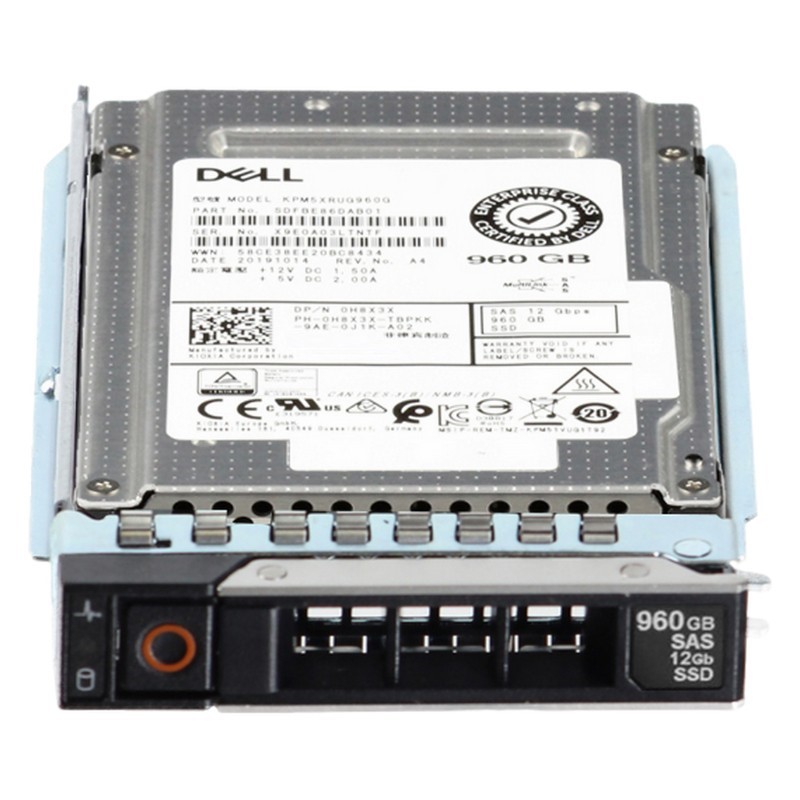


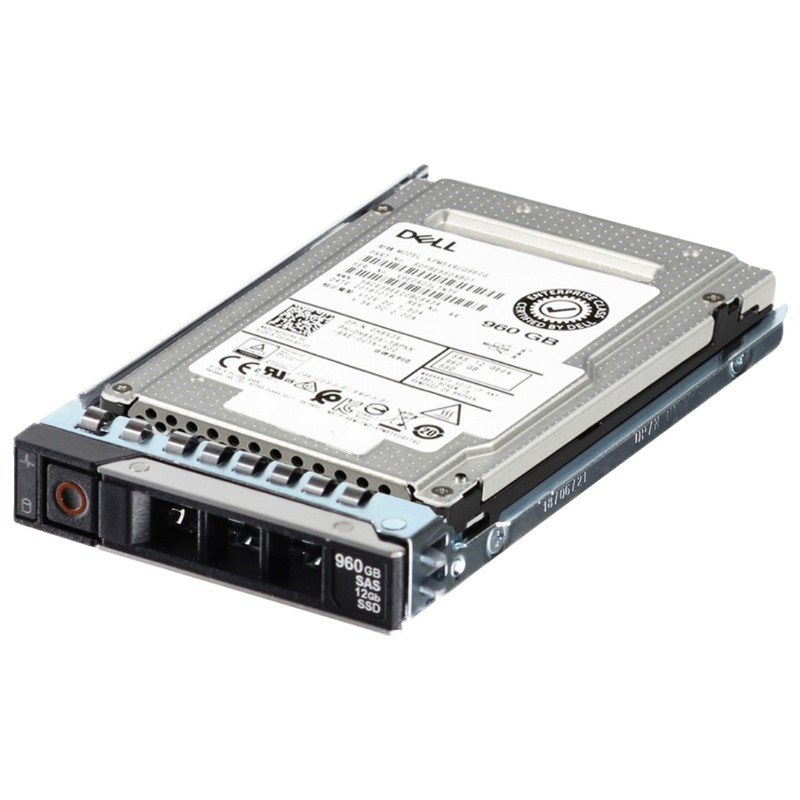
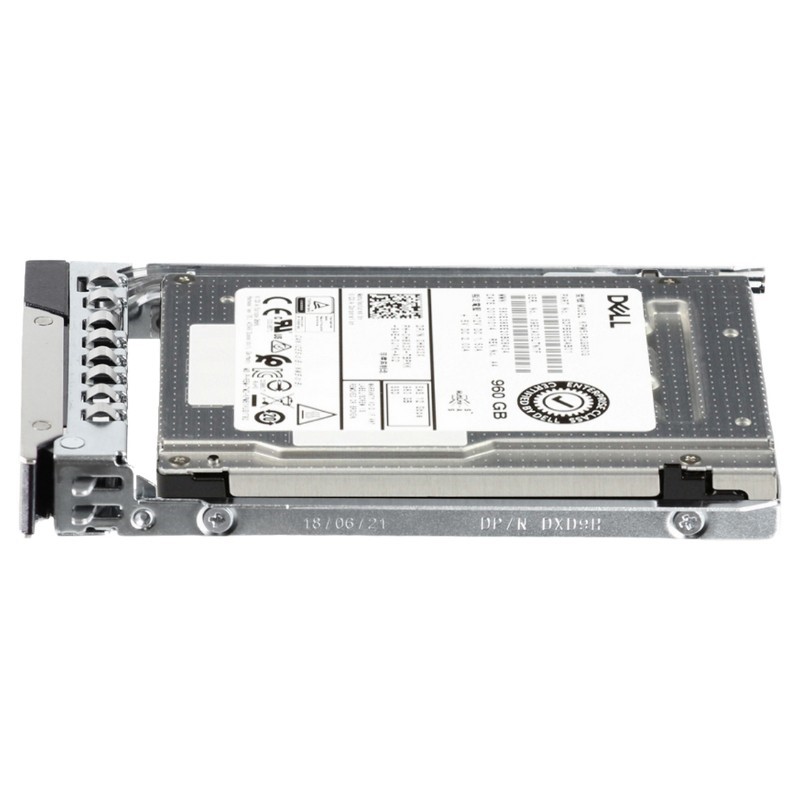
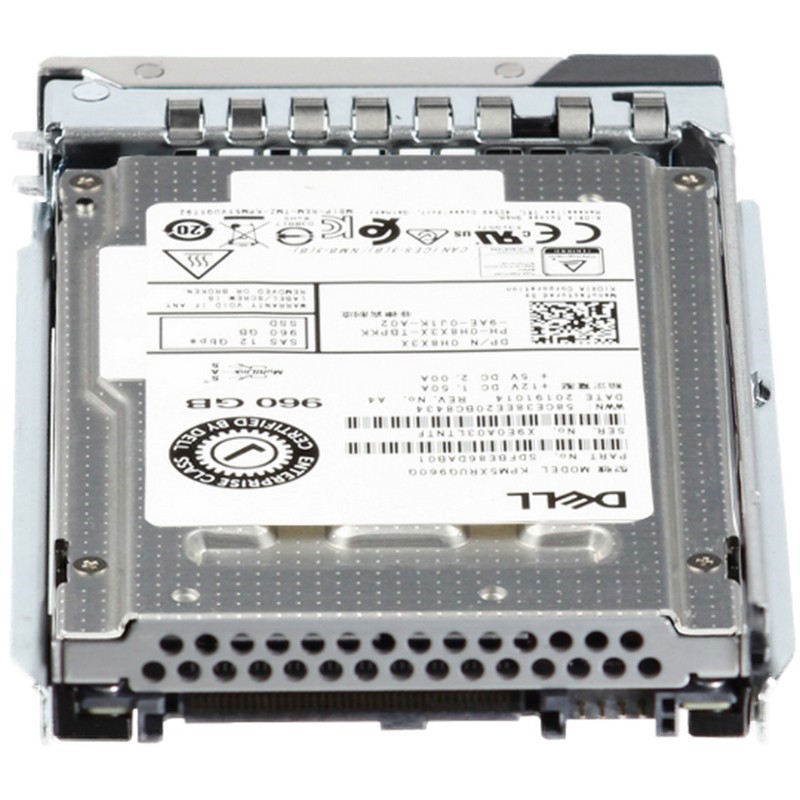
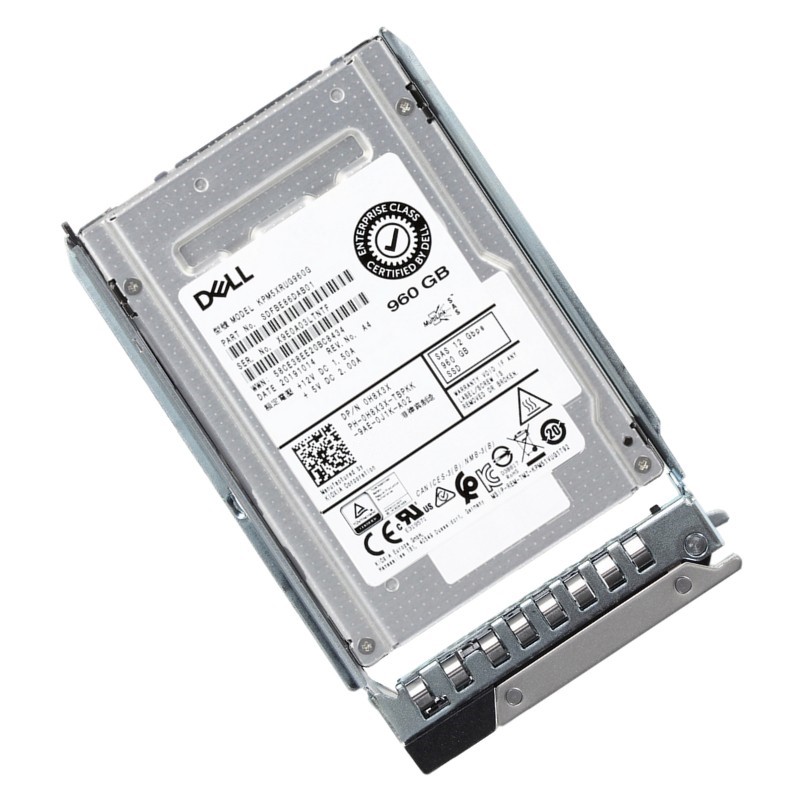
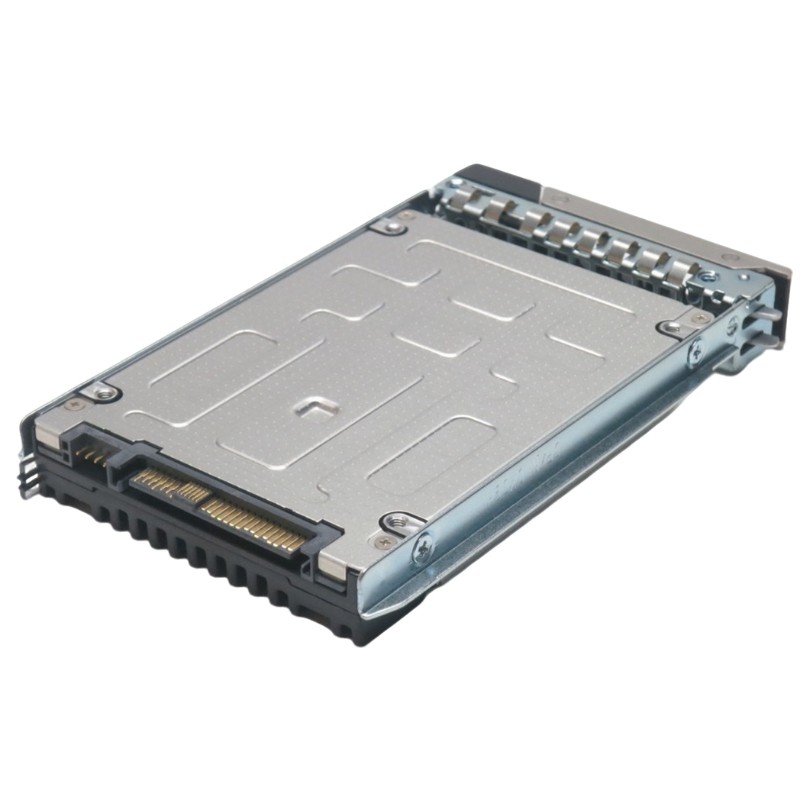
Dell 400-BFRY 960GB SAS 12GBPS Mixed Use Endurance 3DWPD TLC SFF Hot Plug Solid State Drive. New Sealed in Box (NIB) with 1-Year Replacement Warranty
Engineered for enterprise-grade PowerEdge servers, this 960GB Dell SAS SSD delivers exceptional speed and unwavering reliability for demanding data center workloads.
Experience rapid data access and transfer rates that minimize latency and boost overall system efficiency.
Designed For Demanding Enterprise Workloads, The 400-BFRY Dell 960GB SAS 12Gbps Mixed Use Endurance 3DWPD TLC SFF Hot Plug Solid State Drive Represents A Purpose-Built Storage Solution That Balances Performance, Durability, And Cost Efficiency. This Category Focuses On High-Performance SFF Enterprise SSDs Designed For Mixed Read/Write Environments Common In Virtualized Servers, Database Systems, And Transactional Applications.
Built To Deliver Consistent Throughput And Low Latency, Drives In This Category Operate Over The 12Gbps SAS Interface, Providing Reliable Connectivity With A Wide Range Of Dell PowerEdge And Other Enterprise-Class Servers. The 400-BFRY 960GB Capacity Point Is Optimized For Density And Cost Per Gigabyte, Offering An Attractive Mid-Tier Option For Organizations Seeking To Consolidate Storage Footprints Without Sacrificing Performance.
With A Focus On Mixed Use Endurance, These Drives Are Engineered To Sustain A Specified Drive Writes Per Day (3DWPD), Ensuring That Random Write-Intensive Workloads Maintain Drive Health And Predictable Performance Over Time. Typical Performance Benefits Include High IOPS For Small Random Reads And Writes, Strong Sequential Throughput For Bulk Data Transfers, And Sub-Millisecond Latency Under Normal Operating Conditions.
Designed With Enterprise Controllers And Advanced Firmware, Drives In This Family Employ Intelligent Write Buffering, Wear-Leveling, And Background Garbage Collection To Preserve Performance Consistency Under Sustained Write Loads. Predictable Performance Is Critical For Virtual Machines, Databases, And Latency-Sensitive Applications Where Variable Response Times Can Degrade User Experience.
Three Drive Writes Per Day (3DWPD) Endurance Is A Balanced Metric That Signals These SSDs Are Suited For Environments With Regular Writes Without The Premium Expense Of Heavily Endurance-Focused Parts. Combined With Triple-Level Cell (TLC) 3D NAND, The Drives Use Code And Firmware Techniques To Maximize NAND Longevity, While Enterprise-Grade Error Correction And Power Loss Protection Help Preserve Data Integrity.
Enterprise Reliability Features Typically Include End-to-End Data Path Protection, Enhanced Error Correction Algorithms, And Capacitor-Backed Power Loss Protection Mechanisms That Ensure In-Flight Data Is Safely Committed To NAND. These Safeguards Reduce Risk During Unexpected Power Events And Support Higher Mean Time Between Failures (MTBF) Metrics.
The Small Form Factor (SFF) 2.5-Inch Mechanical Design Enables High-Density Deployments In Rack Servers And Storage Arrays. The Hot Plug Capability Allows System Administrators To Replace Drives Without Shutting Down Systems, Facilitating Maintenance And Reducing Service Window Durations.
Compared To SATA-Based Alternatives, The 12Gbps SAS Interface Offers Improved Multilane Reliability, Full-Duplex Communication In Some Configurations, And Better Compatibility With Enterprise-Class Controllers. SAS Also Supports Advanced Management Features Such As Zoning And Dual-Porting On Some Drives, Enhancing Redundancy And Pathing For Mission-Critical Systems.
SFF Drives Are Ideal For High-Density Chassis Where Rack Space Is A Premium. The 2.5-Inch SFF Form Factor Allows System Designers To Fit More Storage Devices Per Chassis While Retaining The Mechanical Robustness And Airflow Characteristics Required By Enterprise Servers.
Hot Plug Functionality Simplifies Service And Replacement Procedures, Allowing Drives To Be Swapped With Minimal Impact On Live Systems. This Feature Reduces Planned Downtime, Helps Maintain Service Level Agreements, And Makes Routine Hardware Upgrades Less Disruptive.
Drives In This Category Are Ideal For Mixed Workload Environments That Combine Read-Intensive And Write-Moderate Tasks. Typical Deployments Include Virtualized Infrastructure Hosting Multiple Virtual Machines, Database Servers That Require Consistent Transactional Performance, And Tiered Storage Where Midline Performance And Durability Deliver The Best Value.
For Virtual Environments That Consolidate Many VMs Onto A Single Host, Low Latency And Predictable IOPS Provide A Smoother End-User Experience. The 400-BFRY 960GB Capacity Supports Multiple VM Images, And The Mixed Use Endurance Rating Aligns With The Varied Write Profiles Seen In Consolidated Systems.
Relational Databases And Transaction Processing Systems Benefit From The Drive’s Ability To Handle Small Random Writes Efficiently. Although Not Positioned As Highest-Endurance Options, Mixed Use Drives Strike A Balance That Supports Moderate Transaction Rates While Keeping Ownership Costs Lower Than Highest-Endurance Alternatives.
Organizations May Deploy These SSDs As A Fast Tier Or Cache Layer In A Hybrid Storage Architecture. By Accelerating Read-Heavy Or Random Access Hotspots, The SSD Tier Reduces Latency For Critical Operations While Allowing Lower-Cost HDD Tiers To Handle Bulk Capacity Needs.
Application Servers That Deliver Dynamic Content Or Host Performance-Sensitive Services See Tangible Gains From Low-Latency SSDs. The Drive’s Balance Of Capacity And Speed Makes It Suitable For Use As A Primary Data Store For Medium-Demand Services Or As A Local Cache For Distributed Systems.
Successful Use Of These Drives Requires Thoughtful Integration With Existing Storage Architectures, Careful Monitoring Of Health And Wear, And Proper Firmware And Driver Maintenance. Administrators Should Consider RAID Configuration Strategies, I/O Tuning Parameters, And Capacity Planning To Maximize Both Performance And Drive Longevity.
When Using SSDs In RAID Configurations, It Is Important To Choose RAID Levels That Optimize For Both Performance And Fault Tolerance. RAID 10 Often Delivers Best Mixed Workload Performance While Providing Mirroring For Data Protection. Administrators Must Also Account For Rebuild Times And The Impact Of Rebuilds On Remaining Drives During A Failure Event.
Proper Airflow And Thermal Management Are Essential For Maintaining Performance And Avoiding Throttling. These SSDs Are Designed To Operate Within Defined Temperature Ranges; Exceeding Those Ranges Can Trigger Thermal Throttling Or Reduce NAND Endurance. Power Budgeting, Especially In Dense Chassis, Ensures Reliable Operation During Peak Loads.
Confirming Compatibility With Server Models And RAID Controllers Is Crucial. Firmware Versions Impact Performance Characteristics, Interoperability, And Reliability. Working With Official Firmware Releases From The Manufacturer Or Verified Vendor Builds Minimizes Unexpected Behavior And Helps Preserve Support Coverage.
Modern Enterprise SSDs Frequently Incorporate Security Features That Aid In Regulatory Compliance And Protect Against Unauthorized Data Access. These Capabilities May Include Encryption, Secure Erase Commands, And Firmware-Level Protections To Resist Tampering.
Self-Encrypting Drive (SED) Capabilities Provide Transparent Encryption Of Stored Data Using Hardware-Based Keys. For Organizations Subject To Data Protection Regulations, Hardware Encryption Simplifies Compliance By Ensuring Data At Rest Is Protected If Drives Are Removed From The Premises.
Secure Erase Functions Allow Drives To Be Sanitized In Accordance With Organizational Policies Before Redeployment Or Disposal. Proper Decommissioning Procedures Reduce The Risk Of Data Leakage And Support Compliance With Data Privacy Standards.
Some Enterprise Drives Include Protections To Prevent Unauthorized Firmware Modifications, Ensuring The Drive Operates With Firmware That Matches Vendor-Signed Releases. These Protections Help Organizations Maintain A Secure Supply Chain And Reduce The Attack Surface Associated With Storage Devices.
Higher Capacity Drives Often Provide Better Cost Per Gigabyte But May Offer Varying Endurance Characteristics. The 400-BFRY 960GB Capacity Represents A Practical Midpoint That Balances Density With Sufficient Endurance For Many Enterprise Workloads.
SSD-Based Storage Reduces Latency And Improves Application Efficiency, Potentially Reducing The Number Of Servers Required For A Given Workload. Reduced Power Consumption And Cooling Requirements Compared To Spinning Media In Highly Active Environments Also Contribute To Long-Term Savings.
When Evaluating This Category Against Alternatives, It Is Important To Compare Against Higher-Endurance SSDs, SATA-Based SSDs, And NVMe Solutions. Each Option Has Tradeoffs In Latency, Throughput, Price, And Compatibility.
NVMe Drives Offer Lower Latency And Higher Parallelism Through PCIe, Making Them Ideal For Ultra-Low Latency Applications. However, SAS Drives Maintain Broad Controller Compatibility And Often Provide A Cost-Effective Path For Many Existing Enterprise Deployments. The Choice Between NVMe And SAS Should Consider Existing Infrastructure, Required Throughput, And Budget.
SATA SSDs Are Frequently Less Expensive But May Lack Some Enterprise Features Present In SAS Drives, Such As Dual-Porting, Advanced Error Reporting, Or The Same Level Of Management Telemetry. For High-Availability And Manageability Scenarios, SAS Remains A Preferred Interface.
For Write-Intensive Applications Such As High-Frequency Transactional Systems Or Heavy Logging Pipelines, Higher-Endurance SSDs Rated For Greater DWPD May Be Required. The 3DWPD Rating Of This Category Strikes A Balance; Organizations With Exceptional Write Loads Should Evaluate Higher-Endurance Alternatives.
Enterprises Should Procure From Trusted Suppliers To Avoid Counterfeit Or Refurbished Products Sold As New. Authorized Distribution Channels Also Provide Access To Verified Firmware Updates, Compatibility Guides, And Device-Specific Documentation.
Maintaining A Pool Of Spares And A Defined Lifecycle Replacement Plan Minimizes Downtime When Drives Fail. Periodic Refresh Cycles Based On Power-On Hours Or Write Consumption Can Help Keep Storage Subsystems Within Supported Performance And Reliability Parameters.
Using Representative I/O Patterns For Virtual Machines, Transactional Databases, Or File Servers Ensures That Observed Performance Maps To Real-World Usage. Synthetic Benchmarks Are Useful For Comparative Measurements, But Realistic Load Tests Provide The Most Accurate Picture Of Production Behavior.
Long-Duration Stress Tests Reveal How Drives Handle Sustained Writes And Background Maintenance Tasks Like Garbage Collection. These Tests Also Surface Thermal Behavior And The Effectiveness Of Wear-Leveling Algorithms Over Time.
Benchmark Figures Should Be Reviewed In Context. Peak IOPS Numbers Often Represent Short Bursts Under Ideal Conditions, Whereas Steady-State Performance Under Mixed Loads Is More Indicative Of Everyday Application Performance. Planning Should Account For Both Burst And Sustained Behavior.
SSDs Generally Offer Lower Power Consumption Per I/O Compared To Spinning Media, Contributing To Reduced Data Center Energy Use. When Decommissioning Drives, Organizations Should Follow Environmental Compliance And Data Sanitization Protocols.
Because SSDs Produce Less Mechanical Heat Than HDDs At Similar Activity Levels, They Can Contribute To Reduced Cooling Loads. Proper Rack Design And Airflow Management Further Optimize Energy Efficiency.
End-Of-Life Drives Should Be Processed Through Certified E-Waste Channels. Secure Data Sanitization Prior To Disposal Or Recycling Ensures Compliance With Privacy Regulations And Reduces Risk Of Data Exposure.


 Contact Us
 Information
 Catalog
 Solid State Drives (SSD)
 Network Switches
 Hard Disk Drives
 HBA & Controllers
 PC & Servers
 PC & Server Memory
 CPU & Processors
 Network Routers
 Power Supplies
 Tape Drives & Libraries
 Network Devices
 Computer & Network Cables