(7% discount is applied at checkout)
Cart is empty
Your go-to destination for cutting-edge server products
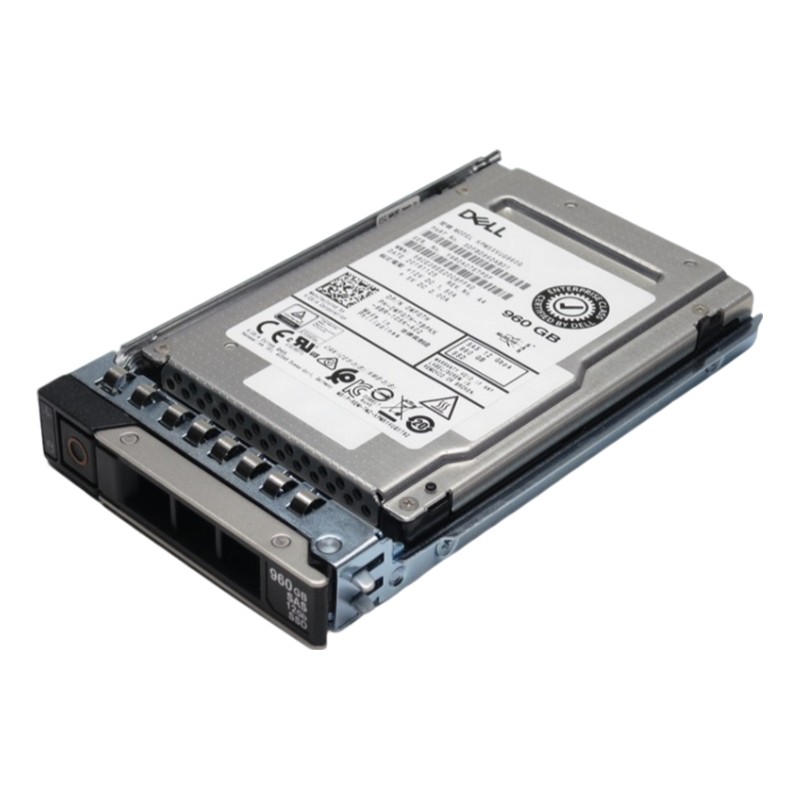


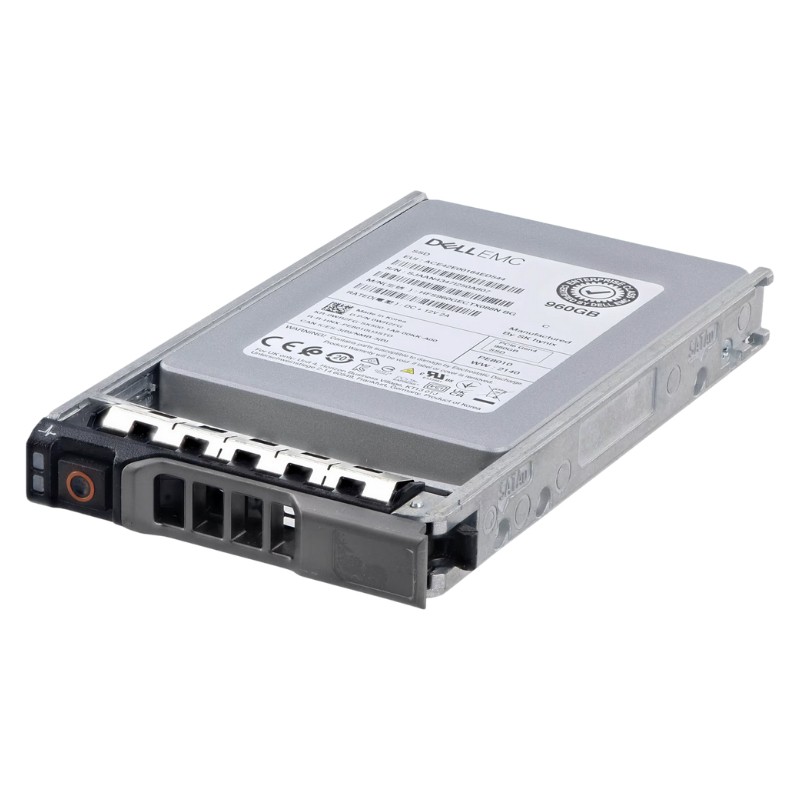
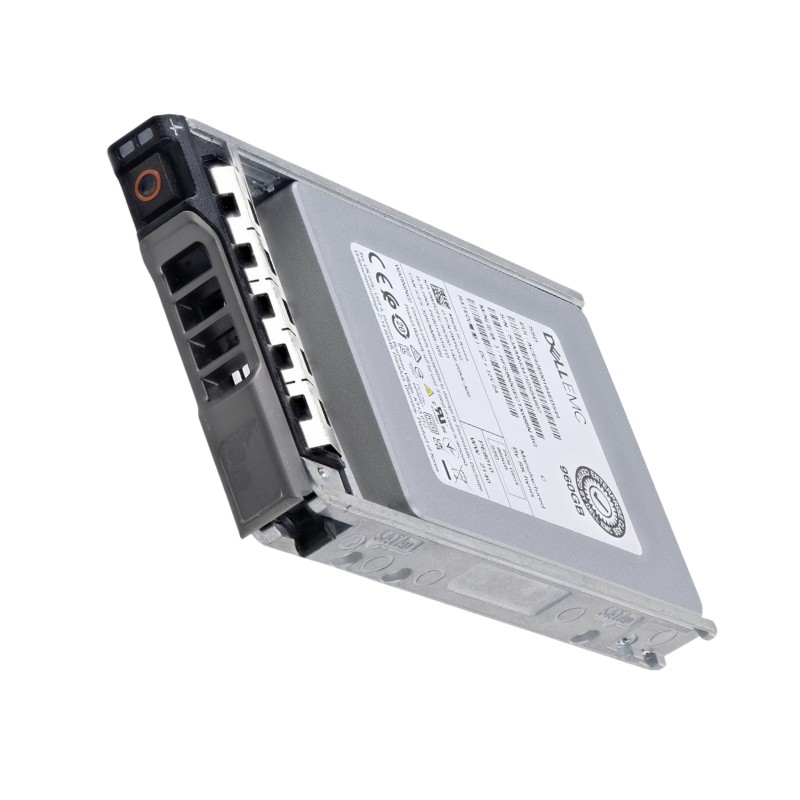
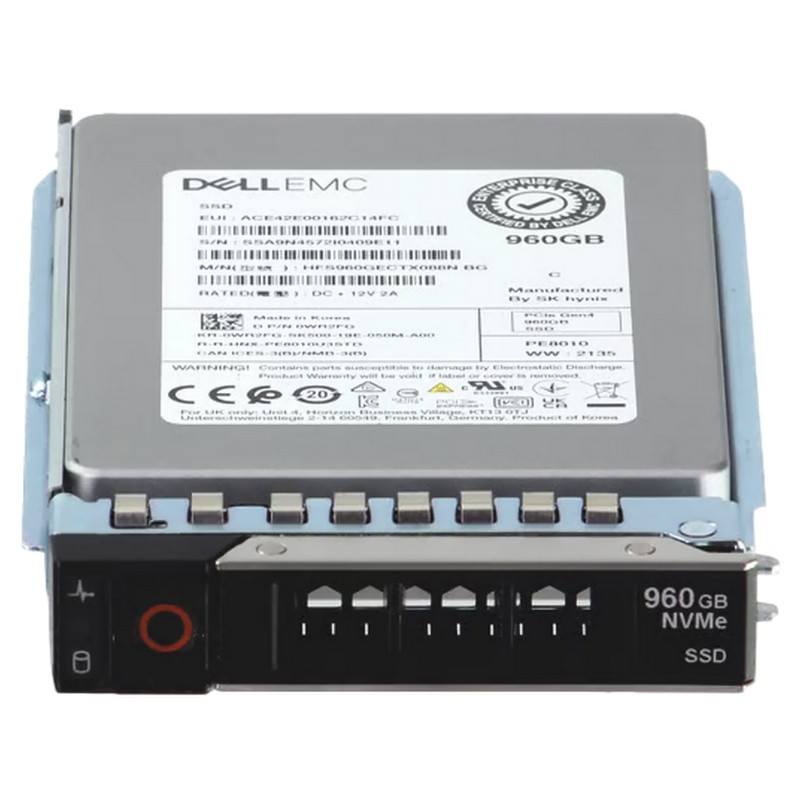
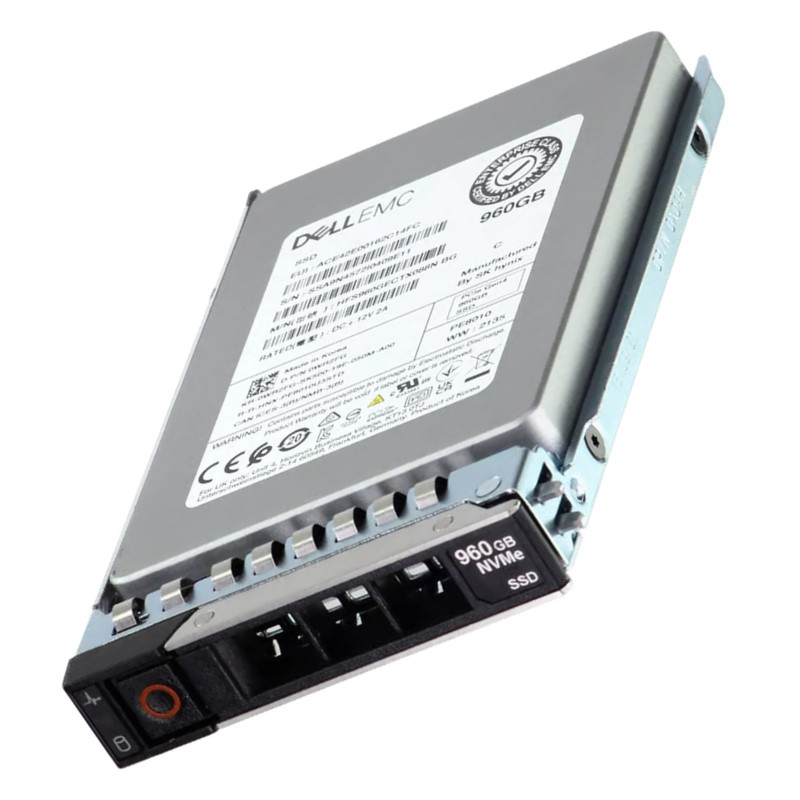
Dell YNGYD 960GB Data Center PCI-E Gen4 NVME Read Intensive TLC U.2 2.5in Solid State Drive. New Sealed with 1 year replacement warranty
| SKU/MPN | Warranty | Price | Condition | You save |
|---|---|---|---|---|
| YNGYD | 1 Year Warranty | $378.00 | Excellent Refurbished | You save: $132.30 (26%) |
| YNGYD | 1 Year Warranty | $475.00 | New Sealed in Box (NIB) | You save: $166.25 (26%) |
Built for data center efficiency, the DELL 960GB solid-state drive combines high-speed PCIe Gen4 ×4 performance with a compact 2.5-inch U.2 form factor. Engineered for read-intensive workloads, this enterprise-class SSD is compatible with Dell’s 14G through 17G PowerEdge server families.
This SSD is validated for seamless integration across a wide range of Dell PowerEdge systems:
The Dell YNGYD 960GB Data Center PCIe Gen4 NVMe Read Intensive TLC U.2 2.5-inch Solid State Drive is a high-performance storage device designed for enterprise workloads that demand consistent read performance, efficiency, and reliability. Engineered with PCIe Gen4 technology and TLC NAND architecture, this drive delivers superior read speeds while maintaining low latency, making it an excellent choice for applications like database querying, virtual machine hosting, online transaction processing, and other data center operations.
The U.2 2.5-inch form factor allows the Dell YNGYD SSD to be easily integrated into enterprise server and storage environments. Its hot-pluggable design supports quick installation and replacement without downtime, ensuring seamless data center operations. The 2.5-inch U.2 format is widely used in high-density server racks, enabling scalability across various infrastructures.
Leveraging PCIe Gen4 NVMe connectivity, the Dell YNGYD 960GB SSD doubles the bandwidth compared to PCIe Gen3, enabling significantly faster data transfers and reduced I/O bottlenecks. NVMe protocols are optimized for flash memory, eliminating legacy limitations of SATA and SAS. As a result, enterprise systems benefit from improved efficiency, accelerated workloads, and real-time responsiveness across applications.
This SSD is classified as read-intensive, making it ideal for environments where the majority of workloads involve accessing data rather than constantly rewriting it. Examples include content delivery networks (CDNs), enterprise search, streaming platforms, and analytics systems where high-speed data retrieval is critical.
The Dell YNGYD delivers impressive sequential read performance, ensuring quick access to large files and databases. Random read IOPS are optimized for multi-threaded operations, supporting scenarios such as running multiple VMs, containerized workloads, or cloud-based services simultaneously. While write speeds are sufficient for most enterprise tasks, they are tuned for environments with predominantly read-heavy requirements.
The Dell YNGYD SSD is built with TLC (Triple-Level Cell) NAND flash memory, striking a balance between cost-effectiveness, performance, and endurance. TLC NAND allows higher storage density, enabling enterprise organizations to achieve greater capacity per drive while keeping power consumption low. For read-intensive workloads, TLC is ideal due to its excellent endurance profile and sustained reliability.
Although TLC NAND typically supports fewer program/erase cycles compared to SLC or MLC, Dell’s firmware optimization, advanced error correction, and wear-leveling algorithms extend the lifespan of the YNGYD SSD. This ensures that the drive maintains consistent performance and reliability, even in demanding enterprise environments.
Databases often require high-speed read access for queries, reporting, and analytics. The Dell YNGYD’s read-intensive design makes it well-suited for Oracle, SQL, NoSQL, and other database platforms where fast retrieval of structured and unstructured data is essential.
In virtualized infrastructures, storage performance can become a bottleneck. By deploying the YNGYD SSD, data centers can improve VM density, reduce latency, and deliver a smoother experience for end-users. This also benefits cloud-native applications that require fast scaling and rapid response times.
For industries delivering multimedia or application content to end-users, consistent read performance is crucial. The Dell YNGYD SSD enables faster content retrieval, ensuring seamless streaming, reduced buffering, and higher user satisfaction.
The Dell YNGYD SSD incorporates advanced error correction code (ECC) and power-loss protection, ensuring that data remains intact even in the event of unexpected outages. Its durability profile allows enterprises to rely on consistent operation in mission-critical environments.
With efficient heat dissipation and thermal throttling mechanisms, the YNGYD maintains peak performance without overheating. This is essential for high-density server environments where multiple drives operate in close proximity.
The Dell YNGYD SSD can be deployed across large-scale server clusters, ensuring consistent performance across all nodes. Its U.2 compatibility makes it a seamless fit for high-density data center environments where scalability and ease of deployment are critical.
With PCIe Gen4 technology, the YNGYD is future-ready, ensuring compatibility with next-generation platforms and extending the value of enterprise investments. Organizations adopting Gen4-enabled servers can maximize throughput and stay ahead of evolving workload demands.


 Contact Us
 Information
 Catalog
 Solid State Drives (SSD)
 Network Switches
 Hard Disk Drives
 HBA & Controllers
 PC & Servers
 PC & Server Memory
 CPU & Processors
 Network Routers
 Power Supplies
 Tape Drives & Libraries
 Network Devices
 Computer & Network Cables