(7% discount is applied at checkout)
Cart is empty
Your go-to destination for cutting-edge server products
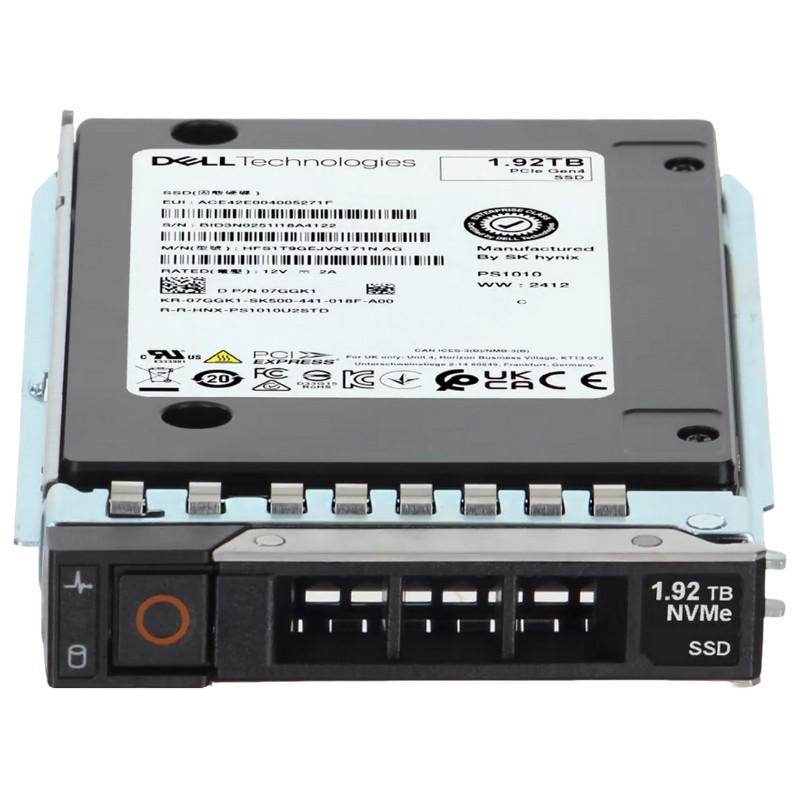


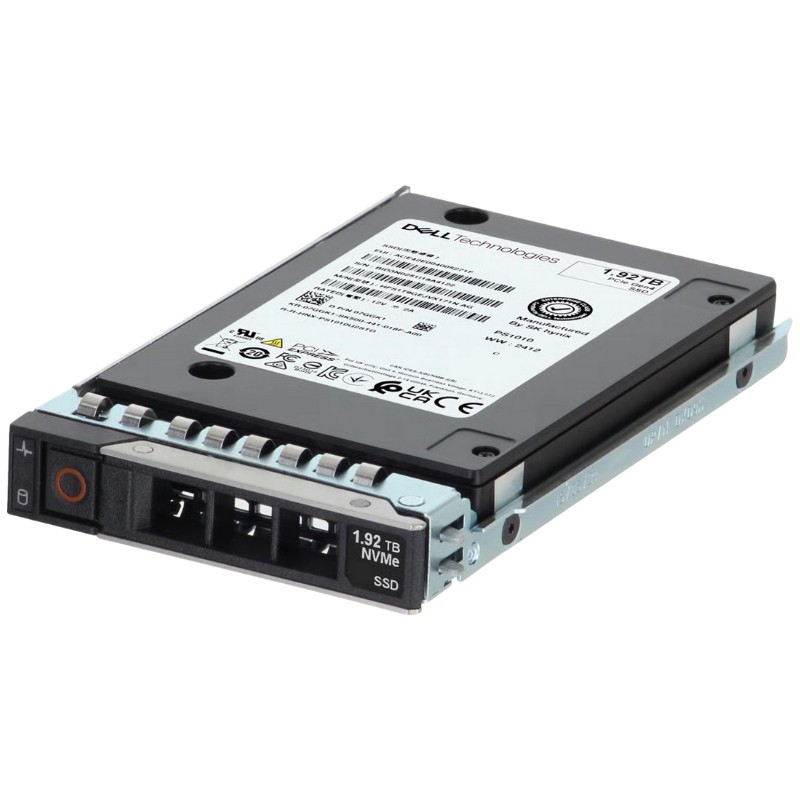
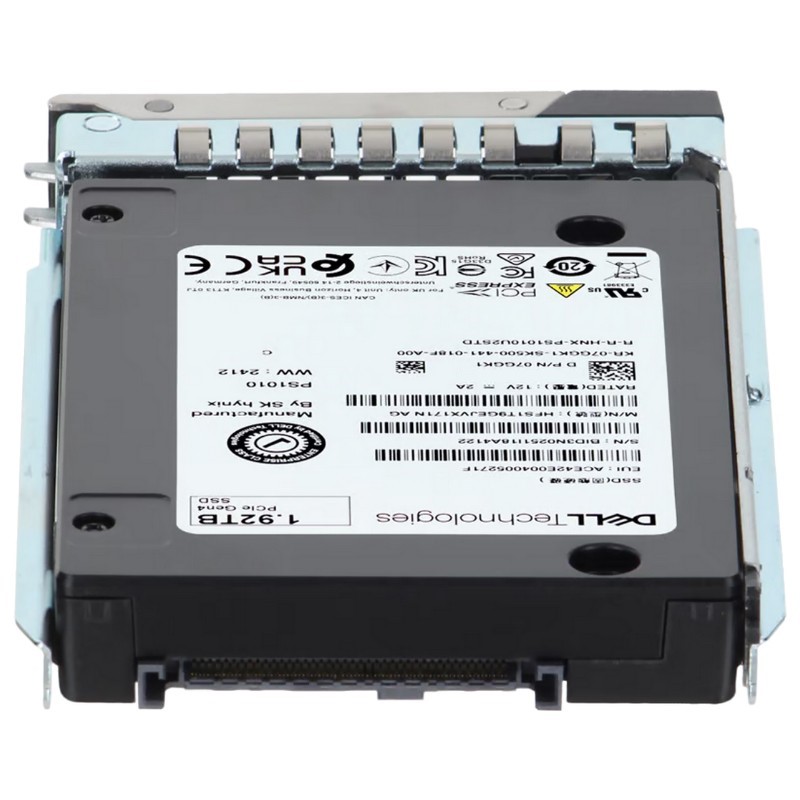
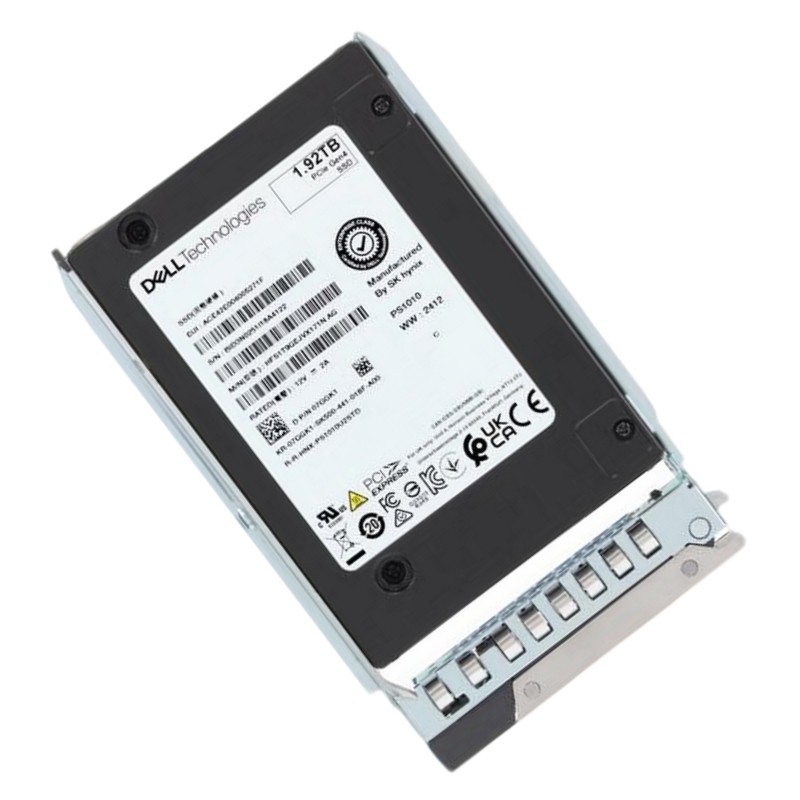
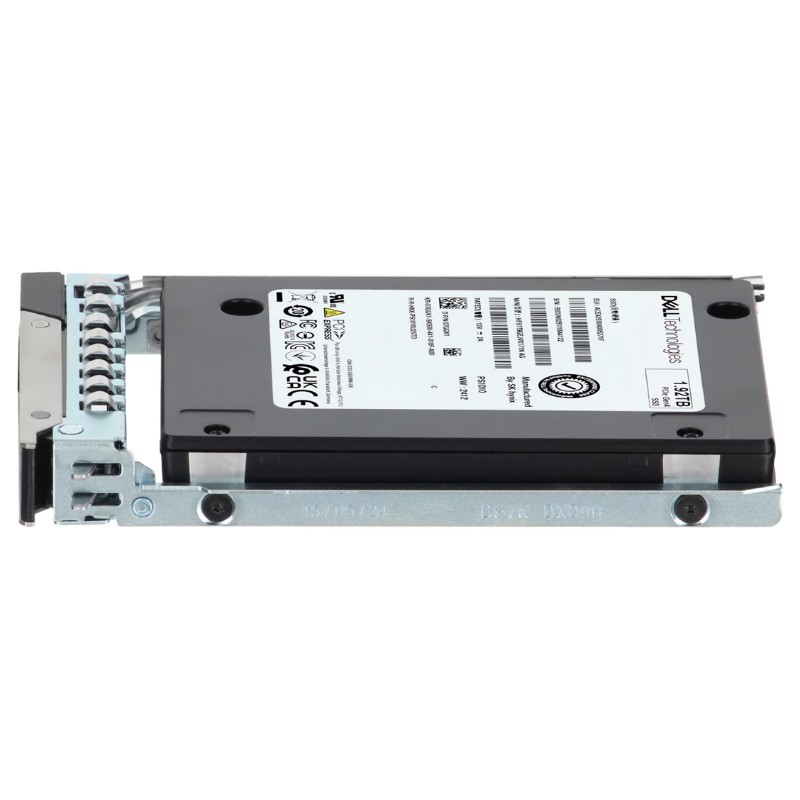
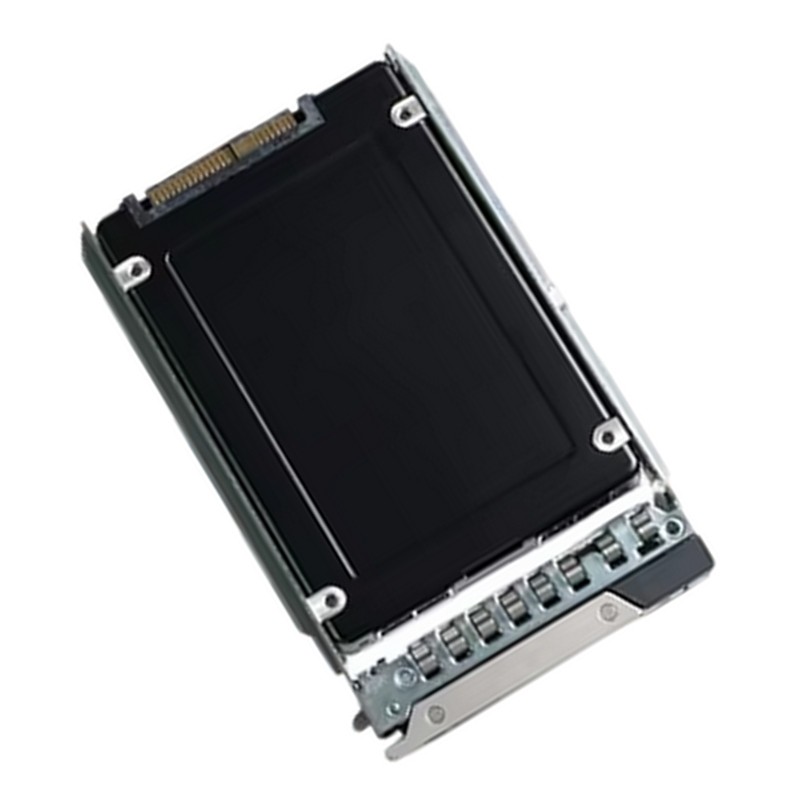
Dell 400-BKFI 1.92TB PCI-E Gen4 NVMe 3D3 TLC Read Intensive U.2 SFF Internal Solid State Drive. New Sealed in Box (NIB) with 1 year Warranty
This high-performance internal solid-state drive is engineered for data centers and enterprise server environments, delivering exceptional reliability and rapid data access speeds.
Designed For High-Density Enterprise Storage And Read-Intensive Workloads, The 400-BKFI Dell 1.92TB PCI-E Gen4 NVMe U.2 Small Form Factor (SFF) Solid State Drive Combines The Latest 3D3 TLC NAND With NVMe Gen4 Bandwidth To Deliver A Balanced Mix Of Capacity, Performance, And Endurance For Datacenter Applications. This Category Focuses On Drives Optimized For Read-Heavy Use Cases Where Low Latency, Consistent I/O Performance, And Efficient Power And Thermal Management Are Critical.
The 400-BKFI Uses The PCI-Express Gen4 NVMe Protocol Through A U.2 2.5-Inch Form Factor, Enabling Substantial Improvements In Sequential And Random Read Performance Compared To Gen3 NVMe And SATA Alternatives. The Drive Employs 3D3 TLC NAND Flash Memory, Which Offers Higher Density And Improved Cost-Per-Gigabyte While Preserving Solid Read Reliability. As A Read-Intensive Drive, It Is Tuned For High Read IOPS, Low Read Latency, And Reduced Write Amplification, Making It Well Suited To Caching, Database Reads, Content Delivery, And Virtual Desktop Infrastructure (VDI).
Because The 400-BKFI Adheres To The U.2 2.5-Inch Form Factor Standard, It Integrates Seamlessly Into Modern Server And Storage Chassis That Support Hot-Swap Drive Bays. IT Teams Benefit From The Flexibility Of Swapping Drives Without Powering Down Systems, Facilitating Faster Serviceability And Reduced Maintenance Windows. The U.2 Interface Also Supports Robust Cabling Options And Direct Connection To Server NVMe Backplanes, Allowing For Dense NVMe Deployments In Rack-Scale Infrastructure.
Read-Intensive SSDs Like The 400-BKFI Excel In Environments Where Read Traffic Vastly Exceeds Write Traffic. Typical Workloads Include Content Delivery Networks (CDNs), Boot Volumes For Virtual Machines, Large-Scale File Serving, Indexing, And Analytics Engines Where Quick Data Retrieval Matters More Than Sustained Write Throughput. The Gen4 NVMe Interface Delivers Higher Aggregate Bandwidth, Reduced CPU Overhead Through NVMe Command Efficiency, And Improved Queue Management For Multi-Threaded Server Applications.
Random Read IOPS Are A Critical Metric For The 400-BKFI, Because Many Enterprise Applications Generate Small, Random Read Requests. The Drive’s Controller Architecture And NAND Configuration Are Tuned To Deliver High Steady-State Random Read IOPS While Minimizing Latency Spikes. Sequential Read And Write Speeds Also Benefit From PCI-E Gen4 Bandwidth, Although Read-Intensive Drives Tend To Emphasize Sustained Read Performance Over Peak Write Numbers.
For Enterprise Deployments, Predictable Performance Under Load Is Often More Important Than Peak Throughput. The Firmware In The 400-BKFI Implements QoS Controls, Intelligent Wear Leveling, And Background Garbage Collection Strategies To Maintain Low Latency And Throughput Consistency Even During Prolonged Periods Of Heavy Read Activity. These Mechanisms Help Ensure That Tenants, VMs, Or Applications Experience Stable Service Levels.
Although Classified As A Read-Intensive Drive, The 1.92TB Capacity Provides Enough Spare Area And Overprovisioning To Support Enterprise Reliability Expectations. The Use Of 3D3 TLC NAND Balances Capacity And Endurance, While Advanced ECC (Error Correcting Code), End-to-End Data Path Protection, And Power Loss Protection Features Safeguard Data During Unexpected Power Events. Dell’s Quality Controls And Firmware Validation Ensure The Drive Meets Enterprise MTBF And Endurance Ratings Required For Long-Term Use In Datacenter Racks.
Power Loss Protection Circuits On The Drive Help Flush Critical Metadata And In-Flight Data To NAND In The Event Of Sudden Power Interruptions, Reducing The Risk Of Corruption. End-To-End Data Protection Mechanisms Monitor Data Integrity Across The Controller, DRAM Cache (If Present), And NAND Arrays, Applying Robust ECC To Detect And Correct Bit Errors Before They Affect Application Data.
High-Performance NVMe SSDs Can Generate Noticeable Heat Under Sustained Load, And The 400-BKFI Is Engineered To Operate Efficiently Within Typical Server Cooling Environments. Its Thermal Management Includes Adaptive Throttling, Dynamic Frequency Scaling, And Heat-Spreading Mechanical Designs For The U.2 Enclosure. Power Efficiency Optimizations Reduce Operational Costs Over Time, Especially In Large-Scale Deployments Where Thousands Of Drives Contribute To Aggregate Energy Consumption.
To Ensure Optimal Performance, Deploy The 400-BKFI In Backplanes And Drive Bays With Adequate Airflow. Maintaining Proper Drive Bay Clearance And Front-To-Back Air Movement Helps Prevent Thermal Throttling During Periods Of Intense Read Activity. Rack Design Should Consider Intake Temperatures, Fan Curves, And Drive Density To Balance Cooling Efficiency Against Noise And Power Consumption.
Dell-Certified Firmware Versions And Compatibility With Popular Server Platforms Are Hallmarks Of The 400-BKFI Category. Firmware Is Continuously Tested Against Dell PowerEdge Servers And Supported Operating Systems To Ensure Reliable Interoperability. IT Administrators Can Manage The Drive Using Dell Management Tools, NVMe Command Line Utilities, Or Standard S.M.A.R.T. Monitoring Frameworks To Track Health, Predictive Failures, And Firmware Revision Status.
Security Is An Increasingly Important Consideration For Enterprise Storage. The 400-BKFI Integrates Optional Data Encryption Capabilities, Secure Erase Functions, And Hardware-Level Security Options Compatible With TCG Opal Or Other Industry Standards. These Features Help Organizations Meet Compliance Requirements And Protect Sensitive Data At Rest Without Significant Performance Penalty.
Self-Encrypting Drive Options Provide Transparent Encryption Of User Data Through Hardware Keys Managed By The Drive Controller. When Combined With Proper Key Management And Access Controls, SEDs Simplify Secure Decommissioning And Drive Replacement Workflows. Authentication Mechanisms Ensure That Unauthorized Access Is Prevented Even If A Drive Is Physically Removed From The Chassis.
The 400-BKFI 1.92TB Read-Intensive NVMe SSD Excels In A Range Of Enterprise Scenarios Where Read Performance, Low Latency, And Reliability Are Paramount. Common Use Cases Include Large-Scale Web Servers Serving Static Content, Database Read Replicas, Virtual Desktop Storage Backends, Caching Layers For Hybrid Storage Architectures, And High-Throughput Analytics Applications That Perform Heavy Read Operations On Large Datasets.
In Virtualization Hosts And VDI Farms, Fast Read Access To Boot Images And User Profiles Reduces Login Times And Improves Perceived Responsiveness. The 400-BKFI’s Read-Optimized Characteristics Support Dense VM Consolidation While Maintaining Low Latency For End Users. When Used As A Boot Or Cache Tier, The Drive Accelerates Frequently Read Blocks And Reduces Strain On Slower Backing Stores.
Content Delivery Use Cases Benefit From The Drive’s High Sustained Read Throughput, Allowing Media Files And Large Objects To Be Served Quickly To End Users. When Paired With A Distributed Caching Layer, The 400-BKFI Provides The Fast Retrieval Times Needed For High-Quality Streaming And Large File Downloads Without Incurring The Cost Or Complexity Of All-Flash Arrays In Some Scenarios.
Compared To SATA SSDs, The 400-BKFI Offers Far Higher Throughput And Lower Latency Because Of The NVMe Over PCI-E Gen4 Interface. Against Gen3 NVMe Drives, Gen4 Devices Provide Increased Bandwidth That Unlocks Better Aggregate Performance When Paired With Gen4-Capable Server Platforms. Compared To Write-Intensive Enterprise NVMe SSDs, Read-Intensive Drives Trade Some Endurance And Write Performance For Lower Cost Per TB And Optimized Read Characteristics.
Organizations Should Select A Read-Intensive Drive Like The 400-BKFI When The Environment Predominantly Reads Data—For Example, Large-Scale Serving, Analytics, And Cache Tiers. For Heavy Write Workloads Such As High-Frequency Logging, Online Transactional Processing (OLTP) With Heavy Updates, Or Big Data Ingest, A Write-Optimized NVMe SSD With Higher Drive Writes Per Day (DWPD) May Be More Appropriate.
Effective Capacity Planning Accounts For User Data, Overprovisioning, And Spare Area Required To Maintain Performance Over Time. The 1.92TB Nominal Capacity Allows IT Teams To Allocate Logical Volumes While Reserving Enough Free Space For Wear Leveling And Background Maintenance. Performance Tuning Includes Adjusting Queue Depth, IO Size Patterns, And Host Caching Strategies To Align Application Behavior With The Drive’s Strengths.
Key Metrics Include Remaining Drive Life, Uncorrectable Error Counts, Media And Interface Error Rates, And Cumulative Host Writes. Tracking These Indicators Enables Predictive Replacement Policies That Reduce Unplanned Downtime. For Drives Used In RAID Or Mirror Configurations, Monitoring Rebuild Times And Background Maintenance Activity Is Also Important For Ensuring Service Continuity.
Organizations Migrating From SATA Or Gen3 NVMe Should Evaluate Platform Compatibility For Gen4 PCI-E Support To Realize The Full Benefits Of The 400-BKFI. While Gen4 Drives Are Backward Compatible With Gen3 Slots, Maximum Performance Is Achieved Only On Gen4-Capable Hosts. Drive Migration Strategies Include Phased Rollouts, Pilot Testing With Representative Workloads, And Validating Firmware Interoperability With Existing RAID Or Software-Defined Storage Layers.
Enterprise Drives Must Meet Environmental And Regulatory Standards For Electromagnetic Compatibility, RoHS, And Other Regional Compliance Requirements. The 400-BKFI Is Designed To Comply With Typical Datacenter Environmental Specifications, Including Operating Temperature Ranges, Shock And Vibration Tolerances, And Power Consumption Constraints. Confirm Local Regulatory Requirements During Procurement For Peace Of Mind.
As Part Of A Responsible IT Asset Management Program, Organizations Should Plan For Secure Data Erasure, Responsible Recycling, And Vendor-Supported End-Of-Life Procedures. Secure Erase Commands And Cryptographic Erase Options Simplify Data Sanitization Prior To Drive Disposal Or Reuse.


 Contact Us
 Information
 Catalog
 Solid State Drives (SSD)
 Network Switches
 Hard Disk Drives
 HBA & Controllers
 PC & Servers
 PC & Server Memory
 CPU & Processors
 Network Routers
 Power Supplies
 Tape Drives & Libraries
 Network Devices
 Computer & Network Cables