(7% discount is applied at checkout)
Cart is empty
Your go-to destination for cutting-edge server products
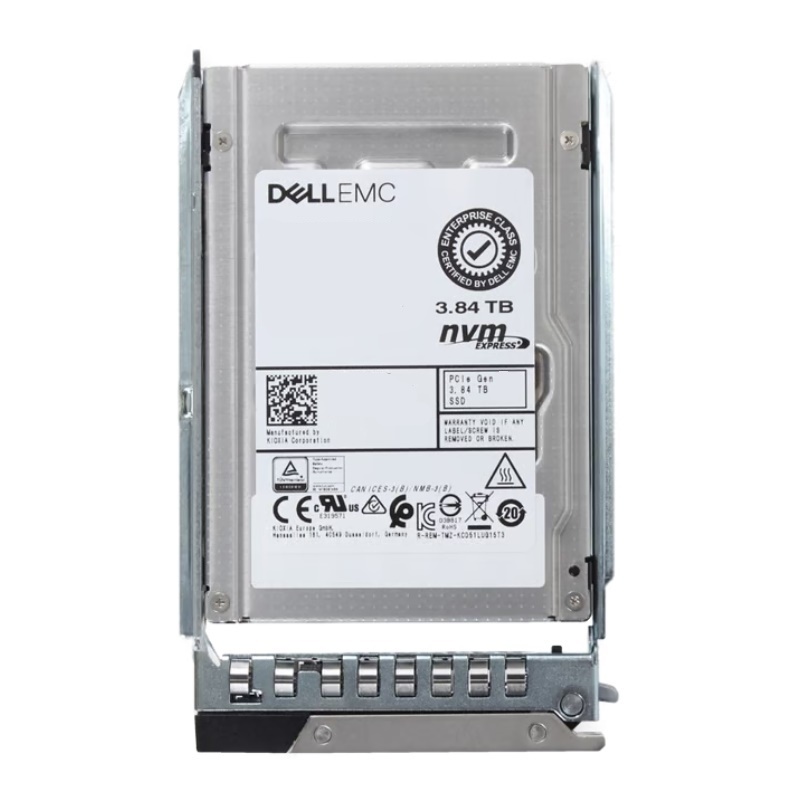


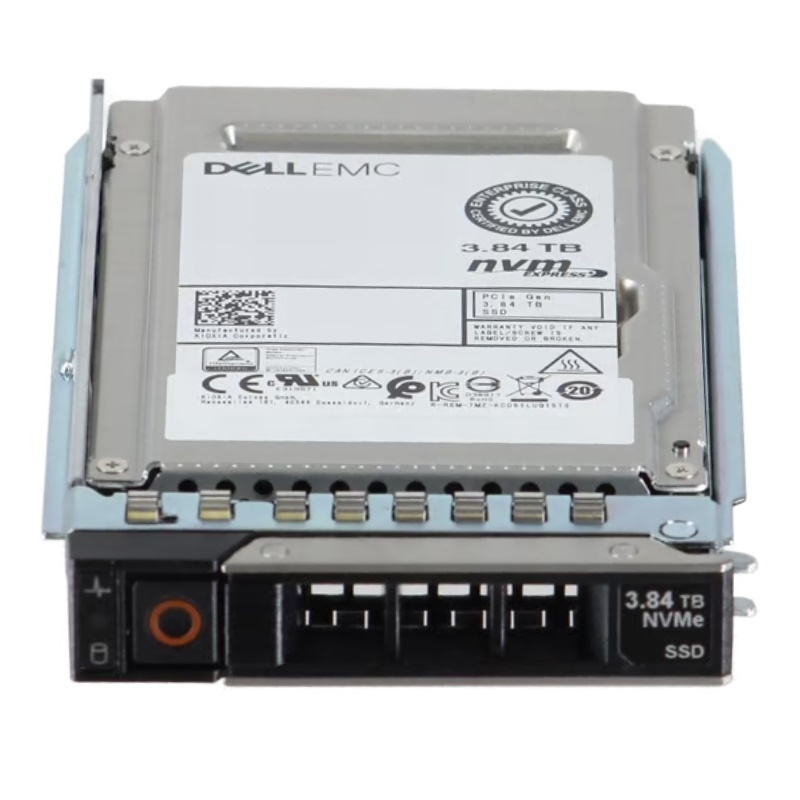
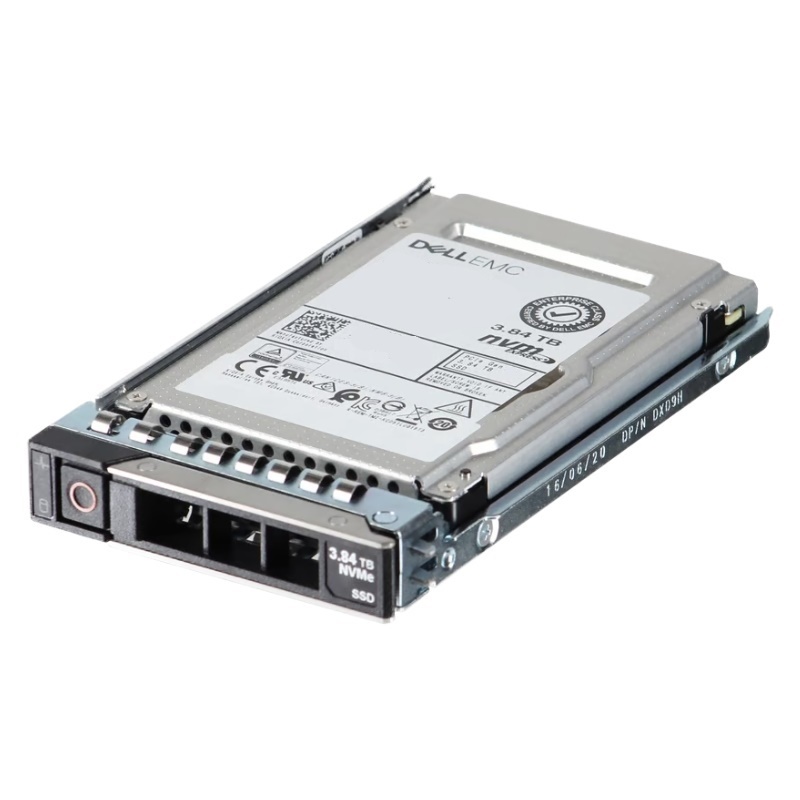
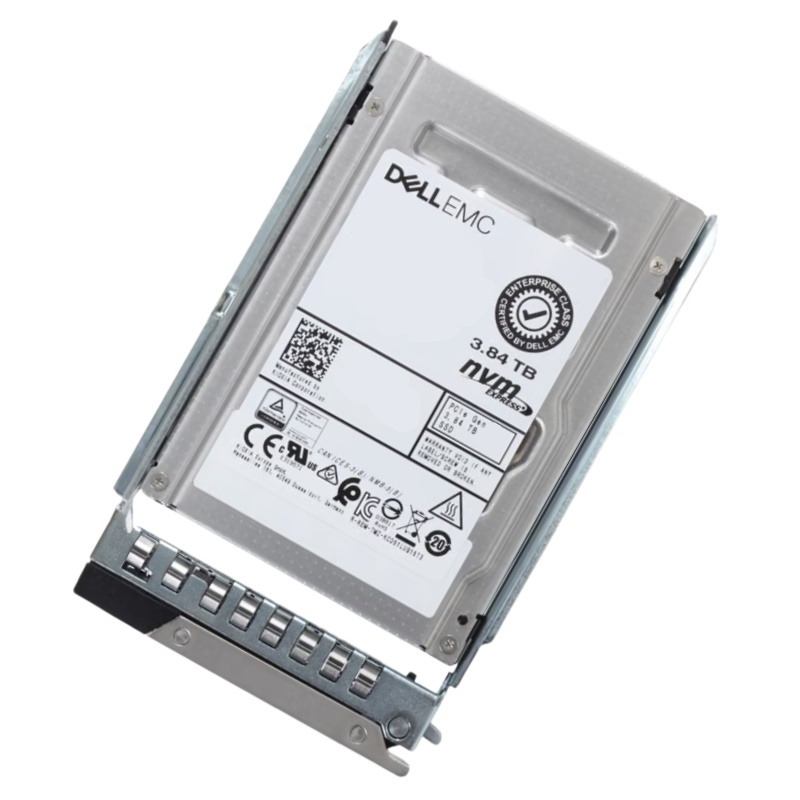
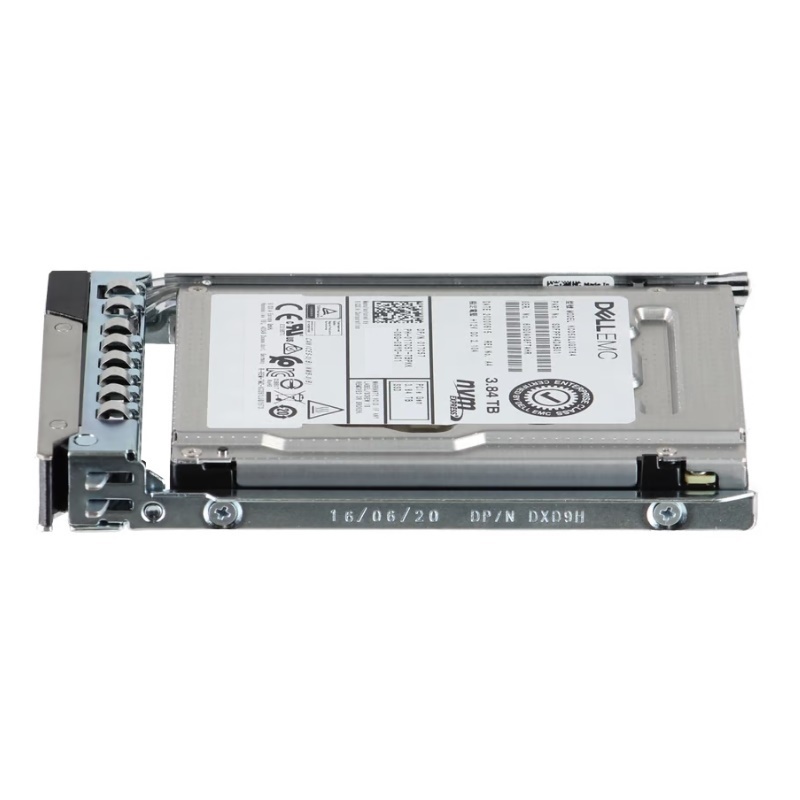
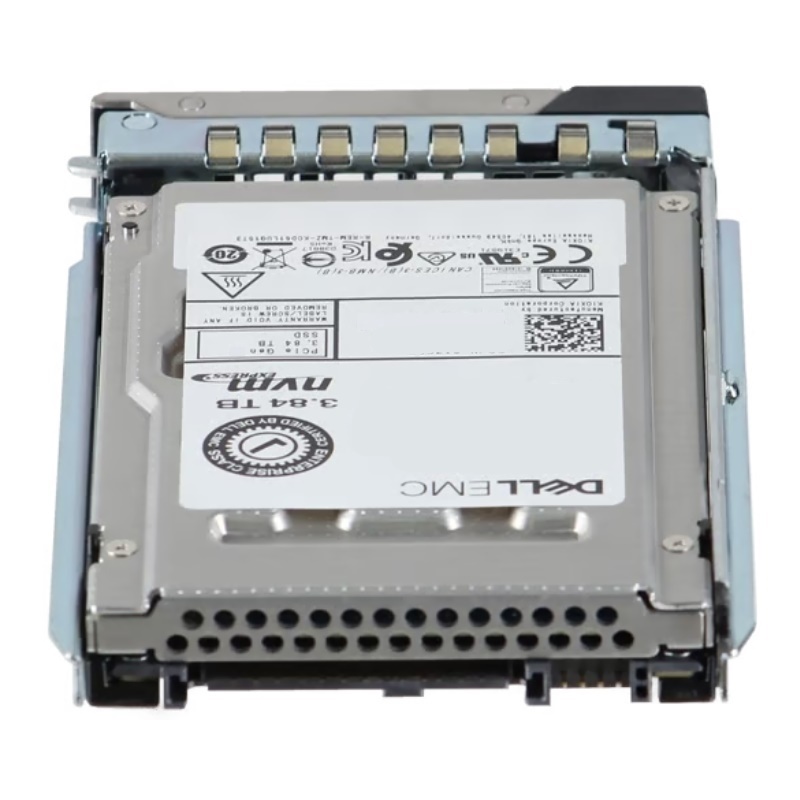
Dell 345-BHZK 3.84TB PCIe Gen4 NVMe U.2 2.5Inch Enterprise Class Read Intensive SSD For 14g, 15g, 16g And 17g Poweredge Server. New Sealed in Box (NIB) with 1 year Warranty
The Dell 345-BHZK solid-state drive delivers exceptional performance and reliability for data-intensive environments. Designed for enterprise-grade workloads, this 3.84TB NVMe SSD ensures rapid access and consistent throughput.
Utilizing cutting-edge TLC 3D NAND flash, this SSD balances cost-efficiency with high-speed data access. Ideal for read-intensive operations, it supports consistent performance across demanding server applications.
This solid-state drive is validated for a wide array of Dell PowerEdge platforms, ensuring broad system interoperability and simplified deployment.
The Dell 345-BHZK 3.84TB PCI-E Gen4 NVMe U.2 small form factor solid state drive belongs to a focused category of enterprise storage designed for read-intensive workloads, high I/O throughput, and integration into Dell PowerEdge server environments. This category emphasizes drives engineered for data centers, cloud platforms, virtualization hosts, and high-performance database servers where predictable read performance, low latency, and strong reliability are essential. Within this category, product pages explore technical attributes such as PCI-E Gen4 NVMe interface benefits, U.2 small form factor mechanical and electrical specifications, multi-package TLC NAND configurations optimized for 1 drive write per day (1 DWPD) endurance ratings, and enterprise grade firmware and monitoring features. Searchers landing on category pages for items like the Dell 345-BHZK are typically seeking drives that combine capacity, sustained read bandwidth, and compatibility with PowerEdge hardware and server chassis hot-swap bays. Accordingly, the content here focuses on practical deployment details, performance characteristics, endurance profiles, manageability, and how this drive fits into broader enterprise storage strategies.
The Dell 345-BHZK is a PCI-E Gen4 NVMe device, which means it leverages the fourth generation of PCI Express lanes to deliver double the bandwidth per lane relative to Gen3, when compared on a per-lane basis. This translates to higher sequential read and write throughput and improved IOPS for random workloads where the NVMe protocol reduces command overhead and latency relative to legacy SATA or SAS interfaces. The U.2 form factor for this drive provides a compact physical footprint optimized for modern server bays, allowing replacement of 2.5-inch SAS/SATA bays with NVMe performance and offering hot-swap capability in many PowerEdge configurations. The NVMe protocol, native to modern enterprise SSDs, makes the Dell 345-BHZK particularly well suited for read-dominant applications where low latency and command queueing directly improve application responsiveness.
U.2, sometimes called SFF-2, is the mechanical and electrical standard enabling NVMe drives to occupy familiar 2.5-inch bays while delivering NVMe speeds through a U.2 connector and cabling. For datacenter operators and systems administrators, this means the Dell 345-BHZK 3.84TB drive can be integrated into existing PowerEdge chassis designed for U.2 NVMe devices without the space penalty of larger M.2 or EDSFF form factors, while maintaining full drive serviceability. Mechanical compatibility notes typically include bay dimensions, drive carrier or sled requirements, and whether the target PowerEdge model supports U.2 drives natively or requires an NVMe backplane. Thermal behavior is also driven by the small form factor; proper airflow planning in the server chassis and the use of manufacturer-recommended drive carriers with vents and thermal pads can significantly affect sustained performance under heavy read workloads.
A 3.84TB capacity point aligns with enterprise strategies that require large hot tiers or read cache layers where cost per gigabyte must be balanced against performance. Drives in this capacity range are often used for search indexes, content delivery caches, analytics indexes, and virtual desktop infrastructure read caches where the working set is sizeable and read operations far outnumber writes. The Dell 345-BHZK’s TLC NAND design paired with a 1 DWPD (drive writes per day) rating places it squarely in the read-intensive class: engineered not for heavy sustained write amplification but for long-term read reliability and predictable behavior. Deployments that rely on sequential and random read performance benefit from a drive that maintains throughput across long durations, and the 3.84TB size reduces the number of drives required to store large datasets, simplifying management and conserving bay space in dense server environments.
TLC NAND stores three bits per cell, delivering higher raw density than SLC or MLC, which helps cost efficiency for enterprise capacities such as 3.84TB. When TLC is paired with enterprise-grade controllers and firmware, the resulting drives can be tuned for read-dominant workloads by allocating more resources to read path optimization and background garbage collection that minimally impacts foreground read latency. The 1 DWPD endurance rating means that the drive is rated to be written across its entire capacity once per day for the without exceeding expected wear limits. For workloads where the majority of operations are reads rather than writes, a 1 DWPD drive is an efficient and economical choice. This endurance metric is critical when planning data lifecycle and replacement schedule, and it is a primary variable in total cost of ownership calculations for storage architects evaluating the Dell 345-BHZK against alternatives with higher DWPD but higher cost per TB.
Compatibility is a central concern when placing the Dell 345-BHZK into a production environment. PowerEdge servers may have specific backplanes, NVMe riser cards, and BIOS or UEFI driver requirements to fully leverage PCI-E Gen4 NVMe performance. Installation into a PowerEdge system typically involves verifying the server model’s NVMe support, updating system firmware to the latest vendor recommended revision, and ensuring that the drive is recognized by iDRAC and the operating system NVMe driver stack. Some older PowerEdge generations may limit the drive to Gen3 speeds depending on CPU or platform limitations, so careful verification is required if Gen4 bandwidth is a requirement. Additionally, when mixing U.2 NVMe drives with existing SAS or SATA arrays in a server, administrators must confirm whether multipath configurations, RAID controllers, or simple OS-level NVMe namespaces will be used, and whether any backplane reconfiguration is necessary for hot-swap and thermal management.
Enterprise U.2 drives are frequently installed in hot-swap bays to support rapid replacement with minimal disruption. The Dell 345-BHZK’s U.2 interface and compatible sleds enable administrators to swap drives without powering down servers in many PowerEdge models, as long as firmware, backplane, and OS multipath or RAID configurations are correctly planned. Standardizing on compatible carriers and labeling best practices improves mean time to repair (MTTR). Operational workflows should also include pre-staging replacement drives, maintaining a small pool of spares, and ensuring that replacement drives are firmware-matched to the active fleet when possible to avoid compatibility surprises. For critical clusters, rolling replacement policies and health monitoring should be integrated into maintenance windows to preserve service level objectives while minimizing risk.
Read-intensive SSDs with the attributes of the Dell 345-BHZK are ideal for a set of enterprise workloads that require high read throughput, low latency, and large hot data capacity. Use cases include content delivery and edge caching where rapid delivery of static content reduces backend load; search engine index hosting where random read IOPS are critical; big data analytics where fast sequential scan performance accelerates query response; virtual desktop infrastructure where boot storms create high concurrent read demands; and certain database workloads like read replicas and reporting nodes where write volume is modest compared to reads. In hybrid architectures, these drives are also effective as a hot tier in a multi-tier storage strategy, serving as a performance layer ahead of larger, higher-density media that provide bulk storage at lower cost per terabyte.
When evaluating the Dell 345-BHZK 3.84TB PCI-E Gen4 NVMe U.2 drive, purchasers compare price per TB, DWPD rating, supported form factor, and vendor ecosystem support against alternatives such as higher endurance NVMe drives, EDSFF-based NVMe solutions, or traditional SAS SSDs. Alternatives with higher DWPD ratings may better serve heavy write workloads but at a higher cost per GB. EDSFF drives may offer improved thermal headroom and greater density for next-generation racks, but they may not be supported in existing PowerEdge backplanes without adapters. The selection of the 345-BHZK is often driven by the balance of cost efficiency for read workloads, compatibility with existing PowerEdge infrastructure, and the availability of Dell support and validated firmware.


 Contact Us
 Information
 Catalog
 Solid State Drives (SSD)
 Network Switches
 Hard Disk Drives
 HBA & Controllers
 PC & Servers
 PC & Server Memory
 CPU & Processors
 Network Routers
 Power Supplies
 Tape Drives & Libraries
 Network Devices
 Computer & Network Cables