(7% discount is applied at checkout)
Cart is empty
Your go-to destination for cutting-edge server products
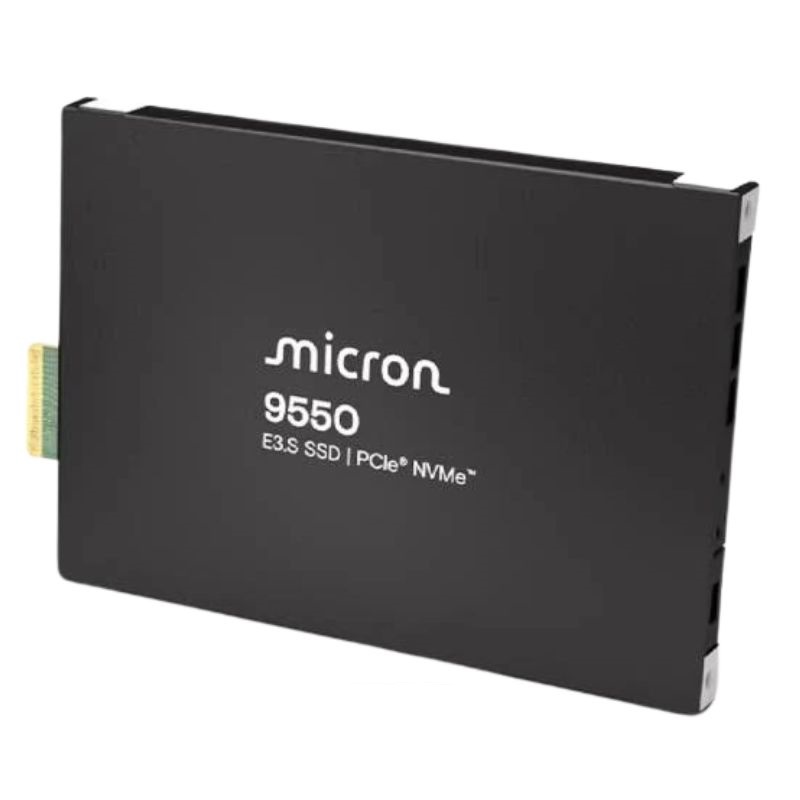


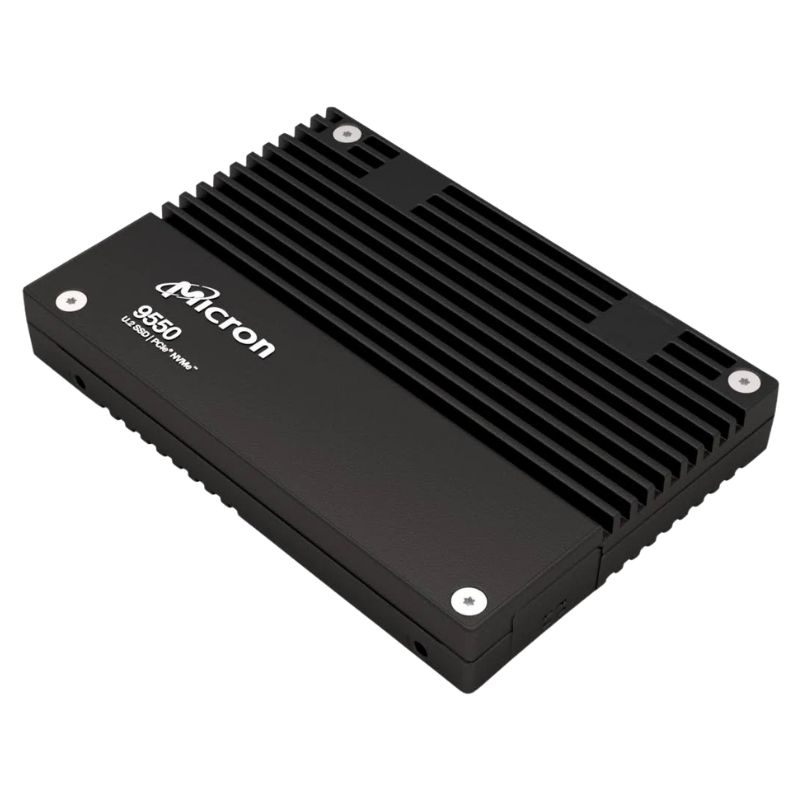
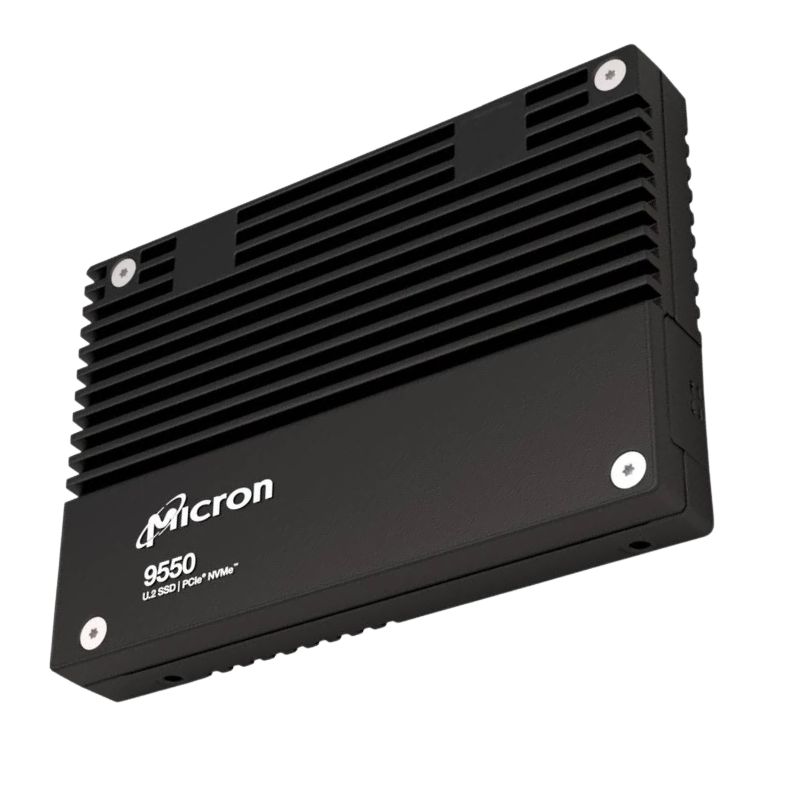
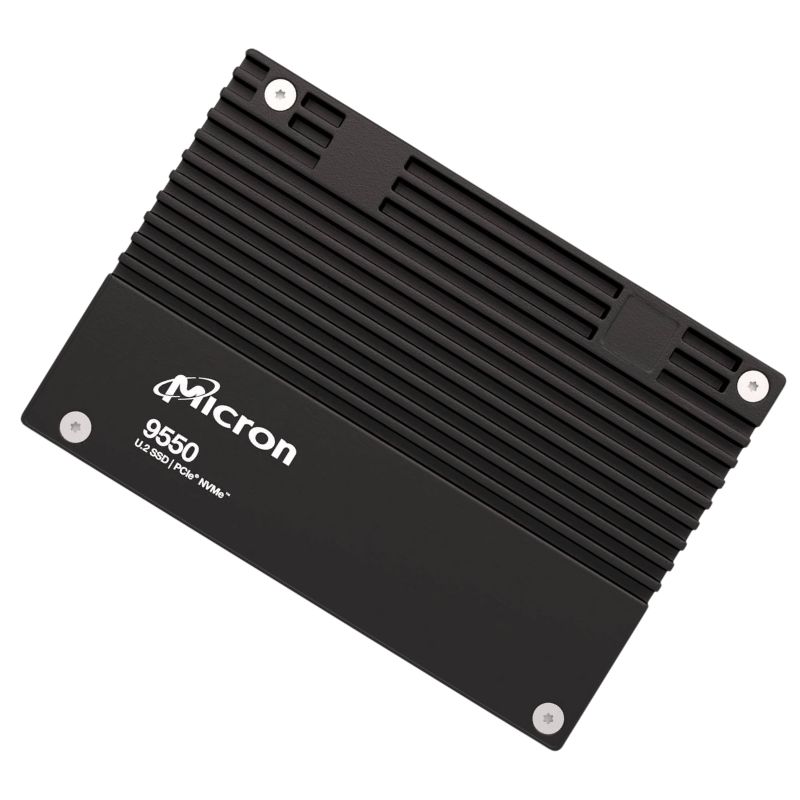
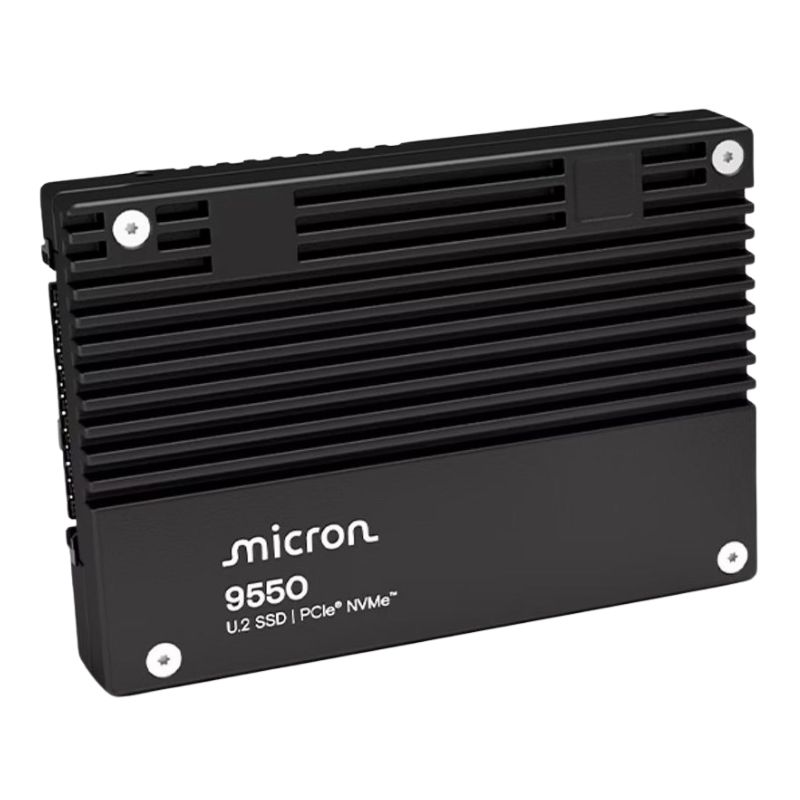
Micron MTFDLAL7T6THA-1BK1DABYY 9550 Pro 7.68TB NVMe U.2 Internal SSD. New Sealed in Box (NIB) with 3 Years Replacement Warranty
The Micron MTFDLAL7T6THA-1BK1DABYY 9550 Pro is a high-capacity, enterprise-grade solid-state drive designed for next-generation data-intensive workloads. Engineered with advanced U.2 15mm NVMe architecture.
The MTFDLAL7T6THA-1BK1DABYY Micron 9550 Pro 7.68TB NVMe U.2 Internal SSD represents a class of high-capacity, low-latency storage engineered for modern data centers, hyper-scale systems, and mission-critical enterprise applications. As a member of Micron’s 9550 Pro family, this U.2 NVMe drive combines dense NAND capacity with advanced flash controller design to deliver a balanced mix of performance, endurance, and manageability. Use this category page to understand what sets the Micron 9550 Pro 7.68TB apart, how it fits into server and storage arrays, and what to consider when buying, deploying, and operating these drives at scale.
Organizations that require high-density, high-performance storage with enterprise-grade reliability will find the Micron 9550 Pro 7.68TB compelling. Typical adopters include:
Enterprise NVMe drives pair a sophisticated flash controller with high-density NAND packages. The controller performs wear-leveling, garbage collection, error correction (ECC), bad block management, and Power Loss Protection (PLP) coordination to protect in-flight data. Micron’s enterprise firmware is tuned to deliver consistent latency and to manage write amplification across high-capacity TLC/QLC or enterprise-grade NAND, depending on the SKU and generation.
Endurance is a core consideration in this category. Enterprise SSDs are rated with metrics such as Drive Writes Per Day (DWPD) and Total Bytes Written (TBW). The Micron 9550 Pro family emphasizes durability for sustained mixed workloads, with firmware features to minimize performance degradation over the device’s lifecycle. In addition, enterprise drives commonly include:
NVMe U.2 SSDs like the Micron 9550 Pro deliver significantly lower access latency than spinning media or SATA SSDs because they directly utilize PCIe lanes and the NVMe command set. This benefits applications sensitive to random I/O latency such as databases and real-time analytics. Throughput benefits are realized through parallel queues and efficient command processing, enabling high sustained IOPS and bandwidth when properly provisioned.
High-capacity NVMe SSDs generate heat under sustained load. The U.2 form factor enables better thermal management via server chassis airflow, heatsinks, and drive caddies. Power efficiency is another design focus — enterprise drives balance power draw against sustained performance to reduce operating costs in data centers. Proper thermal design and monitoring are critical to maintain throughput and to extend drive longevity.
Many architectures use NVMe drives as a high-performance caching layer in front of higher-capacity spinning storage or object stores. In this role, the 7.68TB capacity helps maximize the cache hit ratio while NVMe’s low latency accelerates reads and writes for hot data.
U.2 NVMe drives are widely supported across modern server platforms and storage arrays that provide U.2 drive bays or U.2-to-M.2/PCIe adapters. Check server vendor compatibility lists (HCLs) to ensure firmware and drive model compatibility, especially when used in RAID or vendor-managed storage configurations.
Enterprise drives are supported by firmware updates that improve reliability, performance, and compatibility. Implement a firmware lifecycle process that includes testing in staging environments before wide deployment. Use vendor-provided management tools to schedule firmware updates and to monitor drive health indicators.
Modern enterprise SSDs include metrics that enable predictive failure analysis. Tracking trends in reallocated sectors, uncorrectable read errors, and increasing write amplification helps administrators schedule proactive replacements during maintenance windows rather than responding to unexpected failures.
For regulated environments, hardware encryption and secure erase functions help organizations meet data governance and compliance goals. Micron enterprise drives typically support standardized sanitize commands and may offer FIPS-compliant encryption options depending on the SKU and firmware configuration. Verify with the vendor whether the drive supports hardware-based encryption and the exact compliance certifications required for your environment.
Design power subsystems and backup strategies to accommodate peak power draw during sustained I/O and rebuild operations. Combine reliable power supplies with UPS systems to protect against power events; enterprise SSDs often include power-loss protection for in-flight data, but whole-system reliability benefits from robust site-level power planning.
Plan capacity growth by modeling future workload growth, retention policies, and expected drive lifespan (based on endurance metrics). Consider deploying spare capacity and reserve drives to handle rebuilds without affecting service levels.
Troubleshooting and maintenance tips
Large-capacity drives may increase rebuild times; design redundancy and rebuild strategies that minimize exposure to additional failures during rebuild windows. Where possible, implement erasure coding or multi-failure tolerant architectures for quicker recovery at scale.


 Contact Us
 Information
 Catalog
 Solid State Drives (SSD)
 Network Switches
 Hard Disk Drives
 HBA & Controllers
 PC & Servers
 PC & Server Memory
 CPU & Processors
 Network Routers
 Power Supplies
 Tape Drives & Libraries
 Network Devices
 Computer & Network Cables