(7% discount is applied at checkout)
Cart is empty
Your go-to destination for cutting-edge server products
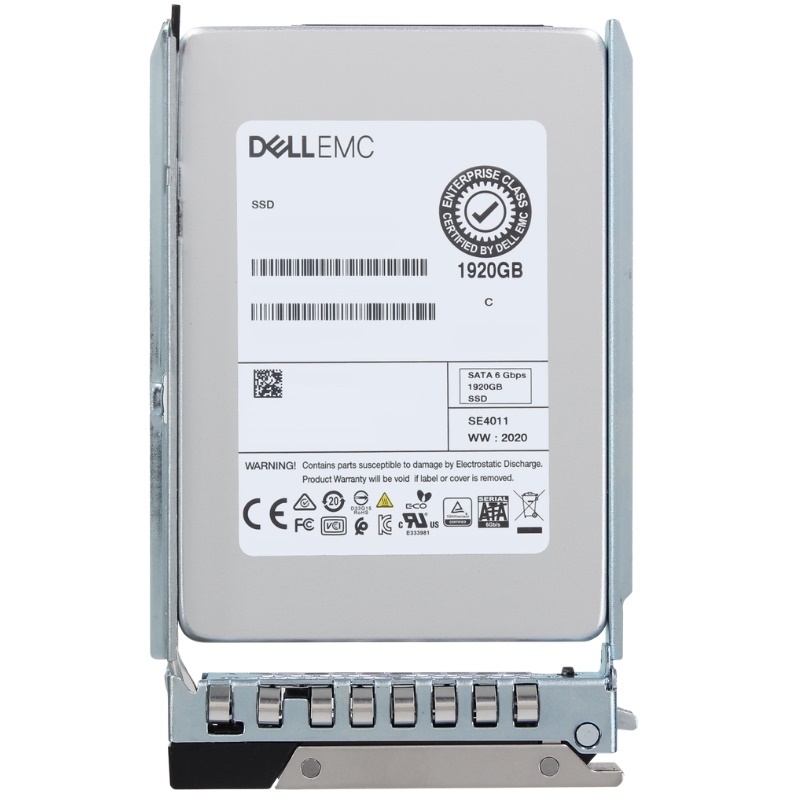


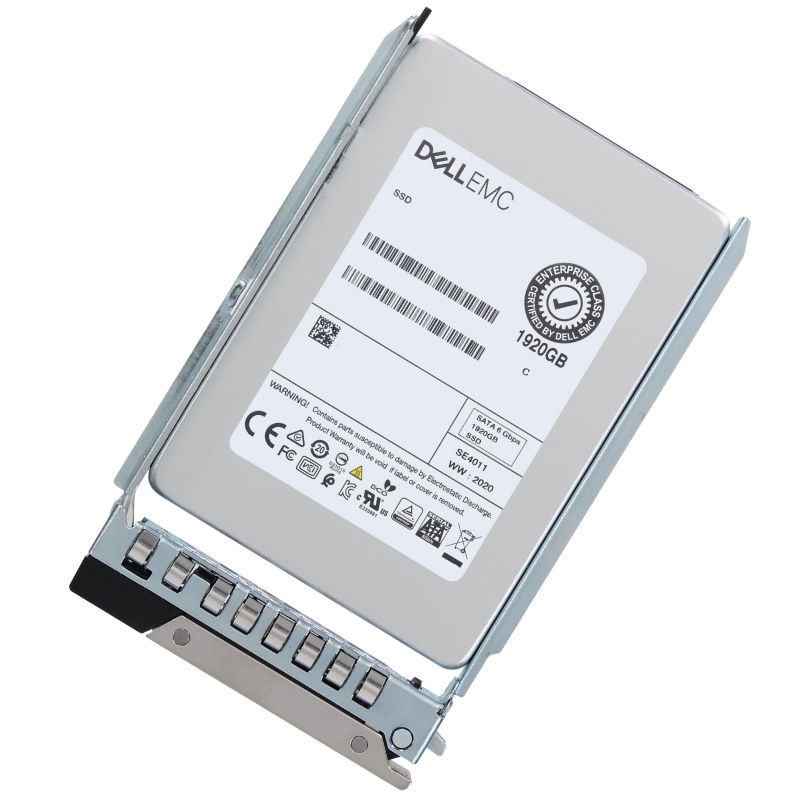
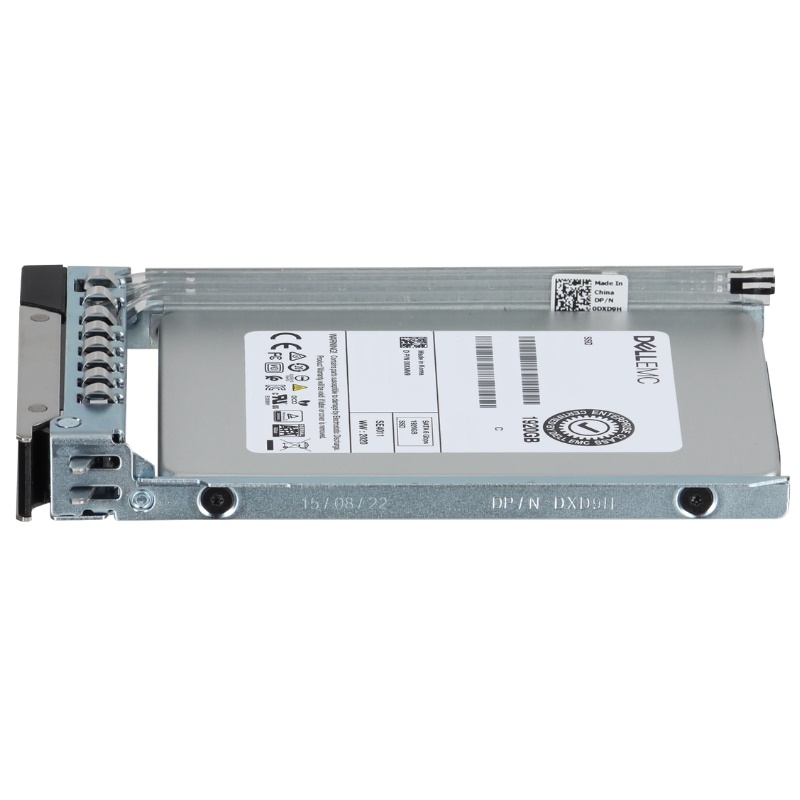
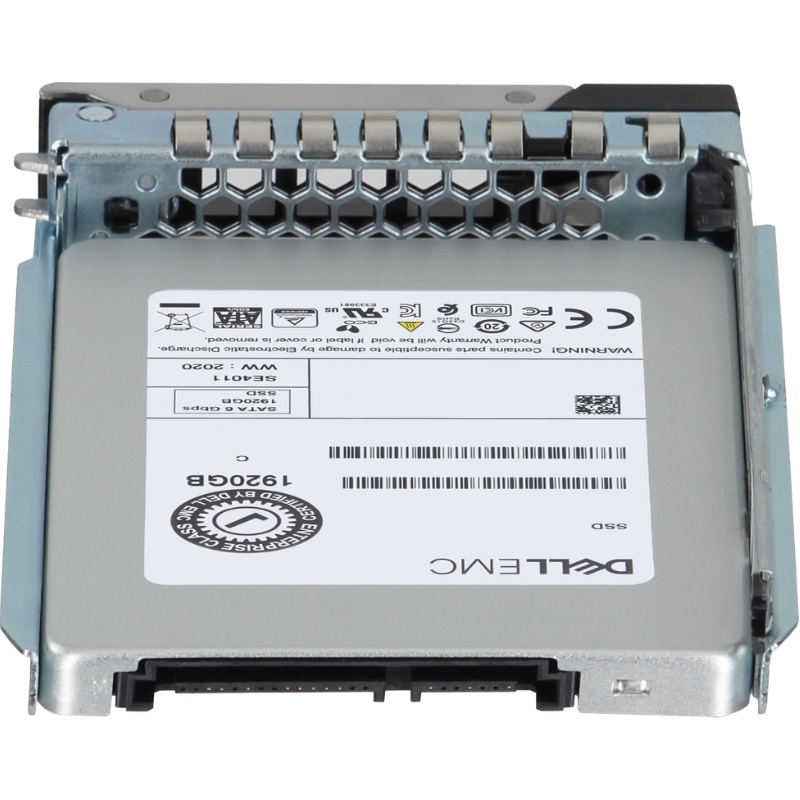
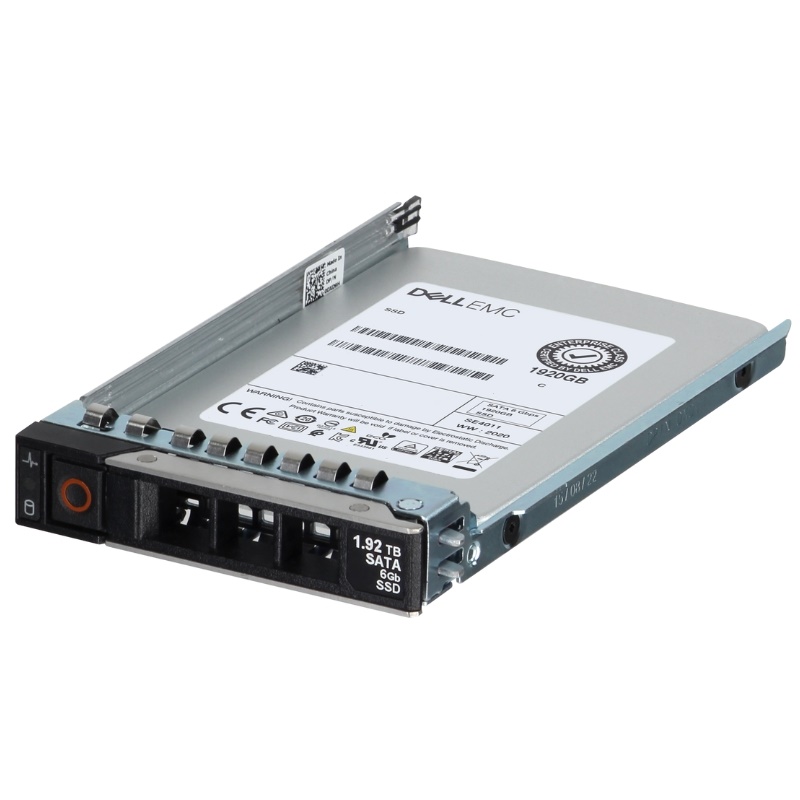
Dell CWFKG 1.92TB TLC SATA-6GBPS Mixed-Use SFF Form Factor Hot-plug Solid State Drive with tray for Poweredge Server. Excellent Refurbished with 1 year replacement warranty
This SSD is engineered for seamless deployment across a wide range of Dell PowerEdge and PowerVault systems, ensuring optimal compatibility and performance.
The CWFKG Dell 1.92TB TLC SATA-6Gbps Mixed-Use Small Form Factor hot-plug solid state drive with tray represents a balanced, enterprise-grade option for organizations standardizing on 2.5-inch storage across the Dell PowerEdge ecosystem. Within this category, buyers explore a collection of server-qualified SSDs purpose-built for dependable performance, predictable latency, and operational simplicity in dense compute environments. These drives occupy a vital middle ground between read-intensive and write-intensive tiers, delivering steady throughput for mixed transaction and analytics workloads while retaining the durability, serviceability, and firmware integration expected in modern PowerEdge platforms. The inclusion of the correct hot-swap tray streamlines installation and helps ensure mechanical alignment, airflow consistency, and tool-less service operations in front-accessible drive bays.
Drives in this category are selected for their tight alignment with Dell PowerEdge qualification standards and their ability to operate predictably across diverse workload profiles. The 1.92TB capacity is a sweet spot for many data center designs because it offers a generous pool of solid-state storage while staying within cost envelopes suitable for horizontal scaling. SATA at 6Gbps provides broad compatibility, straightforward cabling, and a proven command set that data center managers have relied on for years. The use of TLC NAND balances density and endurance, enabling mixed-use ratings that fit the reality of virtualized servers, transactional databases, and content platforms where write activity is persistent but not extreme. In addition, hot-plug serviceability means storage can be maintained without downtime, keeping clustered applications and virtualization hosts continuously available.
Mixed-use, sometimes abbreviated as MU, signals that the drive is designed to support a blend of read and write operations typical of line-of-business servers. Rather than optimizing exclusively for static content or extreme write logging, drives like the CWFKG Dell 1.92TB SATA SSD distribute endurance and over-provisioning to maintain steady IOPS over time. In practical terms, this translates into sustainable daily write allowances that align with many enterprise applications, protecting performance as the drive ages and ensuring that latency stays predictable even under bursty traffic. The category’s focus on mixed-use also means your storage team can consolidate multiple application types onto a common storage tier without introducing hotspots that erode user experience.
Although NVMe attracts attention for maximum throughput, SATA-6Gbps remains a mainstay in many PowerEdge deployments because of its predictable behavior, established monitoring tools, and backward compatibility with existing backplanes and RAID controllers. This category leverages that maturity. Administrators gain compatibility with an extensive set of 2.5-inch hot-swap bays across rack and tower PowerEdge servers, simplifying spares management and enabling uniform imaging processes. The SATA link’s stability supports environments where uptime and service continuity outrank raw benchmark wins, and where the manageability of hundreds or thousands of bays is a decisive factor in total cost of ownership.
Mixed-use 1.92TB SATA SFF drives with the correct hot-plug tray have been widely integrated across multiple server generations. Typical compatibility spans rack-mount families used in virtualization clusters and hyperconverged stacks, as well as tower systems supporting remote offices and edge locations. The mechanical specifications of the small form factor tray promote proper seating in drive carriers, consistent engagement with backplane connectors, and adequate clearance for drive-bay status LEDs that are essential for guided service procedures. In multi-generation data centers, the ability to slot a qualified SATA drive into both legacy and current frames helps extend the life of existing infrastructure while enabling gradual capacity upgrades.
The included tray is more than a convenience. Correct carrier geometry ensures shock tolerance during insertion and removal, aligns the drive for positive latch engagement, and preserves the airflow channels used by chassis fans to direct cooling across densely packed bays. The front bezel and activity indicators accessible through the tray enable administrators to identify drives under maintenance mode, check link and activity, and coordinate hot-swap operations safely. Because the tray is matched to PowerEdge tolerances, it reduces the risk of misaligned connectors or destructive force during service, an important safeguard when maintenance is performed during live production windows.
Performance in this category is defined by sustained random read and write capability at queue depths that mirror server workloads, along with steady sequential transfers for backup, reporting, and patch distribution. Endurance is structured around daily write allowances suitable for business-critical systems that see continuous updates but not the extreme write patterns of logging or caching appliances. This combination makes the 1.92TB SATA drive a dependable partner for application servers, databases of moderate size, email platforms, and analytics pipelines that require dependable persistence without the premium of write-intensive SKUs.
When applications produce concurrent I/O streams, the drive’s firmware must efficiently schedule operations to reduce head-of-line blocking and maintain low tail latencies. The MU-tuned firmware employed in this category emphasizes fairness across queues while protecting media health, which helps avoid the performance cliffs sometimes seen when drives transition between SLC caching and TLC regions. The outcome for operators is more predictable workload scaling. As additional virtual machines or containers are introduced, performance degrades gracefully rather than erratically, which simplifies capacity planning and allows for confident horizontal scale-out.
Not every workload is random. System administrators often perform sequential activity such as cloning golden images, copying large patch bundles, or moving cold datasets to archival targets. The SATA 6Gbps interface sustains solid sequential rates appropriate for these administrative tasks, keeping maintenance windows tight and reducing the time servers spend in a reconfiguration state. Mixed-use drives in this category are optimized to maintain those sequential rates even after extended service life, helping avoid the drift that can elongate routine operations late in a deployment cycle.
Endurance ratings for mixed-use enterprise SATA SSDs typically target a sensible daily write allowance that aligns with mainstream application servers. While exact figures vary by firmware revision and manufacturing batch, the overall aim is to sustain the health of the TLC media under continuous business activity. Wear-leveling and bad block management distribute writes evenly and retire cells proactively so that performance remains consistent as the drive approaches its warranted lifespan. For buyers, this means the 1.92TB MU category can be confidently deployed to shared datastores, medium-sized OLTP databases, and messaging systems without resorting to costlier write-intensive classes unless the use case truly demands it.
Beyond raw performance, enterprises evaluate how a drive protects data under stress. Mixed-use SATA SSDs in the CWFKG Dell 1.92TB category are designed for robust power-loss handling, ECC protection paths, and secure sanitization functions that align with data lifecycle policies. These elements work together to preserve write integrity, detect and correct bit errors, and enable confident asset retirement or redeployment at the end of a project.
Unexpected power events can occur during facility maintenance or upstream electrical disruptions. Enterprise SATA SSDs typically incorporate power-loss protection circuitry and firmware routines that flush in-flight metadata so that the file system does not encounter corruption on restart. While architectures vary, the objective is the same: preserve a consistent state and ensure that acknowledged writes are committed in a recoverable sequence. For organizations running transactional systems, this protective envelope reduces the risk of lengthy recovery operations and ensures a faster return to normal operations after an outage.
Drives in this category expose SMART attributes that integrate with PowerEdge monitoring and third-party observability platforms. Administrators can track media wear indicators, temperature, reallocated sector counts, and lifetime reads and writes to forecast replacement windows before a failure occurs. On-device ECC corrects routine bit errors and escalates alerts if error rates trend upward, enabling planned maintenance rather than reactive scrambling. This data-driven approach to drive lifecycle management is essential in environments where hundreds of bays must be watched concurrently without overwhelming operations teams.
When repurposing or retiring hardware, secure sanitization is non-negotiable. Enterprise SSDs generally support secure erase functions that align with organizational governance requirements for decommissioning. Whether the drive is reallocated to a less critical tier or removed from service entirely, administrators can apply approved sanitization methods to protect sensitive information. By using the same tray-equipped carrier during decommissioning procedures, teams can maintain chain-of-custody processes and document the lifecycle from installation to retirement.
The CWFKG Dell 1.92TB TLC SATA-6Gbps Mixed-Use SFF category shines in practical, everyday deployments where predictable latency, reasonable endurance, and operational simplicity are paramount. From virtualization clusters to departmental databases and content delivery nodes, the attributes of this class align with mainstream IT priorities. Decision makers can concentrate this category where it has the greatest impact and pair it with complementary storage tiers to build a balanced environment.
Hypervisors hosting mixed tenant workloads benefit from the steady IOPS profile of mixed-use SATA SSDs. As developers push updates, CI pipelines perform artifact writes, and application logs accumulate, the storage layer must accommodate frequent write operations without degrading user experience. The drives in this category help keep storage latency low and consistent, supporting responsive management tasks in the hypervisor and preventing contention as guests compete for I/O. Clusters that employ maintenance rotation or rolling OS updates leverage hot-plug convenience to replace drives proactively while the fleet remains fully available.
Operational databases that back accounting, inventory, customer portals, or ERP modules exhibit mixed read and write activity throughout the day. The endurance nature of this category is well matched to OLTP systems of moderate size, where write pressure is steady but not extreme. Administrators can place database files and logs on arrays composed of these 1.92TB drives to achieve low query latency and predictable background maintenance, such as index rebuilds and nightly batch operations. The SATA interface’s resilience and ecosystem familiarity make it a safe choice for teams that prioritize reliability and manageable operating procedures.
Organizations that rely on centralized file shares, collaborative document platforms, and messaging servers need storage that responds quickly to many small requests arriving at random intervals. Mixed-use SATA drives provide the low-latency response that keeps file browsing snappy and mailbox operations responsive. Capacity at the 1.92TB level allows a practical consolidation of departmental shares without moving to very high-capacity SSDs that could elongate rebuild times. Administrators can expand shares by adding additional members, preserving service continuity with hot-plug inserts and controlled array expansions.
Modern web stacks serve dynamic pages and cached assets while writing access logs and session data. The mixed-use endurance profile covers these light-to-moderate writes effectively, while latency consistency keeps API response times stable. Teams pursuing microservices architectures can deploy these drives behind container orchestration platforms, benefiting from predictable latency when services scale up or down and when nodes are drained for updates. Linear scalability becomes more manageable as additional servers join the pool, each equipped with the same 1.92TB SATA drives.
Edge and remote office locations often have unique constraints. They need reliable storage that can be serviced by generalist IT staff or trusted local partners, and they may operate without on-site maintenance windows. The hot-plug and tray-matched design of this category supports simplified, front-of-chassis replacement, while the SATA link’s ubiquity ensures that spares can be maintained across many sites. The 1.92TB capacity is ample for local applications, compliance logging, and on-premises data processing, making the category a natural fit for decentralized footprints.
In multi-tier architectures, mixed-use SATA SSDs can act as fast staging areas for backup operations or as cache layers in front of colder storage. The predictable sequential throughput assists with rapid ingestion of backup streams, while their endurance accommodates the daily write churn associated with snapshot catalogs and index updates. When employed as a cache, these drives can accelerate read performance for frequently accessed blocks without committing premium NVMe budget to datasets that do not justify it.


 Contact Us
 Information
 Catalog
 Solid State Drives (SSD)
 Network Switches
 Hard Disk Drives
 HBA & Controllers
 PC & Servers
 PC & Server Memory
 CPU & Processors
 Network Routers
 Power Supplies
 Tape Drives & Libraries
 Network Devices
 Computer & Network Cables