(7% discount is applied at checkout)
Cart is empty
Your go-to destination for cutting-edge server products
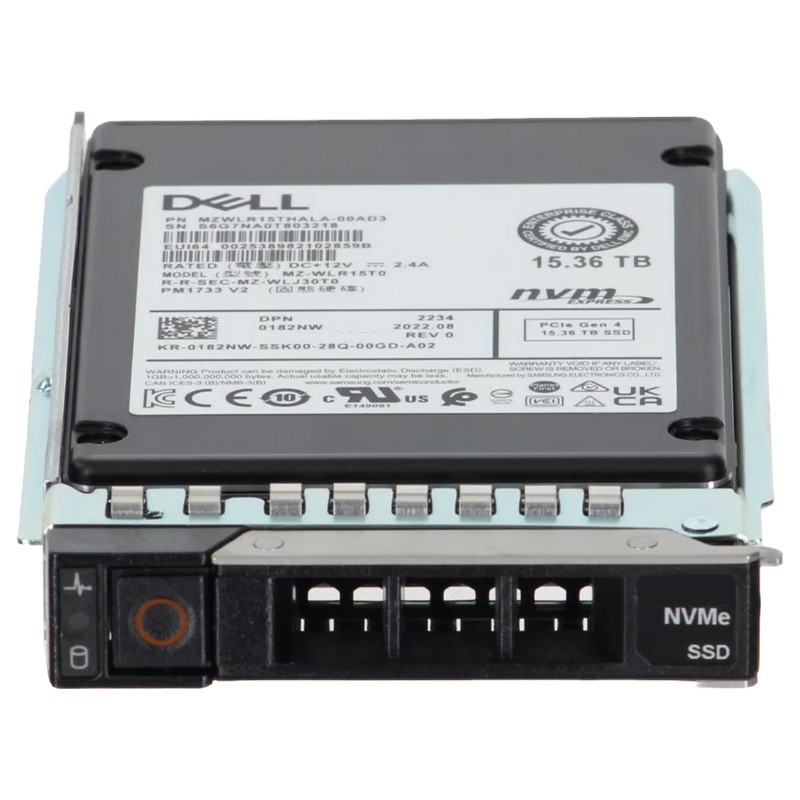


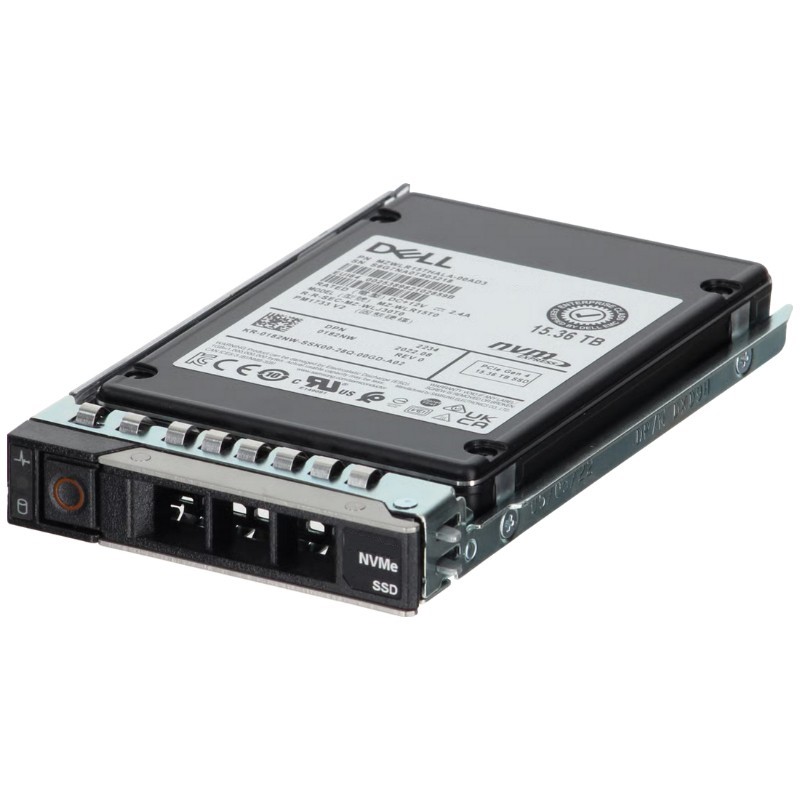
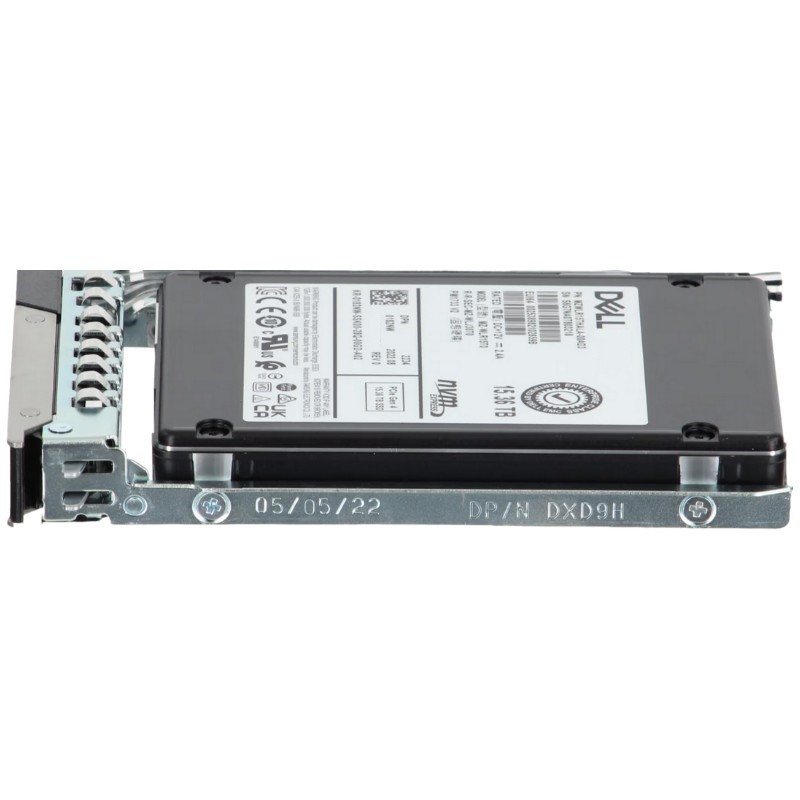
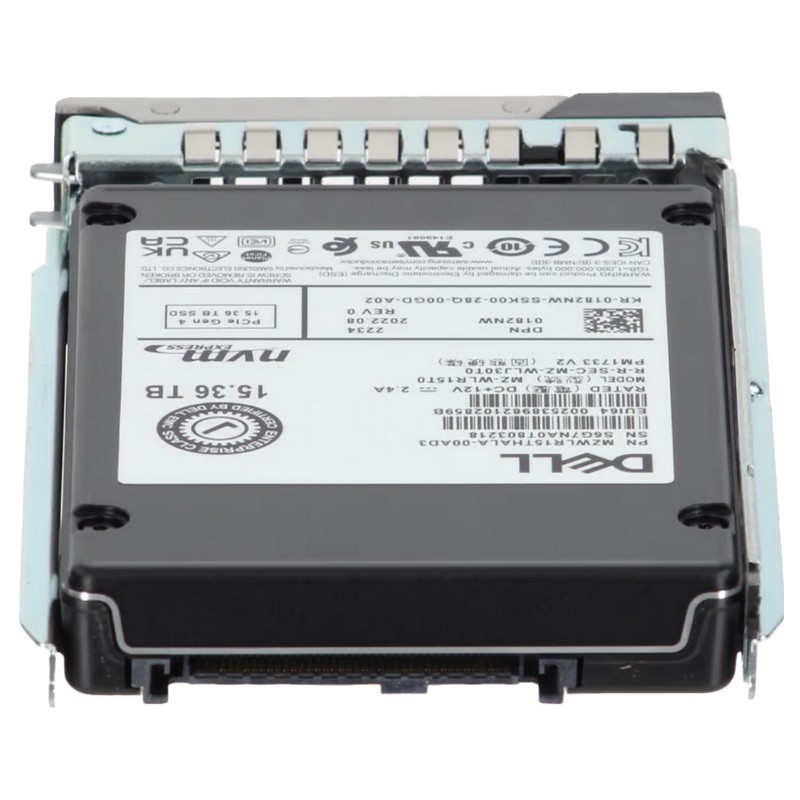
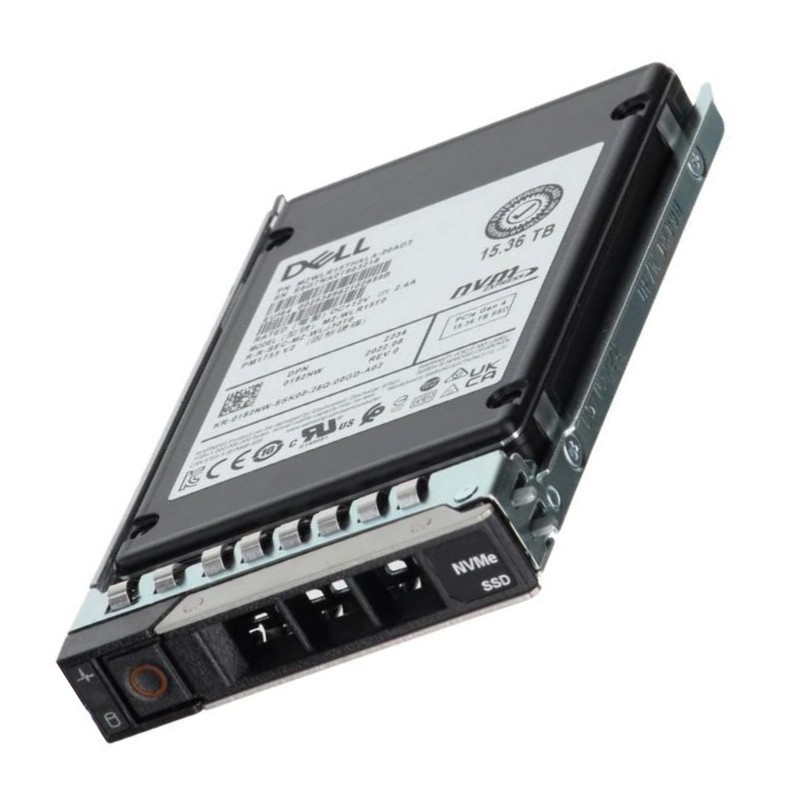
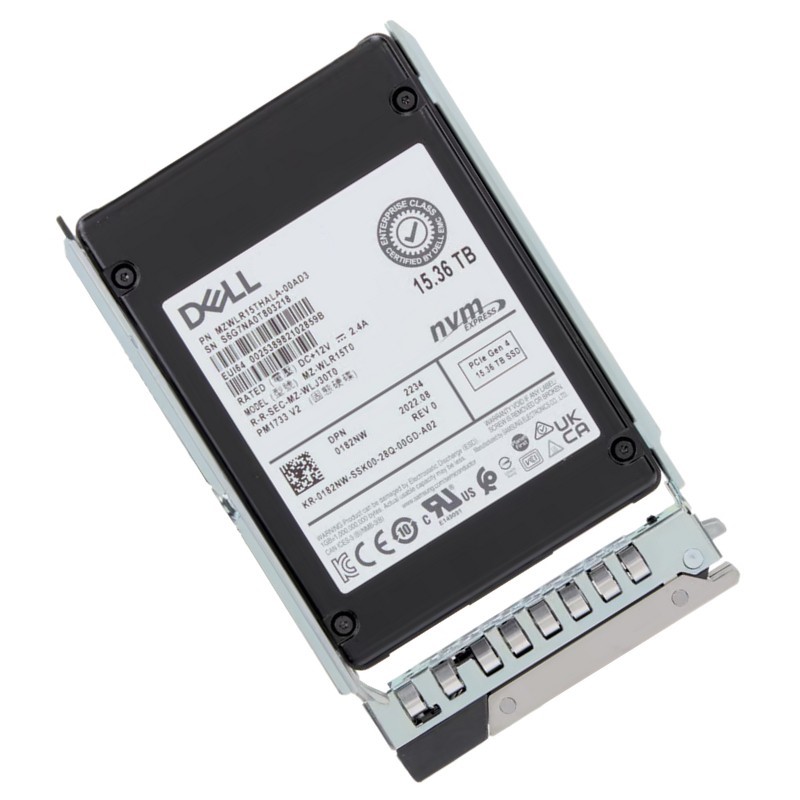
Dell 400-BMRD 15.36TB PCI-E Gen4 NVMe U.2 Read Intensive 1DWPD SFF Enterprise Solid State Drive. New Sealed in Box (NIB) with 1 year Warranty
Engineered for high-performance data centers, this enterprise-grade solid-state drive delivers exceptional storage capabilities for demanding server environments.
Designed For Enterprise Workloads That Demand High-Capacity, Low-Latency Storage, The 400-BMRD Dell 15.36TB PCI-E Gen4 NVMe U.2 Read Intensive Solid State Drive Represents A Strategic Choice For Data Centers, Hyperscale Environments, Cloud Service Providers, And Mission-Critical Applications. Engineered To Deliver Exceptional Read Throughput With A U.2 Form Factor That Simplifies Integration Into Existing Server Platforms, This Drive Balances Large Capacity, Enterprise-Class Reliability, And Modern NVMe Performance.
The 15.36TB Raw Capacity Provides Mass Storage In A Compact 2.5-Inch U.2 Small Form Factor, Allowing Organizations To Maximize Drive Bay Density Without Sacrificing Performance. This High-Density Configuration Helps Reduce The Number Of Physical Drives Required For Large Datasets, Lowering Power, Cooling, And Space Footprints In Rack-Scale Deployments.
Using PCI-Express Gen4 With NVMe Protocol Ensures Substantially Higher Bandwidth Compared To Previous Generations. The U.2 Interface Combines The Hot-Swap Convenience Of Traditional 2.5-Inch Drives With NVMe's Low-Latency Command Set, Making This Drive Ideal For Enterprise Servers And Storage Arrays That Support U.2 Backplanes.
The Drive Is Classified As Read Intensive With A 1 DWPD (Drive Writes Per Day) Endurance Rating, Which Is Optimized For Workloads That Are Heavily Read-Weighted—Such As Content Delivery, Search Indexing, Analytics Dashboards, And Read Cache Layers. This Endurance Profile Offers A Cost-Effective Tradeoff For Applications Where Large Read Capacities Are Prioritized Over Heavy Sustained Writes.
Performance Characteristics Include High Sequential Read Throughput, Impressive Random Read IOPS, And Low Read Latency, Particularly When Paired With A PCI-E Gen4 Host That Can Exploit The Increased Lane Bandwidth. Manufacturers Typically Rate This Class Of Drives For Multi-Gigabyte Per Second Sequential Reads Under Ideal Conditions, While Delivering Sustained Low-Millisecond Or Sub-Millisecond Latencies For Small Random IOs.
Enterprise-Grade Error Correction Mechanisms, Including Sophisticated ECC Algorithms And End-to-End Data Path Protection, Are Standard On The 400-BMRD. These Technologies Reduce The Risk Of Silent Data Corruption And Ensure That Data Written To The Drive Remains Intact Over Time. Additional Protections Such As Power-Loss Protection And Internal Capacitor Backed Caches May Be Present To Protect In-Flight Data During Unexpected Power Interruptions.
Robust Firmware Enables Predictive Monitoring, Health Reporting (SMART), And Telemetry Capabilities That Integrate With Server Management Tools. Dell's Firmware Ecosystem Typically Supports Remote Firmware Updates, Compatibility With Common Management Frameworks, And Extended Diagnostic Commands. These Features Facilitate Proactive Maintenance, Reducing Unplanned Downtime And Supporting Long-Term Drive Lifecycle Management.
Security Features Frequently Include Support For TCG Opal Encryption, Secure Erase Capabilities, And Host-Managed Encryption Options. These Capabilities Assist Organizations In Meeting Regulatory Requirements Related To Data Privacy And Secure Decommissioning. When Deployed In Regulated Environments, The Drive's Security Functions Can Be Combined With Server-Side Key Management To Ensure That Sensitive Data Is Protected Across The Storage Stack.
Large-Capacity NVMe Drives With Read-Optimized Endurance Are Well-Suited For Content Delivery Networks And Media Streaming Use Cases That Require Fast, Concurrent Reads From Massive Media Libraries. The 400-BMRD Enables Service Providers To Store High-Definition Video Assets Locally With Low Latency Access, Reducing The Need For Costly Read Caching Or Repeated Network Requests.
Read-Heavy Database Replicas, Analytical Data Stores, And OLAP Systems Benefit From The Drive's High Random And Sequential Read Performance. Use In Read Replica Tiers Or As Hot Storage For Frequently Queried Indexes Can Dramatically Improve Query Response Times And User Experience In Business Intelligence, Reporting, And Search Applications.
In Virtual Desktop Environments Where Multiple Users Generate Predominantly Read Requests From Shared Images Or Common Application Binaries, Deploying High-Capacity Read-Intensive NVMe Drives Reduces I/O Contention And Accelerates Boot Storm Recovery. These Drives Can Serve As Effective Host-Level Caches Or Image Repositories Because They Are Optimized For Repetitive Read Operations.
Because The Drive Uses A U.2 Form Factor, It Is Directly Compatible With Many Dell PowerEdge Platforms And Third-Party Servers That Support U.2 Backplanes. Administrators Should Confirm Host Firmware, BIOS, And HBA/RAID Controller Support For PCI-E Gen4 NVMe U.2 Devices To Ensure Maximum Performance. In Some Cases, Simple Firmware Upgrades On The Host Or BIOS Adjustments Are Required To Fully Recognize The Drive's Capabilities.
While Enterprise NVMe Drives Can Be Used In Software RAID Configurations, Many Organizations Opt To Use Them In Conjunction With NVMe-Aware Software-Defined Storage Solutions Or As Part Of Hybrid Architectures Where NVMe Acts As A Hot Tier. When Using Traditional Hardware RAID Adapters, Validate That The Adapter Supports NVMe Pass-Through Or NVMe Over Fabrics If Required By The Solution Architecture.
High-Capacity NVMe Drives Like The 400-BMRD Can Generate Significant Heat Under Load. Proper Airflow In The Server Chassis, Adequate Intake And Exhaust Paths, And Consideration For Drive Spacing Are Important To Maintain Optimal Drive Temperatures. Many Servers Provide Thermal Monitoring That Can Be Leveraged To Adjust Fan Curves And Avoid Thermal Throttling That Could Impact Performance.
Read-Intensive Drives Offer An Attractive Cost-Per-Gigabyte For Applications Dominated By Read Operations, But They Differ From Mixed-Use Or Write-Intensive SSDs In Their Endurance Profiles And Internal Over-Provisioning Strategies. Mixed-Use Drives Offer Higher DWPD Ratings For Balanced Read/Write Environments, While Write-Intensive SSDs Provide The Highest Endurance For Heavy Transactional Workloads. Selecting The Correct Drive Class Requires Mapping Application IO Patterns To Drive Endurance Metrics.
While Hard Disk Drives Still Provide Lower Cost Per Terabyte For Cold Or Infrequently Accessed Data, NVMe U.2 Drives Deliver Orders-Of-Magnitude Improvements In Latency, IOPS, And Throughput. When Low Latency And Predictable Performance Are Critical—For Example In Latency-Sensitive Services Or Interactive Applications—NVMe Is The Superior Choice, Even When Cost And Capacity Must Be Carefully Managed.
Many Enterprises Adopt Tiered Storage Architectures That Combine NVMe For Hot Data, SSDs For Warm Data, And HDDs For Cold Archives. The 400-BMRD Fits Nicely As A Hot-Read Tier Or As A Capacity-Oriented NVMe Tier Where Large Datasets Require Fast Read Access. Intelligent Tiering Software Or Manual Policies Can Move Data Between Layers Based On Access Patterns To Optimize Cost And Performance.
Optimize Application IO For The Drive By Matching Typical Block Sizes To The Drive's Preferred IO Characteristics. Databases And Analytics Engines Often Benefit From Optimized Read-Ahead Settings And Properly Sized Page Caches. Applications That Issue Many Small Random Reads Should Be Tuned To Reduce Latency By Avoiding Artificial Bottlenecks In The Software Stack.
Regular Firmware Updates From Trusted Sources Are Important To Keep The Drive Performing Reliably And Securely. Firmware Releases May Provide Performance Enhancements, Bug Fixes, Or Security Patches. Implement A Controlled Update Cadence Using Staged Rollouts And Validation In Non-Production Systems Before Applying Updates At Scale.
Leverage SMART Telemetry, Vendor Diagnostics, And Centralized Monitoring Systems To Track Drive Health Metrics Such As Media Wear, Reallocation Counts, And Uncorrectable Error Rates. Proactive Replacement Policies Based On Health Indicators Can Prevent Unexpected Failures And Ensure High Availability For Production Services.
Although NVMe U.2 Drives Represent A Higher Unit Price Than Traditional HDDs, They Often Deliver Savings In Other Operational Areas. Reduced Server Count, Lower Network Backplane Traffic, Faster Job Completion, And Improved User Experience Can All Contribute To Lower Total Cost Of Ownership. Financial Models Should Incorporate Performance Gains And Operational Efficiency When Evaluating Procurement Decisions.
Planning For Future Growth Requires Understanding How Many Drive Bays Are Available In Standard Server Platforms, The Expected Rate Of Data Growth, And The Potential For Future Upgrades To Higher-Capacity Revisions. Capacity Planning Should Also Consider RAID Or Erasure Coding Overheads, Spare Drive Reservations, And Over-Provisioning Requirements For Optimal Performance And Endurance.
Endurance Metrics Such As DWPD (Drive Writes Per Day) And TBW (Terabytes Written) Provide Practical Guidance For Estimating Drive Lifespan Under Specific Workloads. For A 1 DWPD Read-Intensive Drive, Write Activity Should Be Carefully Monitored To Ensure That Workloads Do Not Exceed The Intended Profile. These Ratings Help Administrators Plan For Drive Retirement And Replacement Schedules.
Manufacturers Provide MTBF And Annualized Failure Rates That Give Insight Into Expected Reliability Across Large Deployments. While These Metrics Are Statistical, Combining Them With Real-World Telemetry And Redundancy Architectures (Such As RAID, Erasure Coding, Or Multi-Site Replication) Gives Enterprises A Robust Strategy For Achieving High Levels Of Availability.
When Drives Reach The End Of Their Usable Life, Organizations Must Follow Secure Erase, Decommissioning, And Disposal Practices. Secure Erase Procedures Ensure That Confidential Data Is Not Recoverable, And Vendors May Offer Tools To Support Compliance With Data Sanitization Standards.
Migrating From Legacy SAS Or SATA Drives To NVMe U.2 Devices Requires Planning For Host Compatibility, Driver Support, And Potential Reconfiguration Of Storage Arrays. Data Migration Tools, Snapshot Mechanisms, And Rolling Upgrade Strategies Minimize Downtime And Preserve Data Integrity During The Transition.
Modern Server Environments Are Designed To Support Hot-Swap Drive Replacement And Rolling Upgrades That Avoid Application Downtime. When Implemented With Proper Redundancy And Validation Procedures, Administrators Can Replace Drives Or Apply Firmware Updates Without Impacting Critical Services.
PCI-E Gen4 Provides Increased Bandwidth That Future-Proofs Deployments Against Growing IO Demands. Systems That Support Gen4 Will Be Better Positioned To Leverage Next-Generation Drives, New NVMe Features, And Emerging Storage Architectures, Extending The Useful Life Of Server Investments.
Although Primarily Tuned For Read-Intensive Workloads, The 400-BMRD Can Handle Moderate Writes Within Its Endurance Rating. For Write-Heavy Applications, Consider Selecting A Mixed-Use Or Write-Intensive SSD With Higher DWPD To Ensure Long-Term Reliability. Proper Application Profiling And Monitoring Are Key To Ensuring The Drive Is Matched To The Workload.
When Evaluating Cost, Consider Not Only The Per-Unit Price But Also The Operational Benefits: Reduced Latency, Faster Time-To-Insight, And Potential Reductions In Server And Network Overheads. These Indirect Savings Often Tip The Balance In Favor Of NVMe For Workloads Where Performance Directly Impacts Revenue Or User Satisfaction.


 Contact Us
 Information
 Catalog
 Solid State Drives (SSD)
 Network Switches
 Hard Disk Drives
 HBA & Controllers
 PC & Servers
 PC & Server Memory
 CPU & Processors
 Network Routers
 Power Supplies
 Tape Drives & Libraries
 Network Devices
 Computer & Network Cables