(7% discount is applied at checkout)
Cart is empty
Your go-to destination for cutting-edge server products
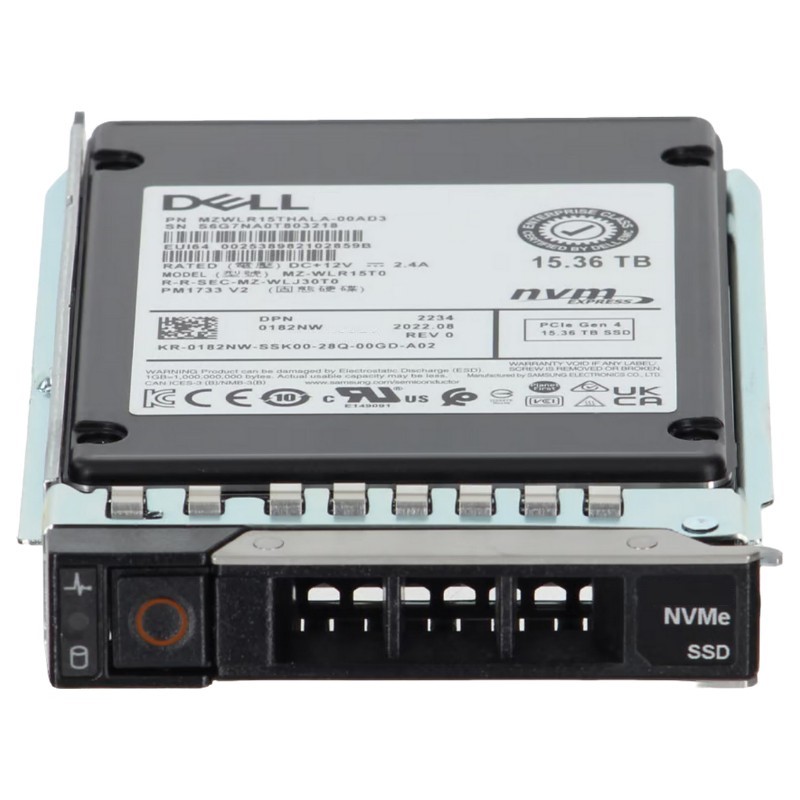


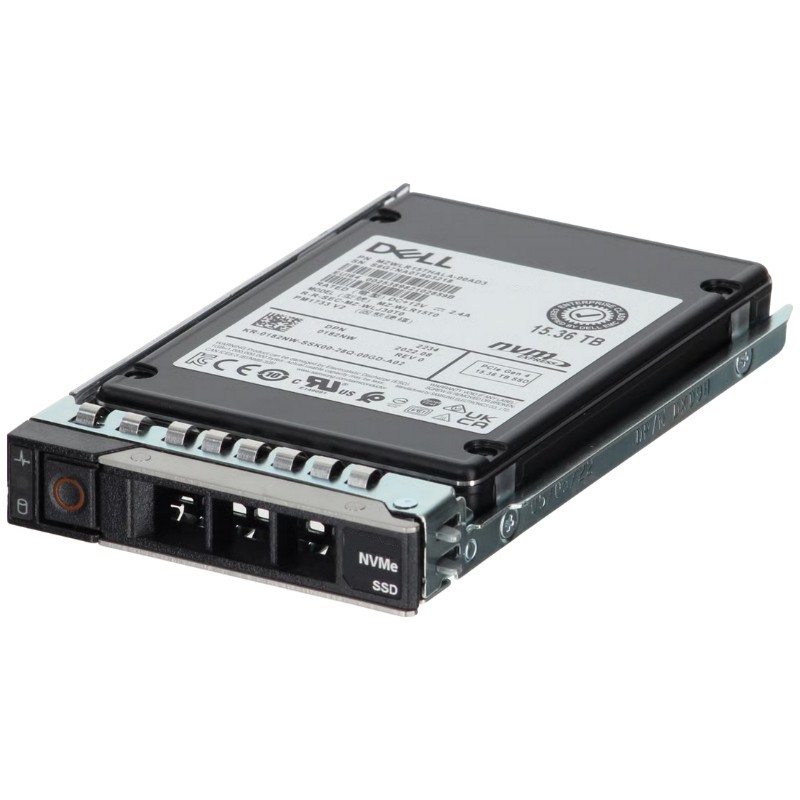
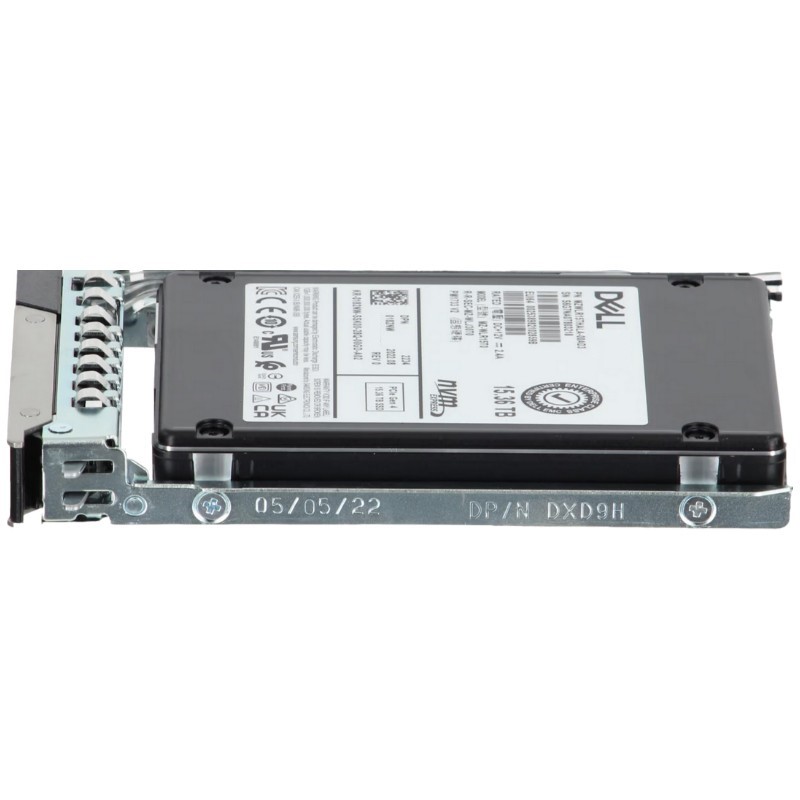
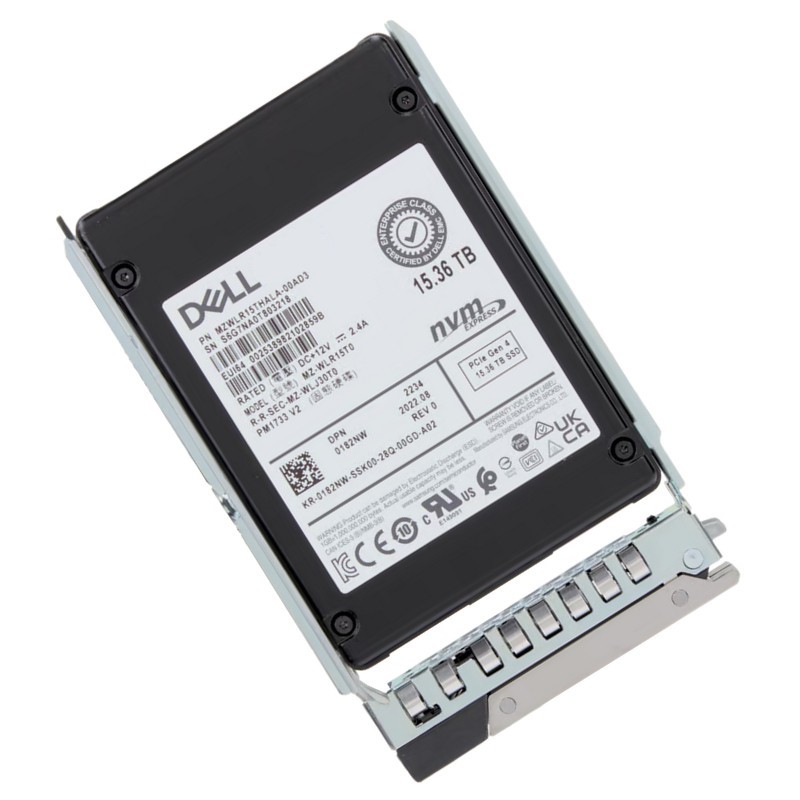
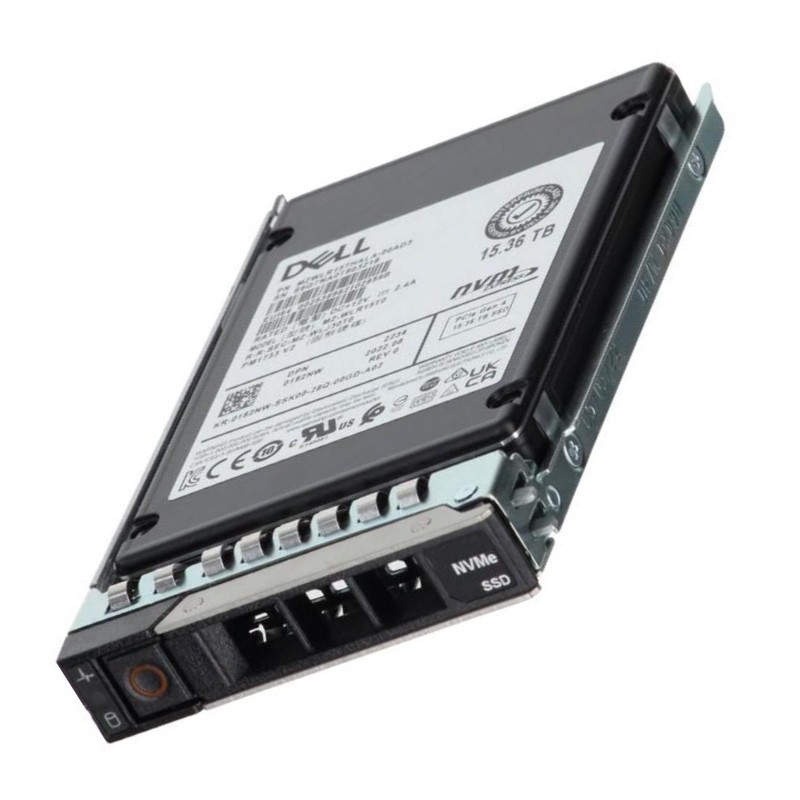
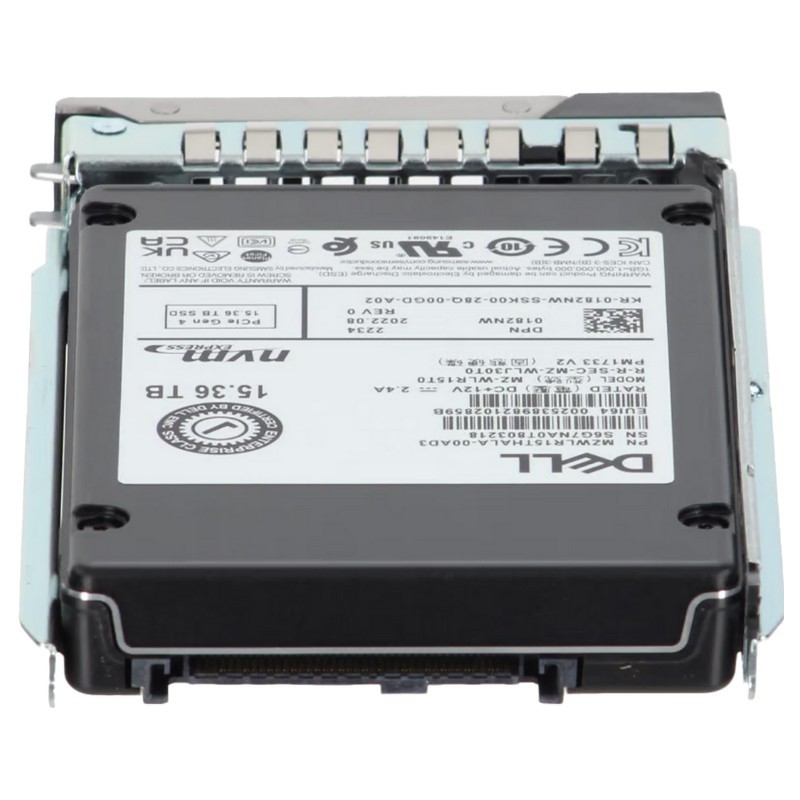
Dell 400-BMVB 15.36TB PCI-E Gen4 NVMe 3d TLC Nand U.2 Read Intensive 1DWPD SFF Enterprise Solid State Drive. New Sealed in Box (NIB) with 1 year Warranty
Elevate your data center's storage capabilities with the high-capacity DELL 15.36TB U.2 NVMe SSD. This enterprise-grade solid-state drive is engineered for exceptional performance and reliability in demanding server environments.
Designed For Datacenter Reliability And High-Density Storage, The 400-BMVB Dell 15.36TB PCI-E Gen4 NVMe U.2 Read-Intensive 1DWPD SFF Enterprise Solid State Drive Combines Modern NVMe Throughput With Optimized Read-Focused Endurance. This Category Captures Drives Built For Large-Scale Read-Centric Workloads—Including Content Delivery, Virtual Desktop Infrastructure (VDI), Cache Tiering, And Massive Read-Only Archives—Where Predictable Latency, Power Efficiency, And Data Integrity Are Critical.
The Drive Uses A U.2 Small Form Factor (SFF) Enclosure, Allowing Easy Integration Into 2.5-Inch Enterprise Bays And Hot-Swap Chassis. The PCI-Express Gen4 x4 NVMe Interface Offers A Substantial Bandwidth Increase Compared To Gen3, Enabling Higher I/O Performance Per Drive And Better Utilization Of Modern Server Platforms.
With A Native Capacity Of 15.36TB, This Model Targets High-Density Storage Deployments. It Leverages 3D TLC (Triple-Level Cell) NAND Flash, Which Is Tuned For A Balance Of Cost, Density, And Performance. The TLC NAND Paired With Enterprise-Grade Controllers And Firmware Optimization Delivers Strong Sequential Read Rates, Effective Random Read Performance, And Measured Endurance Appropriate For Read-Intensive Use Cases.
The 1 Drive-Write Per Day (1DWPD) Endurance Classification Indicates This Drive Is Optimized For Scenarios Where Reads Vastly Outnumber Writes—such as media streaming, large scale search indexes, analytics query caching, and backup-from-storage operations. The 1DWPD Metric Provides Predictable Lifetime Write Budgeting For Capacity-Heavy Deployments.
Enterprise U.2 SSDs Typically Feature Controlled Power States And Thermal Management To Ensure Continuous Operation In Rack Environments. Expect Power-Efficient Design Features That Reduce Total Data Center Power Consumption When Scaled, Plus Firmware Thermal Throttling And Reporting Capabilities To Protect Against Overtemperature Conditions.
Thanks To PCI-E Gen4 x4 Bandwidth, Sequential Read Throughput Is Dramatically Higher Than Previous Generations, Allowing Rapid Bulk Data Access For Large Files And Streaming Workloads. Random Read IOPS Are Tuned For High Concurrency, While Random Write IOPS Are Targeted Toward Sustaining The 1DWPD Endurance Target—sufficient For Metadata Updates, small bursts, and background maintenance.
Enterprise SSDs In This Category Prioritize Low And Predictable Latency—especially For Read Operations. Firmware And Controller Logic Work To Keep Tail Latencies Tight Under Sustained Read Loads, Which Is Essential For User-facing Applications, Database Query Engines, And Real-Time Analytics.
Manufacturers Often Configure A Portion Of The NAND As Overprovisioning To Improve Steady-State Performance And Endurance. Advanced Garbage Collection Algorithms And Write Amplification Reduction Techniques Ensure The Drive Sustains Performance Over Time, Minimizing Degradation During Continuous Heavy Read Workloads Interspersed With Moderate Writes.
Read-Intensive Drives Provide Fast, Consistent Access To Large Media Files And Segments, Making Them Ideal For Edge And Core CDN Nodes. The High Capacity And Low Latency Ensure That Frequently Requested Objects Are Served Quickly, Reducing Buffering And Improving User Experience.
During Boot Storms, A Large Number Of Concurrent Read Requests Are Issued As Virtual Machines Load OS Images. Drives In This Category Handle Extreme Concurrent Reads More Efficiently Than General-Purpose HDDs, Reducing Boot Times And Improving VDI Scalability.
Search Engines And Analytics Platforms Often Maintain Large Read-Heavy Indexes. The 400-BMVB Series Is Well Suited For Index Storage, Caching Hot Sets, And Operating As A Read Tier Behind A Smaller Write-Optimized Tier.
For Organizations That Store Large Archives But Still Require Fast Retrieval Performance (e.g., Media Agencies, Genomics Repositories), This Drive Delivers Capacity With Latency Characteristics Similar To Primary Storage Systems—making it a good middle ground between cold tape and expensive write-optimized SSDs.
U.2 NVMe Drives Fit Into Modern Enterprise Servers And Storage Platforms That Support NVMe Over PCI-E Backplanes Or NVMe-Capable JBODs. When Planning Integration, Validate The Server Firmware, HBA/RAID Controller Compatibility, And U.2 Backplane Support To Ensure Bi-Directional Communication And Proper Drive Enumeration.
Deploying NVMe In Production Requires Up-to-Date Drivers And Firmware Management Processes. Keep Operating System NVMe Drivers Updated, Employ Vendor Tools For Monitoring, And Use Centralized Firmware Update Mechanisms To Maintain Security, Stability, And Performance Enhancements.
Because High Performance Drives Can Generate Significant Heat Under Sustained I/O, Adequate Rack Airflow And Proper Front-to-Back Cooling Are Important. Use Drive Health Telemetry And Temperature Threshold Alerts To Prevent Thermal Throttling And Preserve Performance Consistency.
Enterprise Drives Often Include Power Loss Protection (PLP) Mechanisms That Flush Critical Data From Volatile Buffers To Nonvolatile NAND During Unexpected Power Events. Coupled With End-to-End Data Path Protection (CRC, ECC, And Metadata Checks), These Features Safeguard Against Silent Data Corruption.
Many Enterprise SSDs Support Hardware-Based Encryption (TCG Opal Or IEEE-1667, Depending On The Vendor) For At-Rest Data Protection. For Organizations With Regulatory Requirements, Encrypted Drive Options And Secure Erase Capabilities Are Valuable For Decommissioning And Asset Lifecycle Management.
Built-In SMART Attributes Provide Ongoing Health Monitoring. When Combined With Vendor Management Tools Or Third-Party Monitoring Systems, These Metrics Enable Predictive Replacement Strategies, Reducing Unexpected Downtime And Providing Early Warnings On Wear, Temperature, Or Controller Anomalies.
Read-Intensive Drives Like The 400-BMVB Prioritize Read Throughput And Low Latency With Moderate Write Endurance (1DWPD). Mixed-Use SSDs Provide A Higher Write Endurance (Typically 3DWPD Or Higher) For Balanced Workloads, While Write-Intensive SSDs (Often 10DWPD+) Are Reserved For Heavy Write Applications Like Logging, Deduplication Targets, Or Transactional Databases.
U.2 Provides A Hot-Swap 2.5-Inch Physical Form Factor Advantage And Is Common In Rack Servers. U.3 And Newer Form Factors Introduce Multi-Protocol Flexibility And Improved Backplane Interchangeability. M.2 Offers Compact Footprint For Edge Appliances, While Emerging EDSFF (E1.S/E3) Targets Hyperscale Density And Better Thermal Dissipation. Choose Form Factor Based On Server Backplane And Chassis Density Needs.
Although HDDs Offer Lower Cost Per Terabyte For Archival Data, SSDs Deliver Dramatically Lower Latency And Much Higher Random Read IOPS. For Workloads Where Read Performance And Latency Matter—Search Engines, CDN Caches, And High-Performance Analytics—NVMe SSD Arrays Provide Better Application Responsiveness And Lower Total Cost Of Ownership When Considering Application Efficiency.
Ensure Filesystem And Application Block Sizes Align With NAND And Controller Handling To Avoid Excessive Write Amplification. Many Deployments Use 4K Or 8K Alignments, But Optimal Settings Depend On Workload Characteristics And Should Be Validated Through Testing.
NVMe Scales With Multiple Submission Queues; Tuning Application Threading, Queue Depth, And IO Schedulers In The OS Can Improve Overall Throughput And Reduce Latency. For Highly Concurrent Read Workloads, Distributing Requests Across Multiple Queues And CPU Cores Maximizes The Drive’s Parallelism.
Increasing Overprovisioned Space Can Reduce Write Amplification And Improve Sustained Performance. When Deploying Many Drives In An Array, Standardizing Overprovisioning And Monitoring Write Amplification Metrics Helps Maintain Consistent Performance Across The Fleet.
Keep Detailed Records Of Firmware Revisions, Health Events, And Secure Erase Actions To Meet Audit And Regulatory Requirements. Secure Disposal Procedures And Wiping Certs Are Also Important For Decommissioning Drives That Held Sensitive Data.
When Procuring Drives, Balance Cost Per TB With Required Endurance And Warranty Terms. Read-Intensive SSDs Typically Offer Attractive Cost Per TB For Read-Dominant Environments, But If Writes Increase Over Time, Evaluate Mixed-Use Alternatives To Avoid Unexpected Replacement Costs.
Higher Capacity Drives Reduce The Number Of Drives Needed For A Given Capacity Target, Lowering Controller Overhead, Cabling Complexity, And Power/Space Consumption. Evaluate The Rack-Level TCO Including Cooling And Power Costs To Make An Informed Decision.
Factor In Support Contracts, Firmware Management Overheads, And Spare Inventory Costs When Comparing Vendors. Drives With Longer Support Windows And Predictable Firmware Roadmaps Reduce Long-Term Operational Burden.
A Common Pattern Is To Deploy Read-Intensive NVMe Drives As A Read Tier Backed By A Write-Optimized Tier Or Tiered Object Storage. This Hybrid Architecture Provides Both High Throughput For Reads And Cost-Effective Persistence For Writes.
Automate Tiering Policies To Move Cold Data To Lower Cost Media And Hot Data To NVMe Tiers. Use Access Pattern Analytics To Right-Size The NVMe Footprint And Prevent Overprovisioning Of High-Cost SSD Space.
Perform Workload Characterization And Pilot Deployments To Validate Performance And Endurance Assumptions. Use Synthetic And Real-World Benchmarks To Estimate Write Amplification, Tail Latencies, And Capacity Utilization Under Expected Loads.
Leverage Hardware Encryption Where Available And Integrate With Enterprise Key Management Systems To Maintain Control Over Encryption Keys. Ensure Compliance With Relevant Regulations By Documenting Encryption Practices And Rotation Policies.
Follow Vendor-Recommended Secure Erase Procedures When Retiring Or Repurposing Drives. Maintain Audit Trails For Sanitization Actions To Meet Regulatory Or Internal Security Requirements.
Limit Firmware Update And Diagnostic Tool Access To Authorized Personnel. Use Role-Based Controls And Logging To Prevent Accidental Or Malicious Changes To Drive Configuration.
NVMe Over Fabrics (NVMe-oF) Enables Disaggregation Of NVMe Resources Across The Network. Drives Like The 400-BMVB Fit Well Into NVMe-oF Architectures Where Low Latency Over Network Fabric Is Required. Consider Fabric Topology And RDMA Or TCP Options When Designing Distributed NVMe Solutions.
As Hyperscalers And OEMs Push For Higher Density And Better Thermal Handling, New Form Factors (Such As EDSFF) And Higher Capacity NAND Generations Are Becoming More Common. While U.2 Remains Popular For Many Enterprises, Evaluate Future-Facing Architectures For Long-Term Roadmaps.
Organize The Page With Clear Section Headings (As Used Here) So Search Engines And Users Can Quickly Find Technical Specs, Use Cases, And Procurement Guidance. Internally Link To Compatible Server Models, Firmware Update Pages, And Related Product Categories (Mixed-Use SSDs, Write-Intensive SSDs, NVMe Accessories) To Improve Crawlability And User Pathing.


 Contact Us
 Information
 Catalog
 Solid State Drives (SSD)
 Network Switches
 Hard Disk Drives
 HBA & Controllers
 PC & Servers
 PC & Server Memory
 CPU & Processors
 Network Routers
 Power Supplies
 Tape Drives & Libraries
 Network Devices
 Computer & Network Cables