(7% discount is applied at checkout)
Cart is empty
Your go-to destination for cutting-edge server products
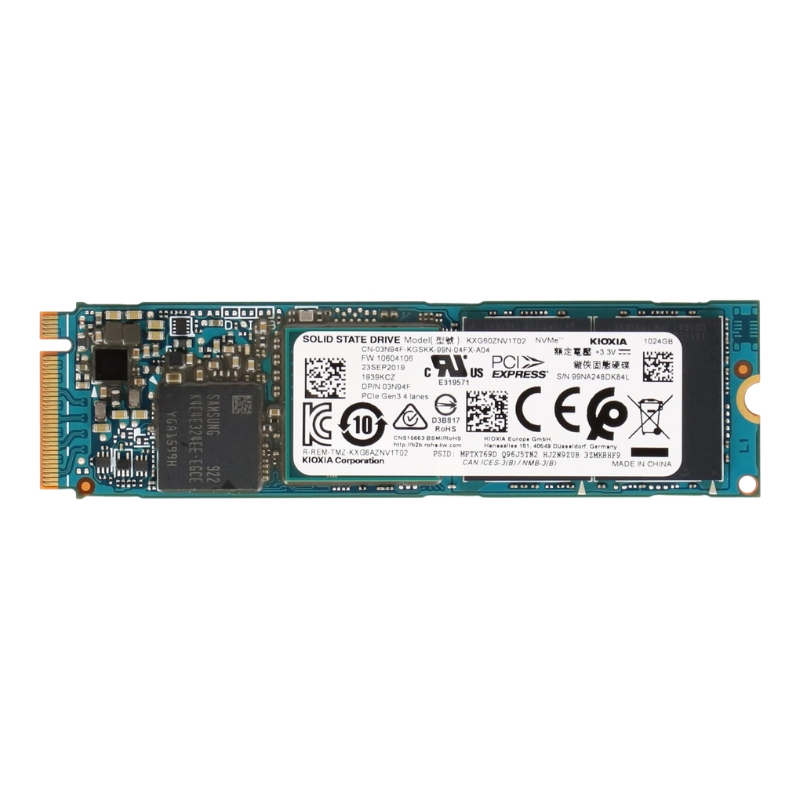


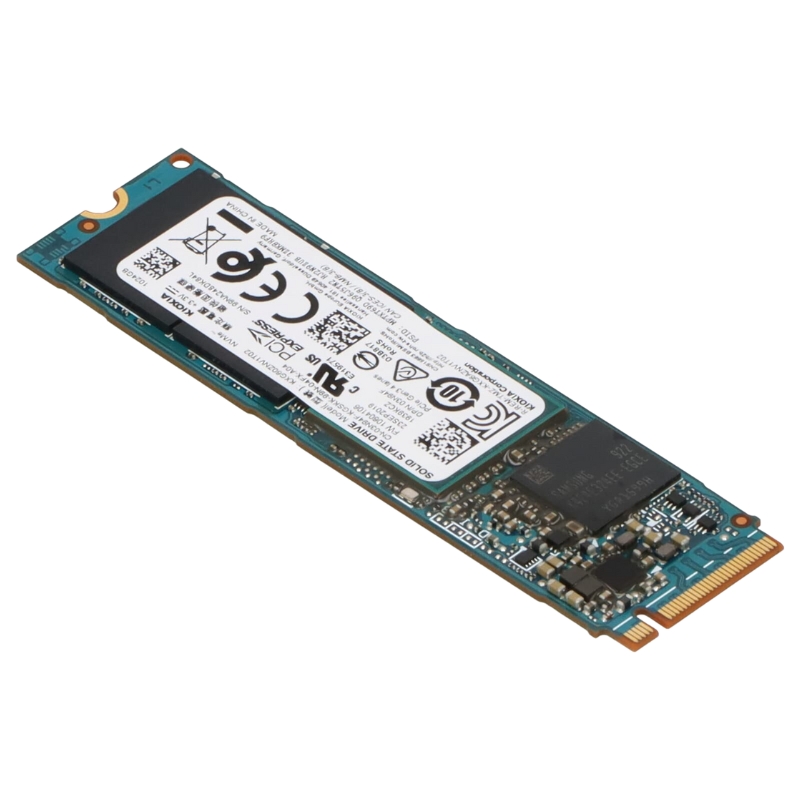
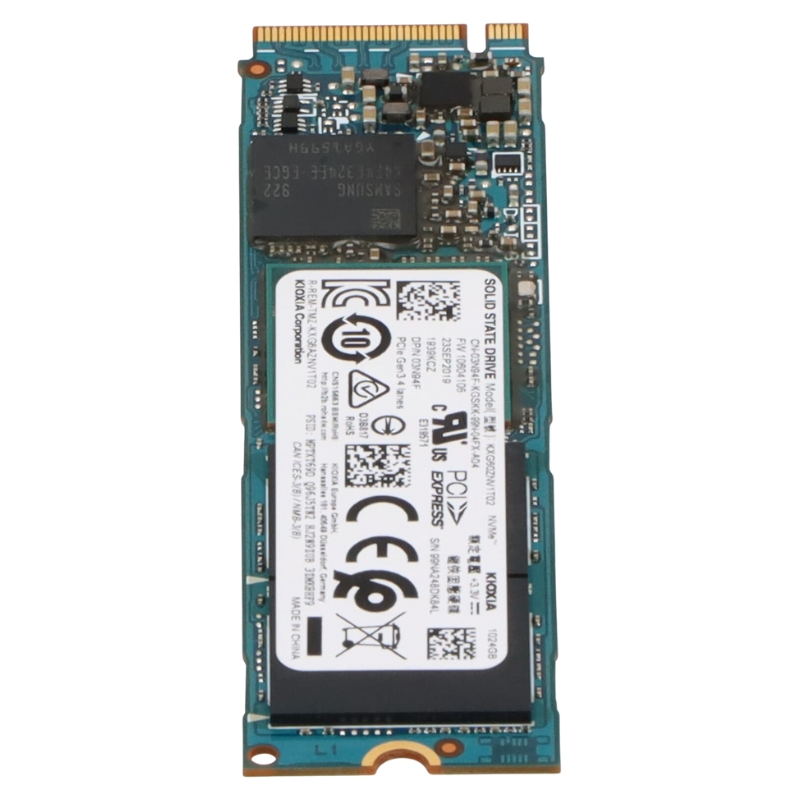
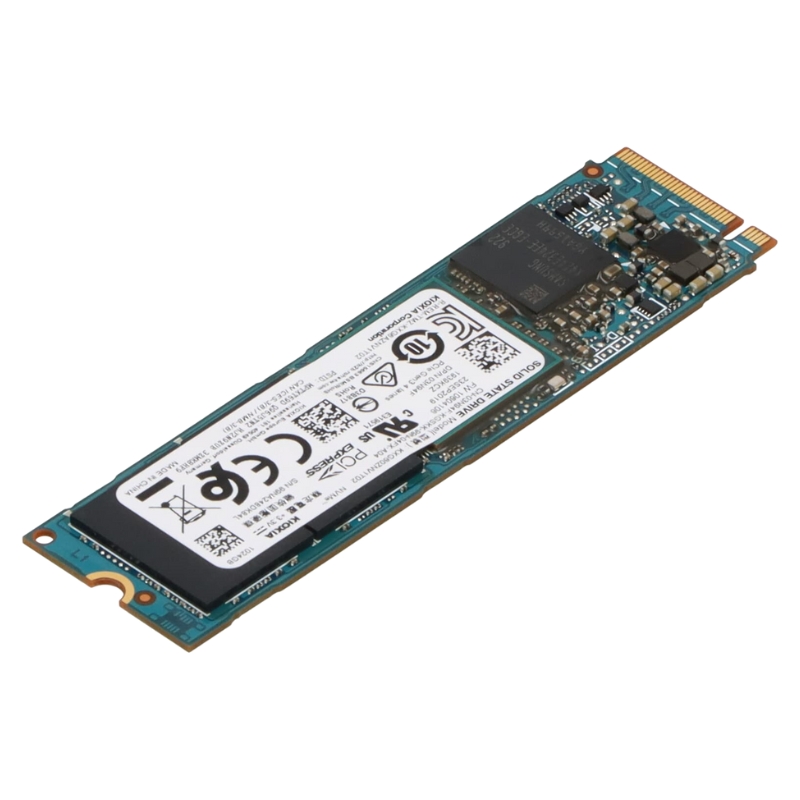
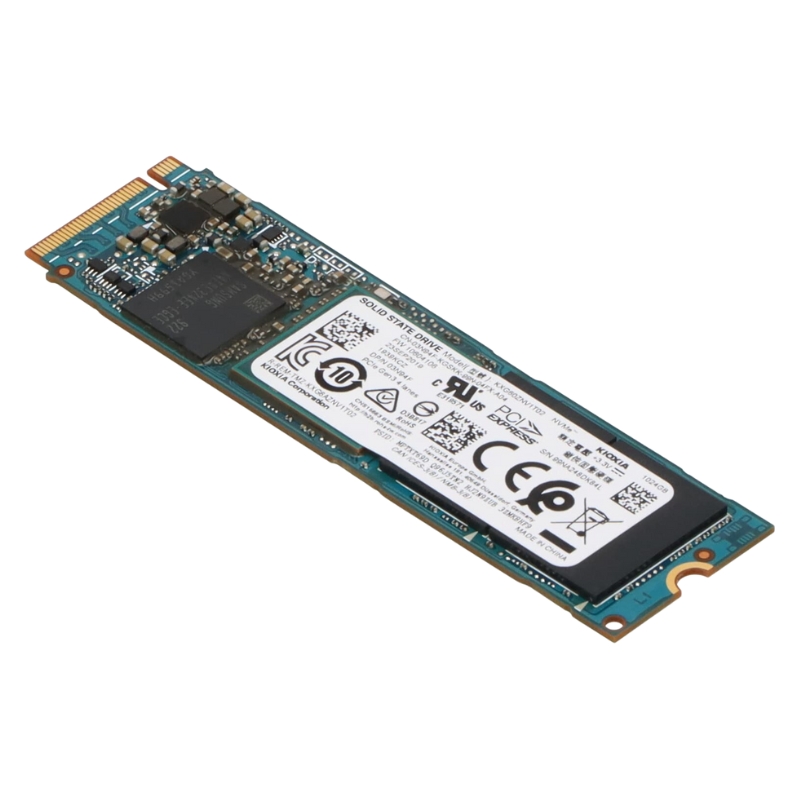
Dell 54D6F 960GB SATA 6GBPS M.2 2280 Enterprise Class 5300 Series 3D Read Intensive Solid State Drive. Excellent Refurbished with 1 year replacement warranty
The Dell 960GB M.2 2280 Solid State Drive (SSD) is designed for enterprise-class performance, reliability, and endurance. Engineered for demanding workloads, this SSD combines Micron's 5300 Pro Series Triple-Level Cell (TLC) technology with a high-speed SATA 6Gb/s interface, ensuring seamless data transfer and superior storage performance for modern data centers.
This Dell 960GB M.2 SSD is fully compatible with a wide range of PowerEdge servers, making it an ideal choice for enterprise storage upgrades or expansions. Compatible systems include:
Designed for 24/7 enterprise workloads, this SSD offers exceptional endurance, ensuring data integrity and minimal risk of drive failure. Features that enhance reliability include:
The Dell 960GB M.2 SSD is optimized for use in modern data centers and virtualized environments. Its low power consumption, high throughput, and support for RAID configurations make it suitable for mission-critical applications, cloud storage, and enterprise databases.
Within the enterprise storage landscape, one critical segment is compact, high‑density, high‑reliability solid‑state drives (SSDs) designed for server, storage‐array and embedded applications. This category covers drives such as the Dell 54D6F 960 GB SATA 6 Gbps M.2 2280 Enterprise Class 5300 Series 3D Read‑Intensive SSD, built specifically to address demanding workloads while offering a familiar SATA interface and the space‑saving M.2 2280 form‐factor.
This SSD achieves sequential read speeds of up to 540MB/s and sequential write speeds up to 520MB/s, providing quick access to large datasets, faster boot times, and smoother application performance. The high-speed SATA interface ensures minimal bottlenecks during data-intensive operations.
Using TLC NAND, the drive balances cost, capacity, and performance. It allows the storage of three bits per cell, offering increased density while maintaining the endurance necessary for enterprise environments.
The M.2 2280 form factor offers a compact and versatile design suitable for modern server configurations. The B+M Key connector supports broad compatibility, enabling straightforward integration into existing enterprise infrastructure without requiring additional adapters.
Firmware‑tuned drives in this category aim for predictable throughput and latency. For example, the 54D6F lists a sequential read speed up to ~540 MB/s and sequential write speed up to ~520 MB/s—figures consistent with high‑end SATA SSDs operating near SATA interface limits.It is also tuned for consistent random I/O performance under enterprise workloads, where read latency and tail‑latency consistency are more important than peak burst numbers.
Though specific TBW (terabytes written) or DWPD (drive‑writes per day) values may vary by firmware version and production batch, the “read‑intensive” classification indicates an endurance profile tailored for applications where reads dominate writes—such as web servers, content delivery, boot drives, data‑analytics read layers, and caching workloads. Because writes are less frequent, the drive firmware can focus on optimizing read path consistency and minimizing latency spikes. Additionally, enterprise‑class drives typically include advanced error correction, internal monitoring, and may support features such as power‑loss data protection or self‑encrypting drive (SED) options (depending on SKU).
Many enterprise systems still rely on SATA interfaces for storage—they are proven, supported, and often cheaper. The M.2 form‑factor further simplifies integration into dense servers or systems designed for M.2 modules. For system integrators or organisations upgrading existing fleets, this category offers an efficient upgrade path.
Enterprise‑class drives in this category are tuned not merely for raw performance peaks but for predictable, consistent performance and reliability under enterprise workloads. Tail‑latency and sustained behaviour matter far more than occasional bursts. Firmware, monitoring and error‑protection are engineered accordingly.
Confirm the endurance rating (TBW or DWPD) and ensure it matches your workload profile. For read‑intensive drives, ensure the write volume does not exceed what the design supports. While many reseller listings specify “read‑intensive,” you should check the official datasheet for exact write endurance values.
Verify that your system supports an M.2 2280 SATA drive (and not just NVMe). Ensure the connector keying (B+M or B‑key) is compatible, and confirm M.2 slot wiring. For the 54D6F the form‑factor is M.2 2280 and the interface is SATA.
In high‑density deployments, small form‑factor modules can be thermally constrained if airflow is limited. Ensure the module is rated for your operating environment, and that the server chassis provides adequate cooling for M.2 drives.
While this category is highly capable, it’s useful to compare it with adjacent categories to determine fit:
NVMe drives offer far higher throughput and lower latency than SATA drives. However, they come at higher cost and may require different controllers or infrastructure. For many read‑intensive workloads where ultra‑low latency is not mission‑critical, the enterprise M.2 SATA category offers an excellent balance of cost and performance.
If your workload involves heavy sustained writes (e.g., log files, write‑back caching, big‑data ingest), then write‑intensive SSDs (with higher DWPD ratings) may be more appropriate. The read‑intensive category is optimised for fewer writes and more reads. Selecting a write‑intensive drive when not required may increase cost unnecessarily; selecting a read‑intensive drive for write‑heavy workloads may compromise longevity.


 Contact Us
 Information
 Catalog
 Solid State Drives (SSD)
 Network Switches
 Hard Disk Drives
 HBA & Controllers
 PC & Servers
 PC & Server Memory
 CPU & Processors
 Network Routers
 Power Supplies
 Tape Drives & Libraries
 Network Devices
 Computer & Network Cables