(7% discount is applied at checkout)
Cart is empty
Your go-to destination for cutting-edge server products
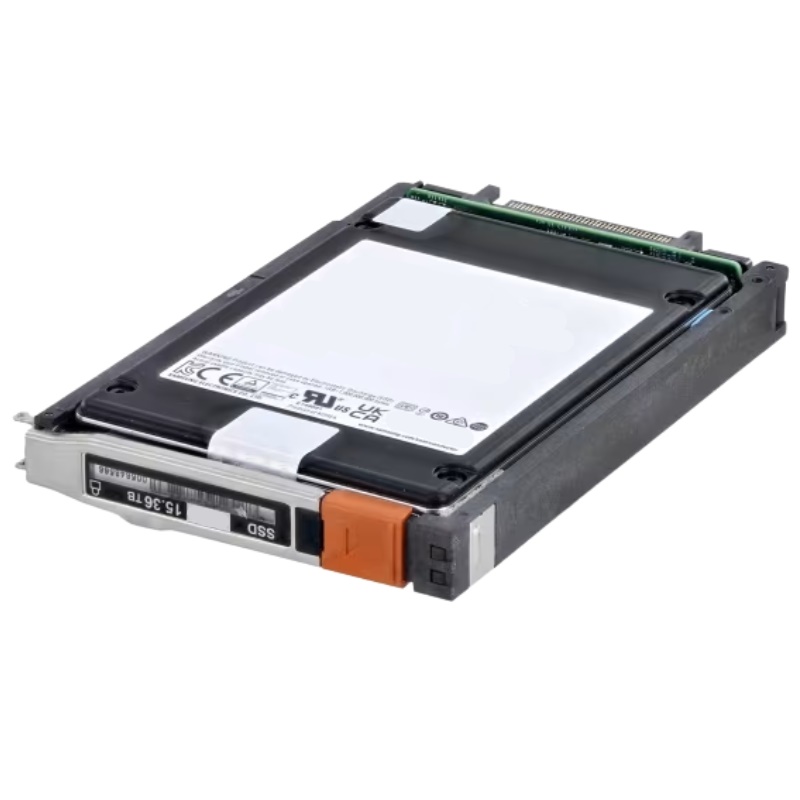


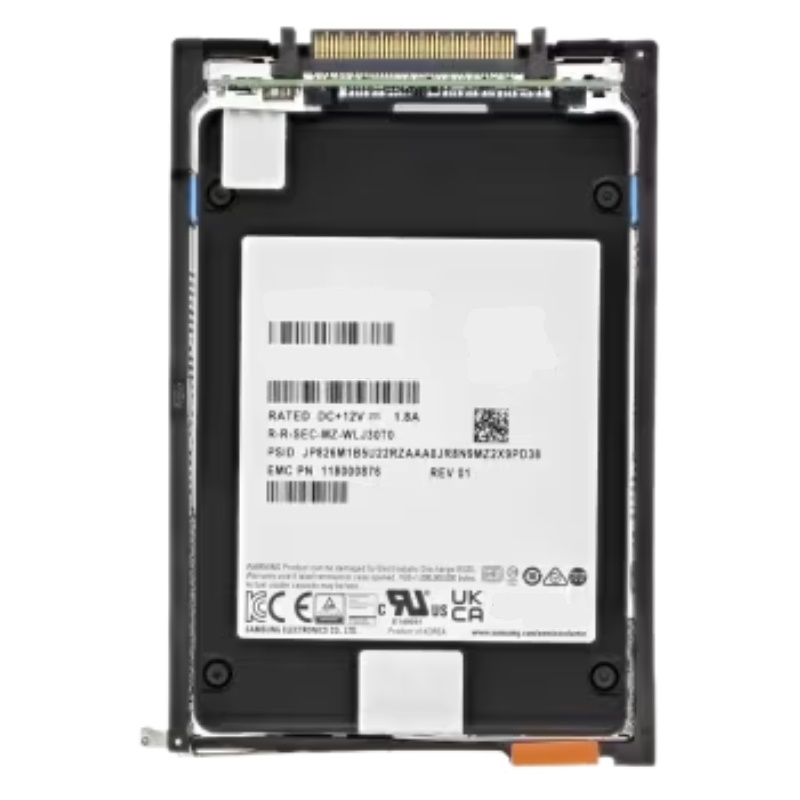
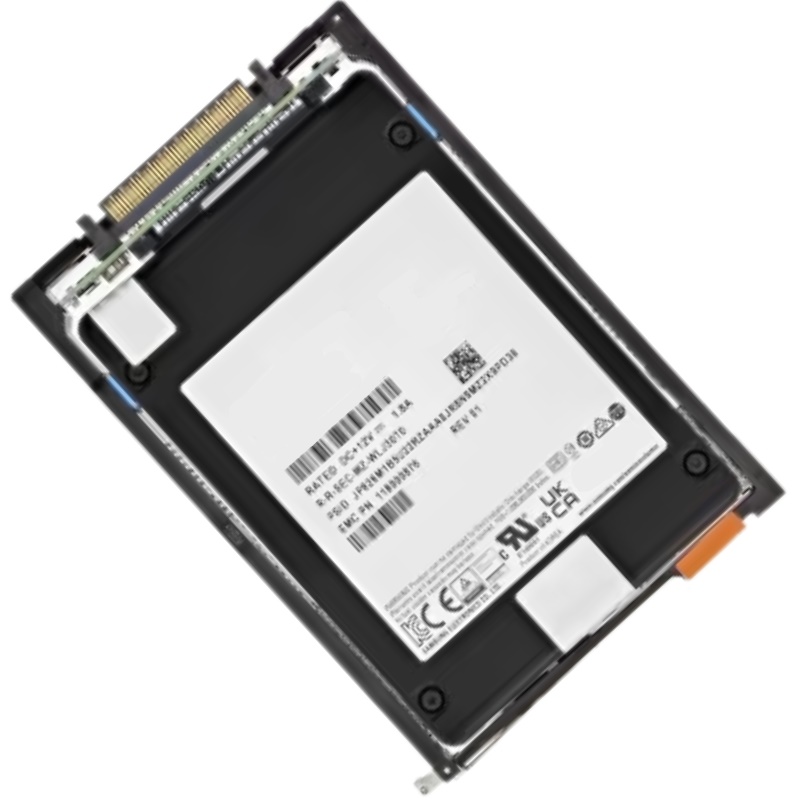
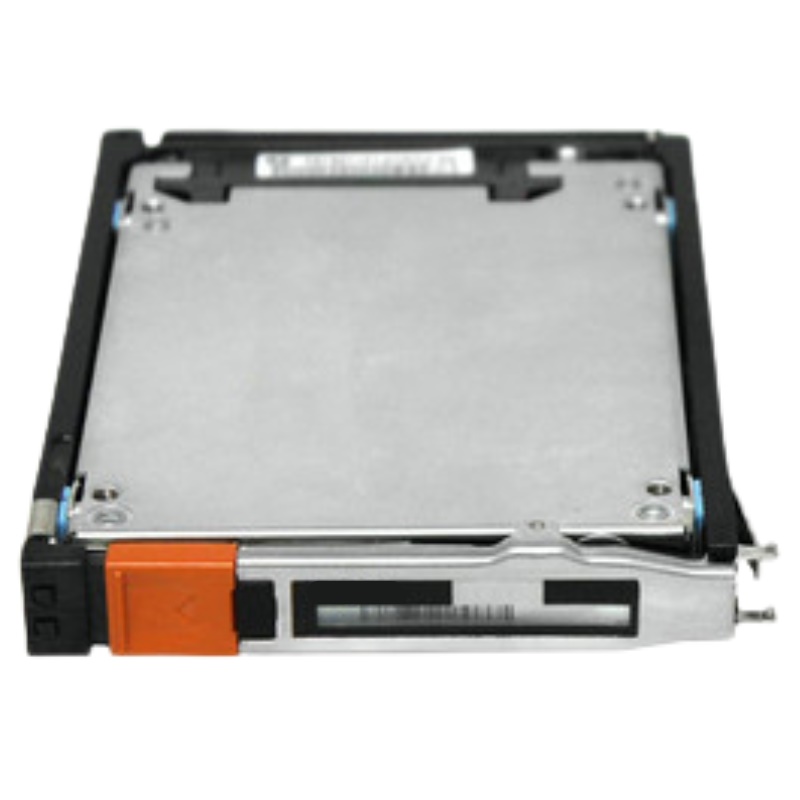
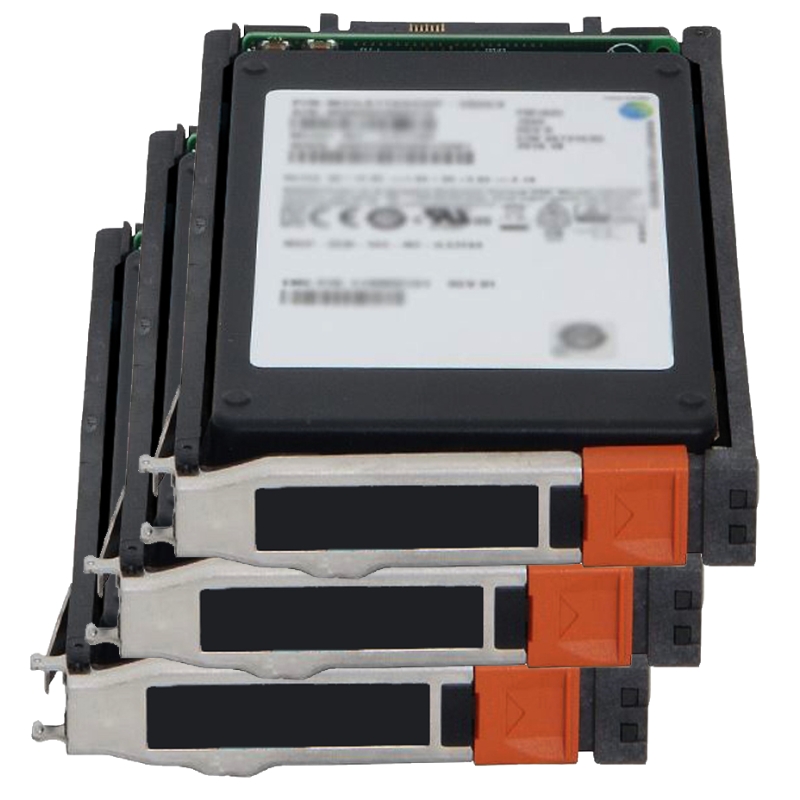
EMC D4F-2SFXL2-15360 15.36TB SAS-12GBPS SFF Enterprise Internal Solid State Drive. Excellent Refurbished with 1 year replacement warranty
The EMC D4F-2SFXL2-15360 delivers exceptional performance and reliability for data-intensive environments. Engineered for enterprise-grade applications, this solid-state drive ensures seamless data throughput and robust storage capabilities.
The D4F-2SFXL2-15360 EMC 15.36TB SAS-12Gbps SFF Enterprise Internal Solid State Drive represents a specialized class of high-density, high-reliability storage engineered for mission-critical environments. This category covers enterprise-grade SAS (Serial Attached SCSI) solid state drives built for sustained throughput, consistent low latency, and long-term endurance in rack-mounted servers, storage arrays, and virtualization platforms. The naming convention — D4F-2SFXL2-15360 — signals the specific model identity, while the capacity, 15.36TB, and the interface, SAS-12Gbps, identify the drive's role as a high-capacity internal block storage device that fits into small form factor (SFF) 2.5-inch drive bays. Throughout this category, emphasis is placed on performance parity with spinning media at high capacities, enterprise-class firmware, and operational features like power-loss protection, comprehensive SMART reporting, and compatibility with RAID controllers and storage platforms that remain widely deployed in data centers.
At the heart of this category is a compact 2.5-inch small form factor (SFF) mechanical design that allows dense drive populations in servers and storage enclosures. The 2.5-inch profile reduces rack footprint while enabling higher aggregate capacity per chassis when compared to larger form factor drives. Coupled with the SAS-12Gbps interface, these drives are engineered to support multiple lanes of host connectivity and to coexist with legacy SAS ecosystems as well as contemporary enterprise controllers. The mechanical assembly typically integrates a robust connector and standardized pinout to ensure reliable hot-swap operation. This category also highlights design elements such as reinforced chassis mounting points, standard screw patterns for sled integration, and thermal conduction paths to manage heat in tightly packed arrays. Physical considerations extend to label placement for easy field identification, shock and vibration tolerances suited for rack environments, and ESD-safe handling during installation and service.
Drives in this category are validated for compatibility with an extensive range of server vendors, RAID controllers, and storage array platforms. Because enterprise environments often include mixed inventories, interoperability with common drivers and firmware behaviors is essential. This category is therefore focused not only on raw performance metrics but on predictable behavior under controller-managed operations such as rebuilds, background scrubbing, and firmware-initiated error recovery. The SAS-12Gbps interface ensures backward compatibility with 6Gbps controllers while enabling full-speed transfers when paired with modern 12Gbps controllers. Administrators value drives that integrate with vendor tools for health monitoring, firmware upgrades, and compatibility matrices that simplify procurement and reduce integration risks.
Latency is a defining concern for enterprise storage, and drives in this category are engineered to provide consistent, predictable response times. The SAS-12Gbps interface contributes to reduced command turnaround, while firmware mechanisms prevent runaway background tasks from interrupting foreground I/O. Quality of service features are often implemented through prioritized command handling and predictable completion times that make these drives ideal for transactional workloads. Predictability under heavy load is particularly important during rebuild scenarios where many drives contend for bus time; robust firmware and power-loss protection help avoid prolonged windows of degraded performance. Deployments that require strict Service Level Agreements (SLAs) for latency-sensitive services commonly select enterprise SAS SSDs because they maintain narrow latency distributions even as queues grow.
SMART (Self-Monitoring, Analysis and Reporting Technology) metrics and vendor-specific telemetry are crucial for proactive maintenance. Drives in this category provide a comprehensive set of attributes that monitor remaining life, uncorrectable error counts, power cycle counts, temperature history, and wear-level indicators. These metrics feed into enterprise management systems and storage health dashboards that enable predictive replacement strategies before failures occur. Predictive monitoring reduces unplanned downtime and aligns procurement cycles with expected drive retirement schedules, enabling administrators to plan for capacity refreshes without disrupting SLAs. Integration with management frameworks also supports automated alerts and policy-driven actions in response to elevated wear or anomalous error patterns.
Power-loss protection is a non-negotiable attribute in this category. Enterprise drives typically incorporate capacitive or other energy-reserve systems that allow the drive to flush volatile caches and complete pending writes when unexpected power loss occurs. This ensures that metadata and critical user data are not left in an indeterminate state, which is essential for maintaining file system and RAID integrity. Safe shutdown procedures are often integrated with server and storage firmware to coordinate graceful transitions during power events, and the drive’s behavior during these events is a major differentiator for production deployments where data durability is paramount.
This category spans a range of deployment scenarios from primary storage in virtualized environments to cache and tiered layers in hybrid arrays. The 15.36TB capacity combined with SAS-12Gbps connectivity makes these drives suitable for large-capacity requirements where block-level access and enterprise-class behavior are required. Use cases include virtual machine hosting, database acceleration, high-performance file services, and media streaming where predictable throughput and low latency are critical. They are also well-suited as metadata or journal devices in distributed storage architectures where high performance for small, random I/O is necessary. In tiered architectures, these drives often serve as the high-performance tier above HDDs, providing the speed to handle hot data while spinning disks manage cold, archival loads.
These drives are designed to operate within RAID configurations and other redundancy schemes commonly used in enterprise storage. RAID controllers and software-defined storage layers rely on predictable drive behavior during rebuilds and failure recovery. The category emphasizes compatibility with common RAID levels and rebuild optimizations that shorten recovery windows and reduce exposure to potential multi-drive failures. Additionally, placement within RAID groups is determined by the drive’s endurance profile; drives with high DWPD ratings are commonly used in parity-heavy RAID sets, while read-optimized deployments may favor drives tuned for lower write amplification.
Integration considerations include compatibility with automation frameworks, Infrastructure as Code (IaC) practices, and observability platforms. Drives in this category provide detailed telemetry that feeds into monitoring systems for automated scaling, capacity forecasting, and lifecycle automation. They are expected to integrate seamlessly with orchestration tools that provision storage for ephemeral workloads and persistent volumes alike. Furthermore, storage orchestration layers use drive-level attributes to place data intelligently across performance tiers and to enforce data placement policies that reflect business priorities. This category therefore aligns with modern data center principles by supporting programmability, instrumentation, and policy-driven administration that enable teams to treat storage as a dynamic resource.


 Contact Us
 Information
 Catalog
 Solid State Drives (SSD)
 Network Switches
 Hard Disk Drives
 HBA & Controllers
 PC & Servers
 PC & Server Memory
 CPU & Processors
 Network Routers
 Power Supplies
 Tape Drives & Libraries
 Network Devices
 Computer & Network Cables