(7% discount is applied at checkout)
Cart is empty
Your go-to destination for cutting-edge server products
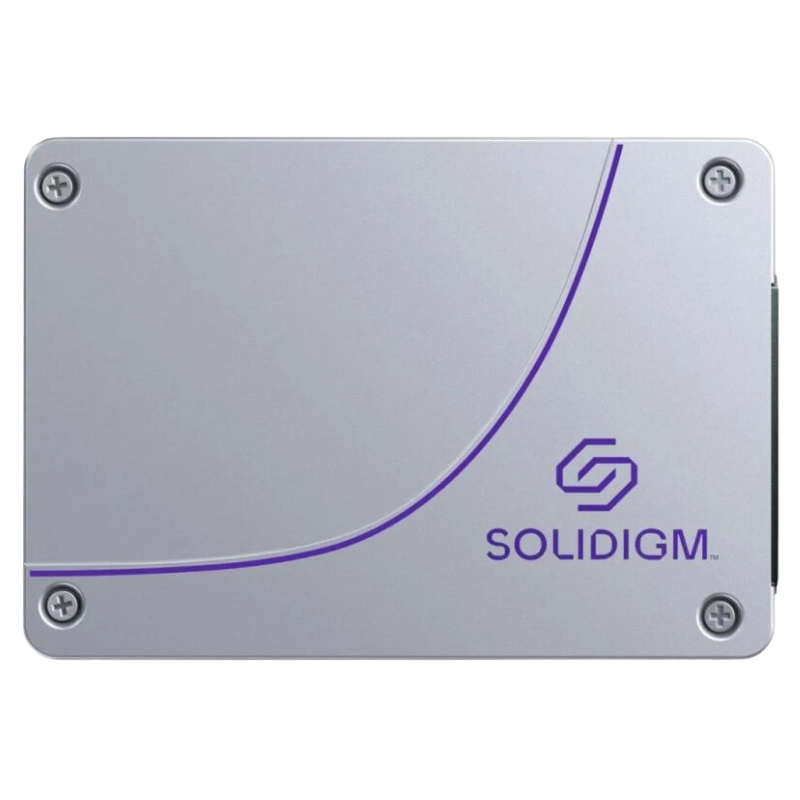


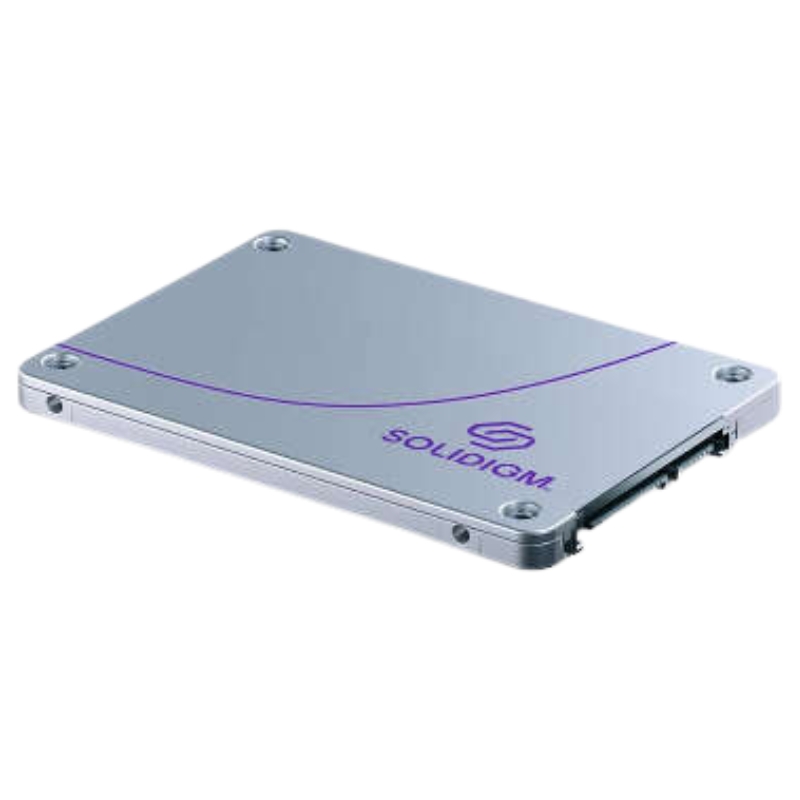
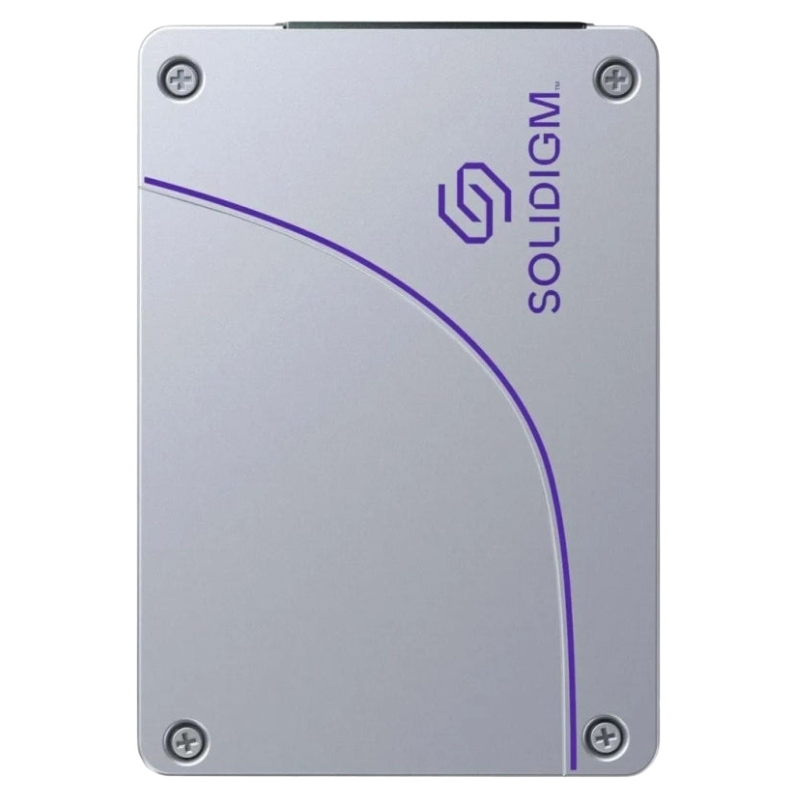
Solidigm SSDPF2KE128T11Z 12.8TB PCI-E D7-P5620 2.5Inch U.2 15mm SSD. New Sealed in Box (NIB) with 3 years Warranty
The Solidigm SSDPF2KE128T11Z D7-P5620 represents the pinnacle of enterprise-grade solid-state storage technology, designed specifically for data center environments requiring exceptional performance, reliability, and endurance. This SSD series combines cutting-edge 3D NAND technology with advanced controller architecture to deliver consistent low-latency performance under demanding workloads. Positioned as a high-performance mixed-use storage solution, the D7-P5620 series bridges the gap between read-intensive and write-intensive workloads, making it ideal for cloud computing, hyperscale data centers, and enterprise storage applications. The drive is engineered to handle diverse workload patterns while maintaining predictable latency and quality of service.
The Solidigm SSDPF2KE128T11Z utilizes the U.2 form factor with 2.5-inch physical dimensions and 15mm z-height profile. This industry-standard form factor ensures compatibility with existing enterprise server and storage infrastructure while providing sufficient physical space for the high-density NAND flash packages and sophisticated controller technology.
Featuring a PCI Express 4.0 x4 host interface, the D7-P5620 delivers double the bandwidth compared to previous generation PCIe 3.0 solutions. This interface supports NVMe 1.4 specification, enabling advanced features including enhanced power management, virtualization support, and improved security protocols. The x4 lane configuration provides maximum theoretical bandwidth of approximately 8 GB/s, ensuring the flash memory components are not bottlenecked by interface limitations.
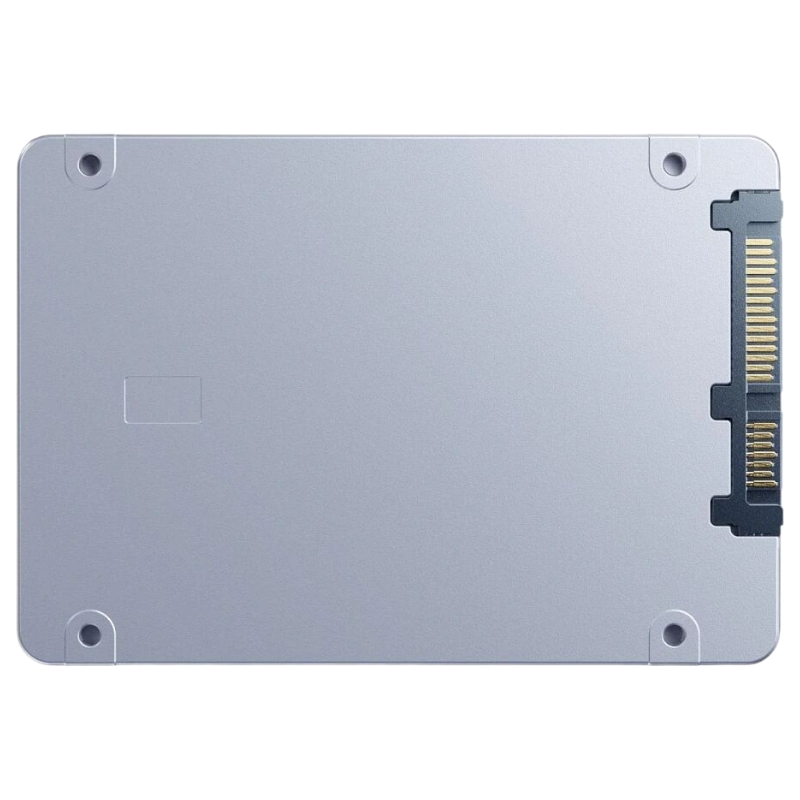
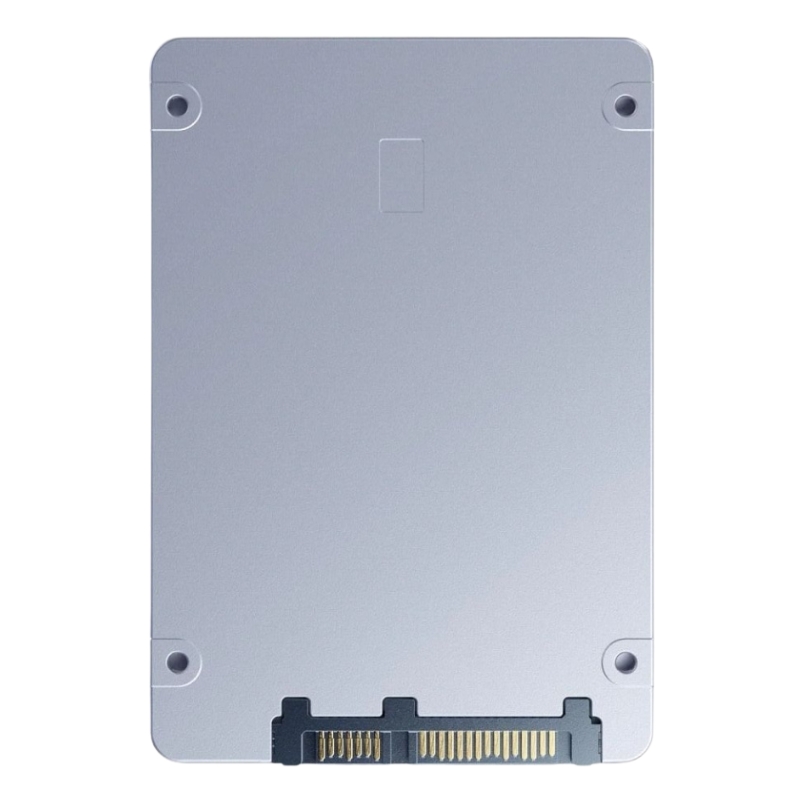
The drive employs a standard U.2 (SFF-8639) connector that supports both PCI Express and SATA signaling, though it operates exclusively in PCIe mode. The 15mm thickness accommodates the substantial NAND flash packages required for the 12.8TB capacity while maintaining compatibility with most enterprise server drive bays and storage enclosures designed for 2.5-inch form factors.
With 12.8 terabytes of user-accessible storage capacity, this SSD provides substantial space for enterprise workloads while maintaining over-provisioning for performance consistency and longevity. The capacity is achieved through advanced 3D NAND technology arranged in a dense packaging configuration.
The SSDPF2KE128T11Z drive utilizes third-generation 3D TLC (Triple-Level Cell) NAND flash memory, specifically identified as 3D4 architecture. This represents the fourth iteration of 3D NAND technology, featuring enhanced cell density and improved performance characteristics compared to previous generations. The TLC configuration stores three bits per cell, striking an optimal balance between cost, endurance, and performance for enterprise mixed-use applications.
The 3D4 TLC NAND is organized in multiple layers stacked vertically to achieve high density without increasing the planar footprint. This stacking technology enables the substantial 12.8TB capacity within the 2.5-inch form factor while maintaining thermal characteristics suitable for continuous operation in data center environments.
The Solidigm SSDPF2KE128T11Z D7-P5620 12.8TB delivers exceptional sequential transfer rates that maximize the capabilities of the PCIe 4.0 interface. Sequential read performance reaches up to 7,000 MB/s, while sequential write performance achieves up to 3,800 MB/s under sustained workloads. These performance figures ensure rapid data transfer for large file operations, backup processes, and data migration tasks.
Enterprise workloads demand consistent performance even during extended write operations. The D7-P5620 maintains stable write performance through advanced flash management techniques including dynamic write acceleration, sophisticated garbage collection algorithms, and substantial DRAM buffering. The drive is engineered to avoid significant performance degradation even during continuous write scenarios common in mixed-use enterprise environments.
Random input/output operations represent the majority of enterprise storage workloads. The Solidigm D7-P5620 12.8TB excels in this critical area with random read performance reaching up to 1,400,000 IOPS (Input/Output Operations Per Second) and random write performance up to 260,000 IOPS. These exceptional random performance metrics ensure responsive operation under demanding database transactions, virtualization workloads, and other latency-sensitive applications.
Consistent low latency is a hallmark of enterprise SSDs, and the D7-P5620 delivers exceptional quality of service with read latencies typically below 100 microseconds and write latencies below 15 microseconds. The drive implements advanced queue management and processing optimizations to maintain predictable latency even during peak workload conditions, ensuring consistent application performance.
Data integrity is maintained through multiple layers of error correction, including advanced low-density parity check (LDPC) codes that correct bit errors occurring during NAND flash operation. The drive implements end-to-end data protection with CRC (Cyclic Redundancy Check) verification for both data and metadata, ensuring corruption detection throughout the data path from host interface to NAND flash media.
Enterprise environments require protection against data loss during unexpected power interruptions. The D7-P5620 incorporates robust power-loss protection circuits that include both tantalum and ceramic capacitors providing sufficient hold-up time to complete in-progress write operations and flush cached data to non-volatile storage when primary power is interrupted.
The Solidigm SSDPF2KE128T11Z D7-P5620 12.8TB operates with typical active power consumption of approximately 14-16 watts during read operations and 18-20 watts during write operations. The drive supports multiple power states as defined by the NVMe specification, including operational, idle, and sleep states that optimize power efficiency based on workload demands.
During active operation, power consumption varies based on workload intensity and queue depth. In idle states, the drive can reduce power consumption to approximately 5 watts while maintaining readiness for immediate operation. Advanced power management features allow the drive to dynamically adjust power consumption based on thermal conditions and performance requirements.
The Solidigm D7-P5620 12.8TB model referenced by part number SSDPF2KE128T11Z is configured without OPAL (TCG Opal Storage Specification) security features. This configuration is typical for drives intended for secured physical environments where hardware-based encryption is managed at the system level rather than the drive level.
While lacking OPAL implementation, the drive still supports basic security features including secure erase functionality that allows complete sanitization of all user data. For environments requiring encrypted storage, encryption can be implemented at the host level using software solutions or through hardware security modules integrated within the server architecture.
Different enterprise workloads exhibit distinct I/O patterns that impact SSD performance characteristics. The D7-P5620 12.8TB is particularly well-suited for mixed-use scenarios including database applications, virtualized infrastructure, content delivery networks, and medium-duty server applications where balanced read/write performance is essential.
For database applications, the drive delivers exceptional random read performance for query operations and consistent write performance for transaction commits. The low latency ensures responsive database performance even under heavy concurrent user loads, while the high endurance accommodates frequent transaction log writes common in OLTP environments.
In virtualized environments, the drive handles the mixed random I/O patterns generated by multiple virtual machines operating simultaneously. The high queue depth performance ensures that I/O requests from numerous VMs are processed efficiently, while consistent latency prevents performance degradation during periods of high contention.


 Contact Us
 Information
 Catalog
 Solid State Drives (SSD)
 Network Switches
 Hard Disk Drives
 HBA & Controllers
 PC & Servers
 PC & Server Memory
 CPU & Processors
 Network Routers
 Power Supplies
 Tape Drives & Libraries
 Network Devices
 Computer & Network Cables