(7% discount is applied at checkout)
Cart is empty
Your go-to destination for cutting-edge server products
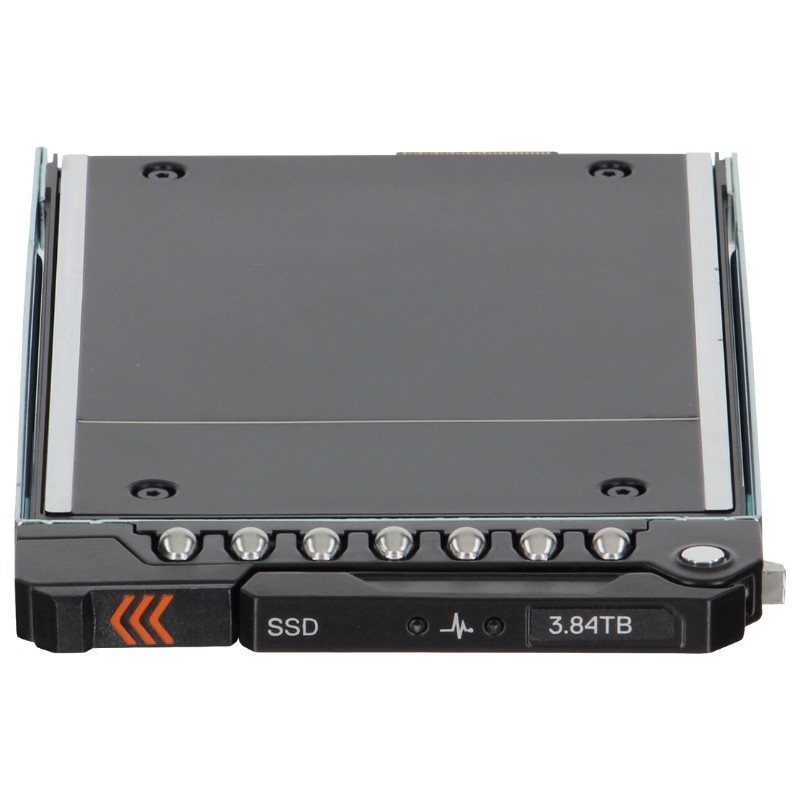


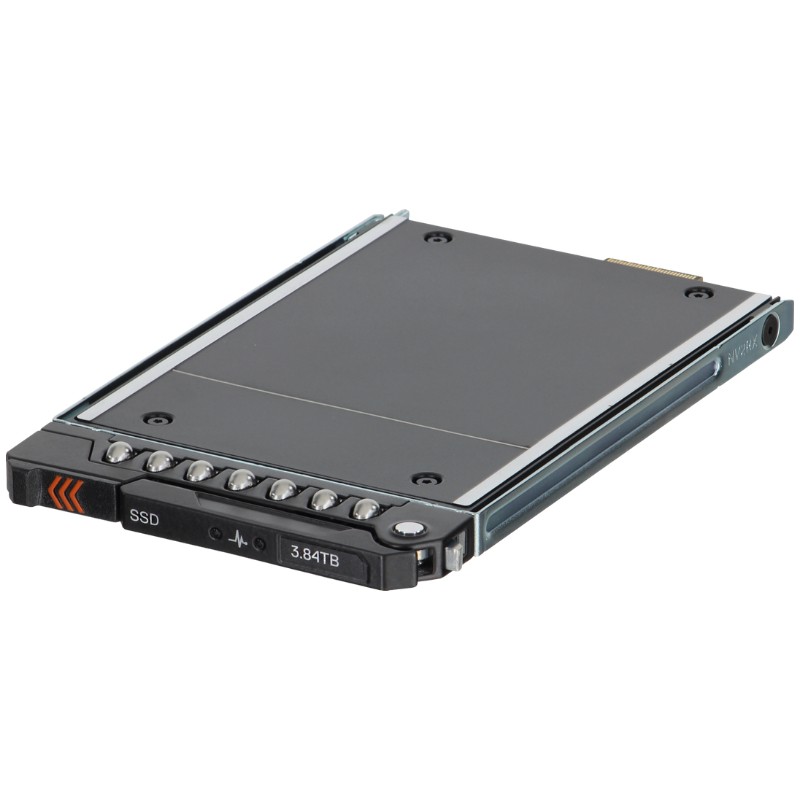
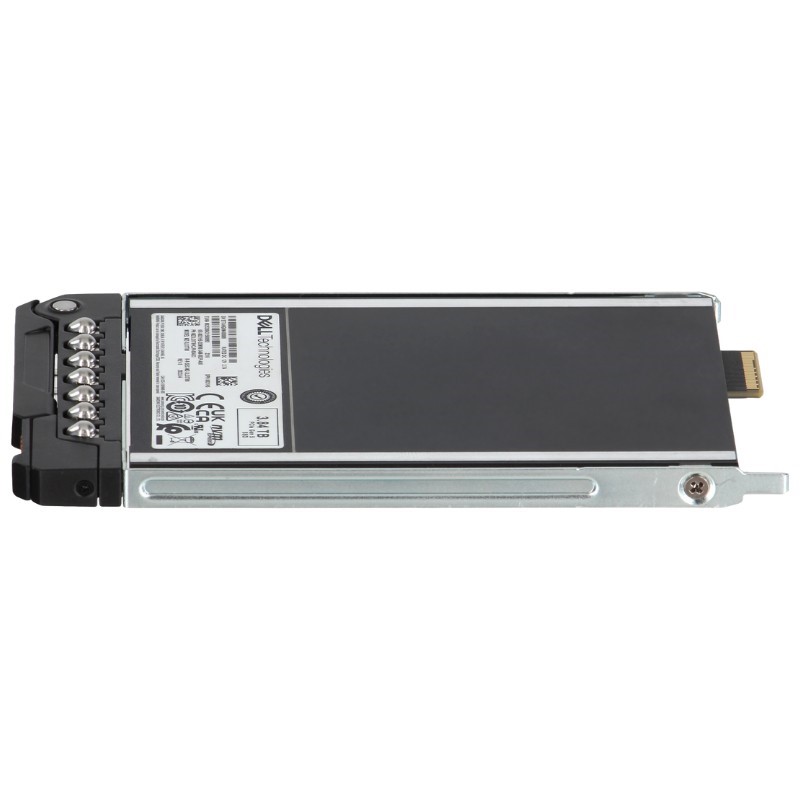
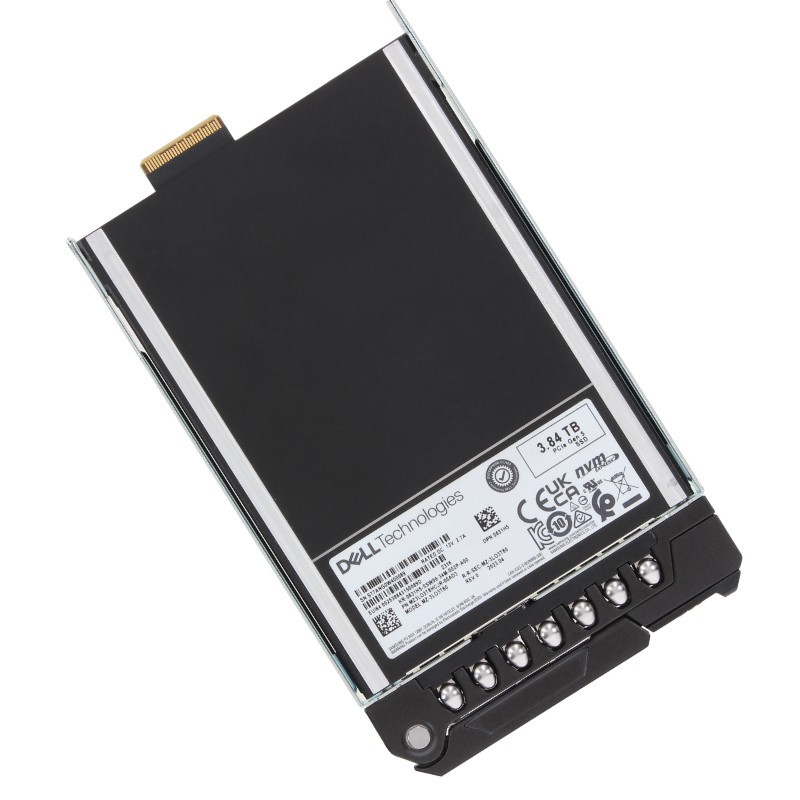
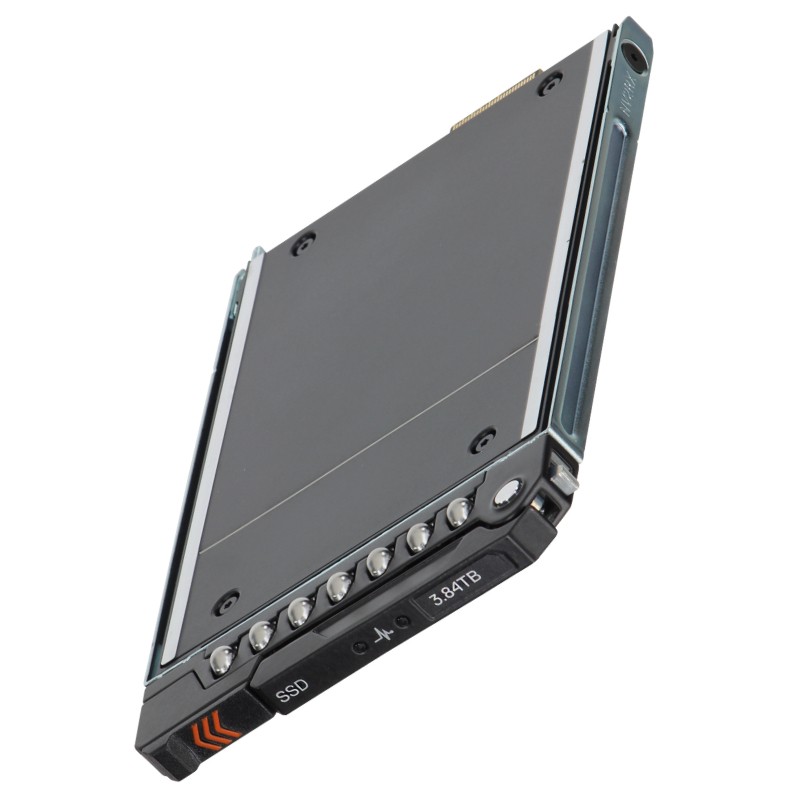
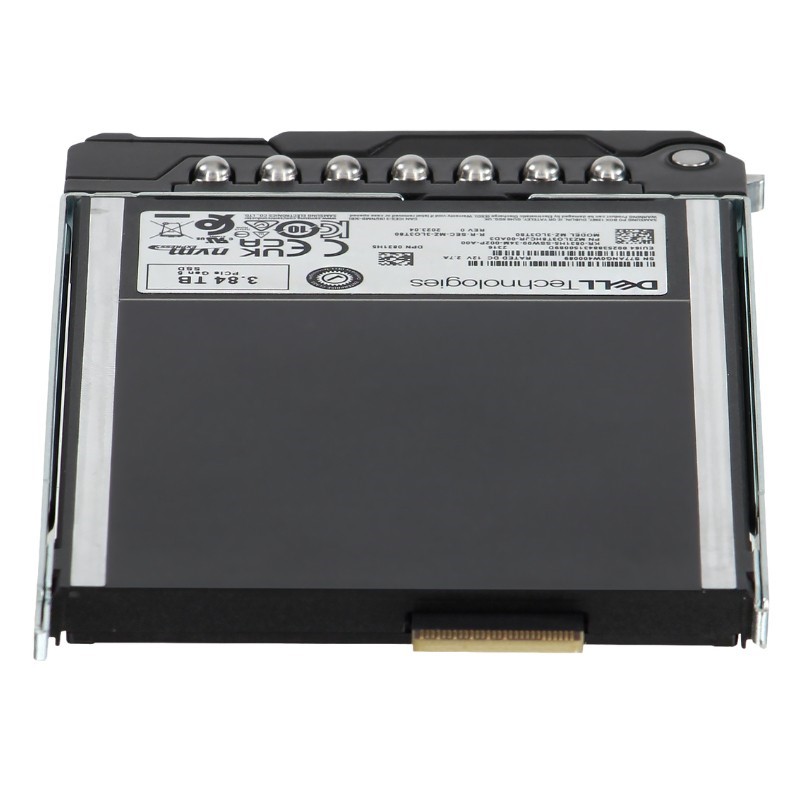
Dell 400-BOMM 3.84TB PCI-E 5.0 X4 NVMe E3.S Read Intensive SFF Enterprise Solid State Drive. New Sealed in Box (NIB) with 1-Year Replacement Warranty
The Dell 400-BOMM represents a monumental leap in enterprise data storage technology. This cutting-edge 3.84TB PCIe Gen5 NVMe SSD is meticulously engineered for Dell PowerEdge server ecosystems, delivering exceptional throughput and transformative efficiency for contemporary data centers.
Designed For modern data centers that demand a balance of high throughput, low latency, and cost-efficient endurance, the Dell 400-BOMM is a purpose-built enterprise solid state drive engineered to take full advantage of PCIe Gen 5.0 bandwidth while retaining the trusted mechanical and thermal characteristics of a 2.5-inch form factor. This drive leverages NVMe protocols over an E3.S-compatible platform and is optimized for read-intensive workloads using advanced TLC NAND, making it especially suitable for read-heavy database queries, caching layers, media streaming, and large-scale analytics. Delivered with a tray that integrates seamlessly into Dell PowerEdge 14G, 15G, 16G and 17G servers, the 400-BOMM simplifies deployment and system validation for administrators seeking consistent, predictable storage behavior in production environments.
At The core of the 400-BOMM is a PCIe Gen 5.0 x4 interface that doubles the per-lane throughput of the previous generation. This creates a substantial headroom for sequential and random IO operations and reduces device-level bottlenecks that can throttle database responsiveness or real-time analytics tasks. The NVMe protocol stack implemented in the controller provides advanced command queuing, low-latency doorbell mechanisms, and end-to-end data integrity features. Firmware in the drive intelligently maps NVMe namespaces and supports modern NVMe features such as asynchronous event notifications and efficient multi-queue handling, which helps maximize parallelism across multicore server platforms and high-concurrency applications.
The 400-BOMM Arrives in a hybrid mechanical envelope that respects both modern E3.S electrical/thermal layout and the physical simplicity of a 2.5-inch drive with tray. This design choice preserves the density expectations of enterprise racks while enabling improved thermal dissipation and airflow compatibility with existing Dell PowerEdge sleds and drive bays. The included tray has been validated for hot-swap operation in 14th, 15th, 16th, and 17th generation PowerEdge servers, ensuring that IT teams can perform maintenance or scaling activities without significant changes to server hardware or cabling strategy.
Engineered Specifically for read-dominant applications, the drive’s TLC NAND is paired with controller-level algorithms tuned to prioritize sustained read performance. Typical enterprise read-intensive metrics such as sustained sequential throughput, small-block random read IOPS, and consistent tail latency under load are all targets of the drive’s firmware strategy. By focusing on read optimization while maintaining sufficient write buffering and wear-leveling, the 400-BOMM delivers a cost-effective solution for workloads where reads dramatically outnumber writes while still providing robust endurance characteristics for everyday enterprise operations.
Under Mixed And read-specific loads, the 400-BOMM provides a stable performance curve with high sequential read bandwidth and efficient handling of random read IO. The Gen 5.0 x4 interface provides aggregated bandwidth that benefits large-block streaming and multi-threaded database queries alike. For high IOPS scenarios, the NVMe controller supports deep queue handling and multi-namespace mapping so that modern operating systems and hypervisors can exploit parallelism across cores and threads without saturating host-side resources prematurely.
Enterprise Use cases demand predictable tail latency. The 400-BOMM’s firmware implements prioritization of read operations, optimized garbage collection windows, and adaptive background tasks which reduce interference with foreground IO. The result is improved Quality of Service (QoS) for latency-sensitive reads, a critical attribute for transactional databases, index lookups, and metadata servers where microsecond-level consistency is important for application SLAs.
Although Targeted at read-intensive workloads, this model incorporates TLC NAND with enterprise-grade endurance control, including dynamic over-provisioning and intelligent wear-leveling. These mechanisms ensure the drive maintains performance and capacity for the expected service life under typical read-heavy patterns. End-to-end data protection features such as internal ECC, RAID-like parity at the flash translation layer, and power-loss protection circuitry help preserve data integrity during unexpected events and power transitions.
Firmware Plays a pivotal role in the lifecycle behavior of the 400-BOMM. It manages flash wear, schedules background reclamation tasks at low-impact times, and dynamically adjusts error management thresholds based on device telemetry. For IT administrators, this translates to predictable replacement cycles, fewer unplanned maintenance windows, and the ability to model total cost of ownership with greater confidence.
The Drive exposes SMART attributes specific to NAND health, media errors, and controller status. When paired with Dell’s management suites and server monitoring agents, administrators can capture trend data to forecast drive retirement, observe anomalous behavior, and automate workflows that replace drives proactively. This blend of visibility and automation reduces the risk of data disruption and supports modern site reliability engineering practices.
Validated For use in Dell PowerEdge 14G through 17G families, the 400-BOMM attaches via standard drive bays and interacts cleanly with the server’s storage backplane and management firmware. Compatibility testing ensures that hot-swap operations, LED status indicators, and FRU (Field Replaceable Unit) handling conform to Dell’s operational expectations. IT teams benefit from a drop-in storage upgrade path that minimizes requalification time while delivering Gen 5 connectivity where supported by the host system.
The Supplied tray does more than simplify mechanical mounting; it ensures proper airflow channels and thermal conductivity between the drive and the server chassis. Tray latches, eject mechanisms, and connector alignments are optimized for frequent service interventions so that technicians can replace drives with a predictable mechanical experience. Hot-swap safety features and alignment tolerances are built to reduce the chance of bent pins or interrupted backplane contacts during field maintenance.
While The drive is optimized for newer PowerEdge generations that support PCIe Gen 5.0, backward compatibility modes allow the 400-BOMM to function in Gen 4 and Gen 3 host lanes at reduced bandwidth. This tiered interoperability enables phased infrastructure upgrades where organizations can populate critical nodes with Gen 5 storage while maintaining mixed-generation clusters, facilitating budget-friendly modernization strategies.
Security Features include support for TCG Opal and hardware-based encryption options (subject to firmware and key-management policies), allowing enterprises to protect data at rest without incurring host CPU overhead. Secure erase commands and cryptographic secure erase functions give administrators a fast, auditable method to sanitize devices before redeployment or decommissioning. Integration with server-level TPM and key management systems supports compliance-driven workflows for regulated industries.
For Workloads Subject to regulatory standards, the 400-BOMM’s encryption and audit-friendly secure erase pathways help satisfy data governance requirements. When combined with Dell’s broader systems-level logging and lifecycle policies, organizations can construct retention and deprovisioning procedures that align with legal and contractual obligations.
Thermal Efficiency is a decisive factor for densely populated server racks. The 400-BOMM is engineered with thermal dissipation patterns that guide airflow across the NAND and controller components. The tray encourages conductive cooling, while the drive firmware can throttle non-critical background operations under sustained high-temperature conditions to protect media without causing abrupt performance cliffs for foreground reads.
In environments Where dozens or hundreds of drives coexist in blade and rack servers, predictable thermal behavior reduces the need for aggressive datacenter cooling setpoints. The 400-BOMM’s low thermal footprint and conservative power envelope support higher drive counts per chassis, improving overall storage density while maintaining ambient temperatures within safe operating thresholds.
Energy Efficiency has operational cost implications. The drive offers several power states and low-power idle behaviors enabling rack-level power management when drives are lightly utilized. By reducing unnecessary power consumption during idle windows without compromising availability, data centers can optimize expense lines tied to electricity and cooling.
Ideal Use Cases for the 400-BOMM include read-dominant database front-ends, content delivery caches, index servers, distributed file system metadata nodes, virtual desktop image stores, and hot-tier object storage. The drive’s combination of Gen 5 bandwidth and read-optimized flash algorithms make it well-suited for application layers where read latency is a primary determinant of end-user experience.
Analytics Pipelines often read large datasets repeatedly during aggregation and model training phases. The 400-BOMM provides the sequential and random read performance necessary to reduce job completion times and improve cluster throughput. For nodes in parallel file systems and object gateways, the drive’s performance characteristic helps reduce IO wait times and enables higher concurrency of analytic tasks.
Virtual Machines and Containers can benefit from low-latency reads when boot storms, snapshotting, and image streaming are routine. The drive’s predictable read QoS minimizes noisy-neighbor effects and helps hypervisor schedulers maintain SLAs for a larger population of tenants or workloads.
Benchmarking The drive in representative environments delivers actionable insights that complement vendor specifications. Synthetic benchmarks that focus exclusively on maximum bandwidth or IOPS can overstate performance in mixed cloud or database loads. Real-world testing under concurrent client connections, mixed read/write ratios, and realistic queue depths provides a more accurate picture of how the 400-BOMM will behave in production. These tests typically reveal consistent read performance, manageable write backpressure, and stable latency under operational loads.
To Obtain meaningful metrics, design tests that mimic expected workload characteristics: use representative block sizes, model concurrency with multiple host threads, and run sustained tests that exercise the drive’s wear-leveling and garbage collection behaviors. When comparing generations of drives, record not only peak numbers but also tail latency, throughput degradation over time, and SMART health evolution.
Upgrading To the 400-BOMM across a fleet involves planning for migration windows, validating host firmware compatibility, and establishing rollback procedures should unexpected interactions occur. Migration strategies frequently involve a phased approach where critical nodes are upgraded first, followed by less critical tiers. Data mobility tools, live-migration features in hypervisors, and storage replication technologies can help ensure zero-downtime or minimal-downtime transitions depending on business requirements.
The drive supports integration into existing JBOD arrays, RAID controllers that are NVMe-aware, and software-defined storage stacks. Administrators should validate how the drive’s capacity, QoS behavior, and power profile interact with pool-level balancing and rebuild strategies to avoid surprises during rebuild operations or node failures.
To Maximize reliability, align background maintenance windows with low utilization periods, maintain Datacenter ambient conditions within manufacturer specifications, and avoid unnecessary firmware churn during peak operation windows. Employ host-side caching thoughtfully; while caching boosts perceived performance, it can also mask underlying storage issues that should be addressed directly.
Make Use of continuous monitoring to refine procurement decisions over time. By aggregating telemetry across deployments, IT leaders can identify when a drive class reaches the limit of its useful life, when alternative configurations deliver better economics, and when architecture changes such as tiered storage or NVMe over Fabrics should be considered to address evolving workload demands.


 Contact Us
 Information
 Catalog
 Solid State Drives (SSD)
 Network Switches
 Hard Disk Drives
 HBA & Controllers
 PC & Servers
 PC & Server Memory
 CPU & Processors
 Network Routers
 Power Supplies
 Tape Drives & Libraries
 Network Devices
 Computer & Network Cables