(7% discount is applied at checkout)
Cart is empty
Your go-to destination for cutting-edge server products
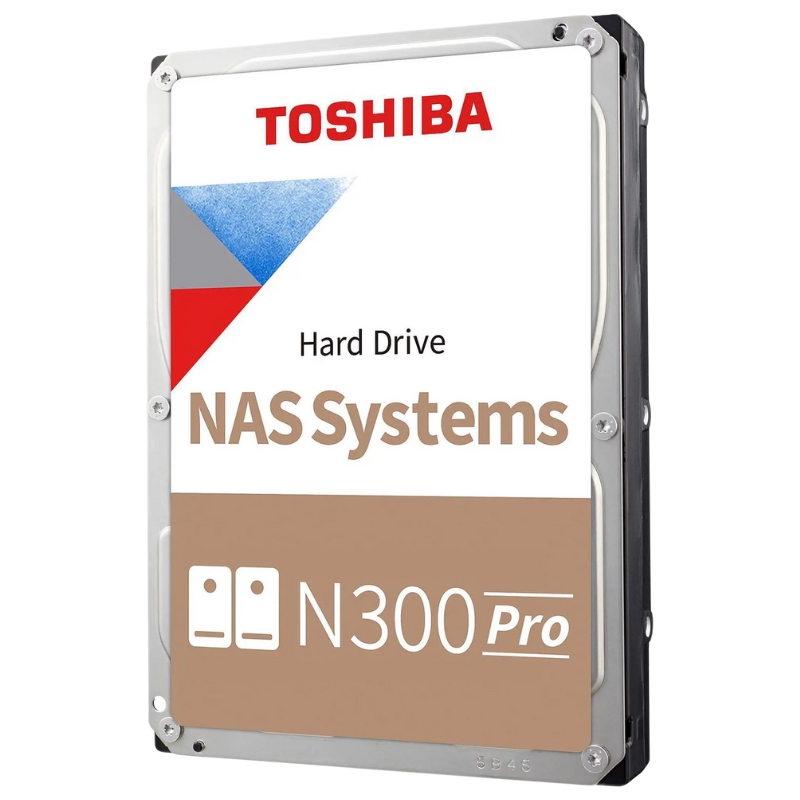


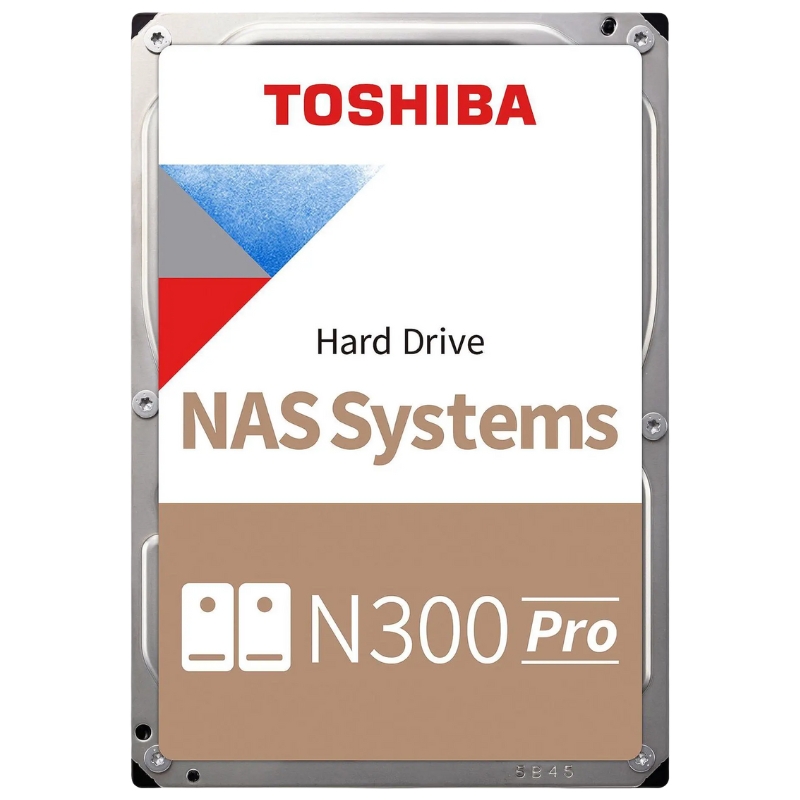
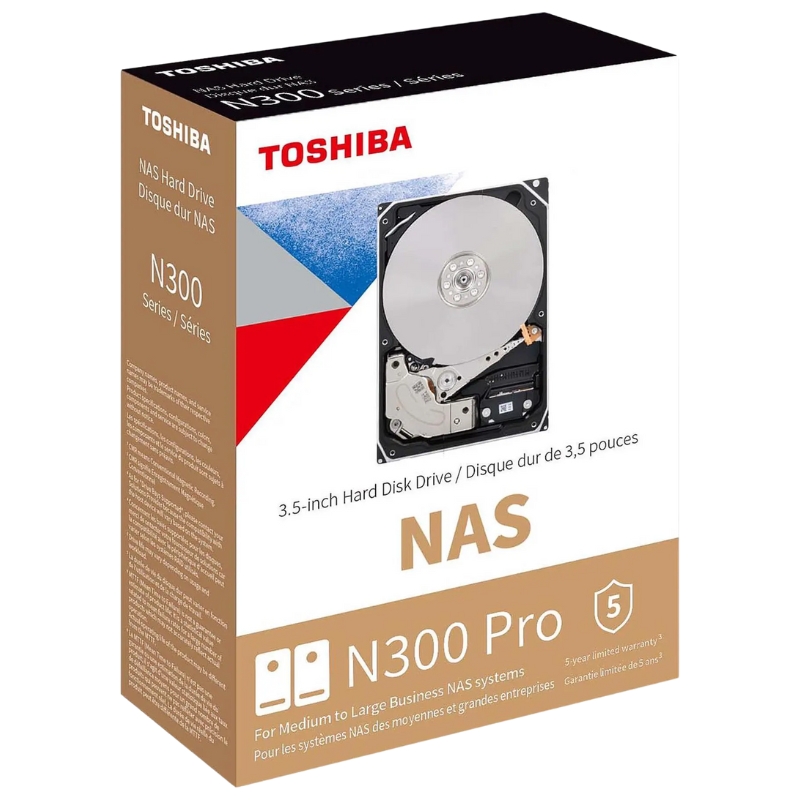
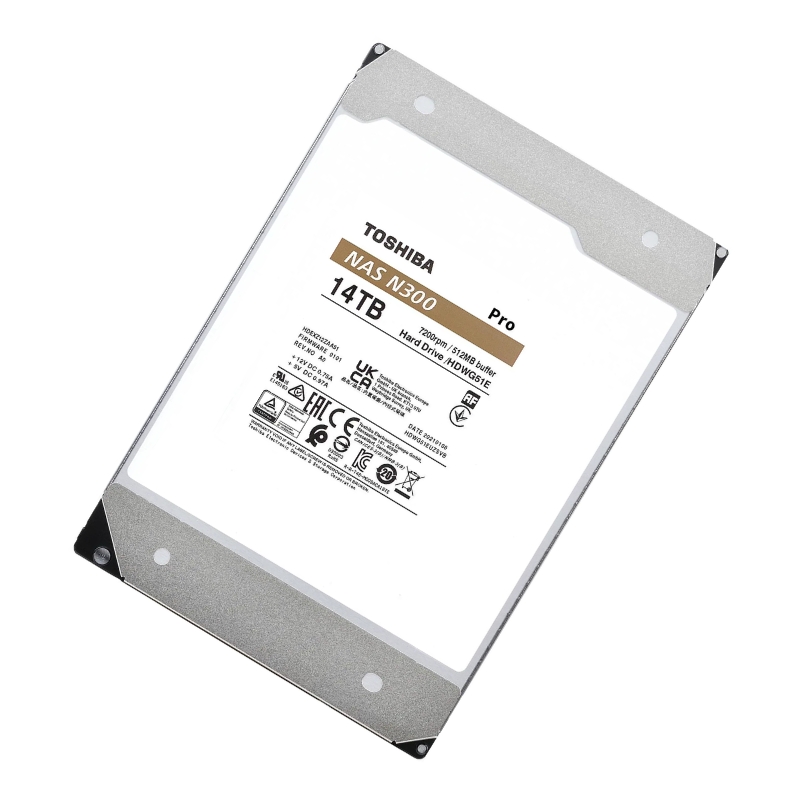
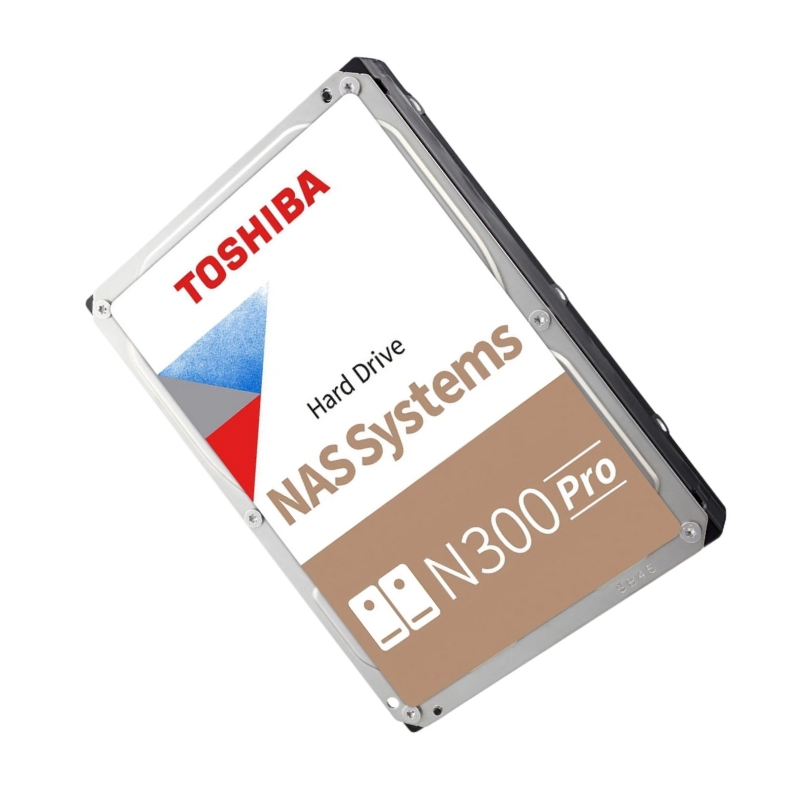
Toshiba HDWG51GXZSTB N300 Pro NAS 16TB 7.2K RPM SATA 6GBPS 512MB Buffer 512e 3.5inch Internal Hard Disk Drive. New Sealed in Box (NIB)
The Toshiba N300 Pro NAS 16TB is engineered for high-performance network-attached storage environments. Combining reliability with speed, this internal hard drive is ideal for small businesses, home offices, and enterprise NAS setups.
With advanced Toshiba technologies, the N300 Pro NAS drive is designed for consistent operation in high-demand environments. Features include:
The HDWG51GXZSTB model is compatible with most modern NAS systems, offering plug-and-play setup and easy RAID configuration. Its SATA interface and 3.5-inch form factor ensure smooth compatibility across various platforms.
The Toshiba HDWG51GXZSTB N300 Pro NAS 16TB is part of Toshiba's N300 Pro family of network-attached storage drives engineered for multi-bay NAS systems, surveillance, creative workflows, and small to medium business environments where durability, sustained performance, and data integrity matter. Designed as a 3.5-inch, 7,200 RPM SATA hard drive supporting SATA 6 Gbps interfaces, this 16TB capacity model balances massive storage density with enterprise-style features tuned for 24/7 operation. It targets users who need reliable bulk storage for backup, media libraries, surveillance recording, virtualization, or collaborative file servers.
N300 Pro drives are built with NAS-optimized firmware and mechanical tolerances intended for constant operation and multi-drive chassis. Unlike desktop HDDs designed for intermittent use, N300 Pro drives include enhancements such as vibration tolerance, higher workload ratings, sustained throughput optimization, and RAID compatibility. The HDWG51GXZSTB model emphasizes these characteristics while delivering a very large 16TB single-drive capacity, which simplifies storage architecture for systems that must hold terabytes of data without frequent drive swaps.
The technical profile of the HDWG51GXZSTB centers on a few high-impact characteristics. Below is a practical summary of the attributes that affect compatibility, performance, and deployment planning:
For NAS and surveillance workloads the most telling metrics are sustained sequential read/write throughput, low-latency handling of concurrent streams, and consistent performance under RAID rebuild. 7,200 RPM spindle speed combined with SATA 6 Gbps yields better sequential transfer rates than lower-speed desktop drives. In multi-stream environments (for example, simultaneous 4K camera recording or multiple video streams), the HDWG51GXZSTB offers steadier write performance and lower chance of dropped frames when compared to consumer-grade drives.
Toshiba positions the N300 Pro series for heavier duty cycles than consumer models. Typical workload ratings for pro/NAS drives are expressed as TB/year or drive writes per day — the N300 Pro line targets continuous, high-availability usage that aligns with small-business and professional media environments. When sizing a NAS, pair the drive's workload rating with your expected daily writes and RAID protection level to avoid underspecifying the array.
Reliability is a primary selling point for NAS-specific drives. The Toshiba N300 Pro series incorporates mechanical and firmware-level features intended to reduce downtime and extend service life within multi-drive enclosures:
Multi-bay NAS units create more vibration than single-bay desktops. The N300 Pro includes enhancements for rotational vibration resistance and servo tracking stability so the drive keeps accurate head positioning even under the influence of neighboring drive activity. That resilience is crucial for RAID arrays where multiple disks spin simultaneously and vibrations could otherwise impact read/write precision.
Continuous operation increases thermal load. Drives intended for 24/7 duty are designed to manage internal operating temperatures, with firmware and physical components that tolerate elevated sustained temperatures without rapid degradation. Proper NAS chassis airflow and system-level cooling remain essential to get the full lifetime out of any high-capacity drive.
NAS drives often implement controlled error recovery behavior and firmware tweaks to avoid lengthy single-drive recovery attempts that may cause RAID controllers to drop a drive. N300 Pro drives are tuned to play well in RAID environments, minimizing excessive recovery time and improving overall array stability during transient error conditions.
Before deploying 16TB drives in a NAS, confirm the following compatibility points with your NAS vendor or motherboard manufacturer:
Large-capacity drives increase RAID rebuild windows. A 16TB drive contains an enormous volume of sectors compared with older, smaller drives. During a rebuild or resilver, the increased time the array spends in a degraded state increases exposure to a second failure, so consider higher-redundancy arrays (RAID6 or dual-parity) or complementary backup strategies. Also, modern NAS systems often include features that accelerate rebuilds (like caching, partial rebuilds, SSD read acceleration); planning around those features helps preserve uptime.
Keep drive firmware and NAS OS up to date. Use S.M.A.R.T. monitoring and vendor tools to regularly check drive health metrics: bad sector counts, reallocated sector count, power-on-hours, temperature history, and uncorrectable read errors. Proactive monitoring combined with scheduled maintenance windows improves long-term reliability when running high-capacity drives.
Below are practical deployment scenarios that illustrate why an organization would choose a 16TB Toshiba N300 Pro drive.
Creative houses and freelance editors benefit from local high-capacity storage pools that can stream many streams of media simultaneously. A RAID array populated with several 16TB N300 Pro drives provides terabytes of high-throughput storage for raw footage, proxies, and archive masters. When combined with SSD caches for random I/O, the pool serves both capacity and performance needs.
Multi-camera surveillance infrastructures produce continuous sequential writes to storage. The N300 Pro's focus on sustained writes and durability makes it suitable for recording servers that must retain many days or weeks of footage. Deploy with proper redundancy and retention policies to ensure critical footage is preserved.
For SMBs that need on-premises central storage for user home directories, automated backups, or archival content, a handful of 16TB drives can drastically reduce the number of drives required and simplify management. Pair with offsite backup or cloud-tiering for disaster recovery.
Home labs running multiple virtual machines or containerized workloads can use high-capacity HDDs for bulk disk images and snapshots. While SSDs handle latency-sensitive VMs, HDD pools are cost-effective for cold storage, container images, and journal backups.
Choosing 16TB drives changes capacity planning dynamics. A smaller number of high-capacity drives reduces bay count and enclosure complexity, but it does increase the criticality of each disk. Here are guidelines for planning:
Large-capacity drives often present a lower cost-per-TB compared with smaller-capacity models. This makes 16TB drives attractive from a budget perspective; however, weigh that against the potential for longer rebuild durations and the impact of a single drive failure on a larger proportion of your dataset. A balanced solution often combines high-capacity HDDs for bulk and SSDs for cache and hot data.
Follow these practical recommendations to maximize the lifetime and reliability of N300 Pro drives:
Ensure the NAS chassis provides consistent airflow across drive bays. Thermal throttling or prolonged high temperatures accelerate wear. Configure chassis fans and route airflow to pass over the drive bays. Monitor drive temperatures via the NAS management UI and drive monitoring tools.
Automate S.M.A.R.T. polling and set alert thresholds for critical metrics. Schedule periodic surface scans and integrity checks, especially in arrays that store immutable or compliance-bound data.
Before production deployment, validate drive and NAS firmware versions in a staging environment. Read vendor release notes for changes to drive handling, reported issues, or behavior adjustments that affect rebuilds or power management.
Even with high-reliability drives, always maintain a backup strategy. Use offsite replication, cloud backup, or immutable snapshots to protect against user error, ransomware, or catastrophic failures. For critical datasets, consider 3-2-1 backup rules (three copies, two different media, one offsite).


 Contact Us
 Information
 Catalog
 Solid State Drives (SSD)
 Network Switches
 Hard Disk Drives
 HBA & Controllers
 PC & Servers
 PC & Server Memory
 CPU & Processors
 Network Routers
 Power Supplies
 Tape Drives & Libraries
 Network Devices
 Computer & Network Cables