(7% discount is applied at checkout)
Cart is empty
Your go-to destination for cutting-edge server products
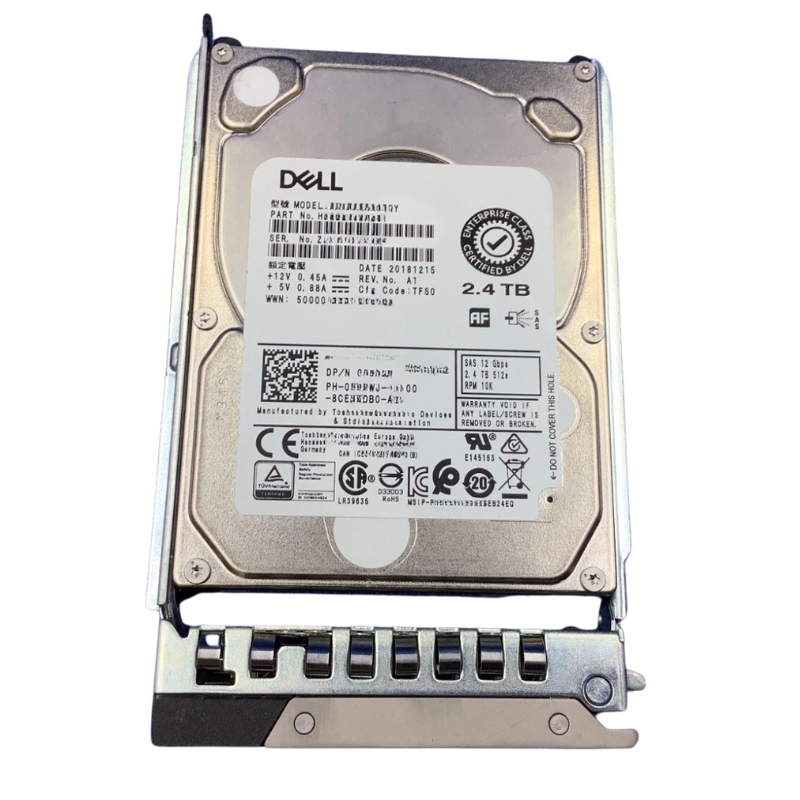


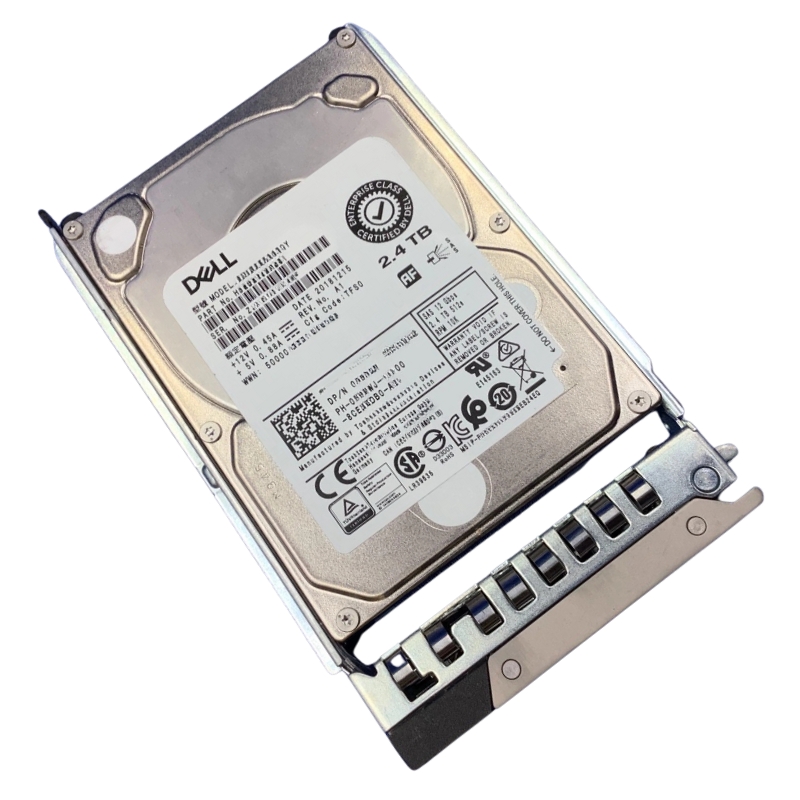
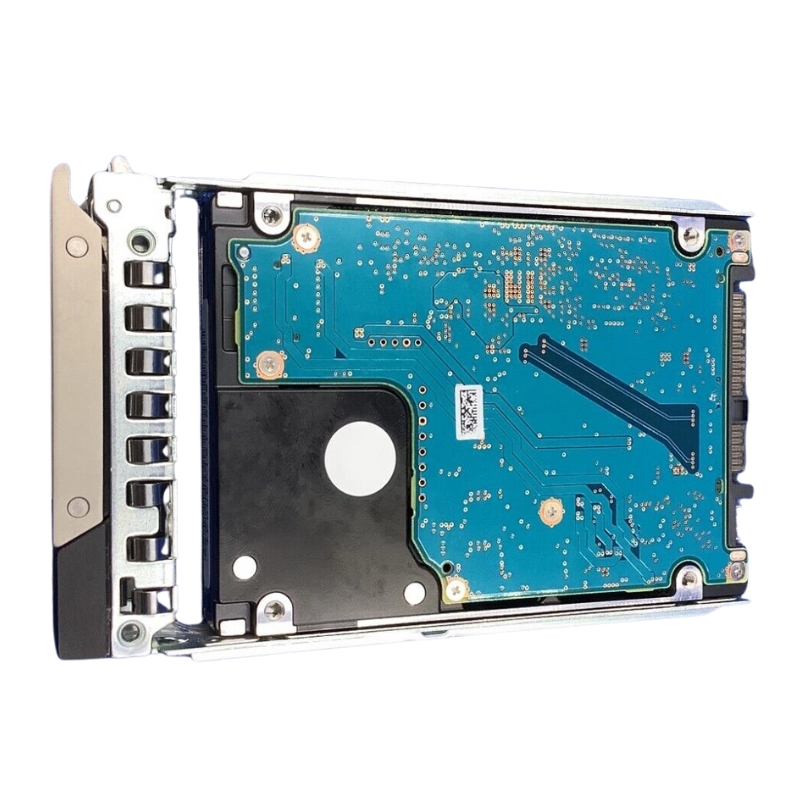
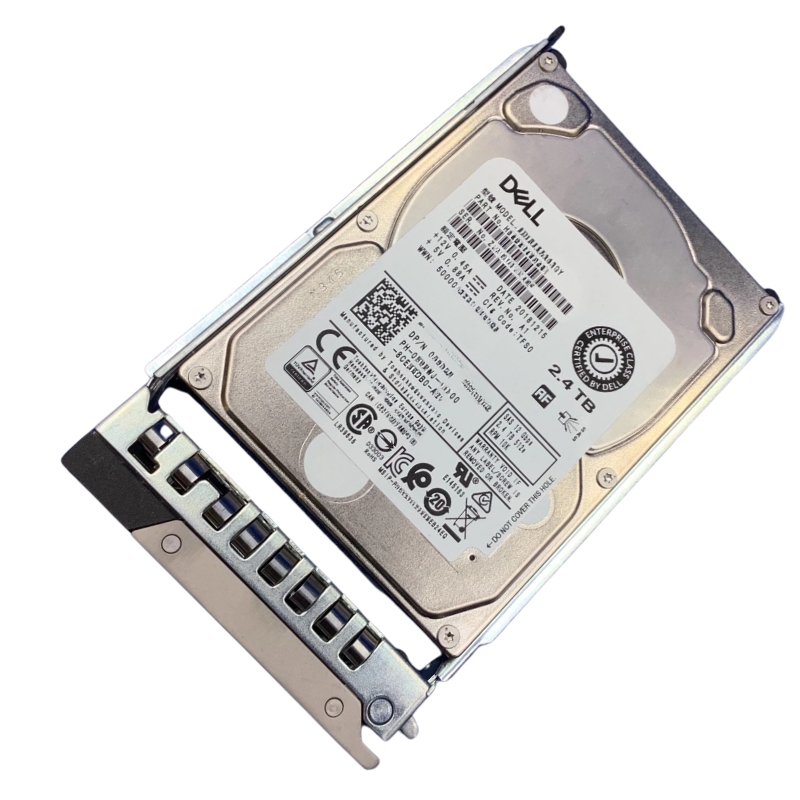
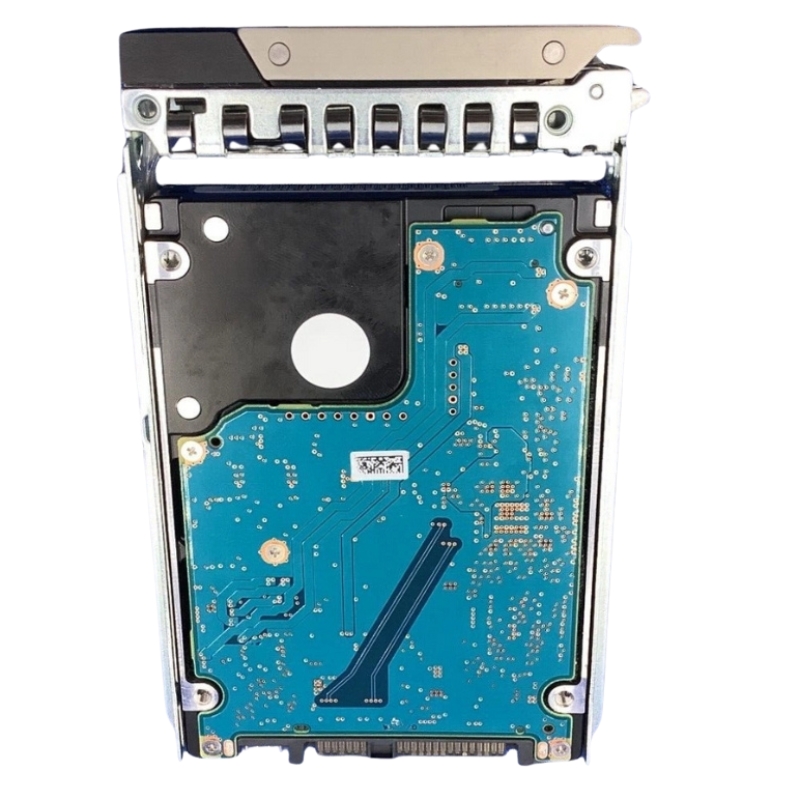
Dell 400-AFYQ 2.4TB 10000RPM SAS 12GBPS 2.5-Inch (In 3.5-Inch Hybrid Carrier) HDD. New Sealed in Box (NIB) With 1 Years Warranty.
The Dell 400-AFYQ enterprise hard disk drive is engineered for speed, durability, and secure storage. With advanced caching, encryption, and compatibility across multiple Dell PowerEdge servers, this HDD is ideal for businesses requiring reliable performance.
The Dell 400-AFYQ 2.4TB 10000RPM SAS 12Gbps hard disk drive is engineered for enterprise-class storage environments that demand consistent performance, high reliability, and dependable data availability. Designed with a 2.5-inch small form factor drive installed within a 3.5-inch hybrid carrier, this storage solution provides compatibility with numerous Dell PowerEdge server platforms while delivering the performance characteristics required for business-critical workloads.
Organizations operating database servers, virtualization infrastructures, transactional applications, and data-intensive workloads require storage devices capable of maintaining low latency and predictable response times. The Dell 400-AFYQ addresses these requirements through its 10,000 RPM spindle speed, advanced SAS interface technology, and enterprise-grade construction that supports continuous operation in demanding data center environments.
Modern enterprise infrastructures depend upon storage devices that balance capacity, performance, reliability, and scalability. The Dell 400-AFYQ has been developed specifically to support these objectives. Its 2.4TB storage capacity provides significant space for operating systems, databases, virtual machine repositories, business applications, and user data while maintaining the speed advantages associated with high-performance rotational media.
The integration of a 2.5-inch hard drive into a 3.5-inch hybrid carrier allows organizations to deploy higher-density storage solutions while preserving compatibility with server bays originally designed for larger drives. This flexibility enables data center administrators to optimize storage configurations without requiring substantial hardware modifications.
Small form factor drives have become increasingly popular in enterprise environments because they offer improved storage density, reduced power consumption, and enhanced airflow characteristics. The 2.5-inch drive architecture used in the Dell 400-AFYQ enables more efficient utilization of server chassis space while maintaining robust performance levels suitable for mission-critical applications.
By leveraging a smaller physical footprint, organizations can install a greater number of drives within the same rack space, resulting in increased storage density and improved infrastructure scalability. This approach is particularly beneficial for growing businesses that must maximize data center efficiency while controlling operational expenses.
The inclusion of a 3.5-inch hybrid carrier provides an effective bridge between small form factor drive technology and traditional server infrastructure. Many enterprise servers utilize 3.5-inch drive bays, and the hybrid carrier ensures seamless installation without compromising physical stability or connectivity.
The carrier is designed to maintain proper alignment with backplane connectors, facilitate hot-swap functionality, and support rapid maintenance procedures. This compatibility reduces deployment complexity and simplifies inventory management for IT departments responsible for maintaining large server fleets.
A 2.4TB storage capacity offers an effective balance between performance and storage volume. Organizations can store extensive datasets while benefiting from the superior access speeds associated with 10K RPM enterprise drives. This capacity level is particularly suitable for applications that require frequent data access and rapid transaction processing.
Database administrators often require storage solutions capable of supporting growing volumes of structured and unstructured information. The Dell 400-AFYQ provides sufficient capacity for database files, transaction logs, backups, and application data while maintaining consistent performance under demanding operational conditions.
Enterprise databases rely heavily on storage performance. Query execution, indexing operations, transaction processing, and reporting functions all depend upon rapid data retrieval and efficient write operations. The Dell 400-AFYQ delivers the performance characteristics necessary to support SQL databases, ERP systems, customer relationship management platforms, and analytics applications.
By combining substantial capacity with enterprise-grade rotational speed, the drive enables organizations to maintain responsive database performance while accommodating ongoing data growth.
Business applications frequently generate large volumes of operational data. Financial systems, inventory management platforms, healthcare applications, educational software, and enterprise resource planning solutions all require dependable storage infrastructures.
The 2.4TB capacity enables application administrators to maintain active datasets on high-performance storage while ensuring sufficient room for future expansion. This flexibility contributes to improved user experiences and enhanced operational efficiency.
The 10,000 RPM spindle speed is one of the defining characteristics of the Dell 400-AFYQ. Compared with traditional 7,200 RPM enterprise drives, a 10K RPM drive offers faster rotational latency and improved access times. These advantages translate into quicker data retrieval and enhanced application responsiveness.
Organizations running virtualized infrastructures, database platforms, and transactional systems frequently benefit from higher rotational speeds because these environments generate substantial random read and write activity. Faster disk rotation helps reduce delays associated with locating and accessing requested data blocks.
Random access workloads are common in enterprise environments. Virtual machines, database transactions, user authentication systems, and web applications often access information stored across numerous locations on a disk. The 10K RPM design enhances responsiveness by reducing the time required for data positioning and retrieval.
This capability is particularly important in multi-user environments where hundreds or thousands of simultaneous requests may occur throughout the business day.
Transaction-intensive applications depend upon predictable storage performance. Banking systems, e-commerce platforms, reservation systems, and business intelligence applications continuously process large numbers of transactions. The Dell 400-AFYQ helps support these workloads through rapid access times and consistent throughput characteristics.
The result is improved application responsiveness, reduced processing delays, and enhanced user satisfaction across enterprise computing environments.
The Serial Attached SCSI 12Gbps interface represents a significant advancement in enterprise storage connectivity. Designed specifically for professional and data center environments, SAS technology provides superior reliability, advanced error handling, and greater scalability compared to consumer-oriented storage interfaces.
The Dell 400-AFYQ utilizes SAS 12Gbps connectivity to ensure efficient communication between storage subsystems and server hardware. This high-bandwidth interface minimizes bottlenecks and supports demanding workloads that require consistent data transfer performance.
SAS technology incorporates advanced reliability mechanisms intended to support continuous business operations. These features include robust error detection, sophisticated command queuing capabilities, and enhanced fault management functionality. Such characteristics are essential in environments where storage downtime can result in operational disruptions or financial losses.
The SAS architecture also supports dual-port connectivity in compatible infrastructures, providing additional redundancy options that contribute to improved availability and fault tolerance.
As organizations expand their digital operations, storage requirements often increase significantly. The SAS 12Gbps interface supports scalable architectures capable of accommodating future growth without requiring complete infrastructure replacement.
This scalability enables businesses to implement storage expansion strategies that align with evolving operational requirements while protecting existing technology investments.
The Dell 400-AFYQ is designed for integration with numerous Dell PowerEdge server models commonly deployed in enterprise environments. Compatibility with established server platforms simplifies deployment procedures and ensures optimal interaction between storage and system components.
PowerEdge servers are widely recognized for their reliability, manageability, and performance capabilities. The Dell 400-AFYQ complements these attributes by providing storage resources specifically optimized for enterprise computing workloads.
Organizations frequently seek storage upgrades that can be implemented without significant disruptions. The Dell 400-AFYQ supports this objective through compatibility with existing server hardware, storage controllers, and management frameworks.
This integration capability reduces deployment complexity and enables IT teams to enhance storage performance while minimizing operational interruptions.
Many enterprise server environments require continuous availability. Hot-swap functionality allows storage devices to be replaced without shutting down the server, helping maintain business continuity during maintenance activities.
The hybrid carrier design supports these operational requirements by facilitating efficient drive replacement procedures while maintaining secure mechanical installation and reliable electrical connectivity.
Virtualization platforms place unique demands on storage systems due to the consolidation of multiple workloads onto shared hardware resources. The Dell 400-AFYQ is well suited for supporting virtual machine environments where consistent performance and dependable availability are essential.
Virtualized servers often generate mixed workloads consisting of database activity, application processing, operating system operations, and user interactions. The combination of 10K RPM performance, 2.4TB capacity, and SAS 12Gbps connectivity enables the drive to support these diverse requirements effectively.


 Contact Us
 Information
 Catalog
 Solid State Drives (SSD)
 Network Switches
 Hard Disk Drives
 HBA & Controllers
 PC & Servers
 PC & Server Memory
 CPU & Processors
 Network Routers
 Power Supplies
 Tape Drives & Libraries
 Network Devices
 Computer & Network Cables