(7% discount is applied at checkout)
Cart is empty
Your go-to destination for cutting-edge server products
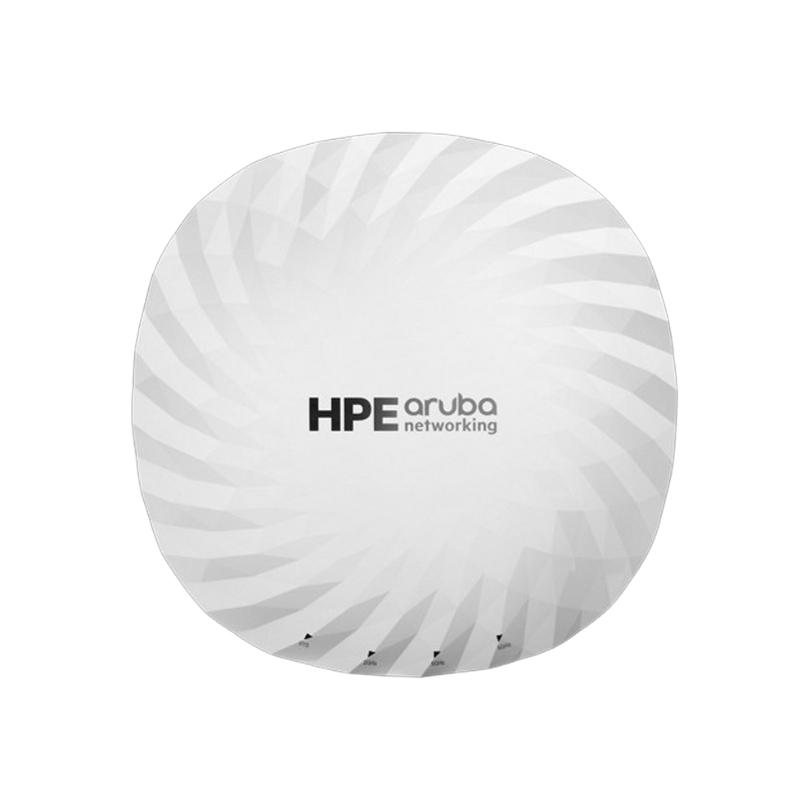


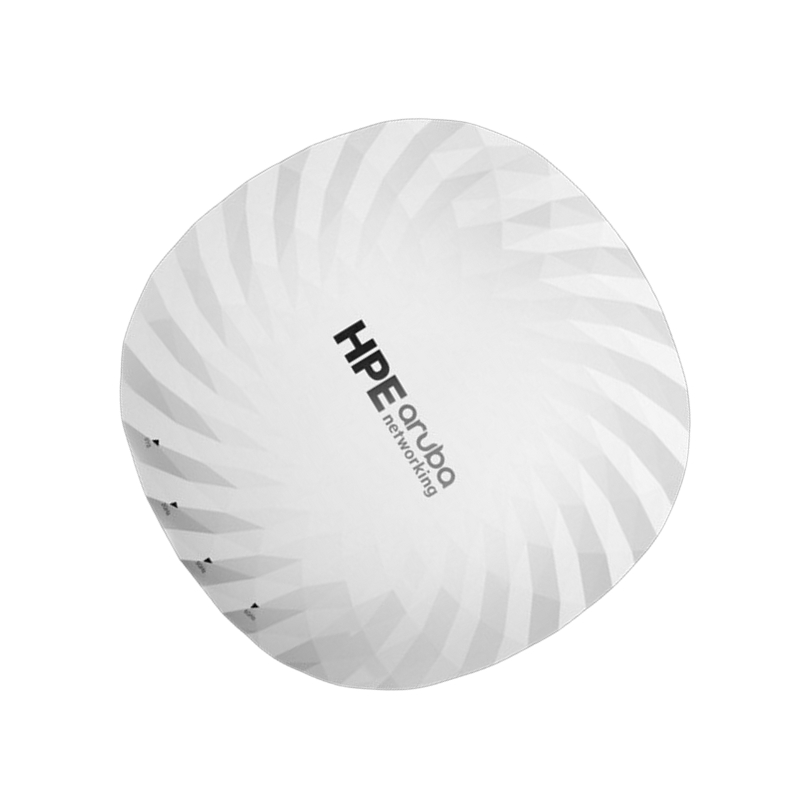
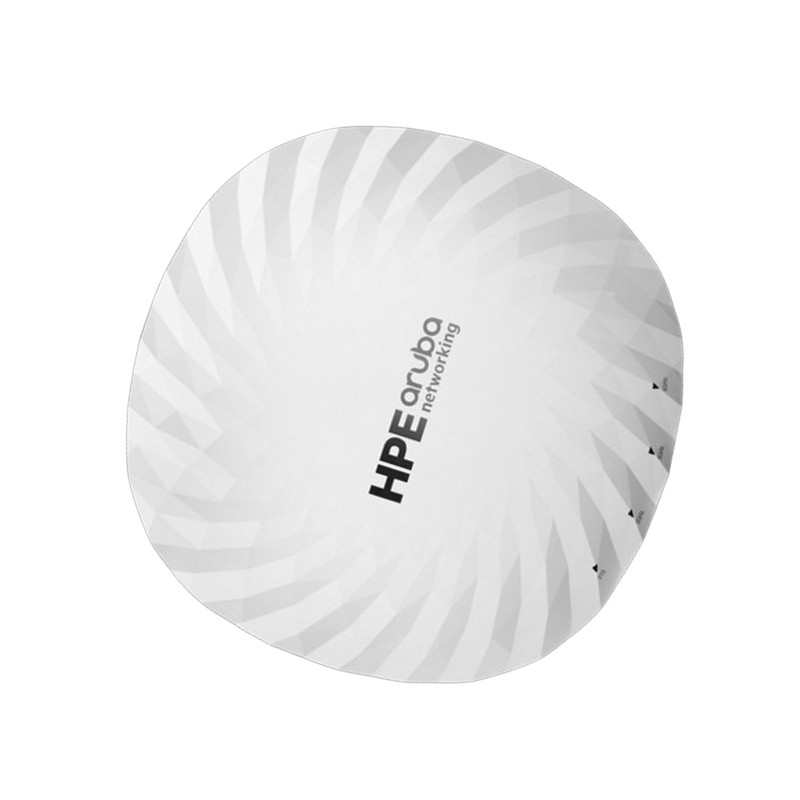
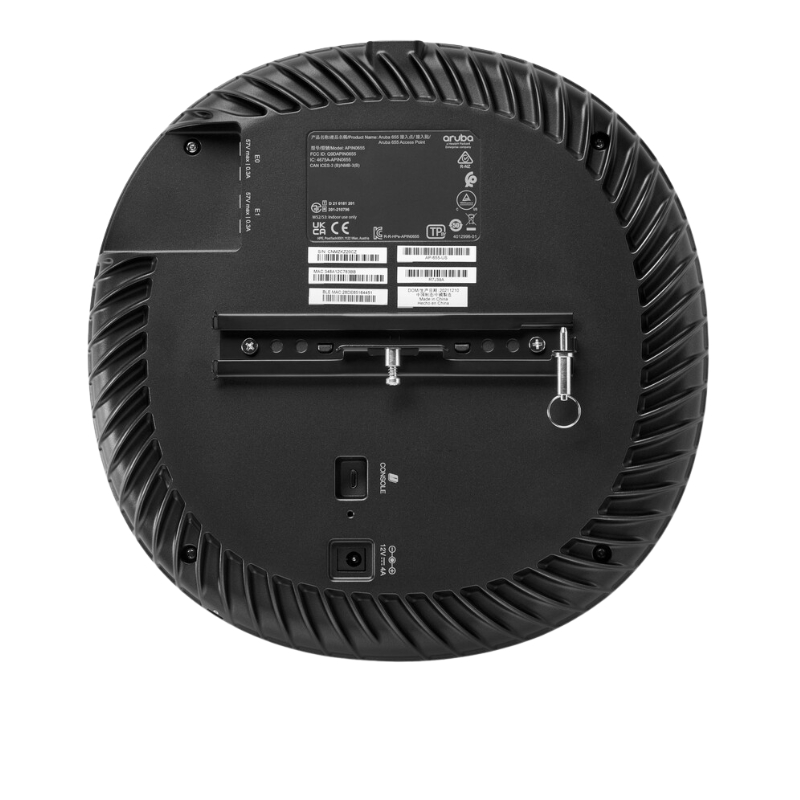
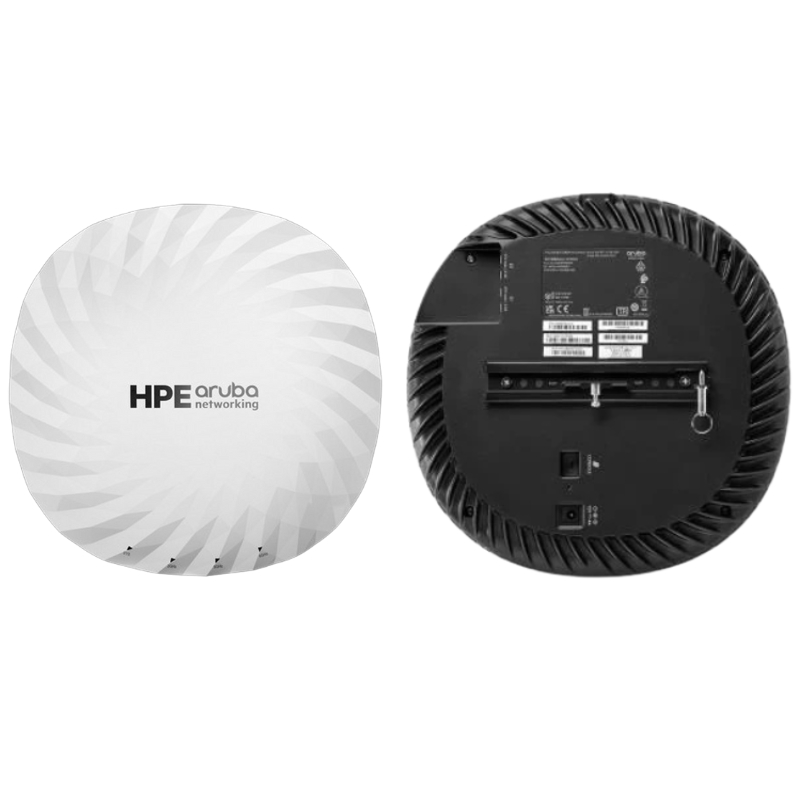
HPE R7J44A Aruba Networking Ap-677 Tri Radio 2x2 Wi-fi 6e Internal Directional Outdoor Access Point. Factory-Sealed New in Original Box (FSB) with 3 Years Warranty
The HPE R7J44A Aruba Networking AP-677 belongs to a high-performance category of outdoor, tri-radio, Wi-Fi 6E access points designed for long-range, high-density, and interference-challenged environments. This category is centered on internal directional antennas, simultaneous 2.4 GHz + 5 GHz + 6 GHz operation, and hardened enclosures suitable for persistent exposure to the elements. Buyers researching Aruba outdoor Wi-Fi 6E platforms evaluate this class for campus quads, stadium concourses, transit platforms, marinas, resorts, ports, distribution yards, outdoor retail, and municipal Wi-Fi, where precise RF shaping and high client concurrency are critical. The AP-677 specifically emphasizes beam focus via built-in directional antenna elements, enabling targeted coverage zones with less spillover, enhanced SNR at the cell edge, and improved spectrum re-use across adjacent cells.
This access point brings a variety of advanced features to enhance both performance and reliability:
With cutting-edge Wi-Fi 6E support, the Aruba AP-677 ensures stronger connections, reduced latency, and higher capacity across dense user environments.
Built to perform in outdoor conditions, the AP-677 is engineered with weatherproof housing and industrial-grade design standards. Its protective casing ensures long-lasting performance even in challenging climates.
The Tri-Radio 2x2 architecture in the HPE R7J44A Aruba Networking AP-677 offers a balanced blend of spatial streams and efficiency, allowing the access point to serve clients on 2.4 GHz (legacy reach and IoT), 5 GHz (mainstream high throughput), and 6 GHz (modern high-capacity) simultaneously. This alignment fits outdoor deployments where device mixes are unpredictable, and IT teams require a platform that supports legacy handhelds while unlocking 6E headroom for the newest devices.
In large outdoor cells, client airtime fairness and latency are dominant concerns. By leveraging OFDMA (orthogonal frequency division multiple access) for small packet efficiency and MU-MIMO for parallel downlink streams, the AP-677 category serves more clients with shorter transmission opportunities, smoothing application performance for VoIP, ticket scanning, digital signage, and handhelds. When interference rises, Aruba’s radio resource management enhances channel selection, transmit power, and client steering to maintain ideal cell sizing.
The AP-677 category typically supports intelligent band steering and client match features to move capable devices to 5 or 6 GHz while reserving 2.4 GHz for legacy or IoT. In high-density plans, steering behaviors can be tuned to prefer 6 GHz for compatible handsets and laptops, keeping 5 GHz lightly loaded for mid-tier gear and ensuring high-efficiency use of 2.4 GHz for barcode scanners and sensors.
Directional antenna systems inside the HPE R7J44A Aruba Networking AP-677 focus RF energy forward, making this category ideal for point-to-area coverage like entrances, narrow walkways, seating sections, or loading docks. This approach:
Internal designs also simplify installation compared to external antenna models—fewer parts to mount, less cable loss, and a cleaner aesthetic that is harder to tamper with in public spaces.
When deploying an AP-677 in concourses or courtyards, the mounting angle and height determine cell shape and client experience. Use brackets that enable precise azimuth and downtilt to concentrate RF into seating rows or queue lines. Sectorization with multiple AP-677 units—each on distinct channels—yields exceptional re-use without increasing transmit power, which keeps the noise floor lower for everyone.
Outdoor metal structures (bleachers, gates, kiosks) can create multipath and reflection. The AP-677’s directional pattern minimizes backward radiation, reducing the chance that energy bounces into unintended areas or creates destructive interference behind the AP. During RF surveys, measure receive levels and delay spreads at the furthest seats or aisle positions and adjust tilt to balance coverage continuity with interference control.
The AP-677 category emphasizes weather sealing and environmental protections suitable for year-round outdoor exposure. Hardened enclosures with gasketing, UV-resistant plastics/coatings, and secure cable ingress maintain reliable operation under rain, heat, cold, dust, and wind. This class is designed for permanent mounting on walls, poles, masts, or stadium infrastructure, and typically meets stringent ingress protection levels for water and particulates. When paired with weatherproof cabling and proper drip loops, the system resists moisture intrusion and thermal cycling.
Outdoor Wi-Fi must withstand wind gusts and vibration from structures. The AP-677 category uses rigid mounting interfaces compatible with pole bands or wall plates. Follow torque specifications and consider thread-locking compounds; verify that mounting surfaces are structurally sound and that brackets maintain their angle after repeated seasonal stress. In seafront or industrial applications, corrosion-resistant hardware is recommended.
Heat is a silent performance killer outdoors. To keep radios operating at peak modulation rates, mount APs in shaded or north-facing positions when possible and avoid enclosing them in non-vented boxes. The AP-677 category’s thermal design enables consistent operation under high ambient temperatures, but installers should still avoid mounting near heat sources (e.g., south-facing metal walls), and should allow adequate convective airflow around the chassis.
The HPE R7J44A Aruba Networking AP-677 outdoor access point is designed for PoE-powered installation with multi-gigabit uplink possibilities. When planning power budgets, account for tri-radio operation, IoT radios, and environmental extremes. For the cleanest deployment, use PoE-enabled outdoor switches or indoor PoE switches with outdoor-rated Ethernet runs and lightning protection where appropriate.
Because Wi-Fi 6E can drive high PHY rates, pair AP-677 units with multi-gigabit switch ports where available to prevent wired bottlenecks. Even when client device mixes are modest, bursty traffic during events can saturate 1G links. Multigig uplinks provide headroom for peak utilization, application growth, and analytics.
Aruba’s dynamic segmentation separates user, IoT, and contractor traffic into policy-based overlays that follow the session regardless of AP or VLAN. For simpler designs, map SSIDs to VLANs at the AP or gateway. Use per-user roles, rate limits, and application visibility to ensure fair use during busy periods.
Outdoor Wi-Fi must be secure without creating sign-on friction for legitimate users. The AP-677 category supports WPA3-Personal and WPA3-Enterprise, along with Enhanced Open (OWE) for opportunistic encryption on open guest networks. Aruba’s policy enforcement firewall and application visibility tools help operators enforce acceptable use and prioritize latency-sensitive traffic. Wireless intrusion detection/prevention (WIDS/WIPS) features aid in detecting rogue APs and suspicious frames around the perimeter.
Venues commonly integrate guest access with branded captive portals, vouchers, or SMS codes. The AP-677 category and Aruba Central streamline onboarding while keeping guest traffic isolated from production networks. Consider rate limiting and time quotas to ensure positive experiences during events without over-consuming backhaul.
For enterprise SSIDs, use 802.1X with EAP-TLS certificates where possible. Device onboarding workflows through Aruba’s ecosystem can ease certificate distribution to corporate laptops, handhelds, and rugged tablets. This reduces credential theft risk and enables per-device policy enforcement with strong cryptography.
One of the reasons buyers choose the HPE R7J44A Aruba Networking AP-677 category is Aruba Central—a cloud-native platform for configuration, monitoring, and AIOps. Zero-touch provisioning allows staging at the warehouse, shipping to the field, and quick online activation on install. AIOps baselines normal behavior and flags anomalies, such as sudden retry spikes on a sector or unusual DHCP failures. Visual tools make it easier to tune channel plans, adjust transmit power, and validate roaming health in real time.
Whether deploying five AP-677 units across an outdoor plaza or hundreds across a theme park, use templated configuration and per-site variables to maintain standardization. Define SSIDs, radio profiles, and min-RSSI thresholds consistently, and document exceptions (e.g., a sector that must remain on a fixed 6 GHz channel for backhaul reasons).
Central supports role-based access control so frontline techs can see status and run tests without the ability to change global settings. Use API integrations for dashboards, ticketing, and alerting so outdoor operations staff can respond quickly to weather-related incidents or power events.
The AP-677 category improves roaming predictability because directional cells make boundaries clearer. Use minimum data rates to remove very low-speed associations that waste airtime; pair that with band steering so compatible devices land on 5/6 GHz. For voice handsets or push-to-talk, enable fast roaming methods and set sticky client thresholds that prevent devices from clinging to distant APs.
Prioritize real-time applications with QoS and application recognition. For cameras or body-worn devices that stream video, sandbox SSIDs with appropriate rate contracts to avoid starving guest traffic. During events, you can apply temporal policies to tighten rate limits on non-critical traffic while allowing point-of-sale and scanning devices full priority.
Use DNS security and content filtering for guest SSIDs to reduce risk and conserve backhaul. Aruba’s application visibility identifies heavy consumers so you can tune rate limits or steer them to 6 GHz where wider channels can absorb bursty usage.
In Aruba architectures, outdoor AP-677 deployments can terminate to gateways for advanced services—firewalling, segmentation, or WAN optimization across SD-Branch. This makes it easier to stretch secure Wi-Fi into spaces that used to rely on cellular or were offline.
The AP-677 category thrives with proper tuning. For concert nights or game days, temporarily reduce the number of SSIDs to fewer than four to preserve airtime. Set minimum acceptable RSSI so devices disconnect from marginal areas instead of clinging and dragging down the cell. Enable client load balancing across adjacent sectors and consider per-device rate contracts to protect critical services.
Use auto-channel features with guardrails: define blocked channels near known interferers (e.g., wireless cameras or event production links). Aim for the lowest necessary transmit power that maintains sufficient SNR—this improves spatial re-use and reduces contention across sectors. On 6 GHz, leverage wider channels where client density and backhaul capacity permit.
Enforce per-app priorities to keep point-of-sale, ticket scanning, and voice at the head of the queue. Use traffic shaping for streaming and large downloads during peak hours. For multimedia displays or signage controllers, place them on a staff SSID with guaranteed rates while keeping guests best-effort.
With spectator density and bursty traffic (photo uploads, stats apps, mobile ordering), the AP-677’s directional antennas carve the bowl and concourse into manageable sectors. Tri-radio service moves modern devices to 6 GHz while legacy handsets remain functional on 5 GHz, resulting in smoother experience and consistent throughput.
Quads, courtyards, outdoor classrooms, and commencement stages benefit from controlled coverage that reduces bleed into nearby streets or residence halls. IoT radios support e-ink signage, occupancy sensors, and safety beacons across campus grounds.
Train platforms, bus interchanges, ferry terminals, and airports often suffer from multipath and interference from metal infrastructure. The AP-677 category’s focused energy enhances SNR where people queue and wait, improving app responsiveness and voice quality.
Guests expect fast Wi-Fi for messaging, streaming, and digital concierge services. Directional outdoor AP-677 units can be aimed along walkways, pools, or boardwalks to deliver strong connectivity without overserving adjacent properties.
Rugged devices, scanners, and cameras need reliable links in harsh conditions. The AP-677 category’s environmental resilience and sector shaping keep RF where the work happens, increasing reliability for logistics workflows and safety applications.
Within Aruba’s outdoor lineup, omni-directional models excel at open-area blanket coverage, whereas directional internal-antenna models like those in the AP-677 category shine when you need to sculpt RF into specific zones. Directional options are particularly effective for:
Wi-Fi lifecycles typically run five to seven years for outdoor infrastructure, depending on environmental stress and traffic growth. The AP-677 category’s tri-radio design ensures you gain immediate benefits from 6 GHz while still serving a diverse client base. Over time, as more devices support 6E, operators can shift more traffic into that band, enabling wider channels and greater concurrency. The integrated IoT radios provide headroom for future sensor projects without new gateway boxes.
Outdoor networks face unique challenges—weather, power fluctuations, and crowds. The AP-677 category provides RF metrics and tools that help teams isolate issues quickly. Build a standard runbook to reduce MTTR and keep event experiences positive.
Use Aruba Central client dashboards to inspect RSSI, SNR, MCS, and 802.11 reasons for disconnects. Often, a simple band steering adjustment or an SSID cleanup (reducing the total count) frees enough airtime to restore target performance.
When sourcing the HPE R7J44A Aruba Networking AP-677 category, consider mounting kits, pole straps, junction boxes, surge arrestors, and outdoor-rated PoE injectors if your switch lacks the necessary power class. Order spare brackets for quick swaps, and keep a small cache of gaskets, glands, and weather boots for maintenance cycles. Select outdoor Cat6A shielded cable and follow best practices for grounding to protect equipment and people.
The AP-677 category supports energy-aware operations. During off-hours, reduce transmit power or temporarily disable high-capacity SSIDs to cut consumption while preserving security sensors and critical communications. Where solar power is used, ensure PoE budgets align with panel and storage capacity, and apply rate caps to non-critical SSIDs when running on battery.
With cloud management, remote diagnostics, and AIOps, many issues are resolved without site visits. Invest in good labeling and documentation at install time—this single step prevents repeat visits and accelerates seasonal re-tunes.
Outdoor channels are a scarce resource in dense areas. The AP-677 category’s directional patterns allow aggressive re-use when aligned correctly. Start with a baseline plan that avoids adjacent channels within a viewer’s line of sight; then validate with on-site testing as crowds arrive. On 6 GHz, consider client mix before committing to very wide channels—you want a balance between per-client throughput and the number of parallel transmissions possible.
Set sticky client thresholds that encourage roam decisions when SNR degrades—this reduces retries and latency spikes as users walk between sectors or gates. In voice use cases, test roam times and ensure fast transition methods are enabled on compatible devices.
Guests often create the biggest airtime load. The AP-677 category supports features that reduce waste: disable legacy data rates, enable broadcast/multicast optimization, and apply small per-user rate contracts during peaks. On 6 GHz, guests with modern phones enjoy wider channels and less contention—advertise 6E SSIDs where appropriate to move them into that cleaner spectrum.
Before declaring a sector live, walk the service area with a representative device set. Verify RSSI and SNR at the edges, run uplink/downlink throughput tests, and place a few calls to evaluate roaming between adjacent AP-677 cells. Capture baselines in Aruba Central so future deviations are immediately obvious.
Outdoor venues change across seasons—foliage, structures, crowd shapes. Re-check channel plans at least twice a year and after any major construction or seating changes to ensure the AP-677 sectors still align with reality.
The AP-677 category can reduce TCO through fewer truck rolls, faster diagnostics, and better spectrum re-use (fewer APs than less efficient layouts). Directional designs deliver higher usable throughput per radio, which means fewer APs are required to serve a given density, especially when 6 GHz clients dominate. Cloud management consolidates operations, and integrated IoT radios remove the need for separate gateways.
Provide operations and facilities teams with short, role-specific playbooks: how to visually inspect an AP-677 mount, interpret LED behaviors, run a quick speed/latency test, and escalate with precise sector IDs. The better your frontline team understands the basics, the faster issues are identified and resolved.
Use Aruba Central’s dashboards to share concise weekly reports: client counts by band, average throughput, top applications, top incidents, and time-to-close. Show trends on how 6 GHz adoption is growing and how that correlates with guest satisfaction scores or POS uptime.
Reliable outdoor connectivity supports accessibility features on smartphones—captioning, translation, navigation assistance. The AP-677 category helps make these services responsive at the edge of coverage, improving inclusivity at large venues and public spaces.
With robust coverage and policy controls, outdoor AP-677 networks can integrate with public safety communication tools, camera systems, and alerting platforms. During emergencies, traffic shaping and prioritization ensure that critical communications get bandwidth first, even under heavy guest load.
To aid search relevance and buyer education, this section clarifies common terms used when evaluating the HPE R7J44A Aruba Networking AP-677 Tri Radio 2x2 Wi-Fi 6E Internal Directional Outdoor Access Point category.
The extension of Wi-Fi 6 into the 6 GHz band, offering wider channels and reduced legacy interference compared to 2.4/5 GHz. Ideal for dense venues and modern devices capable of higher throughput and lower latency.
Simultaneous operation on 2.4 GHz, 5 GHz, and 6 GHz radios. Enables flexible client steering, increased capacity, and better utilization of the RF environment.
Antenna systems that focus energy into a defined sector. In the AP-677 category, internal directional antennas reduce interference, extend usable range in the desired direction, and sharpen sector boundaries for better roaming.
Multi-user techniques that improve efficiency and serve more clients simultaneously—essential in high-density outdoor areas with short, bursty traffic patterns.
Policy-based separation of traffic at the user or device level, ensuring security and consistent experiences as clients move across the network.
Mount four AP-677 units along the outer wall, each aimed inward across the walkway at a slight downtilt. Assign unique 6 GHz channels to each sector and stagger 5 GHz channels to avoid adjacency conflicts. Set min-RSSI to prevent connections from the parking lot and rate-limit guest SSIDs during ingress to preserve scanning apps.
Place AP-677 units on building facades, aiming toward the quad’s center. Keep power levels moderate for re-use and rely on 6 GHz for modern laptops; reserve 2.4 GHz for IoT. Add BLE beacons for wayfinding during campus events.
Space AP-677 units along the platform canopy, each aimed longitudinally with overlapping 6 dB edges. Prioritize voice and transit app traffic; apply content filters and DNS security for guests. Use weather-sealed cabling and check downtilt after seasonal storms.


 Contact Us
 Information
 Catalog
 Solid State Drives (SSD)
 Network Switches
 Hard Disk Drives
 HBA & Controllers
 PC & Servers
 PC & Server Memory
 CPU & Processors
 Network Routers
 Power Supplies
 Tape Drives & Libraries
 Network Devices
 Computer & Network Cables