(7% discount is applied at checkout)
Cart is empty
Your go-to destination for cutting-edge server products
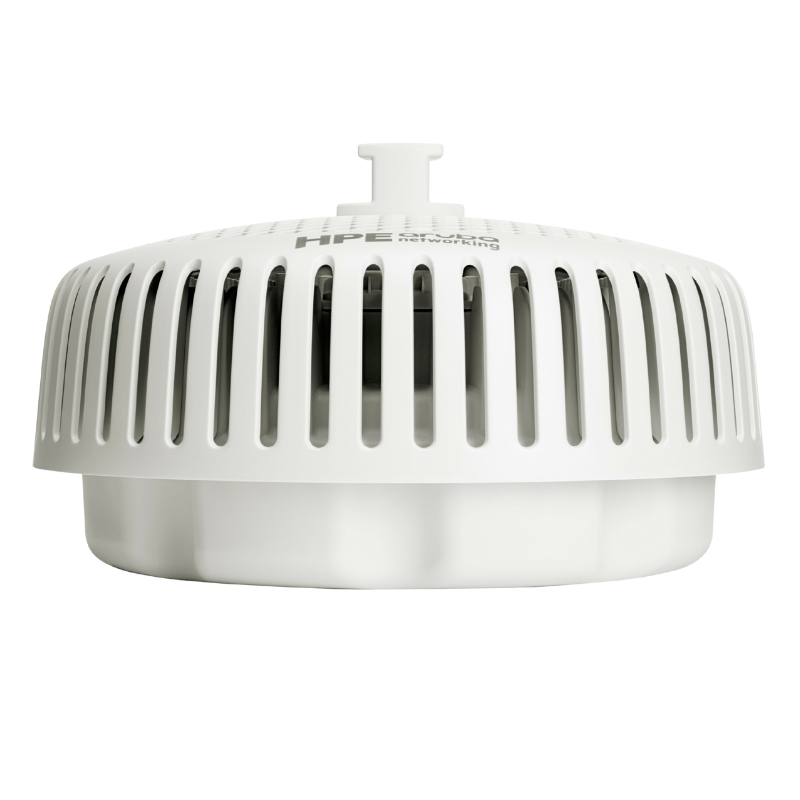


HPE S0P50A Aruba Ap-675 (US) Tri Radio Wirless 2.5GBPS Wi-fi 6e Directional AP. Factory-Sealed New in Original Box (FSB) with 3 Years Warranty
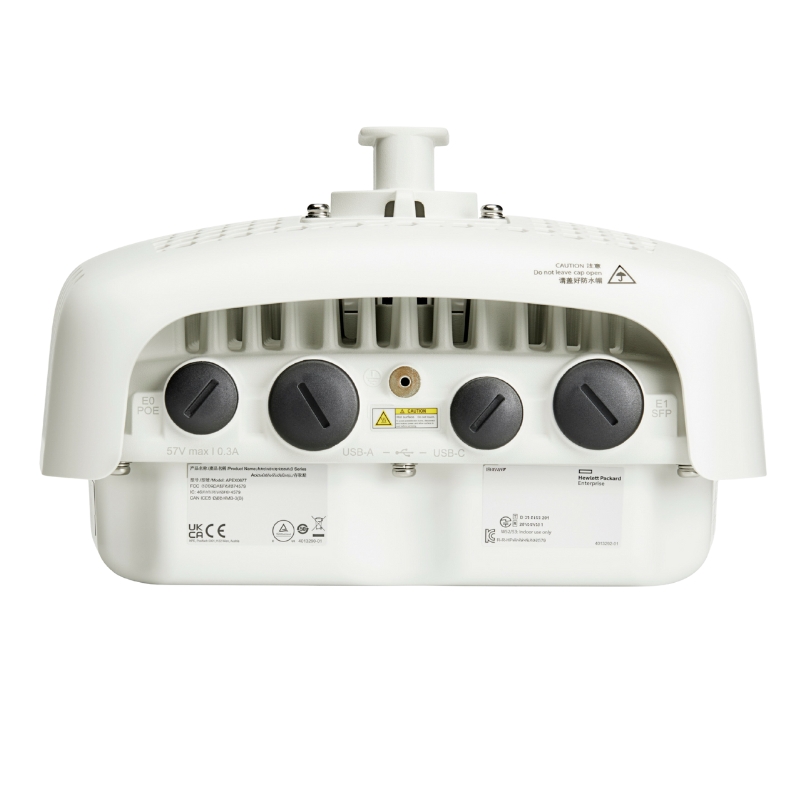
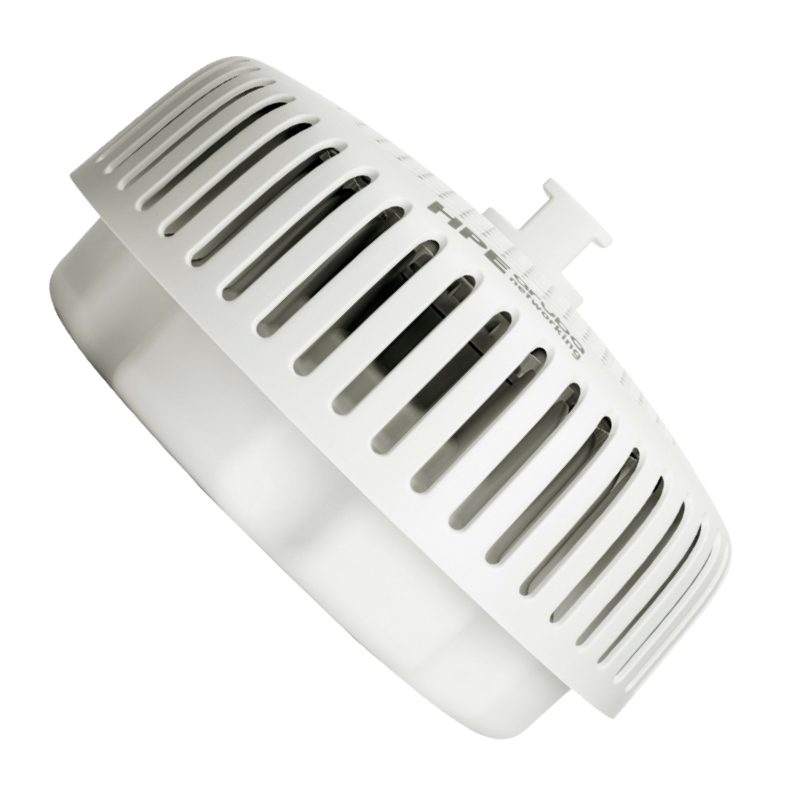
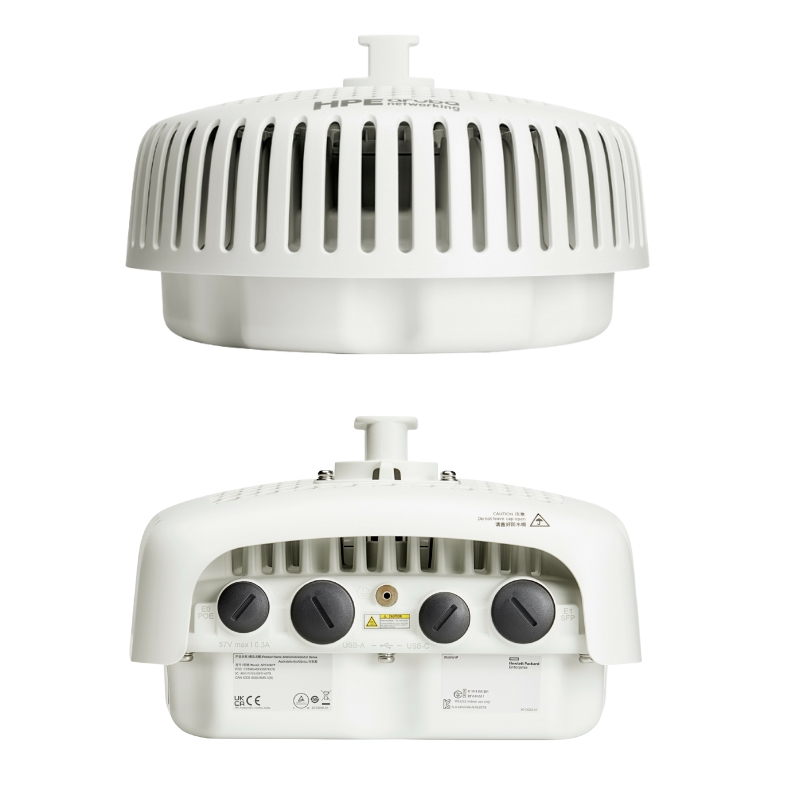
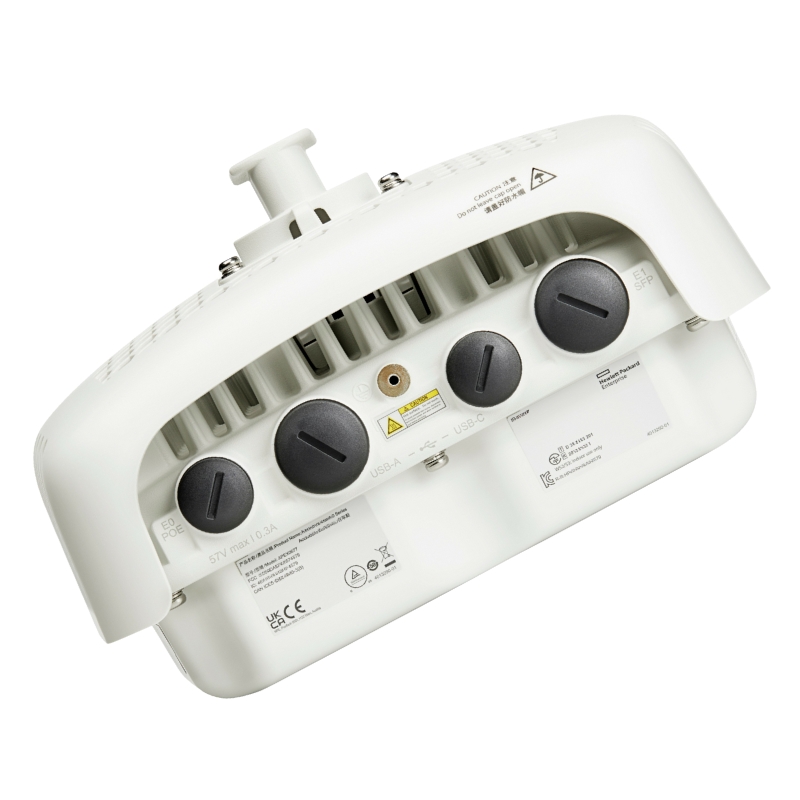
The HPE S0P50A Aruba Networking AP-675 (US) represents a state-of-the-art, tri-radio wireless access solution engineered for demanding external deployments. This high-performance unit delivers robust, high-speed connectivity for extensive outdoor network coverage.
This access point utilizes a specialized architecture that does not incorporate a traditional, separate central processing unit (CPU).
This model does not include integrated cellular modem capabilities (e.g., 4G LTE, 5G). It operates solely via its Ethernet and Wi-Fi interfaces.
The HPE S0P50A Aruba AP-675 (US) is a high-performance, enterprise-grade directional access point designed for dense environments that demand extended range, focused coverage, and the latest wireless technologies. This Tri-Radio Wi-Fi 6E Directional AP supports multi-gigabit uplinks and delivers up to 2.5Gbps aggregated throughput, making it ideal for applications where sustained throughput and low latency are critical. As a category entry, the AP-675 family targets network architects, IT managers, systems integrators, and service providers who need deterministic coverage with the advantages of Wi-Fi 6E's 6 GHz band alongside 5 GHz and 2.4 GHz radios.
At the heart of this category is the combination of tri-radio architecture, directional RF engineering, and Wi-Fi 6E enhancements. Tri-radio means simultaneous operation across 2.4 GHz, 5 GHz, and 6 GHz bands — allowing clients to be steered to the best spectrum slice available. The directional antenna pattern concentrates RF energy toward targeted areas, improving signal-to-noise ratio (SNR) for devices in the coverage zone while limiting interference outside that zone. For environments such as stadium sectors, auditoriums, industrial corridors, or long outdoor corridors, the AP-675 Directional models provide a carefully focused footprint for reliable connectivity.
Wi-Fi 6E opens the 6 GHz band to consumer and enterprise Wi-Fi, offering additional clean channels and wider channel widths (up to 160 MHz where permitted). This results in lower congestion, higher per-client throughput, and improved latency for demanding applications like AR/VR, HD video streams, and cloud-based voice/video collaboration. The AP-675's support for the 6 GHz spectrum improves capacity planning by enabling a larger number of high-bandwidth clients to operate simultaneously without competing with legacy 2.4/5 GHz traffic.
When selecting a directional Wi-Fi 6E access point, understanding throughput, spatial streams, and multi-user support matters. The AP-675 category emphasizes:
Directional APs focus RF energy in a sector or narrow beam rather than radiating uniformly. This provides several advantages:
Typical deployments include point-to-multi-point links for venue sections, focused coverage across industrial aisles, campus walkways with predictable client location, and perimeter connectivity where spillover must be minimized.
The AP-675 category is built with enterprise durability and installation flexibility in mind. Expect robust mounting options for pole, wall, or mast attachment, weather-resistant enclosures for outdoor directional models, and PoE/PoE+ compatibility for simplified cabling. Multi-gigabit Ethernet ports support 2.5Gbps backhaul to leverage the AP's full capacity without immediate fiber upgrades. Consider these hardware design points when planning a rollout:
Directional models often include hardware for precise aiming and adjustment. For outdoor or semi-outdoor use, IP-rated enclosures and operating temperature ranges are critical. Indoor directional models will prioritize low visual footprint and conduit-ready installation. When specifying, confirm the mounting kit, azimuth/elevation adjustability, and cable entry/weatherproofing requirements.
Multi-gig ports (1G/2.5G) and PoE support reduce dependency on local power outlets and centralize power management. For high-density or high-throughput installations, use 2.5GbE switches or aggregate multiple links where supported. Consider power-over-Ethernet budget per AP if deploying many directional units in a cluster.
Enterprise APs are differentiated by the management plane and security features they expose. The Aruba AP-675 category integrates tightly with Aruba Central and ArubaOS platforms, enabling centralized provisioning, analytics, security policies, and firmware lifecycle management. Key software features to highlight:
Modern Aruba APs often support on-board edge services such as L7 application classification, IoT segmentation, and local breakout rules. REST APIs and integrations with ITSM and monitoring tools provide automated workflows for incident correlation and capacity alerts. For environments that rely on custom logic or real-time edge processing, confirm support for scripting hooks or containerized edge applications if required.
A careful RF and systems design is essential to extracting the full value of directional Wi-Fi 6E APs. Use this checklist when preparing a deployment:
Directional patterns simplify some aspects of planning but add emphasis to aiming and inter-AP alignment. Use heatmap tools to visualize the intended footprint, and always consider reflections and multipath in complex environments. Keep airborne obstructions, metal racks, and reflective surfaces in mind — these can alter beam behavior and require field tuning.
Choosing between directional and omnidirectional access points depends on site topology and usage models. Omnidirectional APs deliver 360° coverage, ideal for open areas with widely distributed clients, while directional units concentrate signal and reduce interference outside the focused sector.
Maintain a clear firmware lifecycle policy. Schedule testing windows for new firmware releases, use staggered rollouts for large estates, and monitor post-upgrade performance metrics. Aruba Central and ArubaOS provide tools to orchestrate firmware distribution and to roll back if needed.
While directional Wi-Fi 6E APs such as the AP-675 may carry a higher upfront hardware cost than simple indoor 802.11ac APs, their TCO can be favorable when fewer units are required to cover the same footprint or when multi-gig performance reduces the need for costly wired upgrades. Consider:
Directional AP deployments must align with wired network design. Important integration points include VLAN mapping, QoS tagging across access switches, and PoE budget coordination. For environments with edge compute needs, plan for local breakout, DNS/DHCP availability, and integration with identity services (RADIUS, SSO).
Support for 802.1p, DSCP mapping, and application-aware traffic shaping ensures that real-time services like voice and video are prioritized over bulk transfers. Define consistent QoS policies across wireless and wired domains to avoid jitter during peak load.
In stadiums, directional AP-675 units can be mounted to cover seating sections, stairwells, and concourses with targeted beams. This reduces inter-sector interference and focuses capacity where fans congregate, enabling reliable streaming, mobile ticketing, and in-venue services.
For warehouses and manufacturing lines, directional units mounted along aisles provide reliable coverage for handheld scanners, AGVs, and operator devices. Focused RF reduces multipath between rows and simplifies channel reuse across the facility.
Directional APs on light poles or building facades can cover long sidewalks, transit stops, and peripheral parking areas without flooding neighboring buildings with RF. This targeted approach conserves spectrum and improves performance for users in the mapped zones.
When selecting a specific AP-675 variant, ensure the following items are checked off:


 Contact Us
 Information
 Catalog
 Solid State Drives (SSD)
 Network Switches
 Hard Disk Drives
 HBA & Controllers
 PC & Servers
 PC & Server Memory
 CPU & Processors
 Network Routers
 Power Supplies
 Tape Drives & Libraries
 Network Devices
 Computer & Network Cables